
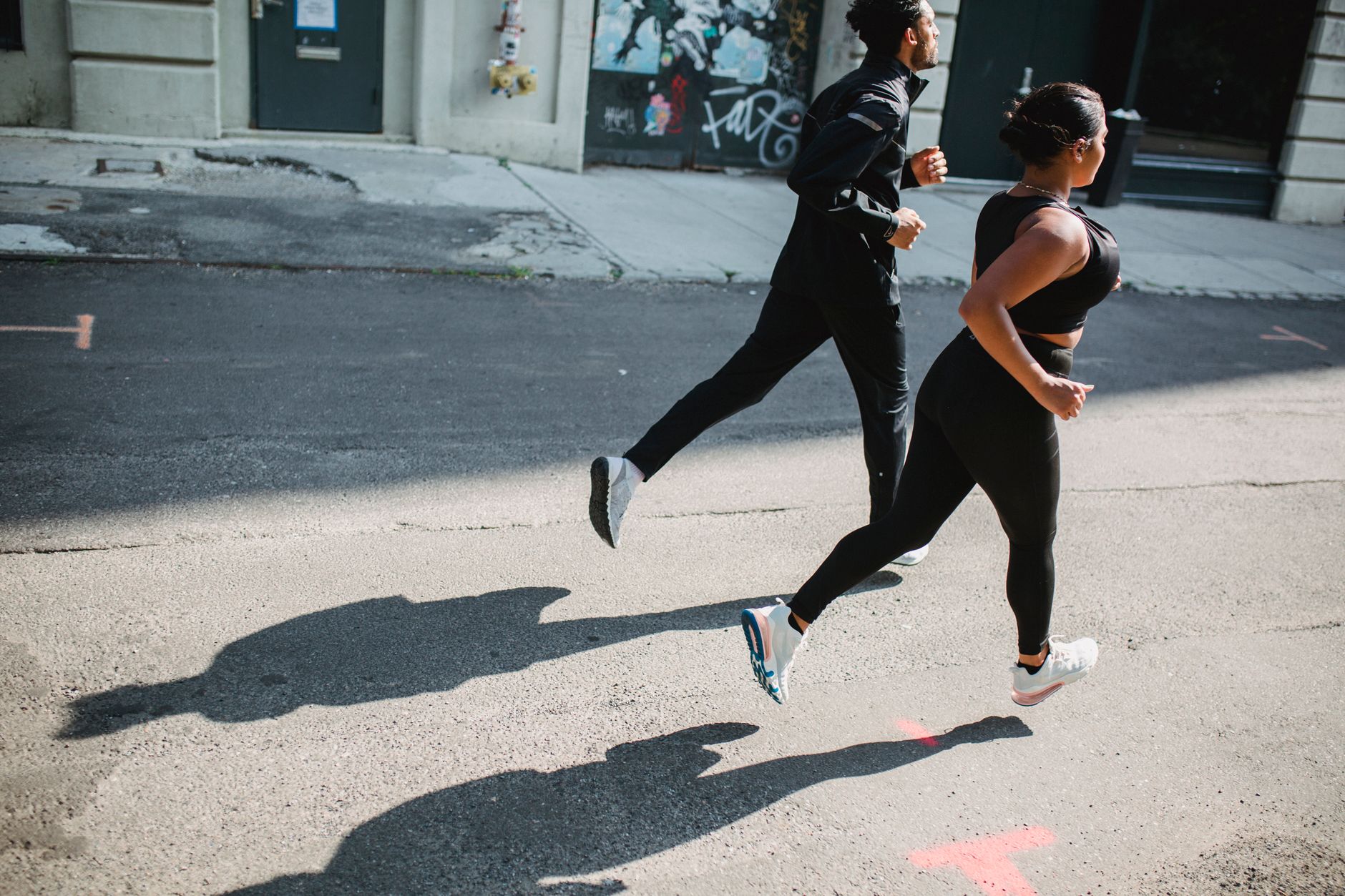
A safe beginner running plan builds to 30 minutes or 5K over about 9 weeks with three run-walk sessions per week. It pairs small weekly increases with warm-ups, traffic awareness, heat planning, and solo-run precautions. Run-walk means alternating short runs with walks inside the same session. A common start is 60 seconds running with 90 seconds walking, plus a 5-minute warm-up walk and a rest day between runs.
Medical information disclaimer: This article is for general educational purposes only and does not provide medical advice, diagnosis, or treatment. Always consult a physician or other qualified health professional about symptoms, medications, tests, or treatment decisions.
Table of Contents
- How quickly should you add running?
- How should each run start and finish?
- How do you stay safe around traffic?
- How do you adjust for heat?
- What should solo runners carry and share?
How quickly should you add running?
Build volume slowly across three to four sessions per week. Keep easy running at talk-test pace, meaning you can speak in full sentences. According to Warwickshire County Council describing the NHS Couch to 5K programme, beginners can progress toward 30 minutes over about nine weeks with three weekly run-walk sessions Couch to 5K overview. A widely used ceiling is no more than about 10 percent more weekly distance.
That rule has an undocumented origin and does not fit every beginner. Hold distance steady and seek medical advice for persistent pain, unusual fatigue, or illness rather than forcing an increase. Short beginner runs still count toward health goals. According to the American Heart Association activity recommendations, adults should work toward 150 minutes per week of moderate activity or 75 minutes of vigorous activity, plus muscle-strengthening on two or more days.
How should each run start and finish?
Begin every run with 3 to 10 minutes of brisk walking or light jogging. This warm-up raises muscle temperature, loosens joints, and makes the first run interval feel easier. It also gives you time to check shoes, route, weather, and energy.
Finish with a cool-down walk plus gentle stretching. Keep the stretch mild and avoid bouncing or pushing into pain. Staying conversational during easy sections helps limit overload while fitness builds.
How do you stay safe around traffic?
Assume drivers may not see you, especially at dawn, dusk, night, or in rain. According to the National Highway Traffic Safety Administration pedestrian safety tips, people on roads without sidewalks should face traffic and stay as far from vehicles as possible.
About one-third of pedestrian fatalities occur at night. Familiar, well-lit routes make you easier to spot and help you judge footing.
- Run facing oncoming cars where there is no sidewalk
- Obey signals, use crossings, and stay predictable
- Skip headphones or keep volume low and phones away
- Wear bright colors by day and reflective material at night
- Carry a flashlight in darkness or poor visibility
How do you adjust for heat?
Run in cooler morning or evening hours when possible. Wear loose, light-colored clothing and drink water before, during, and after activity without waiting for thirst.
According to the CDC hot-weather guidance, practical heat steps include carrying water and shortening the run on hot days. Treat warning signs as stop signals: New runners heat up faster because pacing and fitness are still developing. A shorter walk-heavy session is smarter than finishing a planned run while feeling dizzy.
- Heat exhaustion: heavy sweating, dizziness, nausea, headache — stop, move to shade, and cool down
- Heat stroke: hot or red skin, confusion, 103°F or higher, collapse — call 911, cool rapidly, and give no fluids if unconscious
What should solo runners carry and share?
Tell someone your route and expected return time before leaving. Carry ID and a phone, and store emergency contact details in your shoe tag or phone case.
Choose familiar, lit routes or join a group when possible. Check battery, route lighting, and weather before the door. If plans change mid-run, update your contact and stay where you are easy to find.