Playing with grandkids without getting exhausted comes down to building the right baseline fitness and understanding your energy limits as you age. The key is not trying to match a five-year-old’s unlimited energy—something no adult should attempt—but instead developing the cardiovascular fitness and muscular endurance that lets you keep up comfortably for an hour or two without feeling drained for the rest of the day.
A grandfather who runs three times a week will have fundamentally different stamina during an afternoon of tag or playground time than one who hasn’t exercised in years, even if both are the same age. The good news is that grandparenting itself doesn’t require athletic training. What it does require is honest self-awareness about what depletes you fastest—is it the constant movement, the mental focus, the emotional energy, or simply being on your feet—and then addressing that specific weakness through targeted fitness and practical pacing strategies.
Table of Contents
- running-and-cardiovascular-fitness-give-you-mo”>How Running and Cardiovascular Fitness Give You More Energy for Grandkids
- Building Muscular Endurance and Functional Strength
- Managing Emotional and Mental Energy Alongside Physical Stamina
- Setting Realistic Pacing and Activity Rotation
- The Common Mistakes That Drive Exhaustion
- Cross-Training and Recovery for Better Long-Term Capacity
- Building a Sustainable Routine That Lasts Years
- Conclusion
- Frequently Asked Questions
How Running and Cardiovascular Fitness Give You More Energy for Grandkids
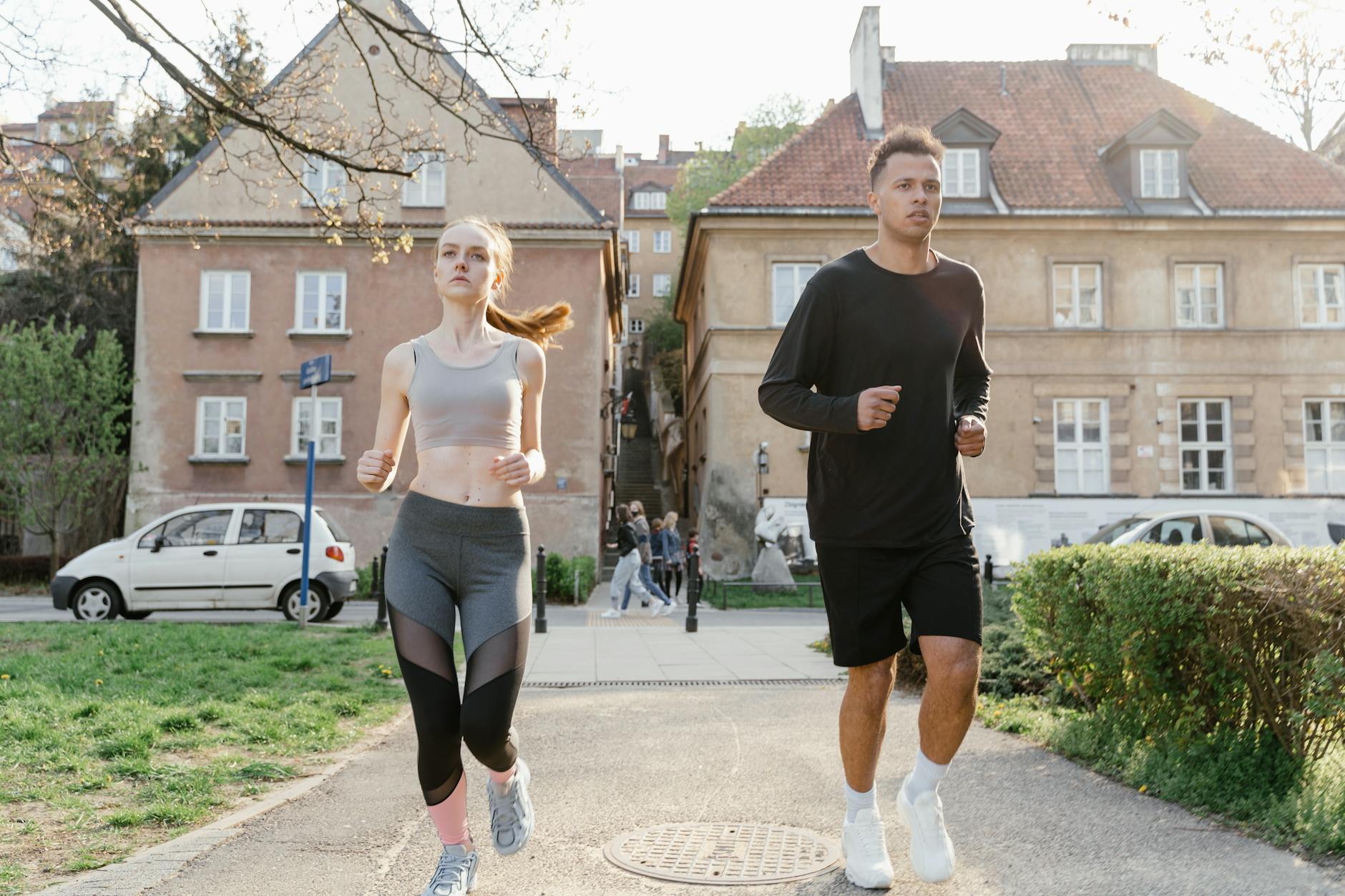
Your cardiovascular system directly determines how hard playing feels. When your heart is efficient, simple activities like chasing a toddler or pushing a swing don’t spike your heart rate into uncomfortable territory. Grandparents who run regularly or do sustained aerobic exercise build this efficiency naturally. A 60-year-old who jogs three miles, twice a week won’t find themselves breathing hard while playing ball in the yard—the same activity that leaves a sedentary 60-year-old gasping after fifteen minutes. The mechanism is straightforward: aerobic training increases your stroke volume (the amount of blood your heart pumps per beat) and your muscles’ ability to extract oxygen.
This doesn’t mean you need to become a serious runner. Even walking at a brisk pace for 30 minutes, four or five times a week, measurably improves your capacity to do physical activity without fatigue. The difference between someone who walks regularly and someone who doesn’t is visible within weeks. This is also where most people make a mistake: they assume they’re “tired from grandkids” when they’re actually tired from being deconditioned. If you’re exhausted after two hours of playing, the problem might not be your age or the Intensity Minutes Help Adults Over 60 Enjoy Sports Again”>intensity of grandkids—it might be that you haven’t sustained elevated heart rate activity in months.
Building Muscular Endurance and Functional Strength
Cardiovascular fitness is only part of the equation. Muscular endurance—the ability of your muscles to perform repeated contractions without failure—matters enormously during grandparenting. Lifting a toddler repeatedly, crouching down and standing up, carrying a child on your shoulders, or climbing playground equipment all require your legs, core, and arms to do sustained work. Without this strength, you’ll feel worn out not because your heart can’t handle it, but because your legs and lower back are screaming.
A practical limitation worth noting: building strength takes longer than building aerobic fitness, and it requires progressive challenge. Simply playing with grandkids won’t build the strength you need—you need to do targeted exercises that progressively increase difficulty. Adding resistance training twice a week, focusing on leg strength (squats and lunges), core work, and functional movements that mimic grandparenting demands, can transform how you feel during active time with grandkids. The warning here is that many people assume weakness is age-related when it’s actually deconditioning-related. A 70-year-old with consistent strength training will have more functional capacity than a 50-year-old who hasn’t exercised in a decade.
Managing Emotional and Mental Energy Alongside Physical Stamina
Physical exhaustion is only part of the tiredness you feel. Grandparenting is cognitively demanding—you’re tracking a child’s location, anticipating danger, responding to constant questions, managing emotions, and being “on” the entire time. This mental load is real and depletes a different kind of energy than physical exertion. A grandfather might have the cardiovascular fitness to keep up physically but still feel emotionally fried after two hours.
The solution isn’t just to run more miles. It’s to schedule breaks where you’re not actively responsible. Sitting beside your grandson while he plays independently, having his parent take over for twenty minutes, or planning quieter activities alongside active ones all reduce the cognitive demand. A realistic example: instead of trying to power through a full day of constant, high-stimulation activity, plan a morning at the park with active play, then a lunch break and quieter afternoon activity like reading together or coloring. You’ll get more total time with your grandkids and feel better doing it.

Setting Realistic Pacing and Activity Rotation
Here’s where most people fail at playing without exhaustion: they try to do everything at once instead of rotating different types of activity. A practical approach is to mix high-intensity play (running games, playground activity) with lower-intensity periods (walking, sitting-down games, storytelling). This isn’t laziness—it’s sustainable energy management.
A concrete example: schedule 20–30 minutes of active play, then 15–20 minutes of a quieter activity, then another active period. This rotation allows your heart rate to come down briefly, prevents muscle fatigue from accumulating, and gives your mind a recovery window. Compared to trying to sustain intense play for hours straight, you’ll feel less exhausted even though you’ve spent the same total time together. The tradeoff is that it requires planning and being intentional about the rhythm of your day, rather than just winging it.
The Common Mistakes That Drive Exhaustion
The most common mistake is assuming that what worked at 40 still works at 60 or 70. Your body’s ability to recover between activity bouts decreases with age, which means you genuinely do need more recovery time than you used to. Ignoring this and trying to match a younger version of yourself is a recipe for burnout. A warning: trying to “power through” on low fitness actually makes the next time harder, because your body doesn’t recover fully and you start each session already depleted.
Another mistake is neglecting sleep and nutrition in pursuit of activity time with grandkids. If you’re playing hard but sleeping poorly or eating erratically, your ability to do it again the next day plummets. A realistic assessment: grandkids visit, you get one afternoon of active play, then you’re sore the next day and can’t do much the day after. That’s not sustainable. Building fitness, prioritizing sleep, and eating well are actually prerequisites for being the grandparent you want to be.
Cross-Training and Recovery for Better Long-Term Capacity
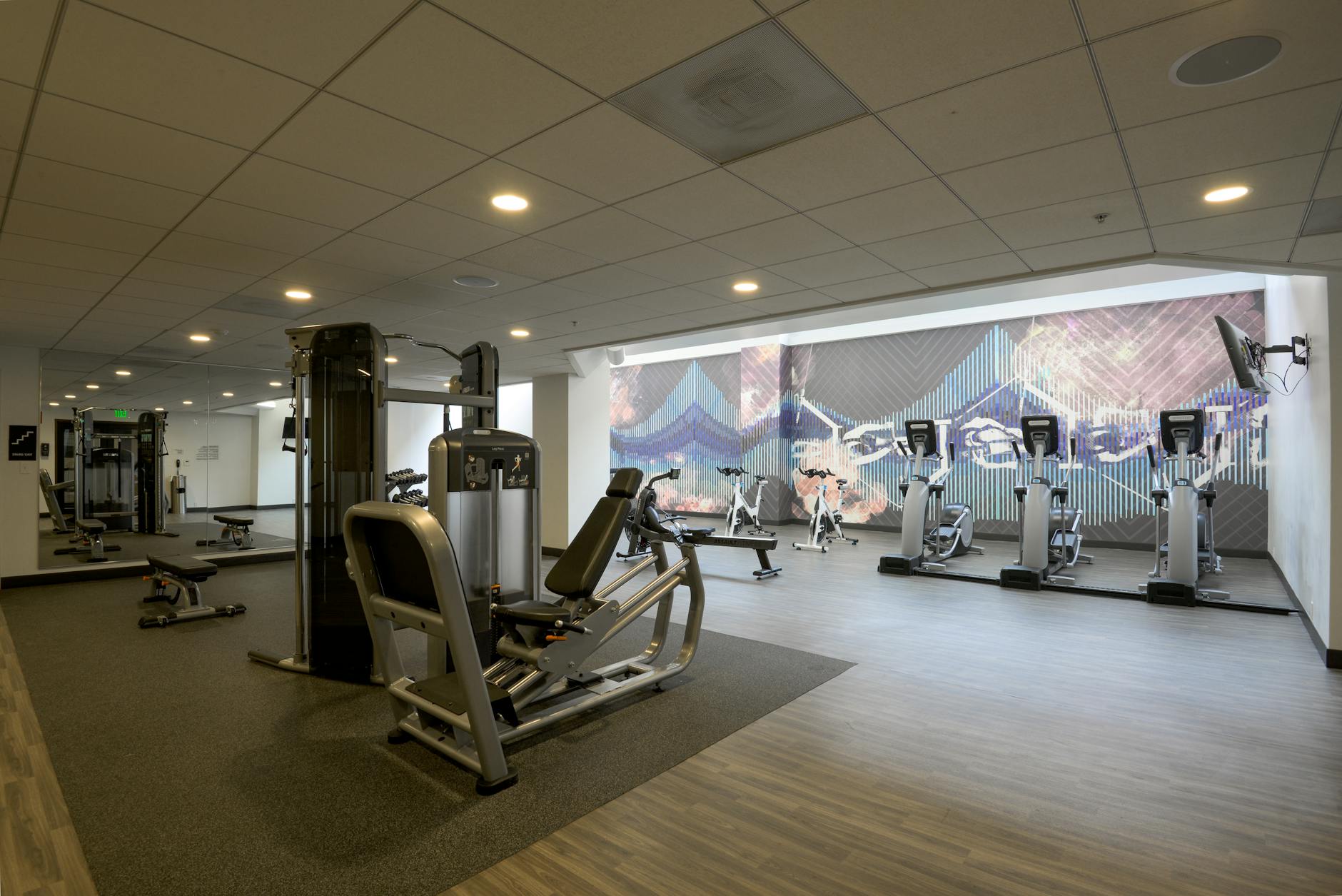
You don’t need to run every day to build the fitness that helps with grandparenting. In fact, variety is better. Mixing running with cycling, swimming, or hiking prevents overuse injuries and keeps your body adapting. A specific example: a grandfather who runs two days a week, swims once a week, and does strength training twice a week will have better overall function and fewer injuries than one who runs four times a week.
The varied stimulus also keeps activity feeling fresh rather than becoming a chore. Recovery deserves real attention. Taking a rest day between hard workouts isn’t weakness—it’s when your body actually adapts and gets stronger. Similarly, scheduling lighter activity weeks every third or fourth week prevents the cumulative fatigue that sneaks up on you and makes everything feel harder.
Building a Sustainable Routine That Lasts Years
The real win isn’t playing hard with grandkids once or twice. It’s maintaining the fitness and energy to be active and present with them year after year. This requires building a realistic routine that fits your life—one you can actually stick with when travel comes up, work is busy, or life gets complicated. Grandparenting at 65 is fundamentally different from grandparenting at 75, and the habits you build now determine how functional and energetic you’ll be later.
Looking forward, the most successful grandparents are the ones who view fitness not as training for a specific event but as maintenance for quality of life. Three to four hours of moderate activity per week—a combination of cardiovascular work, strength training, and flexibility—is enough to maintain the capacity to enjoy grandkids without burning out. It’s not a sprint. It’s a sustainable pace.
Conclusion
Playing with grandkids without exhaustion isn’t about being superhuman or pretending age doesn’t matter. It’s about building genuine fitness through consistent, moderate exercise; being honest about your current capacity; and rotating activity types strategically so you can do more while feeling less tired. The grandfather who does three 30-minute runs a week and adds strength training twice a week will absolutely have more energy and fewer aches during grandparenting than one who doesn’t exercise at all—and the difference will be noticeable within six weeks.
Start by assessing what depletes you most: is it physical fatigue, muscle soreness, emotional drain, or some combination? Then address it directly through fitness work that targets that weakness. Grandkids will be around for decades. Building sustainable fitness now means you’ll be the active, present grandparent you want to be, not the one sitting on the sidelines wishing you had the energy to play.
Frequently Asked Questions
How much exercise do I actually need to keep up with grandkids?
Three to four hours of moderate activity per week—a mix of cardiovascular exercise (running, cycling, brisk walking) and strength training—is enough for most people. You don’t need to be an athlete; you just need consistent, basic fitness.
What type of exercise is best for grandparenting stamina?
A mix of steady-state cardio (running, cycling, swimming) for cardiovascular fitness, strength training for functional capacity, and flexibility work to prevent injury. Running is particularly effective because it builds both aerobic capacity and leg strength simultaneously.
How long does it take to notice a difference in energy during grandparenting?
Most people notice improved capacity within 4–6 weeks of consistent exercise. You won’t set personal records, but climbing playground equipment or playing tag won’t leave you winded.
Is it okay to feel sore the day after playing with grandkids?
Some mild soreness is normal, especially if you haven’t been active. But if you’re sore for days or can’t move the next day, you did too much. Scale back intensity and focus on building fitness gradually rather than trying to do everything at once.
Should I do different exercises on different days or the same routine every day?
Mix it up. Running three days a week with strength training twice a week and a rest day is more sustainable and safer than running daily. Variety prevents overuse injury and keeps your body adapting.
What if I’m already injured or have health concerns?
Talk to your doctor about what activities are safe for you. Even with limitations, there’s usually some form of movement that builds fitness—it might be water aerobics instead of running, or modified strength work instead of heavy lifting.