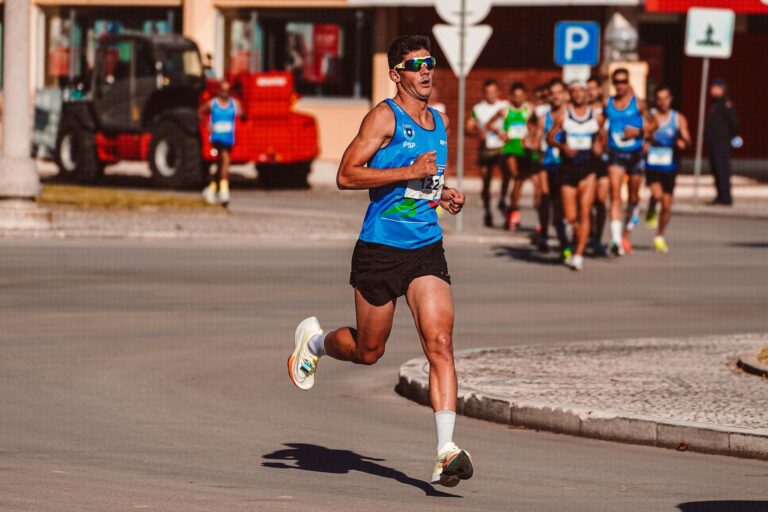
People over 60 can maintain high energy levels through intensity minutes—short bursts of vigorous activity that elevate heart rate and challenge muscles—because these concentrated efforts trigger physiological adaptations that keep the cardiovascular and metabolic systems young. You don’t need hours of exercise; even 10-15 minutes of sustained intensity per week can meaningfully improve energy, endurance, and overall vitality in older adults.
A 64-year-old runner who switched from steady jogging to incorporating two weekly intensity sessions reported noticeably better energy throughout the day within three weeks, less fatigue climbing stairs, and improved mood. The science is straightforward: intensity minutes force your body to recruit more muscle fibers, elevate heart rate into training zones that build cardiovascular resilience, and trigger hormonal and metabolic responses that younger people associate with athletic training. This isn’t theoretical—research on older adults shows that brief, vigorous activity produces similar or better results than longer, moderate-intensity exercise for maintaining muscle mass, bone density, and metabolic function.
Table of Contents
- What Makes Intensity Minutes Different From Steady-State Exercise?
- Why Your Body Still Responds to Intensity After 60
- How Intensity Minutes Preserve Muscle and Metabolic Health
- Practical Ways to Incorporate Intensity Minutes Into Your Week
- Common Mistakes and Safety Considerations
- The Mental and Psychological Benefits
- The Sustainability Factor—Long-Term Success Beyond 60
- Conclusion
- Frequently Asked Questions
What Makes Intensity Minutes Different From Steady-State Exercise?
intensity minutes are defined as periods where you‘re working at 70-85% of your maximum heart rate or higher, whether through running, cycling, swimming, or even brisk walking with intervals. The critical distinction from steady jogging or leisurely activity is the effort level: your breathing becomes labored, sustained conversation becomes difficult, and your muscles feel the work. When you run at a comfortable pace for 30 minutes, you’re primarily using slow-twitch muscle fibers; when you do three 90-second intensity intervals within a 20-minute session, you recruit fast-twitch fibers that are metabolically demanding and central to maintaining strength.
The comparison matters for older adults specifically because intensity triggers EPOC (excess post-exercise oxygen consumption), sometimes called the afterburn effect, where your body continues burning elevated calories and improving metabolic function for hours after the effort ends. A 62-year-old runner doing steady jogs burns calories during the run and not much after; the same runner doing intensity intervals burns fewer total calories during the session but significantly more over the following 6-12 hours as the body repairs muscle damage and restores energy systems. This metabolic boost is one reason people frequently report feeling more energized on days they include intensity, not just exhausted.

Why Your Body Still Responds to Intensity After 60
The assumption that older bodies lose the ability to build strength and aerobic capacity from vigorous effort is outdated. Muscle fibers remain sensitive to mechanical stimulus and hormonal signals across the lifespan—they don’t mysteriously stop responding at 60 or 70. When you challenge your muscles with intensity, you trigger protein synthesis and mitochondrial adaptation regardless of age, though the timeline for recovery may lengthen slightly compared to younger athletes. One important limitation is that intensity training does require adequate recovery, sleep, and nutrition.
A 65-year-old who does high-intensity intervals three days per week without sufficient sleep, hydration, or protein intake won’t see the expected improvements and may accumulate fatigue instead. The adage “more is better” becomes dangerous with intensity work in older populations; quality matters far more than volume. A runner over 60 doing two carefully structured intensity sessions per week typically achieves better results and feels more energized than someone attempting five sessions and feeling run down by week two. Cardiovascular adaptations still occur: blood vessel function improves, stroke volume increases (the amount of blood your heart pumps per beat), and oxygen utilization becomes more efficient. These changes happen more slowly in older adults than in 25-year-olds, often requiring 6-8 weeks to become measurable, but they are absolutely achievable and sustainable.
How Intensity Minutes Preserve Muscle and Metabolic Health
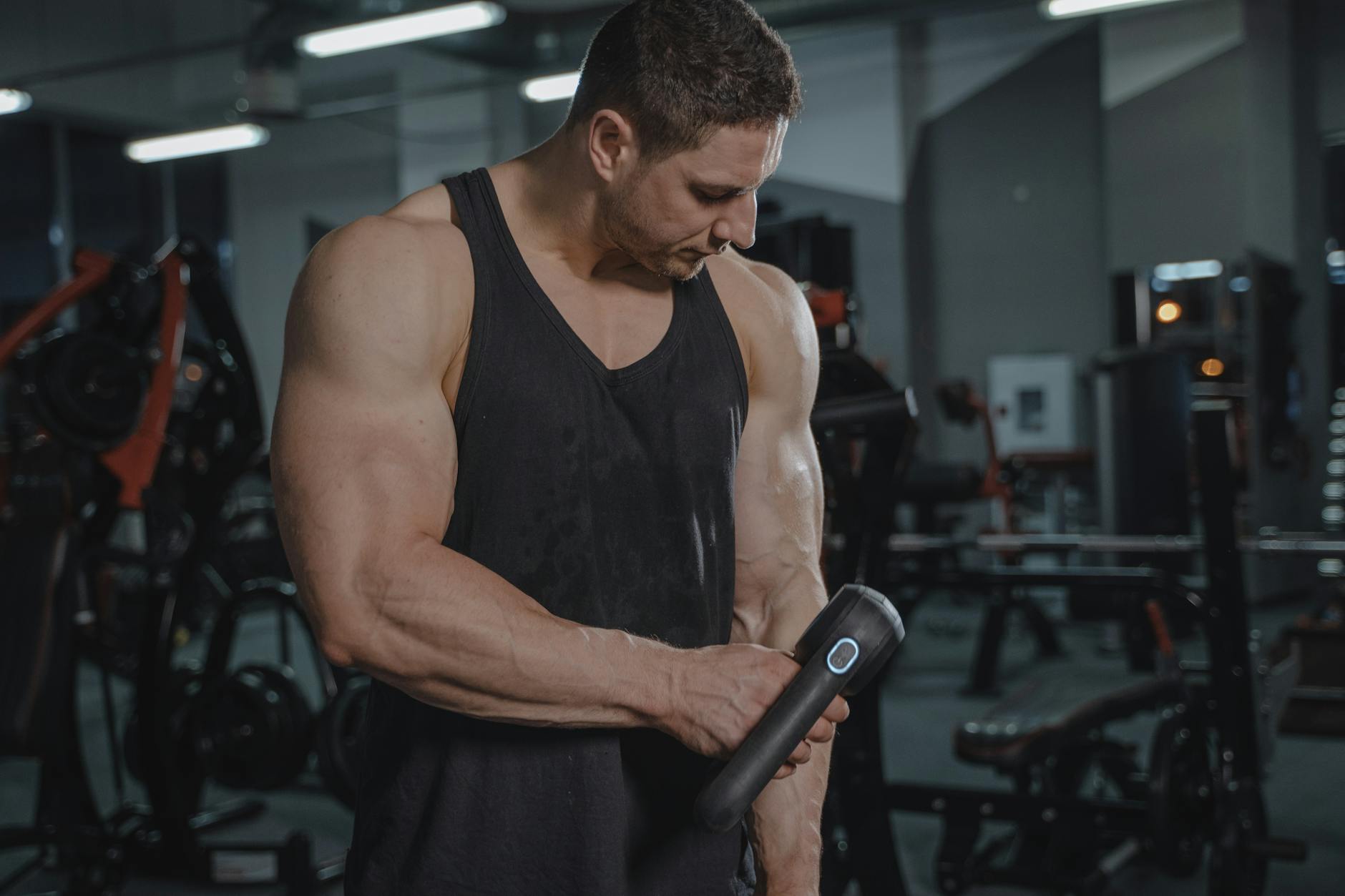
Intensity training is one of the most effective ways to combat sarcopenia—the age-related loss of muscle mass that affects energy levels, bone health, and functional mobility. As you age, your body naturally loses muscle mass at an accelerating rate, but vigorous activity is one of the few interventions that directly reverses this trend. A clinical study tracking runners aged 60-75 found that those including regular intensity work maintained muscle mass and even gained modest amounts over a year, while the control group (moderate steady activity only) continued losing muscle mass despite being active. The mechanism is straightforward: intensity causes muscle damage and metabolic stress, which signals your body to rebuild stronger. This signal becomes somewhat muted in older adults—the response is slower and requires higher relative intensities—but it never disappears entirely.
A 68-year-old doing hill repeats or tempo running creates the same stimulus that a 35-year-old does; the adaptation just takes slightly longer to manifest. Beyond muscle, intensity work preserves bone density, a critical concern for older adults at risk of osteoporosis, because impact and muscular loading during vigorous activity maintains bone mineral content. Metabolic health improves substantially. Intensity work improves insulin sensitivity, helping regulate blood sugar and reduce diabetes risk. Regular intensity activity also has measurable effects on cardiovascular health markers: blood pressure often drops, cholesterol profiles improve, and resting heart rate decreases over weeks and months.
Practical Ways to Incorporate Intensity Minutes Into Your Week
The most accessible entry point for runners over 60 is tempo running or steady-state intervals: sustain a comfortably hard effort for 8-12 minutes, recover, and repeat. A practical weekly structure might look like one tempo run of 20-30 minutes total (including warm-up and cool-down), one shorter interval session with 4-6 repetitions of 2-3 minutes at intensity with equal recovery, and one longer easy run for recovery. This totals 4-6 intensity minutes per session, or 10-15 per week—well above the minimum threshold for health benefits and sustainable for most runners. The comparison between approaches matters: some runners prefer longer tempos (20+ minute sustained efforts), others favor shorter, higher-intensity repeats. Longer tempos build aerobic capacity and mental toughness; shorter repeats cause greater muscle recruitment but feel more psychologically achievable for some people.
Neither approach is universally better; what matters is consistency and personal preference. A 61-year-old who dreads short repeats but enjoys tempo running will sustain the tempo approach longer and gain more long-term benefit. Non-runners can build intensity into walking, cycling, swimming, or rowing the same way: find a pace that’s uncomfortable to sustain for conversation, hold it for 5-15 minutes with recovery periods, and repeat. The specific activity is less important than the intensity level. A swimmer over 60 might do 6 × 150 meters at race effort with 30-second rest, a cyclist might do 5-minute climbing intervals, or a walker might do steep hill repeats for 2-3 minutes.
Common Mistakes and Safety Considerations
The most frequent error is ramping up intensity too quickly. An older adult sedentary for years cannot safely jump into multiple high-intensity sessions per week; this leads to injury, excessive fatigue, or both. A safer progression is one intensity session per week for 3-4 weeks, allowing the body to adapt neurologically and structurally, before adding a second session. Some people stay at one session per week indefinitely—that’s fine and still delivers the core benefits. Another warning: intensity work increases injury risk if performed fatigued or with poor form.
Running repeats when you’re already tired from work, stress, or poor sleep is a recipe for injury. Heart rate data and perceived exertion can help here; if your heart rate is lower than expected for your effort level or the effort feels disproportionately hard, scale back. Older runners also need to respect recovery; two intensity days should ideally have at least one easy day between them. Joint stress increases during vigorous running, particularly for those with arthritis or previous injuries. Swimming and cycling produce the intensity stimulus with lower impact loads and may be better options for some. Regardless of activity, a proper warm-up and cool-down around intensity work protect tendons and joints.
The Mental and Psychological Benefits
Beyond the physiology, intensity work produces psychological benefits that directly translate to energy and mood. The mental challenge of sustaining effort creates a sense of accomplishment and resilience that carries into daily life. A 67-year-old runner described intensity sessions as the part of her week when she felt most alive and capable, and this mental boost persisted hours after the workout.
The tangible improvements in pace and endurance also matter; seeing measurable progress at an age when decline is expected becomes a powerful motivator. Intensity work also appears to improve cognitive function. Several studies suggest that vigorous cardiovascular exercise enhances memory, executive function, and mental clarity in older adults, likely through increased BDNF (brain-derived neurotrophic factor) and improved cerebral blood flow. Whether the mechanism is purely physiological or partly psychological (feeling stronger and more capable improves mood and cognition), the effect is real.
The Sustainability Factor—Long-Term Success Beyond 60
The final insight is that intensity minutes are sustainable. A 70-year-old can do intensity work safely and effectively, but longevity requires listening to the body, adapting intensity as circumstances change, and treating recovery as seriously as the work itself. Some people maintain the same intensity sessions across decades; others find that as they age, they prefer longer tempos to short repeats, or shift to cycling when running becomes uncomfortable.
The most successful older athletes and active adults aren’t necessarily doing intense training constantly; they’re maintaining consistent, moderate intensity year-round with flexibility to adjust. A runner who does one solid tempo session and one interval session weekly, with four easy running days, can sustain this indefinitely, maintain high fitness, and experience the energy and vitality benefits described throughout this article. The goal isn’t to emulate a 25-year-old’s training plan; it’s to find the intensity rhythm that works for your body and your life.
Conclusion
The science is clear: people over 60 absolutely can be full of energy through strategic use of intensity minutes. These aren’t theoretical benefits—they manifest in improved cardiovascular function, preserved muscle mass, enhanced metabolism, and the psychological boost that comes from sustained effort and progress.
You don’t need hours of training; 10-15 minutes of intensity per week, properly integrated into a broader activity routine, is enough to maintain and even improve vitality. The path forward is simple but requires intention: start with one session per week if you’re new to intensity work, allow your body adequate recovery and sleep, listen for signs of overtraining, and find the intensity methods and paces that you’ll sustain long-term. The runners and active adults thriving over 60 aren’t doing anything exotic; they’re respecting the science, staying consistent, and giving their bodies the stimulus to stay young.
Frequently Asked Questions
How do I know if I’m working at the right intensity?
You should be breathing hard enough that speaking full sentences is difficult, though you can still talk in short phrases. Your heart rate should be 70-85% of your maximum (roughly 220 minus your age, then multiply by 0.7 to 0.85). Perceived exertion matters; if the effort feels comfortably hard, you’re likely in the right zone.
Can I do intensity work if I have arthritis or joint issues?
Yes, but consider lower-impact options like swimming, cycling, or rowing before high-impact running. You can also do tempo running if joint pain is manageable; many people find it tolerable despite arthritis because the steady effort is less jarring than interval repeats. Always start conservatively and scale up gradually.
How much recovery do I need between intensity sessions?
At least one easy day of walking, easy cycling, or complete rest between intensity sessions. Older adults benefit from slightly longer recovery than younger athletes; two to three easy days per week between intensity work is common and sustainable.
Will intensity training interfere with my other activities or running?
No—one or two intensity sessions per week leave plenty of room for easy running, walking, or other activities. In fact, this mixed approach (intensity plus easy activity) is ideal for sustainability and reducing injury risk.
What if I can’t do the recommended 10-15 intensity minutes per week?
Even 5-7 minutes per week shows measurable benefits. Something is always better than nothing; start where you are and build gradually. Many people find that once they experience the benefits, they naturally increase frequency over time.
Is it too late to start intensity training if I’m over 60 and haven’t exercised regularly?
It’s never too late, but progression matters. Start with one gentle intensity session per week, focus on consistency over intensity for the first month, and consult a doctor if you have cardiovascular risk factors or existing conditions. Your body adapts remarkably well, even to older beginners.