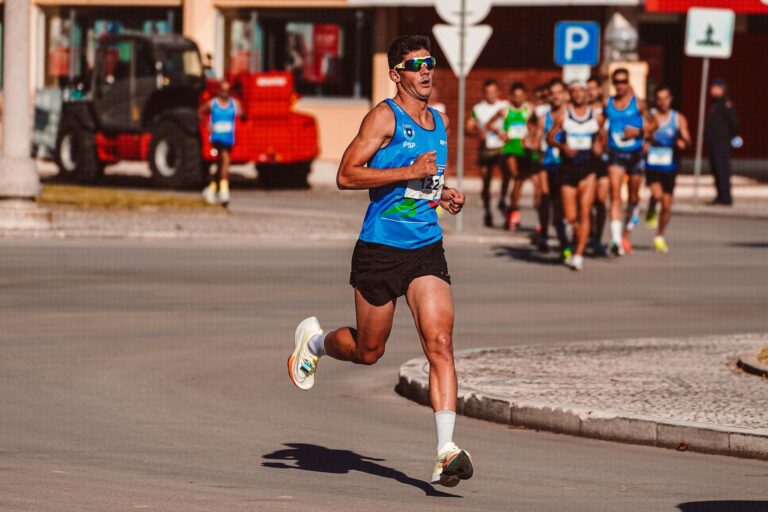
Walking is often recommended as the gold standard for older adults, but for most people over 60, it’s an incomplete fitness solution. Walking addresses cardiovascular endurance and calorie burn, but it leaves significant gaps in muscle strength, bone density, balance, and metabolic health that become increasingly critical in the sixth decade of life and beyond. An 68-year-old woman might walk 10,000 steps daily and still experience a dangerous loss of leg strength that makes climbing stairs difficult or increases her risk of falling and breaking bones—consequences that walking alone cannot prevent. The reason is physiological: our bodies change after 60 in ways that walking doesn’t counter.
Adults over 60 lose 3 to 8 percent of muscle mass per decade, a process called sarcopenia that walking slows but does not stop. Bone density declines, especially in women after menopause. Balance deteriorates. These aren’t side effects of aging that walking can solve; they require targeted resistance training, strength work, and specific balance exercises. Walking is part of a complete fitness plan for older adults, but only part.
Table of Contents
- What Walking Does—and Doesn’t—Address for Adults Over 60
- The Bone Density and Injury Risk Problem
- Muscle Loss and Functional Strength in Daily Life
- The Combination That Works—and What Realistic Exercise Looks Like
- Balance Training—The Overlooked Component
- The Metabolic and Weight Management Reality
- The Cognitive and Mental Health Piece That Walking Addresses Well
- Conclusion
What Walking Does—and Doesn’t—Address for Adults Over 60
Walking excels at maintaining cardiovascular fitness and keeping extra weight in check. Studies consistently show that regular walkers have lower rates of heart disease, stroke, and type 2 diabetes. A 65-year-old who walks 30 minutes daily is doing something genuinely beneficial for his heart. But walking uses the same muscles in the same way, day after day. The quadriceps, glutes, and calf muscles adapt to this repetitive motion and stop growing stronger.
Your muscles only build when they face a challenge they haven’t adapted to—a principle called progressive Intensity Minutes“>overload that walking, by its nature, doesn’t provide after the first few weeks. The gap becomes dangerous when you consider what happens when an older adult falls. Walking has not trained the stabilizer muscles around the ankles, knees, and hips that prevent falls in the first place. Walking has not built the core strength needed to catch yourself or break a fall safely. It has not maintained the leg power needed to step up a curb without hesitation or walk backward to look at something without losing balance. A study of 140 adults over 70 found that those who did balance and strength training had a 43 percent lower rate of falls, while walkers alone had no reduction in fall risk.

The Bone Density and Injury Risk Problem
Walking is a weight-bearing exercise, which means it does apply some stress to bones and can help slow bone loss. But the stimulus is modest and distributed evenly across all bones. For someone at risk of osteoporosis—a category that includes most women over 70 and many men over 80—this modest stimulus isn’t enough. Bone density increases when bones experience a variety of stresses, particularly impact and resistance. Walking in a straight line provides neither.
Women who walk regularly but do no strength training often still experience significant bone loss in the hip and spine. A limitation of walking-only programs is that they don’t address the high-impact exercises (like stair climbing, dancing, or light jumping movements) that bone responds to most effectively. One woman in her 60s reported that after five years of daily walks, a bone scan showed she had lost 8 percent of hip bone density. The walks had helped maintain her weight and cardiovascular health, but had not slowed her bone loss. This is a common and sobering pattern for active older adults who believe walking is enough.
Muscle Loss and Functional Strength in Daily Life
The practical consequence of walking-only fitness becomes visible in mundane moments. An older adult needs to carry groceries, rise from a low chair, walk upstairs without using the handrail, or help a grandchild by lifting them. These moments require leg strength, grip strength, and core stability. Walking doesn’t running-endurance/” title=”How to Build Running Endurance”>build these. A 62-year-old man who logs 8,000 steps daily might find himself unable to squat to pick something off a low shelf without significant effort or pain—a sign that his quadriceps and glute strength have declined. Sarcopenia accelerates after 60, and resistance training is the only proven intervention that reverses it.
Walking slows muscle loss but does not reverse it. The difference is significant: a person doing strength training twice weekly can maintain or even build muscle in their 60s, 70s, and 80s. A person walking only will continue to lose muscle, just more slowly. The implications compound over years. At 60, the loss is barely noticeable. By 75, an older adult who walked throughout her 60s but did no strength work may struggle with independence in ways her strength-trained peers do not.

The Combination That Works—and What Realistic Exercise Looks Like
The evidence is overwhelming that older adults need a combination of activities. The American Heart Association recommends that adults over 65 do at least 150 minutes of moderate aerobic activity (walking fits here) plus muscle-strengthening activities at least twice weekly. A practical approach is 30 minutes of walking most days, plus two sessions of 15 to 20 minutes of resistance training. This doesn’t require a gym. Bodyweight exercises (squats, lunges, wall push-ups, step-ups), resistance bands, or light dumbbells accomplish the goal.
The tradeoff is time and consistency. A walking-only routine is simpler and requires less equipment. Adding strength training is more complex and demands more discipline. However, the health return on this investment is substantial. A 70-year-old doing combined aerobic and strength training has cardiovascular health comparable to someone 10 years younger, maintains functional strength, and significantly reduces fall risk and injury. The same person doing only walking shows slower decline in all these areas but genuine decline nonetheless.
Balance Training—The Overlooked Component
Most older adults don’t think of balance training as exercise, but it’s essential after 60. Fall risk increases dramatically with age, and falls are the leading cause of injury-related death in older adults. Balance is a skill that deteriorates with disuse and improves with practice. Walking does not maintain balance; it reinforces the same stable movement pattern. A person can be a dedicated walker and still be vulnerable to a trip or stumble.
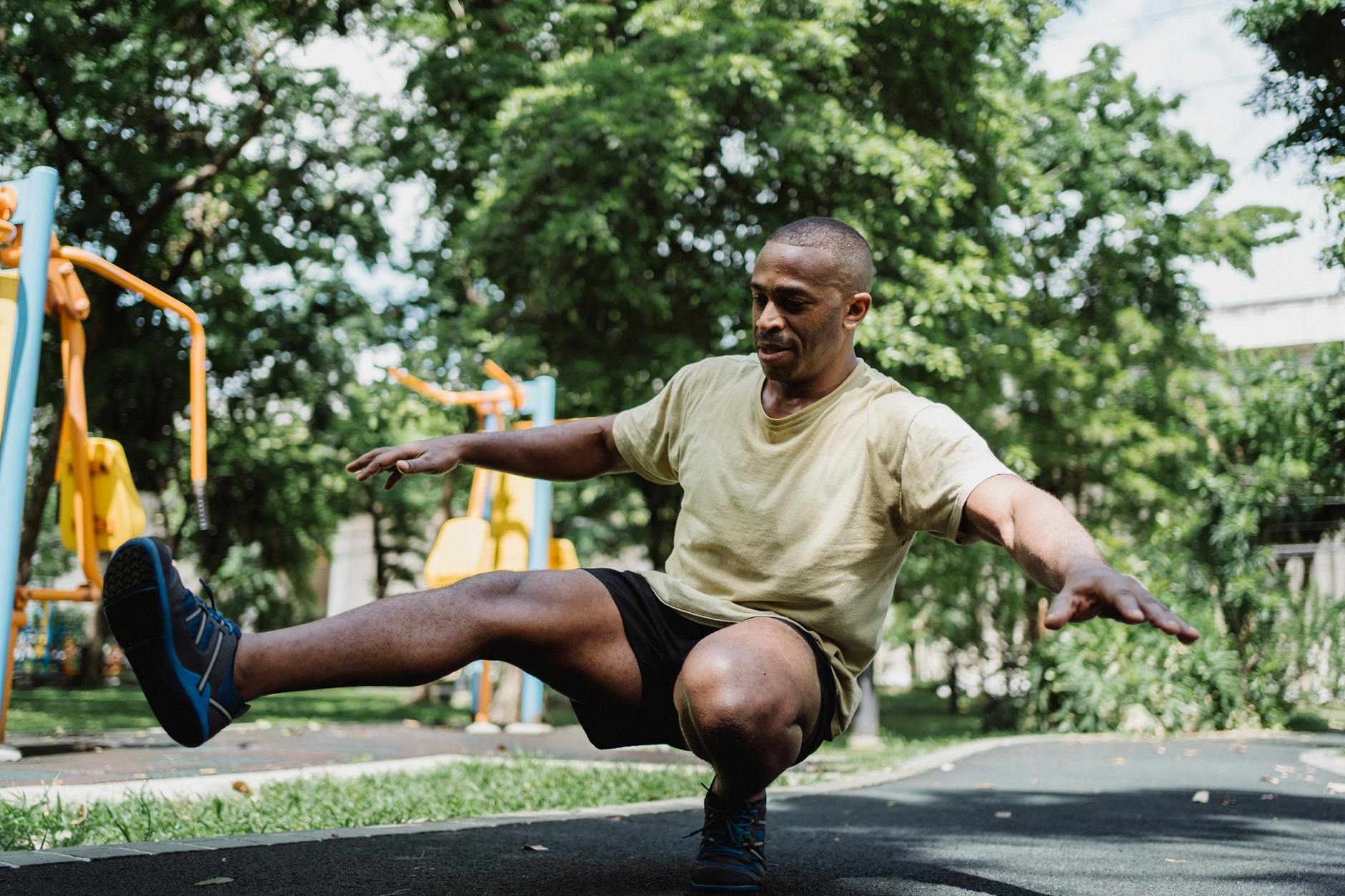
The warning is that balance loss often goes unnoticed until a fall happens. An older adult might feel steady while walking and assume balance is fine. A simple test—standing on one leg for 30 seconds—reveals the gap. Many walkers over 70 cannot do this. Balance training takes 5 to 10 minutes and can be done at home: standing on one leg, heel-to-toe walking in a straight line, tandem stances, or walking backward. Done consistently, these exercises are as effective at reducing fall risk as dedicated balance classes.
The Metabolic and Weight Management Reality
Walking burns calories and can support weight maintenance. But after 60, metabolism naturally slows, and the calorie burn from walking alone is modest. A 170-pound woman walking at a moderate pace burns roughly 300 calories in 45 minutes. Strength training builds muscle tissue, and muscle tissue burns more calories at rest, supporting long-term weight management. A person who walks without building or maintaining muscle will find weight creeping up over time, even with consistent walking.
The metabolism is declining, and walking alone doesn’t counter this decline effectively. For someone trying to lose weight in their 60s, walking alone is unlikely to be sufficient. A 65-year-old man who walks 45 minutes daily and eats at his maintenance level will not lose weight. Adding strength training increases calorie burn and makes weight loss easier. For many older adults, the combination of walking and strength training is the realistic approach to maintaining a healthy weight without aggressive calorie restriction.
The Cognitive and Mental Health Piece That Walking Addresses Well
One area where walking genuinely excels is mental health and cognitive function. Aerobic exercise like walking increases blood flow to the brain and supports cognitive function. Regular walking is associated with lower depression rates, better memory, and reduced dementia risk. An older adult who walks regularly is doing something profoundly beneficial for mental health in a way that strength training alone cannot match.
This is not a weakness of strength training; it’s a strength of walking. The forward-looking reality is that older adults thrive with variety. A person who walks regularly, does strength training twice weekly, includes balance work, and occasionally does something more intensive (a swimming class, a hiking trip) has addressed the major components of healthy aging. This person will likely remain independent, active, and engaged far longer than a peer who walks only.
Conclusion
Walking alone is not enough for most adults over 60 because the body changes in ways that walking doesn’t address: muscle loss, bone density decline, balance deterioration, and metabolic slowdown. These aren’t peripheral concerns—they determine whether an older adult can remain independent, active, and injury-free. A walking routine is valuable and should be maintained, but it must be paired with resistance training, balance work, and variety to be a complete fitness approach. The good news is that the solution is accessible and doesn’t require a gym or personal trainer.
Two sessions of 20 minutes of resistance training, combined with regular walking and 10 minutes of balance work weekly, address the gaps that walking leaves. Starting this combination at 60 is ideal, but it’s never too late. Adults in their 70s and 80s who begin strength training show measurable improvements in strength, balance, bone density, and quality of life. The first step is recognizing that walking is excellent but incomplete—and adding the components that make older adults genuinely, durably healthy.