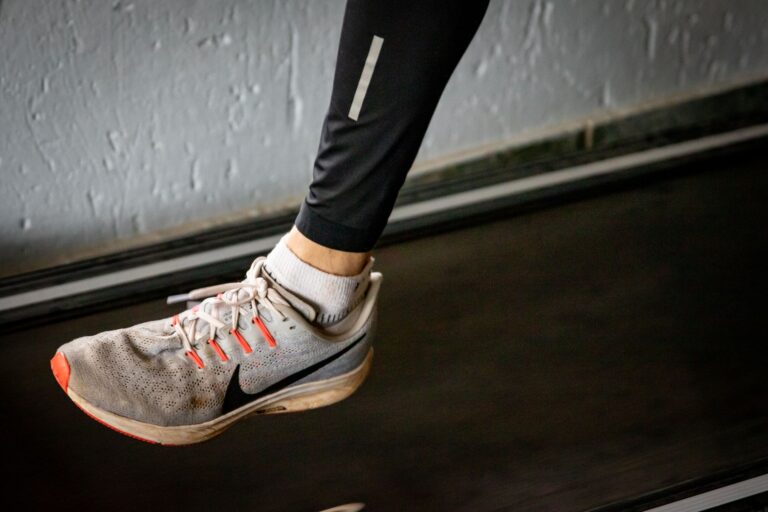
While Nike’s summer shoe announcements typically generate excitement among runners, a specific confirmed announcement about adding summer colors to a bestselling all-purpose running shoe for 2026 hasn’t yet materialized in official Nike channels or press materials. Running enthusiasts regularly expect fresh colorways each season—Nike’s Pegasus line, widely recognized as one of the company’s best-selling all-purpose running shoes, has historically received seasonal color updates. However, without an official press release or verified product announcement, details about specific 2026 summer colorways remain unofficial.
Nike does release summer collections and colorway rotations across its running shoe lineup regularly, and industry coverage often anticipates these drops months in advance. The gap between what gets reported in running shoe publications and what Nike officially confirms through press.nike.com or their newsroom can be substantial. Until an official announcement appears, distinguishing between industry speculation and confirmed product news is important for runners planning their next shoe purchase.
Table of Contents
- How Nike Typically Announces Summer Running Shoe Colors
- The Pegasus as Nike’s Bestselling All-Purpose Model
- What Makes Summer Colorways Practical for Runners
- How to Find Confirmed Nike Running Shoe Announcements
- The Timing Gap Between Announcement and Actual Availability
- Color Trends in Running Shoes Across 2026
- Evaluating Whether a New Colorway Justifies a Shoe Purchase
How Nike Typically Announces Summer Running Shoe Colors
Nike’s official product announcements come through specific channels: their press newsroom, direct communications to retailers, and statements from Nike’s public relations team. When new colorways launch, they typically appear first in these official venues before wider media coverage follows. Summer collections often align with seasonal marketing push dates, generally occurring in April or May for June and July availability.
The lead time between announcement and retail availability is usually 4 to 8 weeks, giving retailers time to stock shelves and Nike time to build anticipation. running shoe enthusiasts sometimes find information through leaks, retailer previews, or industry publication coverage weeks before official announcements. This creates confusion about what’s confirmed versus what’s rumored. The distinction matters: announced products have guaranteed timelines and specifications, while leaked colorways might change, face production delays, or see regional variations in availability.
The Pegasus as Nike’s Bestselling All-Purpose Model
The Nike Pegasus line holds the position of Nike’s most popular all-purpose running shoe across multiple seasons and market regions. The Pegasus is known for balanced cushioning, versatility across different run types, and accessibility across price points. Because of this bestseller status, Pegasus models receive more colorway iterations per year than most other Nike running shoes—summer, fall, winter, and spring rotations are the standard.
This high volume of color releases means runners expect fresh options regularly. However, “bestselling” doesn’t automatically mean every color variation is universally available. Regional differences, retailer exclusivity, and inventory limits mean that popular summer colorways can sell out quickly or be available only in certain markets. If a 2026 Pegasus summer release does materialize, availability may vary significantly between Nike.com, major retailers like Dick’s Sporting Goods or Foot Locker, and specialty running stores.
What Makes Summer Colorways Practical for Runners
Summer running presents specific environmental conditions: higher temperatures, intense UV exposure, and sometimes increased sweat production. Lighter colors absorb less heat than dark ones, which is why summer running shoes typically feature whites, lighter grays, pastels, and bright accent colors. Beyond temperature management, summer colorways often use reflective elements and high-visibility designs to address longer daylight hours and changing light conditions during morning and evening runs. Color choice isn’t purely aesthetic.
A brightly colored summer shoe aids visibility if you’re running in low-light conditions during early morning or evening hours. Reflective elements on white or light-colored uppers make a significant difference in safety. Some runners find psychological value in seasonal color changes—mentally associating new colors with seasonal training goals or race preparation keeps running fresh. A practical limitation: lighter summer colors show dirt, dust, and sweat stains more readily than darker shoes, requiring more frequent cleaning to maintain appearance.
How to Find Confirmed Nike Running Shoe Announcements
Official Nike announcements appear on press.nike.com, where their public relations team publishes product releases with specifications, imagery, pricing, and availability dates. Nike’s social media accounts—particularly Instagram and Twitter/X for the sports division—post product announcements with direct links to purchase pages. Running specialty publications like Running Shoe Guru, Fleet Feet’s editorial content, and Runner’s World often break news after official announcements, providing additional context and expert analysis.
For runners seeking specific information about 2026 summer releases, checking these sources directly saves time and prevents confusion. Direct follow-ups to Nike’s press office or contacting major retailers about upcoming colorway releases can provide verification before rumors spread. Many running stores maintain email lists where they notify customers about new arrivals, which can be an effective way to learn about summer shoes when they actually become available rather than relying on speculation.
The Timing Gap Between Announcement and Actual Availability
A common frustration: an announced shoe doesn’t appear on retail shelves for weeks or sometimes months after the official release date. Nike manages product availability strategically, sometimes using staggered regional launches or exclusive retailer drops to control supply and build demand. Summer colorways announced in May might not reach all retailers until mid-June or early July, limiting the actual window for summer training.
This timing gap means runners must plan purchases carefully if they want a specific colorway in time for peak summer training. Production constraints, shipping delays, and retailer allocation decisions all affect availability timelines. A shoe announced as “available for summer” might sell out in popular sizes within days of arriving at retail. This limitation particularly affects runners with specific size requirements outside the most common sizes, where inventory tends to be deeper and lasts longer.
Color Trends in Running Shoes Across 2026
The broader running shoe industry in 2026 shows trends toward more varied seasonal offerings. Pastel and muted tones appear frequently alongside traditional bright neons. Sustainability-focused brands increasingly highlight “eco-friendly” colorways using recycled or plant-based dyes, which influence how traditional manufacturers approach their color palettes.
Multiple brands now release limited-edition regional colorways reflecting local athletic cultures—a shoe available in different colors in different countries rather than a universal global release. For runners considering a purchase, understanding these industry-wide trends helps with decisions. If a specific shoe model hasn’t received a summer color update, alternatives from the same or competing brands might offer what you’re looking for. The range of choices in running shoes has expanded significantly, providing flexibility beyond waiting for a specific brand’s seasonal release.
Evaluating Whether a New Colorway Justifies a Shoe Purchase
A new summer colorway shouldn’t drive a shoe purchase if the previous version works well for your running style and injury history. The core technology and performance characteristics typically remain unchanged between seasonal color iterations—only the aesthetic changes. A runner who has logged 200 miles successfully in the previous year’s Pegasus won’t find performance improvements in a newly colored 2026 version of the same model.
The practical decision framework: purchase if you need a new shoe due to mileage and wear, if you find a colorway you genuinely prefer, or if the summer shoe offers a lightweight or breathable variant better suited to heat conditions. Skip the purchase if your current shoes still have life remaining. Retailers frequently discount previous season colors when new ones arrive, making it possible to get the performance you want at a better price even if you’re not chasing the latest summer release.