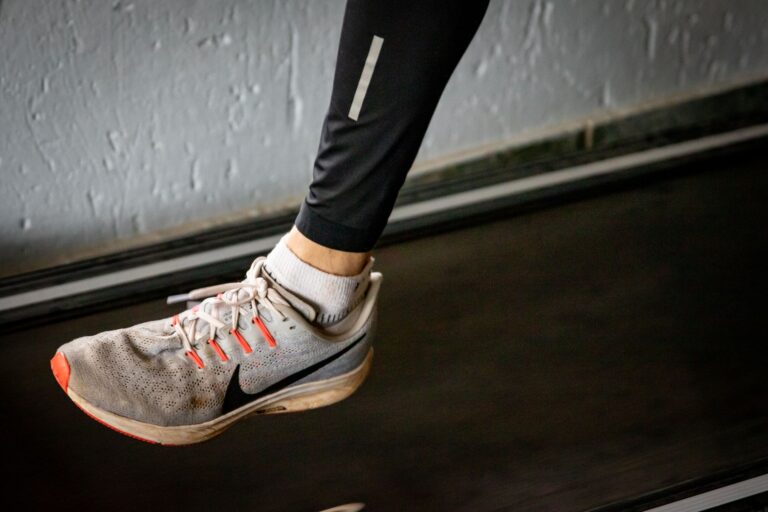
Lower-body power separates fast runners from those perpetually chasing speed. A structured 15-minute dumbbell program builds the explosive leg strength that translates directly to better pace sustainability, improved hill climbing, and faster sprint finishes. Unlike long, exhausting strength sessions, this focused routine fits before or after your regular run, targeting the quads, glutes, and hamstrings with compound movements that mirror running demands. Serious runners often neglect strength work, assuming that running volume alone builds the legs they need.
This is a critical gap. A runner hammering out steady-state miles strengthens primarily the slow-twitch muscle fibers that sustain endurance. Dumbbell training activates the fast-twitch fibers responsible for acceleration, power output, and injury resilience. Consider a 5K runner struggling on the final 800 meters: that deteriorating pace isn’t always about cardiovascular fitness—it’s often depleted power reserves.
Table of Contents
- Why Do Serious Runners Need Explosive Lower-Body Strength?
- The 15-Minute Dumbbell Program Structure and What It Targets
- Essential Exercises for Running Power and Muscle Development
- Program Progression and Load Management for Runners
- Common Mistakes That Undermine Results and Risk Injury
- Recovery and Soreness Considerations for Running Athletes
- Integration With Your Existing Running Schedule
- Frequently Asked Questions
Why Do Serious Runners Need Explosive Lower-Body Strength?
Running power—the ability to generate force quickly—determines how efficiently you move at faster paces. Most runners build aerobic capacity without building the muscle recruitment patterns needed to sustain speed. A 10-mile steady run strengthens endurance pathways but leaves power development untouched. Dumbbell training fills this gap by forcing your legs to accelerate heavy loads, which teaches your nervous system to recruit more muscle fibers faster.
The biomechanical reality is direct: power correlates with running economy and speed. Studies on trained runners consistently show that those incorporating resistance training improve their pace without increasing training volume. The mechanism isn’t complex—stronger muscles produce more force per stride, which means either covering the same ground with less effort or moving faster with the same effort. A runner with weak glutes and quads fatigues quickly at high intensities because stabilizer muscles tire before primary movers.
The 15-Minute Dumbbell Program Structure and What It Targets
A time-efficient lower-body program compresses maximal stimulus into minimal volume by using compound movements—exercises that engage multiple joints and muscle groups simultaneously. Goblet squats, dumbbell lunges, and Romanian deadlifts accomplish in three exercises what isolation work would require six. The program pairs these with short rest intervals, creating both a strength and conditioning stimulus in a single session. The limitation here is critical: 15 minutes is an emergency session, not an ideal training stimulus. Runners treating this as a complete strength program will see modest returns.
The intent is supplemental work—something added to a running routine where the primary adaptation comes from running itself. A runner able to allocate 30 minutes to strength training would see markedly better results, with more sets, better recovery between sets, and the ability to add isolation work for lagging muscle groups. Beginners should start with lighter dumbbells and focus on movement quality. A common mistake is adding weight too quickly, which compromises form and reduces the benefit to stabilizer muscles. Many runners also perform this session immediately after a hard run when neural capacity is depleted, which diminishes power development. Placing it before the run or on an easy day ensures you’re lifting when your nervous system can generate force efficiently.
Essential Exercises for Running Power and Muscle Development
Goblet squats force the core and lower body to stabilize heavy loads while the quads drive upward, directly reinforcing the hip extension and knee drive needed for running. This single movement is non-negotiable; it’s probably the highest-return exercise for runners because it trains power and stability simultaneously. The dumbbell held at chest height also demands core tension, which transfers to better posture and efficiency when running. Single-leg dumbbell deadlifts train the posterior chain—the glutes, hamstrings, and lower back—while demanding balance and stability that mirrors single-leg running stance. One leg supports the body while the other extends, mimicking the running stride.
This exercise reveals asymmetries; if one leg is significantly weaker, that imbalance will show immediately. Unilateral work is harder to cheat than bilateral work, which is why it’s more effective but also why many runners skip it. Bulgarian split squats target the quads and glutes while demanding significant balance stability. A warning: this exercise is brutal and humbles most runners who try it. The rear leg elevated on a bench, the front leg stepping forward—this pattern loads the quad and glute intensely. Runners must ensure the front knee doesn’t drift inward and that the torso stays upright; poor form here not only reduces effectiveness but can aggravate the knee.
Program Progression and Load Management for Runners
Starting with lighter dumbbells and adding weight or reps every two to three weeks is the proven progression model. A runner using 20-pound dumbbells for goblet squats might move to 25 pounds after several sessions, then add an extra rep. The goal isn’t moving maximum weight—it’s building power and resilience. A runner who can barely complete 10 reps of a challenging weight is training differently than one performing 15 smooth, controlled reps. The former is training maximum strength; the latter is training power endurance.
The tradeoff between frequency and recovery must be respected. Runners doing hard intervals or long runs on specific days should avoid doing lower-body dumbbell work the same day. The nervous system and muscle glycogen compete for recovery resources. A practical schedule: lower-body dumbbell work on easy run days or rest days, never on the same day as tempo work or intervals. This ensures power training doesn’t compromise running performance and vice versa.
Common Mistakes That Undermine Results and Risk Injury
Momentum is the silent killer of effective strength work. Runners rushing through reps, bouncing at the bottom of squats, or using jerky range of motion reduce the muscular demand and transfer load to joints. Controlled negatives—the lowering phase of an exercise—matter as much as the lifting phase. A goblet squat should take two seconds down, one second up, preventing the rhythmic bouncing that feels faster but builds less strength. Another frequent error: doing this work with inadequate warm-up. Dumbbells demand more joint stability than running does, especially single-leg variations.
Cold muscles and joints don’t stabilize effectively, so an injury risk spike occurs. Ten minutes of light running, dynamic stretching of the hip and ankle, and easy practice sets with lighter dumbbells are mandatory. The warm-up isn’t wasted time; it’s injury prevention and neural preparation. Imbalanced programming within the 15 minutes is another pitfall. Some runners load up on quad-dominant exercises (squats and lunges) and neglect posterior chain work. This reinforces the quad dominance that already exists from running, potentially worsening muscle imbalances. The program must include hip-hinge movements—deadlifts and their variations—to tax the glutes and hamstrings equally.
Recovery and Soreness Considerations for Running Athletes
Soreness peaks 48 hours after novel strength stimulus, so runners new to dumbbell training should expect significant leg soreness in the days following their first sessions. This doesn’t mean the training wasn’t effective; it’s a normal response to new stimulus. However, performing intervals or long runs through significant soreness is counterproductive and risks injury.
The soreness diminishes rapidly with repeated sessions. Light activity accelerates recovery more than complete rest does. Easy running or walking on soreness days increases blood flow to damaged muscle fibers and speeds protein synthesis. Runners often mistake soreness for being “broken” and avoid all activity, which extends the adaptation phase unnecessarily.
Integration With Your Existing Running Schedule
The program works best when paired with periodized running training rather than imposed randomly. During a block focused on building aerobic base, the 15-minute dumbbell session complements the easy-run emphasis. During a block focused on race-pace workouts, the dumbbell work supports the nervous system demands of faster running.
A runner mid-marathon training cycle might perform the session once per week, while someone in off-season training might increase frequency to twice weekly. The specific dumbbell weight matters less than consistent progression. A runner performing the program with 15-pound dumbbells and progressing steadily builds more power over eight weeks than someone jumping to 35-pound dumbbells, struggling with form, and quitting. Starting conservatively and progressing methodically ensures the program becomes a sustainable addition to training rather than a brief experiment that ends in frustration or injury.
Frequently Asked Questions
How many times per week should I do this 15-minute dumbbell session?
Once or twice weekly is optimal for most runners. High training mileage runners benefit from once per week, while those in lighter training blocks can sustain twice weekly. More than twice weekly conflicts with running recovery.
What dumbbell weight should I start with?
Choose a weight that challenges the final two reps of each set but allows controlled movement throughout. If you’re unsure, start lighter—you can progress quickly.
Can I do this program on the same day as my hardest running workout?
Avoid it. Pair dumbbell work with easy runs or rest days to ensure both running and strength training receive adequate recovery resources.
Will this program make my legs too heavy or bulky?
No. The 15-minute format and running volume prevent significant muscle hypertrophy. You’ll gain strength and power without noticeable mass gain.
What if I experience knee pain during these exercises?
Stop immediately and assess movement quality. Usually knee pain signals form breakdown—the torso leaning forward, knee caving inward, or excessive forward knee travel. Reduce weight, focus on quality, and if pain persists beyond the session, skip this work for a few days.