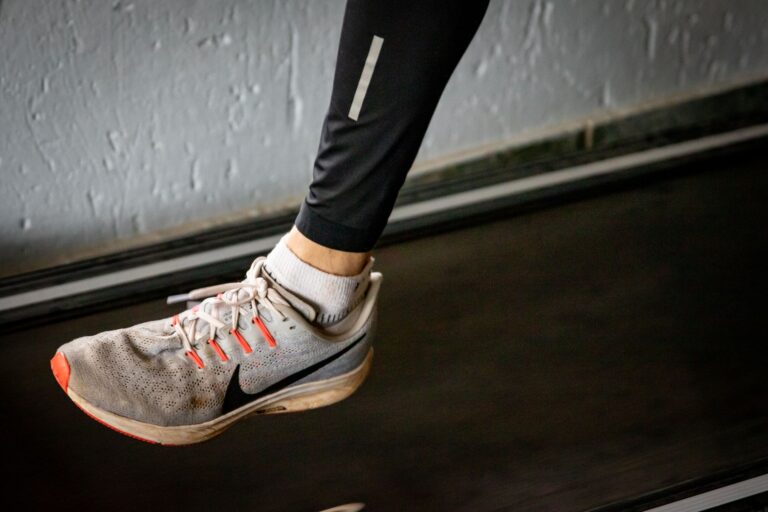
Saucony has designed performance running shoes that blend modern technology with the visual and functional language of its vintage heritage designs. These shoes represent a broader trend in athletic footwear where manufacturers are revisiting their archives not as nostalgia marketing, but as a source of proven design principles that worked across decades of competitive running. The approach takes specific elements from Saucony’s racing history—proportions, color blocking, and material combinations from models that shaped the brand’s reputation—and reinterprets them with contemporary cushioning systems and performance features.
This heritage-inspired direction differs from simple retro releases because the emphasis remains on contemporary performance. The vintage aesthetic serves as a design constraint that forces deliberate choices about silhouette and materials, rather than a selling point disconnected from function. Runners interested in these shoes are typically drawn to both the aesthetic coherence and the promise that a design philosophy proven over decades might inform better modern running dynamics.
Table of Contents
- Why Are Running Brands Returning to Vintage Design Language?
- The Balance Between Aesthetic Consistency and Performance Compromise
- How Vintage Proportions Affect Running Dynamics
- Choosing Between Vintage-Inspired and Modern Performance Shoes
- Common Expectations That Vintage-Inspired Shoes May Not Meet
- Material Technology Under the Retro Aesthetic
- The Role of Brand Heritage in Contemporary Running Footwear
- Frequently Asked Questions
Why Are Running Brands Returning to Vintage Design Language?
The resurgence of heritage-inspired designs in performance running shoes reflects a recognition that classic designs often solved real biomechanical and durability problems in efficient ways. Vintage Saucony racing models established proportions for heel-to-toe transitions, upper support patterns, and overall geometric balance that lasted through multiple shoe generations.
Rather than starting from scratch with each new season, designers can study what made those shoes stable and responsive, then apply modern materials to achieve similar principles with added cushioning or energy return. This approach also addresses a practical limitation of contemporary shoe design: the relentless pursuit of maximum cushioning and maximum innovation sometimes results in shoes that feel disconnected from running fundamentals. A heritage-inspired design implicitly asks: what if we kept the structure that made a shoe responsive and controlled, and only updated what genuinely needs updating? For example, a retro-proportioned upper might maintain arm position stability better than an aggressively sculpted modern design, even with modern fabrics and fit systems added.
The Balance Between Aesthetic Consistency and Performance Compromise
One limitation runners should understand is that vintage-inspired designs can sometimes constrain the engineer’s ability to solve contemporary problems optimally. If a shoe’s proportions are partially locked into a retro silhouette, designers might have to work around aesthetic constraints rather than designing purely for biomechanical efficiency. This is a legitimate tradeoff: you gain visual coherence and the ergonomic benefits of proven proportions, but you potentially sacrifice some flexibility to address individual fit quirks or novel technology integration.
Material selection becomes more complicated when maintaining a vintage aesthetic. A shoe designed in 1978 might have used leather and canvas because those were the available options, but a modern interpretation can use technical knits and synthetics while looking visually similar. The warning here is that “vintage-inspired” doesn’t mean the shoes perform like vintage shoes—they perform like contemporary shoes that happen to look classic. Some runners drawn to the aesthetic are surprised to find the cushioning behavior or responsiveness differs substantially from what they imagined a retro shoe would feel like.
How Vintage Proportions Affect Running Dynamics
Heel-to-toe offset (often called the drop) and overall shoe geometry strongly influence how your foot strikes and pushes off during running. Vintage racing shoes often featured more conservative drops and less aggressive rocker geometries than some contemporary models. A heritage-inspired design that preserves these proportions can create a different ground-feel compared to modern shoes engineered with aggressive transitions. This isn’t inherently better or worse, but it’s a tangible difference in how the shoe mediates between your foot and the ground.
Toe-box proportions differ notably between eras of shoe design. Older running shoes often featured broader forefoot boxes and less tapered toe sections than current trend designs. A shoe that restores these proportions might feel roomier in the midfoot or provide different lateral stability characteristics simply through geometry. Runners accustomed to modern, sculpted toe boxes sometimes need an adjustment period to running in heritage-proportioned shoes, but others find the roomier forefoot reduces pressure points during longer distances.
Choosing Between Vintage-Inspired and Modern Performance Shoes
The practical decision between heritage-inspired and contemporary design languages comes down to your running style and what sensations you prefer during a run. If you value ground feedback and a relatively direct foot-to-ground connection, vintage-proportioned shoes often deliver that more effectively than shoes engineered with maximum cushioning decoupling. If you prioritize maximum impact attenuation and active propulsion assistance, contemporary designs with aggressive rocker geometry and responsive foam compounds typically perform better.
Neither category is superior; they serve different priorities. Testing shoes in person remains essential because visual similarity doesn’t predict fit or feel. A heritage-inspired Saucony shoe might look visually clean and minimal compared to a contemporary competitor’s model, but the actual running experience—how the shoe guides your foot through the gait cycle, how it handles varying pace and distance—requires actual testing. Many runners buy based on aesthetic preference and then find the functional characteristics don’t match their expectations, so managing that gap requires trying shoes for a run, not just examining them.
Common Expectations That Vintage-Inspired Shoes May Not Meet
Many runners assume that because a shoe looks vintage, it will feel lightweight or minimal like older shoes did. This assumption frequently leads to disappointment because modern performance expectations demand more cushioning material, more structure, and more technical components than 1980s racing shoes contained. A heritage-inspired design might preserve silhouette and proportion, but the actual weight distribution and cushioning density are typically much higher than genuine vintage shoes. The weight savings of materials alone don’t offset the additional performance components embedded in modern shoes.
Another common expectation is that heritage designs will be easier to transition into because they’re “simpler.” In reality, simplicity of appearance doesn’t predict ease of adaptation. If a vintage-inspired shoe features a lower drop or more neutral rocker geometry than shoes you’ve been training in, your foot and leg muscles need an actual adaptation period. Warning: attempting to run high mileage immediately in a shoe with significantly different geometry, even if it looks straightforward and uncomplicated, can lead to overuse injury. Transition gradually, as you would with any structurally different shoe.
Material Technology Under the Retro Aesthetic
Modern vintage-inspired shoes use foam compounds and structural materials that simply didn’t exist in the original vintage era. The cushioning in a contemporary shoe labeled as heritage-inspired will typically use modern polyurethane or EVA formulations engineered for responsiveness and durability across thousands of miles.
This is invisible to the user—you see a retro silhouette but experience contemporary material performance. The upper materials might include modern breathable synthetics while maintaining a visual aesthetic that echoes older nylon-and-leather construction.
The Role of Brand Heritage in Contemporary Running Footwear
Saucony’s specific history as a running shoe manufacturer—decades of competing in middle-distance and distance events, establishing reputation through performance rather than fashion—informs what heritage designers can credibly reference. Unlike brands that only recently entered running, Saucony can point to specific shoe models with documented competitive use and reliable performance across multiple generations. This historical foundation means that vintage-inspired designs carry at least some functional validation rather than pure aesthetic borrowing from an era the brand wasn’t central to.
The practical effect is that runners choosing heritage-inspired models from Saucony are selecting shoes informed by legitimate performance history rather than arbitrary retro styling. The design decisions baked into the proportions and structure reflect actual solutions to problems runners faced. This doesn’t guarantee the shoe will suit your running style, but it means the vintage inspiration isn’t purely decorative—it’s functionally rooted in how running shoes can be structured to work effectively over the long term.
Frequently Asked Questions
Will a heritage-inspired running shoe fit the same as a modern running shoe from the same brand?
Not necessarily. Vintage-proportioned uppers and forefoot geometry often differ from contemporary models, so sizing and fit characteristics can vary significantly even within the same brand. Always test the specific model rather than assuming fit consistency.
Is a vintage-inspired shoe appropriate for competitive running or distance training?
Yes, if the shoe’s geometry and cushioning profile match your running style and biomechanics. The heritage aesthetic doesn’t determine performance capability; the underlying technology and construction do.
How should I transition to a vintage-proportioned running shoe?
Start by using the shoe for shorter runs while your foot adapts to potentially different drop, rocker geometry, or forefoot width. Rushing into high mileage in a structurally different shoe increases injury risk.
What makes a shoe “heritage-inspired” rather than just a retro reissue?
Heritage-inspired shoes use modern performance components while maintaining visual and geometric elements from earlier designs. Retro reissues typically replicate older shoe construction more closely, including outdated cushioning and materials.
Are heritage-inspired shoes more durable than contemporary designs?
Durability depends on materials and construction, not on whether a shoe is vintage-inspired. Modern shoes using modern materials typically last as long or longer than vintage-proportioned models.