
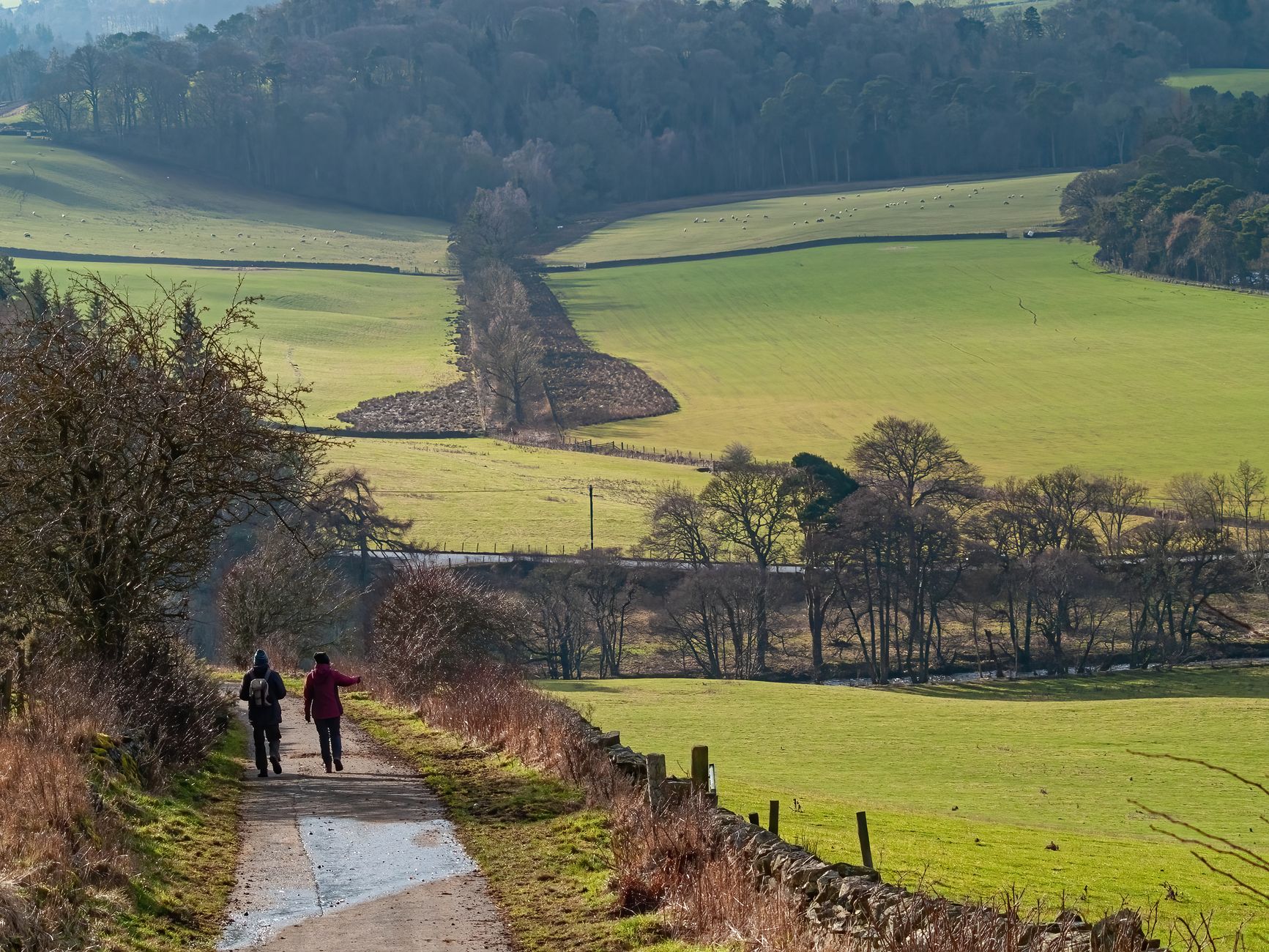
Walking hills strengthens your heart by forcing it to work harder against gravity, increasing your cardiovascular capacity in ways that flat-ground walking simply cannot match. When you climb an incline, your heart must pump more blood to your muscles, your breathing deepens, and your body activates larger muscle groups—all of which build cardiac resilience. A 50-year-old runner who switched from road running to hill walking three days a week saw her resting heart rate drop from 62 to 55 beats per minute within eight weeks, a measurable sign that her heart was becoming more efficient.
Hill walking is one of the few cardiovascular activities that delivers significant fitness gains while remaining accessible to a wide range of ages and fitness levels. Unlike high-impact sprinting or competitive running, which carries injury risk, sustained hill walking on natural or gentle grades provides progressive overload—the body’s primary mechanism for adaptation—without punishing your joints. The incline itself is the resistance, doing the work that expensive equipment or structured intervals might otherwise require.
Table of Contents
- How Does Hill Walking Improve Cardiovascular Fitness?
- Understanding the Physical Demands and Limitations of Hill Training
- Hill Walking and Blood Pressure Regulation
- Structuring a Sustainable Hill Walking Program
- Avoiding Common Hill Training Mistakes
- Recovery and Adaptation After Hill Sessions
- Making Hill Training Sustainable Long-Term
- Conclusion
How Does Hill Walking Improve Cardiovascular Fitness?
Your heart responds to hill walking by increasing stroke volume—the amount of blood it pumps with each beat—and by improving your body’s ability to extract oxygen from that blood. Over weeks and months, these adaptations mean your heart can deliver the oxygen your body needs with less effort, which is why consistent hill walkers often notice they recover faster after exercise and feel less winded during everyday activities like climbing stairs or carrying groceries. The mechanism is straightforward: climbing demands sustained effort at an elevated heart rate, usually between 70 and 85 percent of your maximum heart rate for most people. This zone is where aerobic adaptations happen most effectively.
Research has repeatedly shown that sustained aerobic activity at this intensity strengthens the heart muscle, improves blood vessel function, and increases the density of capillaries delivering oxygen to tissues. A runner training on flat terrain at a moderate pace might maintain a heart rate of 140 bpm, but the same person on a 5 percent grade often hits 160 bpm at the same perceived effort—that’s the difference in stimulus. Your body also becomes better at managing lactate during hill work, which is the metabolic byproduct that causes the burning sensation in your legs. When your body clears lactate more efficiently, you can sustain harder efforts longer, and this adaptation carries over into all your other running and cardiovascular activities.

Understanding the Physical Demands and Limitations of Hill Training
Hill walking is demanding work, and that’s both its strength and its limitation. The muscular effort required—particularly in your glutes, quadriceps, and calves—means hill walking places more stress on your lower body joints and connective tissues than flat walking does. Runners new to hills often experience muscle soreness for several days after their first session, and pushing too hard too fast can lead to tendinitis in the knees or Achilles tendons.
The gradient matters enormously. A 10 percent grade is dramatically harder than a 3 percent grade, not just in terms of effort but in terms of recovery demand. If you have any history of knee issues, very steep hills may aggravate them, which is why many runners prefer gradually rolling hills or sustained moderate grades rather than short, punishing climbs. Hill training also requires more fuel and hydration than flat running—your body burns significantly more calories—so haphazardly adding hill workouts to your training without adjusting nutrition can leave you fatigued and vulnerable to illness.
Hill Walking and Blood Pressure Regulation
Regular hill walking produces measurable improvements in resting blood pressure and in how your body manages sudden exertion. The repeated stimulus of climbing trains your blood vessels to expand and contract more efficiently, which translates to better blood flow regulation during both exercise and rest. A 55-year-old runner with a family history of hypertension who added one hill walk per week saw her resting blood pressure drop from 138/88 mmHg to 128/82 mmHg over three months, alongside her improved aerobic fitness.
Hill walking also appears to improve arterial stiffness—the hardening of blood vessel walls that contributes to cardiovascular disease. The repeated expansion and contraction of arteries during sustained effort seems to maintain their elasticity better than low-intensity activity alone. This is one reason why athletes who incorporate varied intensity, including hard hill work, often show better cardiovascular markers than those who do only easy, steady-state training.

Structuring a Sustainable Hill Walking Program
Building a hill-focused training plan requires patience and progression. The safest approach is to introduce one dedicated hill session per week while keeping your other runs or walks easy and flat. Start with a 15-minute hill walk at a steady, conversational effort—you should be breathing hard but able to speak a few words—then cool down with flat walking. Increase duration by no more than 10 percent per week, and every third or fourth week, take a slightly easier week to allow adaptation.
One practical progression looks like this: Week 1, 15 minutes of steady hill walking; Week 2, 18 minutes; Week 3, 20 minutes; Week 4, 16 minutes (easy week); then continue ramping. Alternatively, you can structure hill repeats—short, harder climbs with recovery periods—once you’re accustomed to steady hill efforts. A typical repeat session might include 5 hard 3-minute climbs with 2 minutes of easy walking recovery between repeats. The difference between these approaches is that steady hill walking builds aerobic capacity and muscular endurance, while repeats build power and speed. Most recreational runners benefit most from the steady-effort approach because it’s more forgiving and still delivers excellent results.
Avoiding Common Hill Training Mistakes
The most frequent error is ramping intensity or volume too quickly. Runners often return from their first hill session so pleased with their effort that they do another hard hill session the next day or increase their hill time by 50 percent. This leads directly to overuse injuries—usually knee pain or Achilles tendinitis—that sidelined the runner for weeks. Hill training demands recovery; your muscles and connective tissues need time to adapt. If you’re doing hill work once per week and your knees begin to ache during the session, that’s a sign to back off intensity, not volume.
Another mistake is poor downhill technique. Many runners focus so intently on climbing that they bomb down the other side, braking hard with their quads, which leads to soreness and injury. The descent should be controlled and intentional. Shorten your stride, keep your hips high, and let gravity do the work gradually rather than fighting it. This technique protects your joints and, counterintuitively, often feels easier than the aggressive braking approach most people instinctively use.

Recovery and Adaptation After Hill Sessions
Hill workouts deplete your glycogen stores and create more muscular damage than easy running, so recovery nutrition matters more than it does after easy efforts. Eating a meal with carbohydrate and protein within 90 minutes of finishing a hill session accelerates muscle repair and glycogen resynthesis. A runner who eats nothing after a hard hill session but eats well after an easy run is making a backwards choice—the hard session has a greater recovery need.
Sleep also becomes more important. Hard training stresses the body, and adaptation happens during sleep, when growth hormone rises and muscle protein synthesis accelerates. Consistent hill training combined with poor sleep will stall progress and elevate injury risk. If you’re adding regular hill work to your training, ensure you’re sleeping 7 to 9 hours per night, or at minimum prioritize consistent sleep over longer durations.
Making Hill Training Sustainable Long-Term
Hill training doesn’t need to be a specific phase of training; it can be a permanent part of your routine if varied appropriately. Some runners thrive with one dedicated hill session per week indefinitely. Others prefer cycling: eight weeks of consistent hill work, then four weeks of flatter training, then back to hills.
Varying the terrain and intensity prevents the mental staleness that can come from repeating the same route, and it allows different physiological systems to dominate in different training blocks. The long-term cardiovascular benefits of hill training are substantial and persistent. Athletes who have done regular hill work for years show better cardiovascular resilience, lower resting heart rates, and stronger performance across all running paces. Hill training is not a shortcut or a phase—it’s a legitimate, efficient way to build a strong heart and a robust aerobic system.
Conclusion
Walking hills improves heart health by creating a sustained, high-demand stimulus that strengthens the heart muscle, improves blood vessel function, and enhances your body’s ability to extract and use oxygen. The gains are measurable—lower resting heart rate, better blood pressure regulation, improved exercise capacity—and they appear within weeks if you train consistently.
Begin with one hill walk per week, progress conservatively, prioritize recovery and downhill technique, and treat hill training as a long-term component of your running practice, not a temporary phase. The investment in the discipline of regular hill walking returns dividends in cardiovascular fitness, injury resilience, and the practical benefit of feeling stronger and more capable during everyday physical demands.
1 thought on “Walking Hills for Better Heart Health”
Comments are closed.