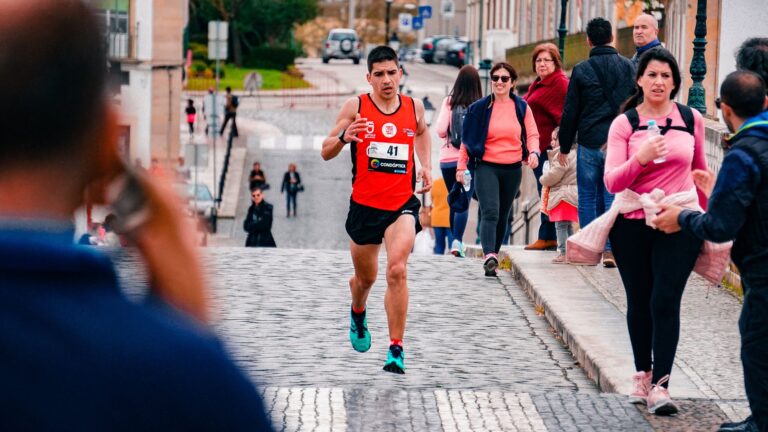
Hydration directly affects your heart rate during and after exercise—and the effect is measurable. When you’re dehydrated, your heart has to work harder to pump blood to your muscles and maintain oxygen delivery. Research shows that just a 1% loss of body weight through fluid loss increases heart rate by approximately 6 beats per minute during exercise. For a runner doing a 10-mile run in warm weather, this seemingly small increase compounds over time, forcing your cardiovascular system into overdrive while you’re already under stress. The good news is equally clear: maintaining proper hydration can reduce your exercise heart rate by about 6.2 bpm compared to running in a dehydrated state, allowing you to sustain effort at lower physiological cost.
The relationship between hydration and heart rate isn’t just theoretical—it’s a fundamental compensation mechanism your body employs under stress. When blood volume drops due to fluid loss, your stroke volume (the amount of blood your heart pumps with each beat) decreases. To maintain the same cardiac output needed for muscle work, your heart has to beat faster. This faster heart rate during exercise isn’t a sign of improved fitness; it’s a warning that your cardiovascular system is struggling to meet demand with reduced resources. Understanding this relationship can change how you approach training hydration and help you maintain more efficient cardiovascular performance.
Table of Contents
- How Dehydration Increases Heart Rate
- The Cardiovascular Compensation Mechanism
- Heart Rate During Exercise and Hydration
- Practical Hydration Strategies for Runners
- Recovery Heart Rate and Rehydration
- Electrolytes and Hydration Beyond Water
- Long-Term Cardiovascular Adaptations from Consistent Hydration
- Conclusion
How Dehydration Increases Heart Rate
When you lose fluids through sweat during running, your blood volume decreases almost immediately. This reduction in circulating volume means less blood returns to the heart with each beat, directly lowering stroke volume. Your body detects this change through baroreceptors and triggers sympathetic nervous system activation—essentially putting your cardiovascular system into a higher alert state. The research is precise on this: a 1.64% loss of body weight through dehydration causes approximately a 20 bpm increase in heart rate, depending on exercise intensity and environmental conditions. For a 150-pound runner, that’s only 2.5 pounds of fluid loss—an amount you might lose in 45 minutes on a moderately warm day. The sympathetic activation triggered by dehydration isn’t just about heart rate. Your body constricts blood vessels to peripheral tissues to prioritize blood flow to your core and brain, raises blood pressure attempts to compensate for lower volume, and increases stress hormone release.
All of these responses work together, and all of them increase heart rate. A meta-analysis spanning 20 peer-reviewed studies found that fluid ingestion during exercise reduces heart rate by an average of 6.2 bpm compared to dehydration protocols in the same athletes. That might sound small until you consider a 20-mile training run: that 6 bpm difference means 120 additional heartbeats per mile, or 2,400 extra beats over the entire run. Your heart is literally working thousands of times more over a single session. What makes this particularly important for runners is that elevated heart rate from dehydration isn’t the same as elevated heart rate from improved conditioning. When you’re properly hydrated, a faster heart rate during hard efforts is normal and reflects your cardiovascular system working efficiently. When you’re dehydrated, that faster heart rate reflects your system struggling. You’ll reach higher heart rates at lower speeds, which creates a false sense of effort—you feel like you’re working harder than you actually are, which often leads to pacing errors or premature fatigue.

The Cardiovascular Compensation Mechanism
Your cardiovascular system has limits on how much it can compensate for fluid loss. As dehydration progresses, your heart has to work at higher percentages of its maximum capacity just to meet baseline exercise demands. The relationship between body weight loss and heart rate is roughly linear in the range most runners experience. Lose 1% of body weight, and your heart works to increase output. Lose 3%, and that compensation becomes increasingly difficult. Beyond 3-4% dehydration, your body begins to fail at full compensation—heart rate continues to rise, but cardiac output actually decreases. This is the threshold where performance starts to drop noticeably, and where heat illness risk increases significantly. A key limitation to understand: your cardiovascular system’s ability to compensate depends on fitness level, heat acclimatization, and individual genetics. A well-trained runner might maintain performance with 2% dehydration, while an untrained person might show significant drops at 1.5% dehydration.
This is why hydration strategy isn’t one-size-fits-all. Additionally, the heart rate increase from dehydration happens faster in heat than in cool conditions. Intestinal temperature increases approximately 0.22°C for every 1% additional body mass loss during dehydration, and higher core temperature further stimulates sympathetic nervous system activation—creating a compounding effect. A runner training in 85°F heat will see heart rate spikes from dehydration much faster than one running in 60°F weather. One often-overlooked limitation: relying on heart rate as your primary training metric becomes unreliable when you’re dehydrated. If you’re doing a tempo run or interval workout based on target heart rate zones, dehydration will artificially elevate your zones. What you believe is a “zone 4” effort might actually be a “zone 5” effort due to the dehydration-driven heart rate increase. This is why runners often report that their heart rate zones feel off on hot days—it’s not just perception, it’s physiology. Proper hydration keeps your heart rate response predictable and your training data meaningful.
Heart Rate During Exercise and Hydration
The protective effect of hydration on heart rate appears most dramatically during sustained exercise in warm conditions. Research comparing hydrated versus dehydrated athletes shows that hydration not only reduces absolute heart rate but also improves heart rate stability throughout a workout. A properly hydrated runner maintains more consistent cardiovascular work, whereas a dehydrated runner shows progressive heart rate drift—their heart rate climbs steadily upward even if they maintain the same pace. This drift is what makes late-workout efforts feel progressively harder, even though you’re running the same speed. During moderate-to-high intensity exercise in heat, proper hydration protocols reduce heart rate by 6.2 bpm compared to dehydration. But hydration does something else equally valuable: it prevents skin temperature from rising as quickly. Your body uses sweating for temperature regulation, and that evaporative cooling is more effective when you have adequate fluid reserves.
When you’re dehydrated, sweating becomes less effective, your core temperature rises faster, and your heart rate rises with it. Hydration essentially lets your body’s cooling system work properly, which indirectly reduces the heart rate burden. Some research suggests that glycerol-enhanced hydration—adding glycerol to your fluid intake—produces even faster rehydration and better heart rate recovery dynamics, though this is less practical for typical runners. A practical consideration: the timing of hydration during exercise matters for heart rate response. Drinking fluid 10-20 minutes before exercise reduces the dehydration-driven heart rate increase you’d experience in the first 30 minutes. Drinking during exercise prevents the progressive heart rate drift that characterizes dehydrated exercise. The fluid doesn’t have to be absorbed instantly to be effective—just the act of increasing blood volume begins the compensation process. However, there’s a tradeoff: drinking too much too quickly can cause gastrointestinal distress, which triggers its own sympathetic response and can temporarily elevate heart rate.

Practical Hydration Strategies for Runners
The American College of Sports Medicine provides evidence-based guidelines for pre-exercise, during-exercise, and post-exercise hydration that directly support heart rate efficiency. Pre-exercise, aim for 16-24 fluid ounces of fluid within two hours before running, then an additional 7-10 fluid ounces about 10-20 minutes before starting. This front-loads your fluid reserves, ensuring you begin your run closer to peak blood volume. For a morning runner who hasn’t hydrated well overnight, this pre-run hydration protocol can reduce exercise heart rate by 3-4 bpm compared to running in a dehydrated state from overnight fluid loss. During exercise lasting more than 60 minutes, you should aim for 6-12 fluid ounces every 10-20 minutes. For runs longer than 90 minutes, electrolyte drinks (containing sodium and carbohydrates) are superior to water alone for maintaining blood volume. Sodium signals your body to retain fluid, making hydration more efficient.
Carbohydrates provide energy, which reduces the metabolic stress component that also drives heart rate. The specific amount depends on sweat rate, which varies widely—a heavy sweater in 85°F heat might need 12 oz every 15 minutes, while a lighter sweater in 60°F weather might only need 6 oz every 20 minutes. Finding your personal sweat rate is one of the most valuable training investments you can make for heart rate management. Post-exercise rehydration follows a simple formula: replace 1 pound of body weight lost with 16-24 fluid ounces of fluid within 2 hours after finishing. Many runners underestimate their fluid loss—if you weighed 150 pounds before a run and 147 afterward, you lost 3 pounds (approximately 48 ounces of fluid). You’d need to drink at least 48-72 fluid ounces over the next two hours to fully rehydrate. This isn’t just about comfort; proper rehydration directly supports your heart rate recovery. The tradeoff is that drinking large volumes at once can feel uncomfortable, which is why post-exercise hydration is best done gradually over your cooldown and recovery period.
Recovery Heart Rate and Rehydration
Your heart rate recovery after exercise—how quickly your heart rate drops in the minutes after you stop running—is a marker of cardiovascular health and parasympathetic nervous system function. Dehydration impairs this recovery. Athletes who are dehydrated show slower heart rate recovery, with elevated heart rate persisting for 30+ minutes after exercise ends. Rehydration reverses this effect. Even drinking 500 milliliters (about 17 fluid ounces) of water post-exercise increases cardiac vagal reactivation, which is the parasympathetic response that brings your heart rate down. This means proper hydration doesn’t just matter during exercise—it affects your recovery physiology for hours afterward.
The mechanism involves baroreceptor feedback. When you drink fluid and your blood volume increases, baroreceptors detect this normalization, and parasympathetic tone increases while sympathetic tone decreases. Your heart rate drops, your blood pressure stabilizes, and your nervous system shifts from “exercise mode” to “recovery mode.” This is why elite endurance coaches place such emphasis on post-run hydration—it’s not just about preparing for the next workout, it’s about optimizing your recovery physiology. Athletes who maintain consistent hydration show lower resting heart rates over time, not just lower heart rates during exercise. A limitation worth noting: if you wait too long to rehydrate after exercise, your body begins compensatory mechanisms that make full rehydration more difficult. Continued sweating, ongoing sympathetic activation from the exercise bout, and changes in hormone levels (particularly increased antidiuretic hormone) can reduce your fluid intake effectiveness if you delay rehydration beyond an hour after finishing. This is why the window for optimal rehydration is within the first 2 hours post-exercise, with the first 30 minutes being particularly effective for heart rate recovery improvement.

Electrolytes and Hydration Beyond Water
While water is the foundation of hydration, electrolytes—particularly sodium—are crucial for heart rate management during prolonged exercise. Sodium doesn’t just taste good in sports drinks; it serves a physiological function. Sodium increases blood osmolality, which signals your kidneys to conserve fluid rather than excreting it. This means sodium-containing drinks help you retain more of the fluid you consume, maintaining blood volume more effectively than water alone. Studies show that sodium-enhanced fluids reduce heart rate approximately 2-3 bpm more effectively than plain water during exercise lasting over 90 minutes.
For runs shorter than 60 minutes, water alone is generally sufficient unless you’re in extreme heat or have a very high sweat rate. For longer runs, a drink containing 400-800 milligrams of sodium per liter, plus 6-8% carbohydrates, is optimal for both heart rate management and performance. The carbohydrate component maintains blood glucose, which reduces metabolic stress-driven heart rate elevation. Some research suggests that combining carbohydrate and sodium is more effective than either alone at maintaining stable heart rate during endurance exercise. The practical tradeoff: electrolyte drinks are more expensive than water and may cause gastrointestinal issues in some runners if consumed too quickly.
Long-Term Cardiovascular Adaptations from Consistent Hydration
Runners who consistently maintain proper hydration show improvements in resting heart rate and heart rate variability over weeks and months. These aren’t just training adaptations—they reflect cardiovascular system improvements that come from avoiding repeated dehydration stress. Your heart is a muscle, and like all muscles, it adapts to the demands placed on it. When you train while consistently dehydrated, your heart adapts to work under stroke volume constraints.
When you train while properly hydrated, your heart can work under optimal conditions, leading to greater aerobic adaptations. The forward-looking insight is worth considering: as climate change increases average temperatures and heat wave frequency, understanding hydration’s effect on heart rate becomes increasingly important for runner safety. Runners training in gradually warming climates may not consciously recognize they’re training dehydrated more often than they used to, but their cardiovascular systems will register the chronic stress. Maintaining proactive hydration habits isn’t just about performance—it’s about maintaining cardiovascular health in an environment that’s becoming progressively more challenging for endurance exercise.
Conclusion
Hydration’s effect on heart rate is one of the most direct and measurable relationships in exercise physiology. A 1% loss of body weight through dehydration increases your heart rate by approximately 6 bpm during exercise, while proper hydration can reduce heart rate by 6.2 bpm compared to dehydrated conditions. This difference compounds over long runs, affecting both performance and the stress placed on your cardiovascular system.
Understanding this relationship transforms how you think about hydration—it’s not just about thirst or fluid replacement, it’s about optimizing the fundamental pump that powers your running. The practical steps are clear: hydrate strategically before exercise with 16-24 ounces within two hours plus 7-10 ounces 10-20 minutes before; drink 6-12 ounces every 10-20 minutes during runs over 60 minutes; and rehydrate with 16-24 ounces per pound of weight lost within 2 hours after finishing. These protocols aren’t arbitrary—they’re based on research spanning thousands of athletes and designed to keep your heart rate response efficient and your cardiovascular system working under optimal conditions. Start tracking your hydration patterns and sweat rate, then adjust your strategy based on how your heart rate responds on different training days.