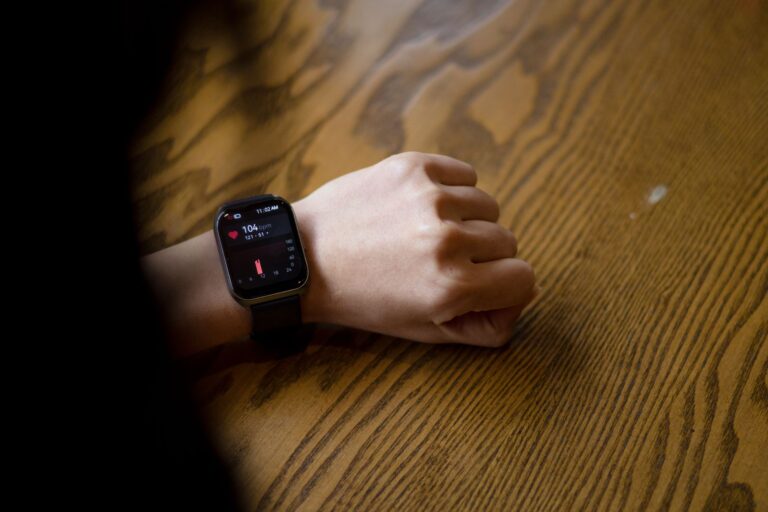
Caffeine before cardio can improve your running performance, but the benefit depends on your tolerance, timing, and training goals. A typical dose of 100–200 mg of caffeine—roughly one cup of coffee—taken 30 to 60 minutes before a run can enhance endurance, reduce perceived effort, and delay fatigue, which is why many runners use it as a pre-cardio tool. The catch is that caffeine affects everyone differently, and taking it at the wrong time or in the wrong amount can leave you jittery, dehydrated, or dealing with digestive issues mid-run instead of reaping the performance gains.
Decades of sports science research confirm that caffeine works as a central nervous system stimulant, sharpening focus and lowering how hard your effort feels. For a 5K runner pushing for a PR or a marathoner facing mile 18, this psychological edge can translate into real speed. The challenge is understanding whether caffeine actually makes you run faster or simply makes running feel easier—and whether that distinction matters for your goals. This guide walks through what the research shows, how to time it right, and when caffeine might work against you.
Table of Contents
- Does Caffeine Really Make You Run Faster?
- How Much Caffeine Should You Take Before Running?
- The Timing Window and When Caffeine Peaks
- Pre-Cardio Caffeine Strategy for Different Run Types
- Common Side Effects and When Caffeine Backfires
- Caffeine Sensitivity and Genetics
- Looking Ahead: Caffeine as a Long-Term Training Tool
- Conclusion
Does Caffeine Really Make You Run Faster?
Yes, but the improvement is modest and measurable only under specific conditions. Studies show that caffeine can improve endurance performance by 2–3 percent on average, which sounds small until you realize that 2 percent on a 20-minute 5K is roughly 24 seconds. For elite runners, that’s the difference between a personal record and a missed opportunity. The effect is most pronounced in longer cardio efforts—runs lasting 30 minutes or more—where mental fatigue starts to compete with physical fatigue. The mechanism isn’t that caffeine makes your legs stronger or your heart pump harder. Instead, it blocks adenosine receptors in your brain, a neurotransmitter that signals fatigue and makes you feel tired.
By masking that signal, caffeine lets you maintain a harder pace without that sensation catching up to you. Your heart rate and oxygen consumption don’t change dramatically, but your perception of effort drops, which allows you to run faster or longer before hitting the wall. A runner might describe this as “getting out of their own head” during a tough workout. However, caffeine doesn’t help everyone equally. Responders—runners whose genetics allow them to metabolize caffeine efficiently—see the full benefit. Non-responders, who break down caffeine slowly or have caffeine-sensitive nervous systems, may feel the jitters without the speed boost. There’s no way to know which category you fall into except by experimenting during training, never during a race you care about.
How Much Caffeine Should You Take Before Running?
The optimal dose for most runners is 3–6 mg of caffeine per kilogram of body weight, taken 30 to 60 minutes before your run. For a 70 kg runner, that translates to 210–420 mg, but starting low and working up makes sense. A single cup of black coffee (95–200 mg) or a standard espresso (63–75 mg per shot) puts you in the sweet spot for a tempo run or easy long run. If you’re aiming for a high-intensity interval session or a race, you might push toward 200 mg, but exceeding 400 mg offers diminishing returns and increases the risk of side effects. Timing matters as much as dose. Caffeine reaches peak blood levels 30 to 60 minutes after consumption, so planning your pre-run caffeine intake to align with when you actually start moving maximizes the effect. Taking caffeine 15 minutes before a run wastes some of its peak window; waiting 90 minutes means you’re running on the downslope.
Coffee takes longer to absorb than caffeine pills because the digestive system has to break down the whole beverage, while a gel or tablet hits your system faster. A runner doing a 7 a.m. run might drink coffee at 6:30 a.m.; one starting at noon might time it differently based on breakfast timing and when their stomach is settled. One critical warning: caffeine is dehydrating and stimulates urine production, so it’s easy to start your run already behind on hydration. This effect is amplified if you’re sensitive to caffeine or if you’re not accustomed to it. A runner who normally skips caffeine and suddenly consumes 200 mg before a 10-miler might face urgency mid-run or hit the wall earlier because the diuretic effect has dried them out. Building tolerance gradually during easy runs, not race day, is essential.
The Timing Window and When Caffeine Peaks
Caffeine’s window of effectiveness is roughly 3 to 5 hours, but the sweet spot for running—where levels are high and side effects are minimal—is the first 90 minutes. Your body’s baseline caffeine tolerance also matters. A runner who drinks coffee every morning has a higher threshold and may need a larger dose to feel the same effect compared to someone who rarely consumes caffeine. This means a “standard” dose isn’t actually standard; it’s individual. Consider a runner preparing for a half-marathon. They might consume 150 mg of caffeine at 6:45 a.m.
for a 7:15 a.m. start, hitting peak levels right as they cross the starting line. The same runner racing a 10K might take the same dose 20 minutes earlier if their pre-race routine includes a bathroom stop or a warm-up jog. Runners training early in the morning often drink coffee as part of their wake-up routine anyway, so the timing falls naturally into place. The problem arises for runners who train late or race in the evening; a dose taken too early wears off before the critical push, while one taken closer to race time can interfere with sleep that night if the run lasts into late afternoon. Individual metabolism also means that someone with fast caffeine clearance might feel the effects peak and fade within two hours, while someone with slow metabolism might feel slightly wired for four hours or more. Genetics, age, medications (especially birth control), and liver function all influence caffeine metabolism, making prediction difficult without personal testing.

Pre-Cardio Caffeine Strategy for Different Run Types
For an easy, conversational-pace run, caffeine offers minimal benefit and isn’t worth the hassle. The cardiovascular system isn’t being stressed hard enough for caffeine to make a meaningful difference, and you risk using up your caffeine tolerance on runs where you don’t need the edge. Save it for workouts and races where intensity demands mental resilience. For tempo runs, track workouts, and races, caffeine shines. A runner doing 4x800m repeats at 5K pace will feel the caffeine kick in during the second or third repeat, where mental fatigue usually starts creeping in.
By blunting the “this hurts” signal, caffeine can help you hold pace when your body is screaming to back off. The comparison is real: one runner on caffeine might hold 5:30/km pace through the final 800m, while the same runner without caffeine might slow to 5:45/km from fatigue perception alone. The tradeoff is habituation. Running hard with caffeine every single week trains your nervous system to expect that chemical aid, potentially making you feel flat or sluggish on caffeine-free hard workouts. Some coaches recommend cycling caffeine—using it strategically for key workouts or races, not as a crutch for every Tuesday track session—to preserve its effectiveness and avoid dependency.
Common Side Effects and When Caffeine Backfires
Gastrointestinal distress is the most common caffeine-related problem during cardio. Caffeine stimulates gastric acid and bowel motility, so a runner who consumes coffee on an empty stomach or who isn’t accustomed to caffeine might face cramping, loose stools, or the urge to use the bathroom mid-run. This isn’t just uncomfortable; it can torpedo a workout. A runner doing a 10-miler in a rural area without access to a toilet has no good options if caffeine triggers an urgent bathroom need 4 miles in. The jitters—trembling hands, elevated heart rate at rest, or anxiety—are another red flag. A runner with pre-existing anxiety or someone taking their first 200 mg dose might find that caffeine amplifies baseline nervousness rather than sharpening focus.
This is especially problematic before a race, where anxiety is already high; adding caffeine-induced jitters on top can make you feel out of control. The solution is testing during training runs, not the race itself, and starting with lower doses (75–100 mg) to gauge personal response. Caffeine can also disrupt sleep quality if consumed too close to bedtime, which matters for runners who train in late afternoon or evening. Poor sleep undermines recovery and adaptation, so the performance boost from a pre-run caffeine hit might be offset by degraded sleep that night. A runner doing a 5 p.m. run with 200 mg of caffeine might find themselves wired at 10 p.m., unable to fall asleep despite physical fatigue, leading to a compromised night of rest and sub-par performance the next day.

Caffeine Sensitivity and Genetics
About 40 percent of the population is caffeine-sensitive due to genetic variations in cytochrome P450 enzymes that metabolize caffeine. These slow metabolizers feel the effects of caffeine longer and more intensely, sometimes experiencing anxiety or sleep disruption from doses that barely register for fast metabolizers. A runner who is a slow metabolizer might feel shaky and unfocused from 100 mg, while their training partner needs 200 mg to feel any effect. There’s no blood test a runner can take to know their category ahead of time; experimentation is the only way.
Age and sex also influence caffeine response. Women are often more sensitive to caffeine than men, and older runners may metabolize it less efficiently than younger ones. Hormonal fluctuations in the menstrual cycle also affect caffeine sensitivity; some women notice the same dose of caffeine feels stronger during certain phases of their cycle. Building awareness of your personal caffeine response across different life circumstances—after good sleep versus poor sleep, mid-cycle versus menstruation, fed versus fasted—helps you use caffeine as a consistent performance tool rather than a variable wildcard.
Looking Ahead: Caffeine as a Long-Term Training Tool
As runners get faster and more experienced, caffeine becomes less of a performance multiplier and more of a fine-tuning tool. An elite marathoner relying on caffeine for the last 10 kilometers of a race is using it strategically to protect pace when glycogen is depleted and central fatigue sets in. That same runner likely doesn’t use caffeine in easy miles or early in the race, preserving its psychological edge for when it matters most.
The future of caffeine use in running looks toward personalized protocols based on genetic testing, chronotype (whether you’re naturally a morning or evening person), and individual race strategies. As wearable technology and sports science advance, runners might soon be able to time caffeine intake not just based on gut feel but on real-time biometric feedback. For now, the best practice remains the oldest: experiment in training, identify what works for your body and your goals, and deploy caffeine deliberately, not casually.
Conclusion
Caffeine before cardio can sharpen your mental edge and help you run faster on hard efforts, but it’s a tool that works best when personalized to your genetics, timing, and tolerance. A 100–200 mg dose taken 30 to 60 minutes before an intensity workout or race is a reasonable starting point, but only if you’ve tested it multiple times during training and know your personal response.
The 2–3 percent performance gain might seem modest, but in running, a few seconds often separate personal records from near-misses. Your next step is to pick one moderate-intensity run this week—a tempo run or short interval session—and experiment with 100 mg of caffeine. Pay attention to how you feel during and after the run: does your pace feel easier? Do you complete reps stronger? Or do you experience jitters, stomach trouble, or difficulty sleeping? This one experiment will teach you more about caffeine’s effect on your cardio than any article can, and it will form the foundation of a smarter, personalized fueling strategy for running.