
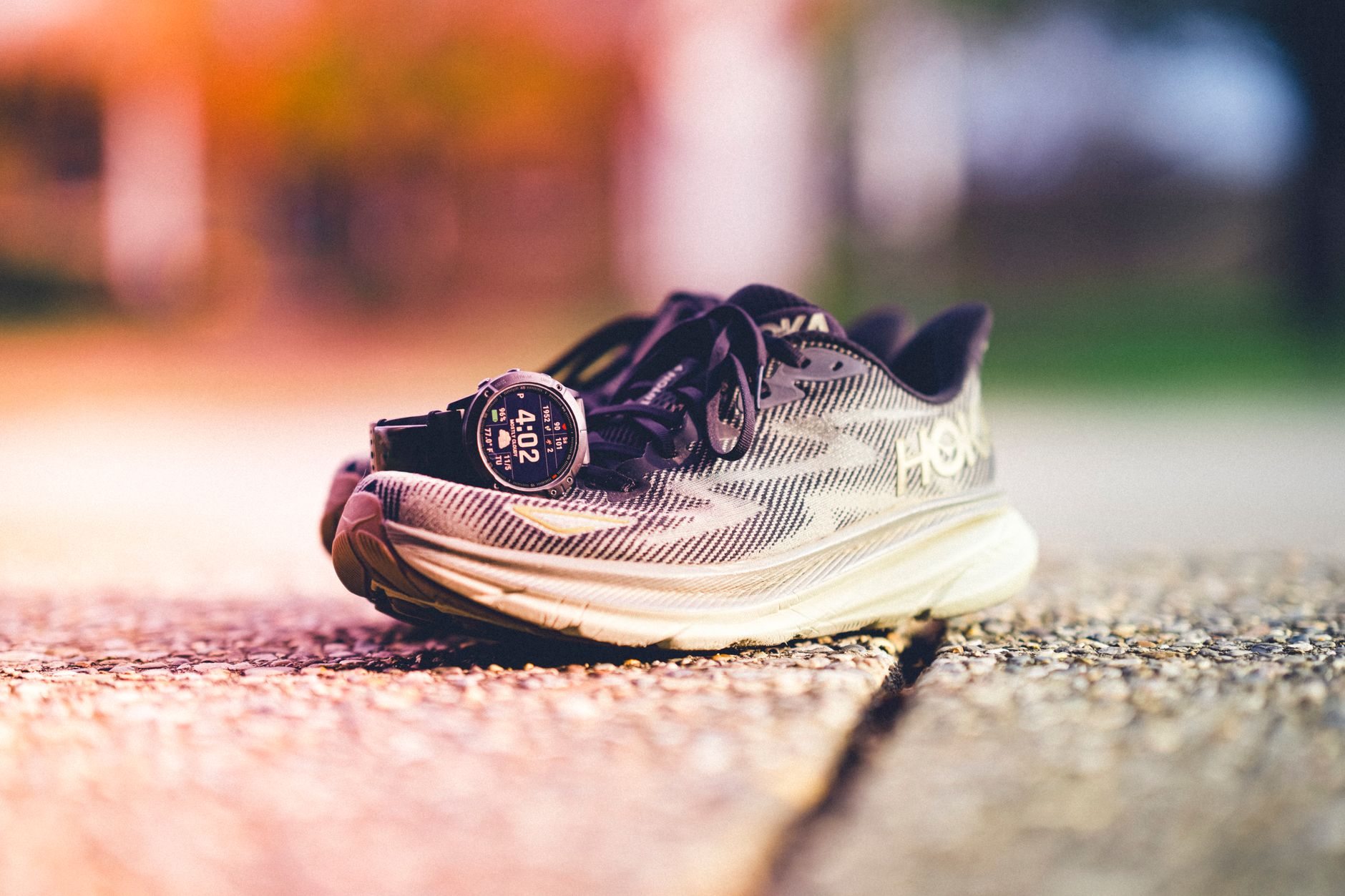
The Forerunner metrics that best predict running longevity are estimated VO2 max, resting heart rate trend, HRV Status, and Training Status. VO2 max means maximum milliliters of oxygen per minute per kilogram at maximal effort, and the other three show whether your body tolerates steady aerobic work. For adult runners, longevity means more healthy training years, not one fast race. These metrics work best as multi-week trends that guide consistent training and timely recovery.
Medical information disclaimer: This article is for general educational purposes only and does not provide medical advice, diagnosis, or treatment. Always consult a physician or other qualified health professional about symptoms, medications, tests, or treatment decisions.
Table of Contents
- What does VO2 max tell you?
- Why track resting heart rate for years?
- Can HRV Status guide recovery?
- How should you read Training Status?
What does VO2 max tell you?
Garmin explains that Forerunner watches estimate VO2 max using wrist heart rate plus outdoor GPS running. The watch shows a number, description, and trend in Garmin Connect, as described in the Garmin VO2 max guide. The American Heart Association recommended in a 2016 scientific statement that doctors assess cardiorespiratory fitness routinely as a clinical vital sign.
The group linked low fitness, measured as VO2 max, to higher risk of cardiovascular disease, all-cause death, and several cancers. High fitness predicted much lower death risk in a large Cleveland Clinic study. Researchers followed 122,007 adults after treadmill testing for a median 8.4 years. Elite fitness carried about 80% lower adjusted all-cause mortality than low fitness, with no observed plateau, reported in the JAMA Network Open study.
Why track resting heart rate for years?
Resting heart rate reflects cardiac efficiency and total stress load. A lower, stable value over months often accompanies steady aerobic fitness. A rising value over years deserves attention, not panic.
Researchers found higher death risk when resting heart rate rose over time. In nearly 30,000 healthy adults, an increase over 10 years raised risk of death from all causes and from ischemic heart disease, according to JAMA as reported by Newswise. Watch the multi-month line in Garmin Connect rather than one morning reading.
Can HRV Status guide recovery?
HRV Status compares your 7-day average overnight heart-rate variability to your personal baseline. Garmin says Balanced means good training-recovery balance and stress resilience for the Forerunner 965, as described in the Forerunner 965 manual.
Unbalanced or poor signals fatigue, higher recovery need, or stress. Garmin positions Training Readiness, recovery time, sleep, HRV status, and acute load as a joint decision aid, according to its 2025 training-features blog. Use them together before hard sessions:.
- Train hard when HRV is Balanced, sleep was adequate, and readiness is high.
- Choose easy running, walking, or rest when HRV drops for several nights.
- Keep sleep wear regular so the baseline stays accurate.
How should you read Training Status?
Training Status labels include productive, maintaining, unproductive, overreaching, and peaking. Garmin derives them from changes in training load and VO2 max over weeks, as described in the Garmin training status guide. The feature needs one to two weeks of history with VO2 max runs or rides.
Treat these labels as estimates, not medical tests. Garmin notes that VO2 max and HRV need several minutes of moderate GPS activity, correct heart-rate and profile data, and regular sleep wear. Favor multi-week trends over single-day scores because laboratory spirometry remains the reference method. Wear the watch overnight consistently, keep your profile current, and change training only after a trend persists for weeks.