Cardiovascular researchers are watching something troubling in 2026: the mortality progress that saved thousands of American lives over decades is slowing and, in some cases, reversing. Coronary heart disease alone killed 371,383 Americans in 2026, making it the single largest contributor to cardiovascular death. For the first time in recent history, the long-term gains in mortality rates across major cardiovascular conditions—including heart attack, heart failure, and stroke—are stalling. This reversal represents the most significant cardio trend researchers are monitoring right now, and it’s forcing a complete rethinking of prevention and treatment strategies across the medical establishment.
The shift isn’t happening in a vacuum. Alongside this troubling mortality trend, researchers are simultaneously excited about unprecedented breakthroughs in how we understand, diagnose, and treat heart disease. The American Heart Association’s 2026 statistics update now includes an entirely new chapter dedicated to cardiovascular-kidney-metabolic syndrome, recognizing that these three systems don’t function in isolation. Meanwhile, sleep has finally joined diet and exercise as a pillar of cardiovascular health research. For runners and active people, these trends carry profound implications—what we thought we knew about preventing heart disease may need revision.
Table of Contents
- Why Are Cardiovascular Mortality Trends Reversing After Years of Progress?
- The Metabolic Connection—Why Researchers Now Track Cardiovascular-Kidney-Metabolic Syndrome Together
- Sleep Now Gets the Research Attention It Deserves in Cardiovascular Health
- Wearables and Mobile Technology—The #1 Trend Researchers Are Watching
- CRISPR, Artificial Intelligence, and Molecular Medicine—The Future of Cardio Treatment
- Persistent Risk Factors—Why Prevention Remains Incomplete
- What These Cardio Trends Mean for Runners and Active People
- Conclusion
Why Are Cardiovascular Mortality Trends Reversing After Years of Progress?
The reversal in cardiovascular mortality is happening across multiple conditions simultaneously. heart disease, MI, heart failure, peripheral artery disease, and stroke are all seeing slower mortality improvements or actual increases in 2026, a pattern that breaks decades of consistent decline. This isn’t because we’ve forgotten how to treat heart disease—it’s more complex. researchers point to several contributing factors: untreated hypertension remains rampant among U.S.
adults, diabetes continues to spread, obesity rates haven’t plateaued, high cholesterol goes unmanaged in millions of people, and cigarette smoking, while declining overall, persists as a major risk factor. The gap between what we know works and what people actually do represents a critical research focus. Prevention strategies like statins, blood pressure medications, and lifestyle changes have proven effective for decades, yet large portions of the population remain untreated or undertreated. Researchers are investigating not just the biology of heart disease, but the systemic and behavioral barriers preventing people from accessing and maintaining preventive care. For distance runners, this is particularly relevant: while regular aerobic exercise is one of the most powerful cardioprotective tools available, researchers are finding that exercise alone doesn’t overcome all risk factors, especially when other conditions like metabolic dysfunction, sleep deprivation, or untreated hypertension exist simultaneously.

The Metabolic Connection—Why Researchers Now Track Cardiovascular-Kidney-Metabolic Syndrome Together
One of the most significant conceptual shifts in cardiology research is the recognition that cardiovascular disease, kidney dysfunction, and metabolic problems aren’t separate health crises—they’re interconnected systems that influence each other. The 2026 Heart Disease and Stroke Statistics from the American Heart Association dedicated an entire new chapter to this syndrome, reflecting growing evidence that treating only the heart while ignoring metabolic health is incomplete medicine. This interconnected view has profound implications for how researchers now approach prevention.
Metabolic health—the ability to maintain normal blood sugar, blood pressure, and cholesterol levels while avoiding excessive inflammation—is emerging as the root cause affecting risk for type 2 diabetes, cardiovascular disease, obesity, fatty liver disease, and hypertension. A person can appear externally healthy and even be a regular runner, yet have significant metabolic dysfunction that’s silently damaging their cardiovascular system. Researchers are now recommending comprehensive metabolic assessment rather than simply checking cholesterol levels. This represents a limitation of the older, simpler approach to cardio health: runners who focused only on their VO2 max and ignored their insulin sensitivity or blood pressure control may have been missing critical warning signs.
Sleep Now Gets the Research Attention It Deserves in Cardiovascular Health
For the first time in 2026, sleep is being treated with the same research urgency and clinical weight as diet and exercise in cardiovascular health frameworks. This represents a major shift in how the American Heart Association and other organizations structure their recommendations. Historically, sleep has been an afterthought—the thing people would get to once they fixed their diet and added more running to their schedule. Researchers are now establishing that poor sleep is as significant a cardiovascular risk factor as smoking or high cholesterol.
The science behind this trend is compelling: chronic sleep deprivation increases inflammation, disrupts blood pressure regulation, impairs glucose metabolism, and triggers sympathetic nervous system activation—essentially putting cardiovascular stress on the body even during rest. For active people, this creates an important tension: intense training without adequate recovery and sleep can actually increase cardiovascular stress rather than reduce it. Runners who wake up early for 5 a.m. workouts but don’t get seven to nine hours of sleep may be working against their cardiovascular health despite their training discipline. Researchers are now building this into their prevention protocols, investigating optimal sleep durations, sleep architecture, and how sleep quality interacts with exercise benefits.

Wearables and Mobile Technology—The #1 Trend Researchers Are Watching
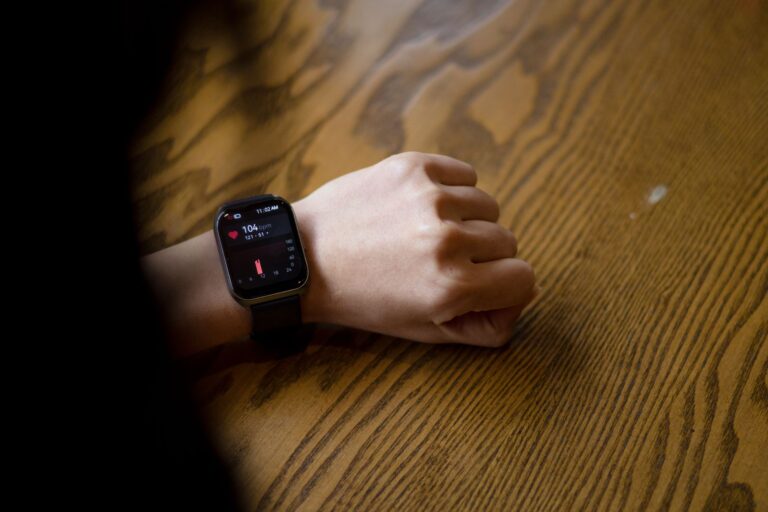
Wearable technology has emerged as the top fitness and health research trend according to a 2026 American College of Sports Medicine survey of 2,000 clinicians and researchers. Fitness trackers, heart rate monitors, and smartwatches are no longer considered novelty gadgets—they’re now research-grade tools providing continuous data on cardiovascular function, activity patterns, and recovery metrics. This represents a fundamental shift in how researchers can study real-world cardio health outside of clinic visits. Programs for older adults rank as the second major trend, followed by exercise for weight management, mobile exercise apps, and balance and core strength work.
For runners specifically, the integration of wearables with mobile apps is enabling researchers to track how heart rate variability, resting heart rate trends, and training load accumulation correlate with cardiovascular health markers. One limitation to be aware of: the data from consumer wearables, while useful, isn’t yet standardized or validated to the same degree as clinical measurements. A smartwatch showing a 60 bpm resting heart rate might be accurate, or it might be off by five to ten beats depending on the device and how it’s worn. Researchers are working to validate these devices, but clinicians still recommend correlating smartwatch data with occasional clinical measurements rather than relying solely on wearable readings.
CRISPR, Artificial Intelligence, and Molecular Medicine—The Future of Cardio Treatment
The most cutting-edge cardiology trend researchers are following involves molecular and technological interventions that seemed like science fiction just five years ago. CRISPR gene editing technology is emerging as a potential treatment for inherited cardiovascular diseases and certain acquired conditions. Simultaneously, artificial intelligence is being applied to cardiac imaging, with AI algorithms now matching or exceeding human radiologists in detecting subtle signs of heart disease on CT and MRI scans. These tools aren’t yet mainstream, but they represent where cardiology research is heading. Another significant development is the HeartMap Atlas—a comprehensive mapping of 2.4 million cells from both healthy and diseased hearts.
This cellular atlas enables researchers to understand disease mechanisms at an unprecedented resolution and may lead to targeted treatments addressing specific cell types involved in heart failure or arrhythmias. GLP-1 receptor agonist medications, initially developed for diabetes, are gaining serious research attention for cardiovascular protection benefits beyond blood sugar control. Remote hemodynamic monitoring technology is also advancing, allowing researchers and clinicians to track heart function parameters continuously. The limitation here is practical: these breakthrough technologies are early-stage, expensive, and not yet widely available. For most runners reading this, the immediate benefits remain several years away, though they signal an exciting direction for future cardiovascular medicine.

Persistent Risk Factors—Why Prevention Remains Incomplete
Despite decades of cardiovascular research and available treatments, hypertension, diabetes, obesity, high cholesterol, and cigarette smoking remain stubbornly prevalent among U.S. adults in 2026. The gap between knowledge and implementation is a major focus of current research. We know that treating hypertension prevents stroke and heart attack; we know that statins reduce cardiovascular events in high-risk patients; we know that weight loss reduces multiple cardiovascular risk factors.
Yet millions of Americans remain untreated or undertreated for these conditions. Researchers are investigating not just the pharmacology and physiology of these risk factors, but also the systemic barriers preventing people from accessing care and the behavioral challenges that make people abandon treatment plans. For someone training for a marathon, managing underlying hypertension or metabolic dysfunction requires attention that extends beyond running miles. A runner with uncontrolled diabetes faces cardiovascular risks that aerobic fitness alone cannot overcome. Understanding this limitation is critical: intense cardio fitness is valuable, but it doesn’t substitute for addressing underlying metabolic and vascular disease risks that may exist alongside it.
What These Cardio Trends Mean for Runners and Active People
The convergence of these trends suggests several key implications for people who run regularly. First, the reversal in cardiovascular mortality trends indicates that running culture’s assumption—that intense aerobic exercise provides nearly complete cardiovascular protection—needs updating. Running is powerful medicine, but it’s not a substitute for managing hypertension, controlling blood sugar, losing excess weight, or quitting smoking if those apply to you. A comprehensive approach that combines training with metabolic health optimization, sleep prioritization, and treatment of underlying risk factors appears to be where research is heading.
Second, the technology and data tools now available mean that self-monitoring has shifted from casual interest to serious research utility. Tracking heart rate variability trends, resting heart rate changes, and recovery patterns via wearables gives runners objective data about whether their training is truly supporting cardiovascular adaptation or creating excessive stress. Third, the emerging focus on sleep and the cardiovascular-kidney-metabolic connection suggests that runners need to evaluate their entire lifestyle—not just their weekly mileage. The future of cardio health research embraces a systems approach where exercise, sleep, metabolism, and chronic disease management work together.
Conclusion
The cardio trends researchers are watching in 2026 tell a story of both concern and opportunity. The concern is real: after decades of declining cardiovascular mortality, the trend has stalled or reversed, driven largely by untreated and undertreated risk factors that remain common and preventable. The opportunity lies in emerging technologies, new understanding of metabolic-cardiovascular connections, and a more comprehensive view of what cardiovascular health actually requires. For runners, this means the simple narrative—run consistently and your heart will be healthy—is incomplete.
The research points toward a more nuanced approach that integrates training with sleep prioritization, metabolic health optimization, management of underlying risk factors like hypertension and diabetes, and leveraging new wearable technologies to track progress. The next few years of cardiology research will likely bring additional breakthroughs in treatment options, diagnostic tools, and our fundamental understanding of how the heart, kidneys, and metabolic system interact to determine long-term cardiovascular outcomes. For now, the takeaway for active people is straightforward: run with purpose, but don’t neglect sleep, metabolic health, or management of chronic conditions. The most cardio-protected runners aren’t just those with the highest VO2 max—they’re the ones who treat their cardiovascular health as a complete system rather than an isolated fitness outcome.