
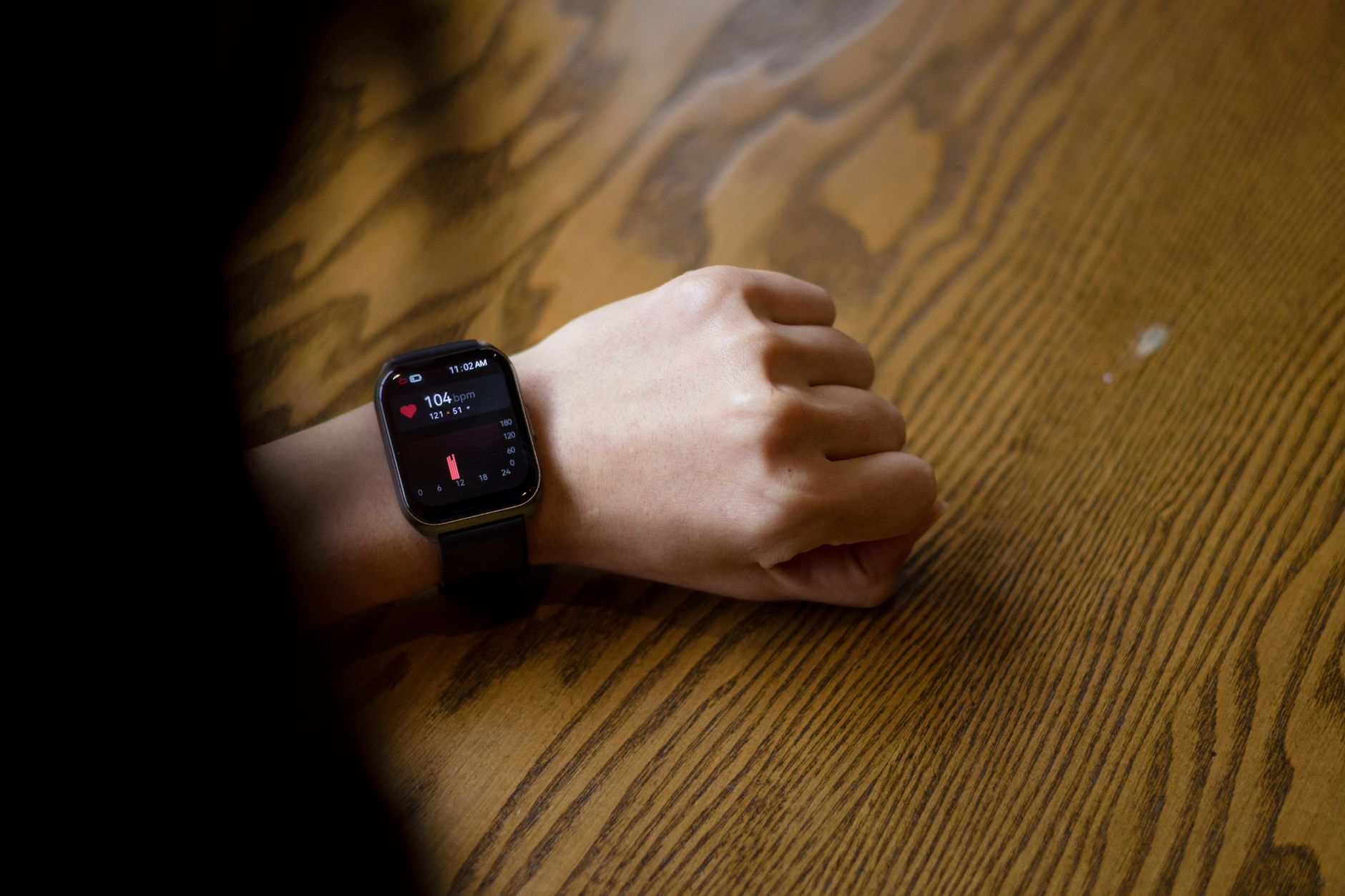
Your heart rate can jump during a slow run because pace is only one part of the workload. Heat, dehydration, stress, illness, caffeine, pain, and individual physiology can make your heart work harder even when you are moving slowly. The number may also be wrong, especially if it rises abruptly on a wrist-based monitor. Look at the pattern, surrounding conditions, symptoms, and whether the increase keeps happening.
Medical information disclaimer: This article is for general educational purposes only and does not provide medical advice, diagnosis, or treatment. Always consult a physician or other qualified health professional about symptoms, medications, tests, or treatment decisions.
Table of Contents
- Why an easy pace may not feel easy to your heart
- Heat and dehydration often explain a gradual climb
- Look beyond pace and weather
- Could the jump be a bad reading?
- When should you seek medical care?
Why an easy pace may not feel easy to your heart
running increases your muscles' demand for oxygen, so your heart beats faster to deliver more blood. The American Heart Association explains that body temperature, emotions, pain, and other individual factors can raise heart rate further. That means the same pace does not always create the same cardiovascular workload.
A slow run on a cool, comfortable day may produce a different reading than the identical route during heat, emotional stress, or illness. Age-based heart-rate zones also offer estimates, not personalized limits. The American Heart Association describes these zones as averages and notes that an individual's ideal range can vary.
Heat and dehydration often explain a gradual climb
If your heart rate starts normally and rises while your pace stays steady, consider the weather and hydration. The CDC reports that body temperature and heart rate increase in direct proportion to dehydration, which also increases vulnerability to heat illness. Lack of heat acclimatization can add to the effect.
Repeated exposure to hot conditions can lower heart rate at a given workload, so runners newly exposed to heat may see unusually high readings. On a hot run, slow down or stop if necessary rather than chasing a normal pace. Move somewhere cooler and address possible dehydration, especially when the elevated rate accompanies signs of heat illness.
Look beyond pace and weather
A higher rate can begin before the run or appear early because another factor is already stimulating the cardiovascular system. MedlinePlus identifies stress, anxiety, fever, pain, infection, alcohol, tobacco, dehydration, and low blood sugar among possible causes. Caffeine can also raise heart rate temporarily by increasing sympathetic activity—the body's activating "fight-or-flight" response.
The effect varies with genetics, habitual caffeine use, age, and existing conditions, so the same amount may affect two runners differently. Some medicines can raise heart rate as well. When investigating a new pattern, note what changed around the time it began rather than assuming your fitness suddenly declined.
Could the jump be a bad reading?
An abrupt, isolated spike may come from the monitor rather than your heart. Wrist devices estimate pulse optically, and their accuracy can vary by device and exercise type.
In a 2017 exercise study, wrist-worn monitors showed varying agreement with an electrocardiogram, while a chest strap had the strongest agreement, with a concordance of 0.996. A suspicious reading deserves a quick reality check: A device error becomes less likely when the sensation matches the reading or the same pattern returns across multiple runs.
- Ease off and notice whether you feel a sudden pounding or irregular pulse.
- Check the watch's fit and repeat the measurement.
- Compare recurring spikes with a chest strap if one is available.
- Record the timing, conditions, symptoms, and any caffeine, illness, or medicine involved.
When should you seek medical care?
Stop running and seek emergency help if a rapid or irregular pulse occurs with chest pain, breathlessness, fainting, or very low blood pressure. These symptoms matter more than whether a watch labels the effort as a particular heart-rate zone. Arrange a clinical evaluation when unusual episodes persist or recur, even without emergency symptoms.
Possible causes include anemia, hyperthyroidism, lung or heart disease, and abnormal heart rhythms. According to MedlinePlus, clinicians may investigate tachycardia—an unusually fast heart rate—with an ECG, ambulatory monitor, blood tests, or exercise testing. Bring a record of your readings, symptoms, running conditions, medicines, and episode timing to help clarify the pattern.