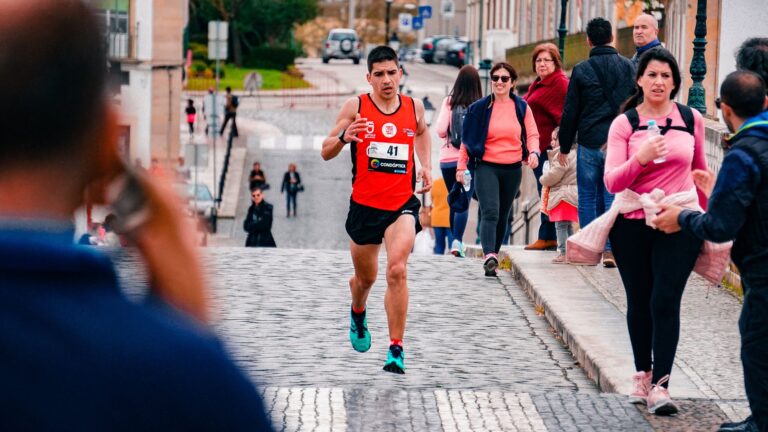
Yes, your resting heart rate can improve at virtually any age through regular aerobic exercise. Recent research demonstrates that sustained cardiovascular training produces meaningful reductions in resting heart rate across the adult lifespan, with documented improvements ranging from 7 to 10 beats per minute. A 61-year-old sedentary runner who commits to consistent aerobic activity—jogging three to four times weekly—might expect to see their resting heart rate drop from 78 bpm to approximately 68-70 bpm within six months, marking a significant cardiovascular adaptation that signals improved heart efficiency.
The ability to lower your resting heart rate doesn’t require peak physical condition or decades of training history. Studies consistently show that healthy older adults who engage in regular submaximal aerobic exercise experience the same cardiovascular benefits as younger populations, though the magnitude of improvement may vary by age group. This finding challenges the assumption that cardiovascular fitness inevitably declines with age and offers genuine hope to anyone seeking to improve heart health, regardless of where they’re starting from.
Table of Contents
- Can Your Resting Heart Rate Really Drop at Any Age?
- How Exercise Produces Resting Heart Rate Improvements
- What’s a Normal Resting Heart Rate at Different Life Stages?
- Building a Resting Heart Rate Improvement Plan
- Age-Related Limitations and Mixed Results in Very Elderly Populations
- Why Lower Resting Heart Rate Matters for Health and Longevity
- Recent Research and Future Outlook on Age-Related Cardiovascular Fitness
- Conclusion
Can Your Resting Heart Rate Really Drop at Any Age?
The short answer is backed by solid data: aerobic exercise intervention reduces resting heart rate by an average of 7.43 bpm, a statistically significant improvement that reflects real changes in how your heart functions. This means a person with a resting heart rate of 80 bpm could reasonably expect to reach 73 bpm after a consistent training program. What’s particularly important is that this improvement shows up across age groups.
Six months of sustained submaximal aerobic exercise—walking, jogging, or bicycling four to five times weekly—reduced resting heart rate by 9 beats per minute in healthy older men, demonstrating that the cardiovascular system remains responsive to training well into advanced age. Vigorous endurance training produces even more dramatic results. In one study of healthy sedentary older adults, vigorous training lowered resting pulse rate by 10 beats per minute, suggesting that the intensity of exercise matters as much as consistency. The comparison is clear: a person starting at 70 bpm could potentially reach 60 bpm through appropriately challenging cardiovascular work, entering a range associated with enhanced cardiovascular health and longevity.

How Exercise Produces Resting Heart Rate Improvements
The mechanism behind resting heart rate reduction is physiological, not magical. When you engage in regular aerobic exercise, your heart becomes more efficient at pumping blood. Each heartbeat circulates more blood volume, meaning your heart doesn’t need to beat as frequently to deliver oxygen throughout your body. This adaptation happens gradually as the training stimulus prompts your cardiovascular system to strengthen the heart muscle itself and improve oxygen utilization at the cellular level.
Recent 2026 research on sedentary older adults reveals the depth of these changes. Following a 12-week aerobic cycling program, participants showed estimated VO2 max increases from 21.51 to 25.80 ml/kg/min—a nearly 20 percent improvement in cardiovascular capacity. This improvement in aerobic fitness directly correlates with lower resting heart rates because enhanced oxygen processing efficiency allows the heart to work less hard at rest. The caveat worth noting: the magnitude of VO2 max improvement from exercise is more pronounced in patients with lower baseline cardiorespiratory fitness and gradually decreases with age, meaning someone starting from very poor fitness will see larger percentage gains than someone already moderately fit.
What’s a Normal Resting Heart Rate at Different Life Stages?
Baseline resting heart rate varies considerably, which affects how much room for improvement exists. Wearable data from over 500,000 members tracking 80 million nights of sleep shows that median resting heart rate holds near 56 bpm across all adult age groups, suggesting that many people don’t reach this optimal level. For healthy seniors, normal resting heart rate typically falls between 60 and 100 beats per minute, a wider range than younger adults due to natural variation in fitness levels and health status among older populations. Understanding your current resting heart rate provides a baseline for measuring progress.
Someone who measures 82 bpm at rest is operating above the healthy median, which means they have genuine room for improvement through training. The challenge many older adults face isn’t that their hearts can’t adapt—it’s that deconditioning has already raised their baseline. A 75-year-old who hasn’t exercised regularly may start at 75 bpm, while an active 75-year-old might be at 58 bpm. Both reflect the training history more than age itself, a distinction that matters for motivation and realistic goal-setting.

Building a Resting Heart Rate Improvement Plan
Effective resting heart rate reduction requires consistent aerobic exercise, not sporadic activity. The research showing 9 to 10 bpm improvements involved four to five exercise sessions weekly, sustained over weeks and months. Walking at a brisk pace—roughly 120-140 steps per minute—qualifies as submaximal aerobic exercise suitable for most fitness levels. Jogging, cycling, swimming, and rowing provide higher-intensity options that may produce faster results.
The trade-off between time investment and results is worth considering. A person committing to five 30-minute sessions weekly will likely see faster improvements than someone exercising twice weekly, but even moderate frequency shows measurable benefit. Start with what you can sustain consistently rather than pursuing an aggressive program you’ll abandon within weeks. The 2026 study showing 20 percent VO2 max improvement used 12 weeks of training as the intervention period, suggesting that meaningful changes require at least a three-month commitment. If your goal is specific—say, dropping from 72 to 62 bpm—plan for six months of consistent effort rather than expecting rapid transformation.
Age-Related Limitations and Mixed Results in Very Elderly Populations
Not every age group responds identically to training stimulus, a limitation that deserves honest discussion. A 12-month moderate-intensity aerobic training program failed to lower resting pulse rate among older persons aged 70-89 years, indicating that exercise response varies within the older adult population. This doesn’t mean people in their seventies and eighties can’t improve their cardiovascular fitness—they absolutely can—but the resting heart rate reduction may not be as pronounced as in younger cohorts or those in their sixties. The reason for this variation remains incompletely understood but likely involves multiple factors including medication use, baseline fitness level, and individual genetic variation in training responsiveness.
Someone aged 75 with decades of activity might already have an efficiently low resting heart rate, leaving less room for improvement. Conversely, a previously sedentary 75-year-old would have more potential for meaningful reduction. The practical implication: if you’re in your seventies or older and you begin exercising, monitor your resting heart rate changes over three to four months. You may improve, but if you don’t see the expected 5-10 bpm reduction, don’t assume you’re doing something wrong—your baseline fitness level or individual physiology may simply limit the magnitude of change.

Why Lower Resting Heart Rate Matters for Health and Longevity
Resting heart rate serves as more than just a fitness metric—it’s a mortality predictor. Every 10 BPM increase in resting heart rate over five years can significantly raise the risk of death from all causes and cardiovascular disease. This relationship suggests that even modest reductions matter. Someone reducing their resting heart rate from 75 to 65 bpm achieves a meaningful reduction in mortality risk, particularly over decades of sustained improvement.
The protective effects accumulate over time, making resting heart rate improvements valuable across the lifespan. A person who drops their resting heart rate from 78 to 68 bpm at age 55 carries that cardiovascular advantage forward into their sixties, seventies, and beyond. Recent 2026 research on heart health trends continues to affirm that regular physical activity slows decline in VO2 max and improves cardiovascular health, with lower resting heart rate providing protective effects. This isn’t about achieving an elite athlete’s resting heart rate of 40-50 bpm; moving toward the healthier end of the normal range delivers measurable longevity benefits for nearly everyone.
Recent Research and Future Outlook on Age-Related Cardiovascular Fitness
The 2026 Apple Heart and Movement Study documents that regular physical activity may slow decline in VO2 max and improve cardiovascular health, reinforcing decades of prior research with the largest sample sizes ever collected. These recent findings emphasize that cardiovascular adaptability isn’t lost with age—it’s simply less dramatic than in youth. A 65-year-old starting a training program will likely improve steadily over weeks and months, just not with the explosive fitness gains a 25-year-old might experience.
Future research will likely clarify which training modalities produce the most consistent improvements across different age groups, particularly for the 70-plus population where results have been mixed. Current evidence already suggests that vigorous training may be more effective than moderate-intensity activity for resting heart rate reduction, but individual tolerance and injury risk must be weighed carefully in older populations. The direction is clear: aging doesn’t eliminate the training response, though it may modify it. The opportunity remains open at any age.
Conclusion
Your resting heart rate can improve at virtually any age, with aerobic exercise producing 7 to 10 bpm reductions in most populations, including healthy older adults. The research is consistent and compelling: regular submaximal aerobic activity—walking, jogging, cycling, or swimming four to five times weekly—triggers cardiovascular adaptations that lower resting heart rate and improve overall health. The magnitude of improvement may vary by baseline fitness level and age, with some very elderly populations showing mixed results, but the direction is reliably positive for those who train consistently.
If you want to improve your resting heart rate, start where you are, focus on consistency over intensity, and give yourself at least three to six months to see meaningful change. Measure your resting heart rate under standard conditions—lying down in the morning before rising—to track progress objectively. The investment in regular aerobic exercise delivers not just a lower resting heart rate but genuine improvements in longevity and cardiovascular disease risk. At any age, your heart responds to the stimulus you provide.