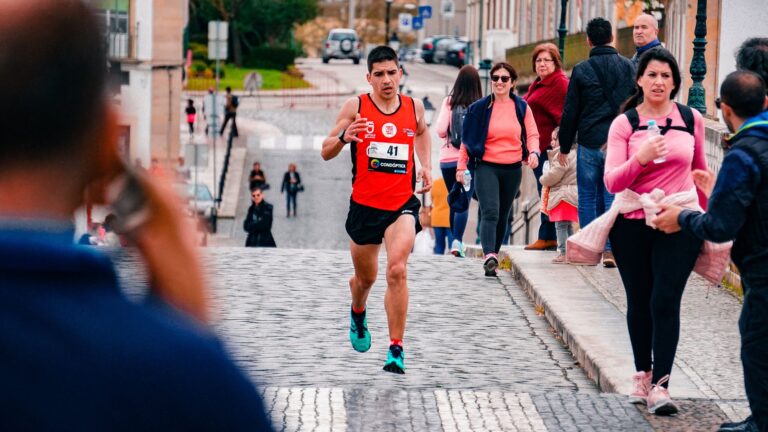
Yes, walking after dinner absolutely counts as exercise and can be one of the most practical additions to your daily routine. Even a moderate 20-to-30-minute walk in the evening qualifies as physical activity under most health guidelines, and research consistently shows that post-dinner walks deliver measurable benefits for blood sugar control, digestion, and cardiovascular health. If you take a brisk walk at a pace where you can talk but not sing—roughly 3 to 4 miles per hour—you’re meeting the minimum threshold for moderate-intensity activity that health organizations recommend.
The key variable isn’t when you walk, but that you walk with enough intensity to elevate your heart rate. Someone who walks 2 miles after finishing their evening meal is not meaningfully different from someone who walks the same route at lunch. Your body responds to the movement itself, not the timing. That said, the timing of a post-dinner walk offers distinct advantages that a morning or afternoon walk doesn’t provide, which is why many runners and fitness enthusiasts have incorporated this habit specifically into their evening routines.
Table of Contents
- HOW DOES WALKING AFTER DINNER COMPARE TO OTHER FORMS OF EXERCISE?
- THE BLOOD SUGAR BENEFIT AND WHAT IT ACTUALLY MEANS
- THE DIGESTIVE AND SLEEP ANGLE
- PRACTICAL TIMING: WHEN SHOULD THE WALK START RELATIVE TO YOUR MEAL?
- THE INTENSITY QUESTION: CAN A SLOW WALK STILL COUNT?
- COMBINING WALKING WITH OTHER RUNNING AND FITNESS ACTIVITIES
- LONG-TERM CONSISTENCY AND THE COMPOUNDING EFFECT
- Conclusion
HOW DOES WALKING AFTER DINNER COMPARE TO OTHER FORMS OF EXERCISE?
walking after dinner sits in the moderate-intensity zone, occupying the same exercise category as swimming, cycling on flat terrain, or recreational tennis. It won’t provide the cardiovascular adaptations that running at a 6-minute-mile pace or high-intensity interval training delivers, but that’s not its primary advantage. Walking is accessible, requires zero equipment, has almost no injury risk for most people, and can be sustained for longer periods. A 45-minute walk burns roughly 200 to 300 calories depending on your body weight and pace, while a 45-minute run might burn 500 to 700 calories.
But if you actually complete the walk four or five times weekly and never run because running isn’t enjoyable or sustainable, the walk wins on total weekly expenditure and consistency. The comparison also depends on your starting point. For someone sedentary who currently does no regular exercise, a daily post-dinner walk becomes the difference between meeting activity guidelines and not meeting them at all. For an experienced runner who logs 20 miles a week, that same walk is active recovery and supplementary volume, not a replacement for harder workouts. Both outcomes are valuable, just serving different purposes in different training contexts.

THE BLOOD SUGAR BENEFIT AND WHAT IT ACTUALLY MEANS
Walking immediately after dinner—specifically within 15 minutes of finishing your meal—produces a striking effect on blood glucose levels. Studies consistently show that a 2-to-3-minute walk or even light movement after eating blunts the blood sugar spike by 20 to 30 percent, which has implications not just for diabetics but for metabolic health across the general population. The mechanism is straightforward: muscle contractions increase glucose uptake from the bloodstream, and your leg muscles (the body’s largest muscle groups) are particularly efficient at this during and after eating. One limitation worth understanding is that this blood sugar effect is real but temporary.
You get the metabolic benefit in the hours immediately following that walk, not from the walk itself becoming stored benefit. Another walk the next evening produces its own separate blood sugar benefit. This is why the research emphasizes regularity—a single post-dinner walk on Friday has minimal long-term impact, but consistent post-dinner walks across five or six days a week produce measurable changes in fasting blood sugar and insulin sensitivity over weeks. The warning here is not to oversell a single walk as a diabetes management tool; consistency is where the actual health gains accumulate.
THE DIGESTIVE AND SLEEP ANGLE
Walking after dinner aids digestion by increasing gastric motility and the rate at which food moves through your stomach and small intestine. You’ll likely feel less bloated or uncomfortable if you take a walk 20 to 30 minutes after a substantial meal compared to sitting on the couch. This effect is particularly pronounced if you ate a large meal high in fat or carbohydrates. Some runners report that a post-dinner walk, compared to remaining sedentary after eating, reduces the sensation of heaviness during evening workouts the next day. The sleep connection is more complex.
Light activity in the evening generally supports better sleep onset, and a gentle post-dinner walk fits that profile. However, a vigorous walk right before bed—especially one that leaves you energized or elevated in heart rate—can interfere with sleep for some people. The practical example is this: a 30-minute walk at a conversational pace after dinner eaten at 6:30 PM, completed by 7:00 PM, followed by wind-down activities before a 10:00 PM bedtime, usually enhances sleep. But that same walk completed at 9:30 PM at a brisk, fitness-focused intensity might disrupt sleep for someone sensitive to evening exercise. Individual variation is substantial here, and you’ll need to experiment with timing and intensity to see what works for your own sleep architecture.

PRACTICAL TIMING: WHEN SHOULD THE WALK START RELATIVE TO YOUR MEAL?
The optimal timing depends on your goal. If you’re primarily interested in the blood sugar benefit, research suggests starting the walk within 15 minutes after you finish eating, and even a 3-minute walk counts. If your goal is better digestion and comfort, starting 15 to 20 minutes after eating allows some initial digestion to occur while still capturing the benefit. If your focus is simply getting activity volume and enjoyment, the timing matters much less—walk whenever feels best.
There’s a tradeoff between the blood sugar optimization (requiring walks right after meals) and the practical reality of your evening routine. Starting a walk literally within 5 minutes of finishing dinner works great on a weekend when you have flexibility, but less so on a Tuesday when you’re clearing the table and responding to email. A 7:15 PM start instead of 6:55 PM doesn’t eliminate the blood sugar benefit, it just reduces it somewhat. The more achievable your walking habit is within your actual life, the better outcome you’ll see over months. Someone who walks consistently at 7:30 PM because that’s what fits reliably will accumulate more benefit than someone who aims for the perfect 15-minute window and ends up walking sporadically.
THE INTENSITY QUESTION: CAN A SLOW WALK STILL COUNT?
A slow walk—say, 2 miles per hour—provides benefits for digestion and blood sugar regulation, but it doesn’t count as moderate-intensity exercise by standard health definitions. The distinction matters when you’re tracking whether you’re meeting exercise recommendations, which typically ask for 150 minutes weekly of moderate-intensity activity. A leisurely stroll at 2 mph qualifies as light activity, not moderate. You won’t significantly improve cardiovascular fitness or build aerobic capacity from slow walks alone. The practical limitation is that many people’s natural post-dinner walk pace hovers in this gray zone—comfortable, sustainable, but not quite reaching the intensity threshold.
Your heart rate is a better guide than perceived pace. During a moderate-intensity walk, your heart rate should be 50 to 70 percent of your maximum (roughly 100 to 140 beats per minute for someone in their 40s). If you can walk while having a conversation but can’t sing, you’re likely in the moderate range. A warning: attempting to reach this intensity every single evening, especially early in a new walking habit, can lead to overuse injuries in the knees, hips, or feet. Building up gradually over two to three weeks to avoid irritation is sensible, particularly if you’re starting from a sedentary baseline.

COMBINING WALKING WITH OTHER RUNNING AND FITNESS ACTIVITIES
If you’re already a runner, a post-dinner walk functions as active recovery on days when you’re not running hard or long. This is genuinely valuable. Running damages muscle fibers and depletes energy stores; walking the next evening at low intensity increases blood flow to recovery without imposing additional training stress.
For someone following a structured training plan that includes three or four running workouts weekly, the post-dinner walk on the remaining days becomes part of smart training design. One specific example: a runner might do a tempo run on Tuesday, a recovery jog Thursday, and long run Saturday, then take 30-minute walks on Monday, Wednesday, Friday, and Sunday. The walks don’t build fitness the way the runs do, but they maintain activity levels and support recovery between harder sessions.
LONG-TERM CONSISTENCY AND THE COMPOUNDING EFFECT
The most important aspect of walking after dinner is not whether any single walk checks some optimization box, but whether it becomes a habit you sustain for months and years. This consistency is where the actual health changes accumulate. Someone who walks 30 minutes five or six evenings a week for a year will see improvements in body composition, cardiovascular fitness, blood sugar control, and resting heart rate.
These changes don’t come from the idea that walking is good; they come from the sustained practice. Looking forward, wearable devices and personal health tracking will likely make the relationship between post-dinner walking and metabolic outcomes even clearer, with real-time feedback on blood glucose response or calorie expenditure. But this additional data shouldn’t overshadow the simpler truth: a regular walking habit after dinner is one of the highest-yield, lowest-friction changes most people can make for their health. It requires no gym membership, no equipment, no special skill, and minimal time investment.
Conclusion
Walking after dinner counts as exercise and, more importantly, delivers measurable benefits for digestion, blood sugar control, and cardiovascular health when practiced consistently. A 30-minute walk at a pace where you can talk but not sing meets the definition of moderate-intensity activity, and the post-meal timing offers distinct advantages for blood glucose management that timing the walk at other times of day doesn’t provide. The key is moving past the question of whether it counts and into the reality of whether you’ll actually do it repeatedly.
Start with a realistic target—perhaps three or four walks weekly if daily feels like too much—and prioritize consistency over perfection. The best post-dinner walking routine is the one you’ll sustain six months from now, not the one that optimizes every detail of timing and pace this week. If a casual walk fits your schedule better than a brisk one, you’re still benefiting. If waiting 30 minutes after dinner instead of 15 minutes makes the walk more achievable, the difference in blood sugar impact is small compared to the benefit of actually walking.