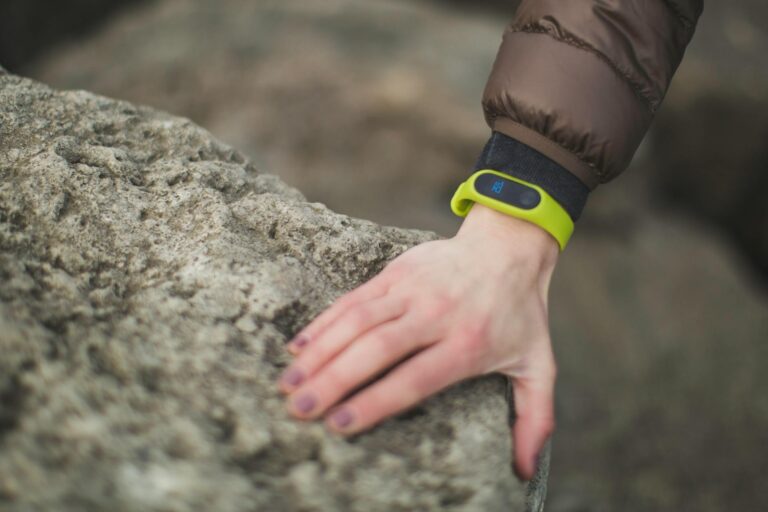
Yes, you can absolutely earn intensity minutes without running, and in many cases, alternative activities can be just as effective for accumulating active zone minutes as a jog around the block. Any physical activity that elevates your heart rate to at least 50 percent of your maximum heart rate will register as intensity minutes on most fitness trackers and smartwatches, including brisk walking, cycling, swimming, dancing, rowing, and even vigorous household chores. A 45-minute cycling session at moderate effort, for example, can easily generate the same 45 intensity minutes as a moderate-paced run covering the same duration. The key factor is not the specific activity but rather how hard your cardiovascular system is working during that activity.
Intensity minutes are calculated based on heart rate zones, not movement patterns or step counts. This means someone with knee problems who cannot run can still meet weekly intensity minute goals through low-impact activities like elliptical training or water aerobics. The flexibility of this metric makes cardiovascular fitness accessible to people regardless of their preferred exercise modality or physical limitations. This article explores exactly how intensity minutes are calculated, which non-running activities generate the most minutes per session, and how to optimize your workouts for maximum credit. We will also examine the differences between moderate and vigorous intensity tracking, common mistakes that cause missed minutes, and practical strategies for building a running-free routine that still hits recommended activity targets.
Table of Contents
- How Do Fitness Trackers Calculate Intensity Minutes Without Running Data?
- Which Non-Running Activities Generate the Most Intensity Minutes?
- Can Strength Training and Gym Workouts Count Toward Intensity Minutes?
- How to Structure a Running-Free Week That Meets Intensity Goals
- Why Your Tracker Might Miss Intensity Minutes During Non-Running Activities
- Using Heart Rate Zones to Maximize Minutes From Any Activity
- How to Prepare
- How to Apply This
- Expert Tips
- Conclusion
- Frequently Asked Questions
How Do Fitness Trackers Calculate Intensity Minutes Without Running Data?
Fitness trackers and smartwatches calculate intensity minutes primarily through heart rate monitoring, making the specific activity largely irrelevant to the calculation. When your heart rate enters the moderate zone, typically defined as 50 to 69 percent of your maximum heart rate, you earn one intensity minute per minute of activity. When your heart rate climbs into the vigorous zone at 70 percent or higher, most devices award double credit, giving you two intensity minutes for each actual minute spent at that elevated effort level. The algorithm does not care whether you achieved that heart rate through running, swimming, or aggressively raking leaves in your backyard. A Garmin watch recording a heart rate of 140 beats per minute during a spin class awards the same intensity minutes as it would for a trail run at the same heart rate.
However, GPS-based devices may track certain metrics like pace and distance only for specific activities, which can affect how the workout appears in your activity log without changing the intensity minute calculation itself. One important comparison involves optical heart rate sensors versus chest straps. Optical wrist sensors can sometimes undercount intensity minutes during activities with significant arm movement, like tennis or boxing, because the sensor loses consistent contact with the skin. Conversely, these same sensors may overcount during activities where you grip something tightly, like cycling or rowing, due to motion artifacts. If accuracy matters to you, a chest strap heart rate monitor paired with your watch typically provides more reliable intensity minute tracking across diverse activities.

Which Non-Running Activities Generate the Most Intensity Minutes?
cardiovascular activities that engage large muscle groups continuously tend to generate intensity minutes most efficiently. Cycling, whether on a road bike, stationary bike, or spin class, ranks among the top alternatives because it sustains elevated heart rates for extended periods without the impact stress of running. Swimming offers similar benefits while adding the resistance of water, though tracking can be limited if your device is not swim-rated or if you remove it during pool sessions. Rowing, whether on water or an ergometer, engages both upper and lower body muscles and can push heart rates into vigorous zones relatively quickly. High-intensity interval training deserves special attention because it maximizes intensity minutes in minimal time.
A 20-minute HIIT session can generate 30 to 40 intensity minutes due to the double credit awarded during vigorous heart rate zones. Compare this to a leisurely 45-minute walk, which might only generate 20 to 30 moderate intensity minutes despite taking more than twice as long. For time-strapped individuals, structured interval workouts on a bike, elliptical, or even through bodyweight exercises can be remarkably efficient. However, if you have underlying cardiovascular conditions or are new to exercise, jumping straight into high-intensity activities can be counterproductive or even dangerous. The vigorous zone that earns double minutes also places significant stress on your heart and vascular system. Individuals with hypertension, heart disease history, or those over 50 who have been sedentary should begin with moderate-intensity activities and consult a physician before attempting HIIT-style workouts, even though those workouts appear more efficient on paper.
Can Strength Training and Gym Workouts Count Toward Intensity Minutes?
Traditional strength training presents a complicated picture for intensity minute accumulation because it involves intermittent effort rather than sustained cardiovascular work. During a heavy set of squats or deadlifts, your heart rate may spike dramatically into vigorous zones, but the subsequent rest period allows it to drop before the next set. Most trackers sample heart rate at regular intervals and may not capture these brief spikes accurately, resulting in fewer credited minutes than the perceived effort would suggest. Circuit training and metabolic conditioning workouts bridge this gap effectively. By moving quickly between exercises with minimal rest, you maintain an elevated heart rate throughout the session.
A 30-minute circuit alternating between kettlebell swings, box jumps, push-ups, and rows can sustain heart rates in the moderate or vigorous zone almost continuously, generating substantial intensity minutes. CrossFit-style workouts, when performed as prescribed with limited rest, often generate intensity minute totals comparable to dedicated cardio sessions. A specific example illustrates the difference: a traditional powerlifting workout with three-minute rest periods between sets of five reps might generate only 8 to 12 intensity minutes over a 60-minute session. The same individual performing a kettlebell complex with 30 seconds of work and 15 seconds of rest for 30 minutes could generate 35 to 45 intensity minutes. The total work volume might be lower, but the cardiovascular stimulus remains elevated throughout.

How to Structure a Running-Free Week That Meets Intensity Goals
The World Health Organization and most health authorities recommend 150 minutes of moderate-intensity activity or 75 minutes of vigorous-intensity activity per week for adults. Structuring a week without running to meet these targets requires intentional planning rather than hoping random activities add up. A practical approach involves scheduling three to four dedicated cardio sessions alongside natural daily movement opportunities. Consider this sample week: Monday features a 45-minute spin class generating approximately 50 intensity minutes due to frequent high-intensity intervals. Wednesday includes a 30-minute rowing session at steady moderate effort for 30 minutes. Friday offers a 40-minute swim with alternating fast and easy laps, producing around 45 minutes when vigorous intervals are counted at double rate.
Saturday involves a 60-minute hike on hilly terrain, generating 40 to 50 moderate intensity minutes. This combination totals approximately 170 intensity minutes without a single running step. The tradeoff compared to running involves time efficiency versus joint preservation. A runner maintaining a 9-minute-per-mile pace in the vigorous zone accumulates intensity minutes at a two-to-one ratio while covering significant distance. Achieving equivalent intensity through swimming or cycling often requires more total time investment but eliminates the repetitive impact loading that contributes to running injuries. For individuals managing chronic conditions like osteoarthritis or recovering from lower extremity injuries, this tradeoff strongly favors non-running alternatives despite the time cost.
Why Your Tracker Might Miss Intensity Minutes During Non-Running Activities
Several technical factors cause fitness trackers to undercount intensity minutes during certain activities, leading to frustration when effort goes unrewarded. Wrist-based optical sensors struggle with activities involving rapid arm movements, vibration transmission, or tight gripping. During mountain biking, for instance, the combination of rough terrain vibration and firm grip on handlebars creates significant motion artifacts that confuse heart rate algorithms. The tracker may record impossibly high or low readings rather than your actual heart rate. Cold water immersion during swimming presents another challenge. Blood vessels in the wrist constrict in cold water, reducing blood flow to the surface where optical sensors measure.
This can cause heart rate readings 20 to 30 beats per minute lower than actual values, resulting in missed intensity minutes despite genuine cardiovascular effort. Some swimmers report wearing their watch higher on the forearm or using swim-specific chest straps to combat this limitation. Activity classification errors also affect tracking. If you start cycling but your watch automatically detects running due to cadence similarities, the algorithm may apply running-specific calculations that skew results. Always manually select the correct activity type before beginning exercise when your tracker offers this option. Additionally, many devices require a minimum duration, often five or ten minutes of sustained elevated heart rate, before awarding intensity minutes. Short bursts of stair climbing or carrying groceries may never register despite legitimate cardiovascular effort.

Using Heart Rate Zones to Maximize Minutes From Any Activity
Understanding your personal heart rate zones transforms intensity minute tracking from a mysterious black box into a predictable system you can manipulate. Calculate your maximum heart rate using the formula 220 minus your age as a starting point, though individual variation means this estimate can be off by 10 to 15 beats per minute in either direction. Your moderate zone spans 50 to 69 percent of this maximum, while vigorous begins at 70 percent. During any non-running activity, glancing at your real-time heart rate allows immediate adjustments.
If you notice your cycling session hovering at 48 percent of maximum, increasing resistance or cadence by a small amount pushes you into the moderate zone where minutes begin counting. Similarly, brief surges into the vigorous zone during interval segments earn double credit. A practical example involves a recreational tennis player who notices rallies push heart rate to 65 percent while changeovers drop it to 45 percent. By staying active during changeovers through light jogging in place or dynamic stretching, the player keeps heart rate in the moderate zone and captures minutes that would otherwise be lost.
How to Prepare
- Establish your baseline heart rate zones through a graded exercise test or by using several weeks of varied workouts to identify where your zones naturally fall during different activities.
- Ensure your fitness tracker fits properly for the activities you plan to perform, with the band snug but not constrictive, positioned two finger widths above the wrist bone for optimal sensor contact.
- Test your chosen activities individually before combining them into a program, noting how your heart rate responds and how accurately your tracker captures the effort.
- Build aerobic base capacity gradually if transitioning from running, as different activities stress the cardiovascular system through different patterns even at equivalent heart rates.
- Create a balanced weekly schedule that includes both sustained moderate efforts and interval-based vigorous sessions to maximize total intensity minutes within available time.
How to Apply This
- Audit your current activity patterns for one week without changing behavior, noting which activities generate intensity minutes and which do not register despite feeling challenging.
- Identify two or three non-running activities you genuinely enjoy and have access to regularly, prioritizing sustainability over theoretical efficiency.
- Schedule specific sessions on your calendar as you would work meetings, blocking time for cardiovascular training rather than hoping it happens spontaneously.
- Review your weekly intensity minute totals each Sunday, adjusting the following week’s plan based on whether you exceeded, met, or fell short of your 150-minute moderate or 75-minute vigorous target.
Expert Tips
- Pair your smartwatch with a Bluetooth chest strap during activities with significant arm movement or gripping, as chest-based monitoring eliminates most optical sensor inaccuracies that cause missed minutes.
- Focus on time in zone rather than activity type when evaluating workout effectiveness. Thirty minutes at 65 percent of maximum heart rate produces identical cardiovascular benefits whether achieved through cycling, elliptical, or dance fitness classes.
- Do not attempt to maximize intensity minutes on consecutive days if those sessions push into vigorous zones. The cardiovascular system requires recovery time, and chronic high-intensity training without adequate rest leads to overtraining syndrome.
- Use the double-credit vigorous zone strategically by incorporating two to three interval segments within longer moderate sessions rather than sustaining vigorous effort throughout.
- Track intensity minutes weekly rather than daily to accommodate natural variation in energy levels, schedule constraints, and the need for lighter recovery days within a balanced program.
Conclusion
Earning intensity minutes without running is not only possible but practically equivalent to running when approached with intention and proper tracking. The cardiovascular system responds to elevated heart rate demands regardless of which activity creates that demand, making cycling, swimming, rowing, HIIT, and countless other modalities fully valid paths to meeting weekly activity recommendations. Understanding how your tracker calculates intensity minutes and optimizing sensor accuracy ensures you receive credit for effort invested.
The freedom to choose activities based on preference, joint health, equipment access, or simple variety rather than perceived necessity opens sustainable fitness to far more people. Runners recovering from injury, individuals with impact-sensitive conditions, and those who simply dislike running can all achieve cardiovascular health through alternative means. Focus on accumulating 150 weekly minutes at moderate intensity or 75 minutes at vigorous intensity through whatever combination of activities keeps you consistent month after month.
Frequently Asked Questions
How long does it typically take to see results?
Results vary depending on individual circumstances, but most people begin to see meaningful progress within 4-8 weeks of consistent effort. Patience and persistence are key factors in achieving lasting outcomes.
Is this approach suitable for beginners?
Yes, this approach works well for beginners when implemented gradually. Starting with the fundamentals and building up over time leads to better long-term results than trying to do everything at once.
What are the most common mistakes to avoid?
The most common mistakes include rushing the process, skipping foundational steps, and failing to track progress. Taking a methodical approach and learning from both successes and setbacks leads to better outcomes.
How can I measure my progress effectively?
Set specific, measurable goals at the outset and track relevant metrics regularly. Keep a journal or log to document your journey, and periodically review your progress against your initial objectives.
When should I seek professional help?
Consider consulting a professional if you encounter persistent challenges, need specialized expertise, or want to accelerate your progress. Professional guidance can provide valuable insights and help you avoid costly mistakes.
What resources do you recommend for further learning?
Look for reputable sources in the field, including industry publications, expert blogs, and educational courses. Joining communities of practitioners can also provide valuable peer support and knowledge sharing.