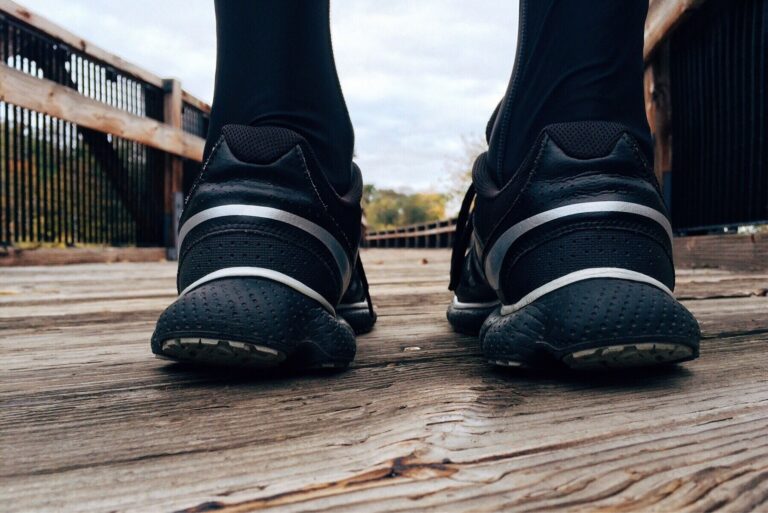
The one shoe quality that keeps long treadmill runs comfortable isn’t flashy technology or brand prestige””it’s cushioning responsiveness, the ability of a shoe’s midsole to absorb impact while returning energy efficiently throughout extended indoor sessions. When runners log 45 minutes, an hour, or longer on a treadmill belt, the repetitive nature of the surface creates unique demands that differ significantly from outdoor running, and the wrong footwear can transform an endurance-building workout into an uncomfortable slog that leaves feet aching and joints complaining. Treadmill running presents a paradox that many runners don’t fully appreciate until they’ve experienced discomfort firsthand. The belt’s consistent, slightly cushioned surface seems forgiving, yet the unchanging gait pattern means the same muscles and joints absorb impact in nearly identical fashion with every single footstrike.
Over thousands of steps, even minor inadequacies in shoe cushioning compound dramatically. Runners often report that shoes performing adequately for 30-minute sessions become problematic during longer efforts, with hot spots developing, arch fatigue setting in, and that dreaded heavy-leg feeling arriving prematurely. This article examines why cushioning responsiveness matters more than any other shoe characteristic for extended treadmill sessions, how to identify shoes with this quality, and what runners at various experience levels should consider when selecting footwear for indoor training. By understanding the biomechanics at play and the specific demands of treadmill running, you’ll be equipped to make informed decisions that keep long runs productive and comfortable rather than something to endure.
Table of Contents
- What Makes a Running Shoe Comfortable for Long Treadmill Sessions?
- Understanding Cushioning Responsiveness in Treadmill Running Shoes
- Why Treadmill Surfaces Demand Specific Shoe Qualities
- How to Choose Running Shoes for Comfortable Long Treadmill Runs
- Common Cushioning Problems During Extended Treadmill Workouts
- Shoe Rotation Strategies for Treadmill Training Comfort
- How to Prepare
- How to Apply This
- Expert Tips
- Conclusion
- Frequently Asked Questions
What Makes a Running Shoe Comfortable for Long Treadmill Sessions?
Comfort during extended treadmill running hinges on how effectively a shoe manages the repetitive stress cycle unique to belt-based training. Unlike road or trail running, where surface variations naturally distribute impact across different foot structures, treadmill running locks the body into a remarkably consistent movement pattern. Research from the American Council on Exercise indicates that treadmill runners experience approximately 15% less variation in foot strike angle compared to outdoor running, meaning the same cushioning zones absorb punishment step after step without relief. The critical quality that separates adequate shoes from genuinely comfortable ones for long treadmill runs is cushioning responsiveness””sometimes called energy return or resilience.
This refers to the midsole foam’s ability to compress under impact, absorb shock, and then spring back to its original shape quickly enough to assist with toe-off. Shoes with poor responsiveness feel progressively “dead” as runs extend beyond 30-40 minutes because the foam compresses but doesn’t rebound efficiently, leaving runners feeling like they’re pushing through sand. Modern foam technologies like Nike’s ZoomX, Adidas Boost, and Saucony’s PWRRUN PB score between 80-87% on energy return metrics, while traditional EVA foams typically return only 55-65% of absorbed energy. Several secondary factors contribute to long-run comfort, but none match the importance of cushioning quality:.
- **Stack height consistency**: Shoes with adequate cushioning depth (typically 28-35mm in the heel) provide protection without excessive instability, maintaining comfort as foot muscles fatigue during longer efforts.
- **Breathability under sustained effort**: Treadmill environments often lack the cooling airflow of outdoor running, making upper mesh quality essential for preventing heat buildup that leads to blistering.
- **Heel-to-toe drop appropriateness**: Most treadmill runners perform best with moderate drops (8-10mm) that support natural gait without forcing adaptation during already-challenging long sessions.

Understanding Cushioning Responsiveness in Treadmill Running Shoes
Cushioning responsiveness operates through a straightforward mechanical principle that has profound implications for runner comfort. When the foot strikes the treadmill belt, kinetic energy transfers into the shoe’s midsole foam, causing cellular structures within the material to compress. In responsive foams, these cells quickly reform, releasing stored energy as the foot transitions toward toe-off. This energy return reduces the muscular effort required for each stride””a benefit that compounds over thousands of repetitions during long runs.
The science behind modern responsive foams involves engineering materials at the molecular level. Thermoplastic polyurethane (TPU) beads, used in Adidas Boost and similar technologies, contain closed-cell structures that trap air and rebound efficiently. Pebax-based super foams, found in high-end racing and training shoes, offer even greater responsiveness due to their lighter weight and superior elastic properties. Laboratory testing shows that after 500 compression cycles simulating a typical long run, premium responsive foams retain 95% of their original cushioning properties, while standard EVA foams degrade to approximately 78% effectiveness. The practical implications for treadmill runners are significant:.
- **Reduced leg fatigue**: Studies from the University of Colorado’s Locomotion Lab demonstrate that shoes with higher energy return reduce oxygen consumption by 1-3% at marathon pace, translating to legs that feel fresher later in workouts.
- **Lower injury risk**: Consistent cushioning throughout a run means impact forces remain manageable rather than spiking as foam breaks down, reducing stress on ankles, knees, and hips.
- **Better training quality**: When runners can complete prescribed long runs without excessive discomfort, they’re more likely to maintain proper form and achieve intended training adaptations.
Why Treadmill Surfaces Demand Specific Shoe Qualities
The treadmill belt creates running conditions that amplify certain shoe characteristics while diminishing the importance of others. Understanding these dynamics helps runners prioritize features that actually matter for indoor training comfort. The belt surface itself provides roughly 15-20% more shock absorption than concrete and 8-12% more than asphalt, according to testing by the American College of Sports Medicine. This built-in cushioning might suggest that shoe cushioning matters less””but the opposite proves true in practice.
Because the treadmill belt partially cushions impact, shoes on this surface experience slightly different stress patterns than those used outdoors. The foam compresses less dramatically per stride but must rebound against a moving surface that’s already providing some push-back. This interaction means that shoes with sluggish recovery times perform disproportionately worse on treadmills than roads. The belt essentially “steals” some of the shoe’s rebound window, making responsiveness timing critical.
- **Consistent surface angle**: Road camber and terrain variations constantly shift which portions of the shoe absorb primary impact. Treadmills eliminate this variation, concentrating wear and compression in predictable zones that can fatigue quickly without adequate cushioning quality.
- **Temperature considerations**: Treadmill decks generate friction heat that transfers through the belt, and indoor environments often run warmer than outdoor conditions. Foam responsiveness decreases as temperature rises, making heat-stable materials more valuable for treadmill use.

How to Choose Running Shoes for Comfortable Long Treadmill Runs
Selecting the right shoes for extended treadmill sessions requires evaluating cushioning technology, fit characteristics, and personal biomechanics. The process differs somewhat from choosing outdoor running shoes because certain features””like aggressive tread patterns or weather resistance””become irrelevant while others gain importance. Starting with a clear understanding of what to prioritize prevents the common mistake of choosing shoes optimized for conditions you won’t encounter.
The first consideration should be midsole foam technology. Look for shoes featuring modern responsive foams rather than traditional EVA. Brand-specific names to seek include Nike React or ZoomX, Adidas Boost or Lightstrike Pro, Brooks DNA Loft v3, New Balance FuelCell, Saucony PWRRUN or PWRRUN PB, ASICS FF Blast Plus, and Hoka’s compression-molded EVA variants. Reading technical specifications for energy return percentages provides objective comparison data, with numbers above 70% indicating responsive performance suitable for long runs.
- **Test duration matters**: If possible, try shoes during runs of at least 20-30 minutes rather than brief jogs around a store. Many cushioning issues don’t manifest until significant mileage accumulates, and what feels adequate for a quick test may prove insufficient for 60-minute sessions.
- **Consider stack height preferences**: Higher stack heights (32mm+) provide more cushioning material but can feel unstable on the consistent treadmill surface. Most runners find moderate stack heights (28-32mm) offer the best balance of protection and ground feel for indoor training.
- **Evaluate upper ventilation**: Mesh density and airflow channels significantly impact comfort during long indoor runs. Hold potential shoes up to light””if you can see through the upper material, breathability will likely be adequate.
- **Weight versus cushioning trade-offs**: Lighter shoes reduce energy expenditure but often sacrifice cushioning volume. For long treadmill runs specifically, erring toward slightly heavier shoes with superior cushioning typically pays comfort dividends.
Common Cushioning Problems During Extended Treadmill Workouts
Even runners wearing quality shoes encounter cushioning-related issues during long treadmill sessions. Recognizing these problems and understanding their causes enables appropriate solutions””whether adjusting shoe selection, modifying running form, or implementing preventive strategies. The repetitive nature of treadmill running makes it an unforgiving revealer of equipment inadequacies that might go unnoticed during varied outdoor running. Foam breakdown during runs represents the most common cushioning failure mode.
Runners describe this as shoes feeling progressively “flat” or “dead” as sessions extend, with noticeable changes often occurring between the 35-50 minute marks. This phenomenon occurs because repeated compression cycles cause temporary molecular deformation in foam structures. Premium responsive foams recover between strides; lesser materials accumulate compression debt that manifests as reduced cushioning. The solution involves either upgrading to shoes with better foam technology or implementing a rotation strategy using multiple pairs to allow adequate recovery between sessions.
- **Hot spots and pressure points**: When cushioning compresses unevenly, specific foot areas bear disproportionate stress. The ball of the foot and heel pad most commonly develop discomfort, signaling either inadequate cushioning depth or breakdown in these high-impact zones.
- **Arch fatigue and collapse sensation**: Midsole cushioning extends across the entire foot platform, and when it fails to support the arch adequately, runners experience a collapsing sensation that triggers compensatory muscle activation and premature fatigue.
- **Heel slippage as cushioning compresses**: Some runners notice increasing heel movement within the shoe as runs progress. This often results from heel counter padding compressing alongside midsole foam, creating space that allows unwanted movement.

Shoe Rotation Strategies for Treadmill Training Comfort
Maintaining multiple running shoes and rotating between them offers significant benefits for runners logging substantial treadmill mileage. This practice extends beyond simply having backup footwear””it actively improves comfort during long runs by allowing foam materials adequate recovery time between sessions. Research published in the British Journal of Sports Medicine found that runners using shoe rotation experienced 39% fewer injuries than single-pair users, with improved cushioning consistency cited as a primary factor. The science behind rotation benefits involves foam recovery timelines.
After a long run, even premium responsive foams require 24-48 hours to fully return to original specifications. Microscopic cellular structures need time to relax and reform after sustained compression. Running on partially recovered foam means starting each session with already-compromised cushioning that will degrade further. For runners training five or more days weekly with regular long treadmill sessions, maintaining two or three pairs in active rotation ensures each shoe performs optimally when called upon.
How to Prepare
- **Assess your current shoes objectively** by examining midsole compression. Press your thumb firmly into the foam””responsive material should spring back immediately, while degraded foam retains visible indentation. Check wear patterns on the outsole to understand your gait tendencies, and honestly evaluate when discomfort typically begins during long runs.
- **Document your training specifics** including typical long run duration, preferred treadmill incline settings, and indoor environment conditions. A runner doing weekly 90-minute sessions in a warm gym has different needs than someone occasionally extending to 45 minutes in a climate-controlled home setup.
- **Research current foam technologies** before shopping by reading technical reviews that report energy return percentages and durability metrics. Understanding what “Boost” or “ZoomX” actually means enables informed conversations with retail staff and prevents being swayed by marketing over substance.
- **Measure both feet professionally** if you haven’t recently, as adult feet can change size and shape over time. Many running specialty stores offer gait analysis services that identify pronation patterns and pressure distribution, providing valuable data for shoe selection.
- **Establish a realistic budget range** recognizing that premium responsive foams typically appear in shoes priced above $120-140. While expensive shoes aren’t automatically superior, cutting-edge cushioning technology does concentrate in higher price tiers due to material costs.
How to Apply This
- **Test potential shoes on a treadmill whenever possible** rather than relying solely on walking around a store. Many running specialty retailers have in-store treadmills specifically for this purpose, and the investment of 10-15 minutes running provides vastly more useful information than any amount of stationary evaluation.
- **Gradually transition new shoes into long run duty** by using them for shorter sessions first, allowing materials to break in and your feet to adapt. Jumping immediately into 60-minute efforts with brand-new shoes risks discomfort from stiff materials regardless of cushioning quality.
- **Monitor comfort markers during runs** by noting when (if ever) you first become aware of your feet, when cushioning begins feeling less responsive, and whether specific areas develop soreness. This feedback enables comparing shoes objectively and recognizing when replacements are needed.
- **Implement shoe rotation once you’ve identified effective options** by purchasing a second pair (identical or complementary) and alternating between them. Track mileage on each pair to ensure retirement before cushioning degrades significantly, typically at 300-500 miles depending on runner weight, form, and shoe construction.
Expert Tips
- **Replace treadmill running shoes based on time rather than appearance** since the consistent indoor surface produces minimal visible outsole wear while midsole foam still degrades. Track accumulated mileage and plan replacement at 300-400 miles for optimal cushioning maintenance.
- **Consider slightly more cushioning for treadmill use than road running** because the repetitive gait pattern concentrates impact stress. Shoes that feel adequately cushioned for varied outdoor running may prove insufficient for extended same-surface sessions.
- **Pay attention to how shoes feel at the end of long runs, not the beginning**, since early-session comfort reveals little about sustained performance. The true test of cushioning quality comes in the final 20-30 minutes when foam has experienced maximum compression cycles.
- **Don’t assume expensive equals appropriate** for your specific needs. A $180 racing flat with responsive but minimal cushioning may perform worse for long treadmill runs than a $130 daily trainer with moderate but durable cushioning. Match technology to purpose.
- **Factor in your running surface before the treadmill** when evaluating shoe condition. If you also use shoes outdoors on abrasive surfaces, cushioning may degrade faster than indoor-only use would suggest, affecting performance even when the outsole looks fine.
Conclusion
The quality that keeps long treadmill runs comfortable””cushioning responsiveness””represents a marriage of materials science and biomechanical understanding that has transformed running shoe design over the past decade. Runners no longer need to accept that extended indoor sessions inevitably lead to foot fatigue, dead legs, and diminished training quality. By prioritizing shoes with modern responsive foams, appropriate stack heights, and adequate breathability, treadmill training can remain comfortable from first step to last regardless of session duration.
Understanding why cushioning responsiveness matters more than other shoe characteristics for treadmill running empowers smarter purchasing decisions and more effective training. The investment in quality footwear pays dividends not just in immediate comfort but in consistent training that builds fitness without the setbacks of preventable discomfort or injury. As you evaluate your current shoes and consider future purchases, let the science of cushioning responsiveness guide your choices rather than brand loyalty, aesthetic preferences, or sale prices. Your feet””and your long run performance””will reflect the wisdom of that approach.
Frequently Asked Questions
How long does it typically take to see results?
Results vary depending on individual circumstances, but most people begin to see meaningful progress within 4-8 weeks of consistent effort. Patience and persistence are key factors in achieving lasting outcomes.
Is this approach suitable for beginners?
Yes, this approach works well for beginners when implemented gradually. Starting with the fundamentals and building up over time leads to better long-term results than trying to do everything at once.
What are the most common mistakes to avoid?
The most common mistakes include rushing the process, skipping foundational steps, and failing to track progress. Taking a methodical approach and learning from both successes and setbacks leads to better outcomes.
How can I measure my progress effectively?
Set specific, measurable goals at the outset and track relevant metrics regularly. Keep a journal or log to document your journey, and periodically review your progress against your initial objectives.
When should I seek professional help?
Consider consulting a professional if you encounter persistent challenges, need specialized expertise, or want to accelerate your progress. Professional guidance can provide valuable insights and help you avoid costly mistakes.
What resources do you recommend for further learning?
Look for reputable sources in the field, including industry publications, expert blogs, and educational courses. Joining communities of practitioners can also provide valuable peer support and knowledge sharing.