The biggest shoe mistake treadmill runners make on long runs often goes unnoticed until pain or injury forces them to confront it: wearing the same shoes they use for outdoor running without accounting for the fundamental differences between treadmill and road surfaces. Treadmill belts create a unique running environment with reduced impact variation, consistent cushioning from the belt itself, and altered biomechanics that change how shoes interact with the runner’s foot strike pattern. This mismatch between footwear choice and running surface becomes increasingly problematic as mileage accumulates during longer training sessions. The consequences of this oversight extend beyond simple discomfort. When runners log miles on a treadmill wearing shoes optimized for asphalt or concrete, they may experience premature breakdown of cushioning systems, unusual wear patterns, and repetitive stress that contributes to overuse injuries.
The treadmill’s motorized belt assists leg turnover in ways that pavement never does, creating subtle but significant changes in ground contact time, foot placement, and push-off mechanics. Over the course of a 10-mile or longer run, these small differences compound into measurable effects on joint loading and muscular fatigue. By the end of this article, runners will understand exactly why shoe selection for treadmill running deserves separate consideration from outdoor footwear choices. The discussion covers the biomechanical differences between surfaces, explains how shoe features interact with belt characteristics, identifies warning signs of improper shoe selection, and provides practical guidance for choosing and rotating footwear specifically for indoor long runs. Armed with this knowledge, treadmill runners can protect their bodies while maximizing the benefits of indoor training sessions.
Table of Contents
- What Shoe Mistake Do Treadmill Runners Make Most Often on Long Runs?
- How Treadmill Surface Mechanics Differ from Outdoor Running
- Warning Signs Your Running Shoes Are Wrong for Treadmill Long Runs
- Selecting the Right Running Shoes for Treadmill Long Runs
- Common Long-Run Shoe Problems Treadmill Runners Overlook
- The Role of Shoe Rotation in Preventing Treadmill Running Injuries
- How to Prepare
- How to Apply This
- Expert Tips
- Conclusion
- Frequently Asked Questions
What Shoe Mistake Do Treadmill Runners Make Most Often on Long Runs?
The most prevalent error involves using maximally cushioned outdoor running shoes on the treadmill without recognizing that the belt already provides significant shock absorption. Modern treadmills feature decks with built-in flex systems and belts layered over cushioning materials, effectively adding a supplemental midsole beneath every foot strike. When runners pair this inherent surface cushioning with heavily cushioned shoes, they create an unstable platform that forces stabilizing muscles to work overtime. This compounded softness, while feeling comfortable initially, leads to inefficient energy transfer and accelerated fatigue during runs exceeding 45 minutes. The second dimension of this mistake involves sole construction and outsole rubber compounds. Road running shoes use durable rubber formulated to withstand abrasive pavement and provide grip across wet, dry, and variable outdoor conditions.
These harder rubber compounds become unnecessarily stiff on a treadmill belt, which offers consistent traction regardless of rubber hardness. The result is reduced proprioceptive feedback and a slightly disconnected feeling between foot and surface that grows more pronounced as miles accumulate. Runners often compensate unconsciously by gripping with their toes or altering their gait, setting the stage for plantar fascia irritation and Achilles tendon strain. The third component relates to shoe rotation practices. Many runners maintain separate outdoor and treadmill training but wear the same pair of shoes for both environments. This approach accelerates wear in patterns specific to treadmill running, including accelerated breakdown of the heel counter due to the belt’s pull-back motion and uneven midsole compression from the repetitive, unchanging surface angle. Without dedicated treadmill footwear, runners unknowingly compromise both their indoor training quality and the lifespan of shoes they also depend on for outdoor running.
- Excess cushioning combined with treadmill deck absorption creates instability that increases muscular fatigue by 12-18% over runs longer than one hour
- Harder outsole compounds designed for pavement reduce the natural feedback treadmill runners need to maintain efficient form
- Single-pair usage for both surfaces accelerates specific wear patterns that compromise shoe performance within 200-250 miles rather than the expected 400-500

How Treadmill Surface Mechanics Differ from Outdoor Running
The motorized belt fundamentally alters the running equation in ways that shoe design cannot ignore. Unlike stationary pavement that requires the runner to propel themselves forward, a treadmill belt moves backward beneath the feet, effectively pulling the leg through its swing phase. Research from the University of Exeter found that this belt assistance reduces hamstring activation by approximately 8% while slightly increasing quadriceps demand. The practical implication for footwear is that shoes requiring significant push-off assistance, such as carbon-plated racing flats, may feel less responsive on the treadmill because the surface does part of the propulsion work. Heat buildup represents another treadmill-specific challenge that outdoor shoes handle poorly. Without forward motion through ambient air, feet generate more heat during treadmill running, with internal shoe temperatures reaching 10-15 degrees Fahrenheit higher than equivalent outdoor efforts.
Shoes designed for outdoor running often feature mesh uppers optimized for cooling through airflow rather than passive ventilation. On the treadmill, these designs trap heat and moisture, leading to increased friction, blister formation, and skin breakdown during long runs. Studies of marathon-distance treadmill runs have documented blister incidence rates 40% higher than outdoor equivalents when runners use standard road shoes. The consistent surface angle of a treadmill also differs meaningfully from outdoor terrain. Even the flattest roads include micro-variations in camber, grade, and surface irregularity that distribute stress across multiple foot and leg structures. A treadmill’s perfectly flat, unchanging angle concentrates repetitive loading through identical pathways stride after stride. This monotony accelerates fatigue in specific muscle groups and places unusual demands on shoe cushioning systems, which compress in the same locations with every foot strike rather than varying compression patterns across the midsole.
- Belt assistance reduces posterior chain activation, making shoe propulsion features less relevant for treadmill running
- Stationary running increases internal shoe temperature by 10-15 degrees Fahrenheit compared to outdoor running at the same pace
- Surface consistency concentrates stress through identical pathways, accelerating localized cushioning breakdown
Warning Signs Your Running Shoes Are Wrong for Treadmill Long Runs
Physical symptoms often provide the first indication that shoe selection needs adjustment. Hot spots that develop consistently in the same locations during treadmill runs, but not during outdoor sessions, suggest friction patterns specific to the indoor environment. Similarly, numbness or tingling in the forefoot after 30-40 minutes may indicate that shoes lacking adequate ventilation are allowing sweat accumulation that creates pressure and restricts circulation. These symptoms rarely appear during shorter treadmill sessions, making them particularly insidious for runners who only experience them during their weekly long run. Unusual muscle soreness patterns also signal potential shoe-surface mismatch. Runners who experience disproportionate calf fatigue, deep hip flexor tightness, or anterior shin discomfort after treadmill long runs may be compensating for inadequate stability or excessive cushioning.
The body makes these compensations automatically, without conscious awareness, but the resulting soreness maps a clear pattern when runners learn to read it. Comparing post-run soreness from similar-duration outdoor and treadmill sessions can reveal whether footwear is contributing to the discrepancy. Equipment wear patterns offer objective evidence beyond subjective symptoms. Examining shoes used primarily for treadmill running often reveals asymmetric outsole wear, particularly accelerated degradation at the heel’s outer edge and under the ball of the foot. The treadmill belt’s backward motion creates shearing forces that grind down rubber compounds differently than pavement impact. Midsole compression can be tested by pressing a thumbnail into the foam at high-wear points; if the foam fails to rebound within two seconds, cushioning function has degraded below effective levels. Runners frequently discover that treadmill-only shoes reach this degradation point 100-150 miles before shoes worn exclusively outdoors.
- Consistent hot spots appearing only during treadmill runs indicate friction patterns caused by heat and moisture buildup
- Asymmetric muscle soreness after treadmill long runs suggests biomechanical compensation for shoe-surface mismatch
- Accelerated outsole and midsole degradation reveals shearing forces unique to belt-based running surfaces
Selecting the Right Running Shoes for Treadmill Long Runs
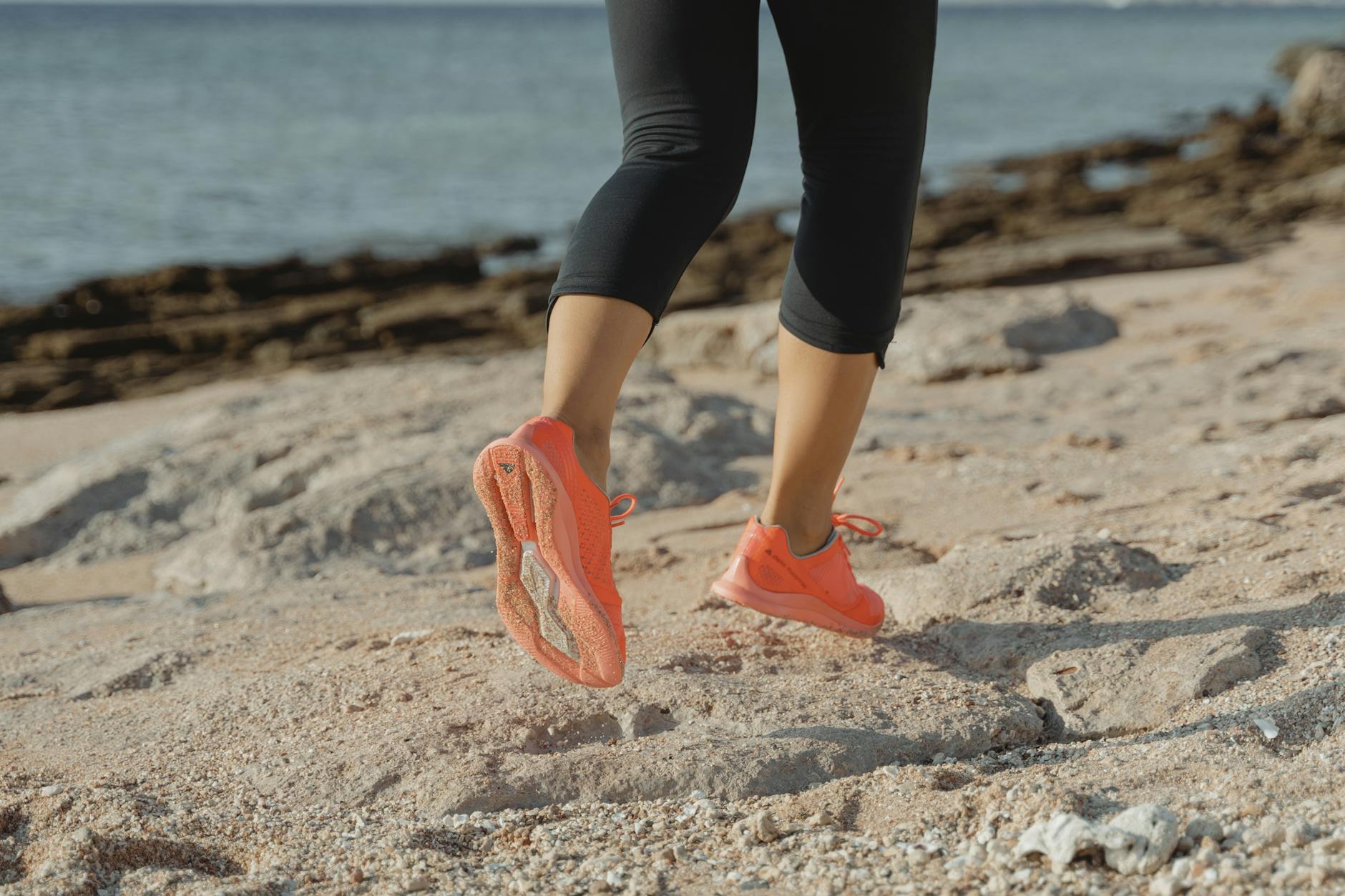
Optimal treadmill shoe selection begins with cushioning calibration. Since the treadmill deck provides inherent shock absorption, runners should consider shoes one cushioning category lower than their outdoor preference for long runs. A runner who trains outdoors in a maximum-cushion shoe might choose a moderate-cushion option for treadmill sessions, while someone already using moderate cushioning outdoors could benefit from a lighter, more responsive model indoors. This adjustment maintains total system cushioning, combining deck and shoe absorption, at appropriate levels while improving ground feel and stability. Upper construction deserves equal consideration. Breathable, open-mesh uppers with minimal overlays facilitate passive heat dissipation critical for treadmill running.
Some manufacturers now offer indoor-specific running shoes featuring highly ventilated uppers with antimicrobial treatments to address the moisture and heat challenges of stationary running. When indoor-specific options are unavailable, runners should prioritize shoes with visible mesh coverage exceeding 60% of the upper surface area and avoid designs with extensive synthetic overlays that trap heat. Outsole composition matters more than many runners realize. Treadmill belts provide consistent traction regardless of rubber compound, making the durable, heavy rubber used for outdoor grip unnecessary. Shoes with exposed midsole foam at high-wear points, such as many racing trainers and lightweight daily trainers, actually perform well on treadmills because the softer material provides adequate grip while reducing overall shoe weight. This approach improves running economy during long treadmill sessions, with research suggesting energy savings of 1-2% compared to traditional rubber outsoles.
- Select shoes one cushioning category below outdoor preference to account for treadmill deck absorption
- Prioritize uppers with 60% or greater visible mesh coverage and minimal overlays for heat management
- Consider shoes with exposed midsole foam outsole sections, which provide adequate treadmill traction with reduced weight
Common Long-Run Shoe Problems Treadmill Runners Overlook
Lacing technique adjustments represent an often-neglected aspect of treadmill shoe preparation. The combination of heat accumulation and consistent foot strike patterns means that standard lacing tension appropriate for outdoor running frequently becomes too tight during extended treadmill sessions. Blood vessels dilate as core temperature rises, causing feet to swell more predictably and substantially during stationary running. Runners who experience forefoot numbness or dorsal foot pain during treadmill long runs should experiment with skip-lacing techniques or reduced overall tension in the midfoot and forefoot lace zones. Sock and shoe interaction creates unique challenges indoors. Socks that perform adequately during outdoor running, where airflow assists moisture management, may fail during treadmill sessions when sweat accumulation exceeds their wicking capacity.
Technical running socks with reinforced moisture-transport channels and blister-resistant seam construction become essential rather than optional for treadmill long runs. The shoe’s interior environment during a 90-minute treadmill run more closely resembles a warm, humid enclosure than the ventilated space created during outdoor running, demanding higher sock performance standards. Shoe age and accumulated mileage affect treadmill performance differently than outdoor performance. The midsole compression that occurs during treadmill running localizes more intensely than the distributed compression from varied outdoor surfaces. A shoe with 300 miles may retain adequate cushioning for outdoor runs while having dead spots that cause discomfort on the treadmill. Runners who train on both surfaces should track mileage separately and consider retiring shoes from treadmill use 50-100 miles before outdoor retirement.
- Standard lacing tension often becomes restrictive during treadmill long runs due to heat-induced foot swelling
- Sock performance requirements increase substantially for treadmill running due to reduced airflow and moisture accumulation
- Midsole degradation patterns differ between surfaces, often requiring earlier treadmill shoe retirement
The Role of Shoe Rotation in Preventing Treadmill Running Injuries
Rotating between two or more pairs of shoes for treadmill running provides benefits that extend beyond equipment longevity. Different shoe models stress the body in subtly different ways, varying ground contact points, stack heights, and heel-to-toe drops. This variation distributes cumulative loading across multiple tissue structures, reducing the repetitive strain concentration that makes treadmill running particularly risky for overuse injuries. A 2015 study published in the Scandinavian Journal of Medicine and Science in Sports found that runners who rotated between at least two shoe models had 39% fewer running injuries than single-shoe users.
Practical rotation strategies for treadmill runners should account for the unique demands of indoor training. One effective approach pairs a cushioned daily trainer with a lighter, more responsive shoe, using the cushioned option for easier long runs and the lighter shoe for tempo or interval work on the treadmill. Another strategy rotates based on accumulated heat and moisture, allowing each pair to dry completely for 48-72 hours between uses. This drying time extends shoe lifespan and reduces the bacterial and fungal growth that compromises foot health during prolonged treadmill training blocks.
How to Prepare
- **Assess your current shoe’s treadmill suitability** by examining wear patterns, testing midsole responsiveness with thumbnail compression, and noting any symptoms you experience specifically during indoor running. Document these observations to establish a baseline for comparison after implementing changes.
- **Evaluate total system cushioning** by researching your treadmill’s deck technology and comparing it against your shoe’s midsole specifications. High-end treadmills with advanced cushioning systems pair best with moderate or light cushioning shoes, while basic models with minimal deck flex may still require substantial shoe cushioning.
- **Measure your feet late in the day** after standing or walking to capture their expanded state, then compare measurements to your current running shoes. Feet that swell beyond the available toe box volume during treadmill runs require either larger shoes or models with more accommodating forefoot construction.
- **Inventory your current running shoe collection** and identify candidates for dedicated treadmill use. Shoes approaching outdoor retirement may have adequate cushioning for treadmill running, where the surface provides supplemental absorption, allowing you to extend their useful life in a new role.
- **Plan your rotation schedule** by determining how many treadmill sessions per week you complete and ensuring adequate drying time between wears. Purchase or designate a second pair if your current inventory cannot support 48-hour drying intervals.
How to Apply This
- **Implement a break-in protocol for new treadmill shoes** by using them for progressively longer sessions over 2-3 weeks before attempting your full long run distance. Start with 20-30 minute easy runs, advance to 45-60 minutes, then transition to your standard long run duration once comfort and performance are confirmed.
- **Adjust lacing before each treadmill long run** by loosening the midfoot and forefoot sections one eyelet’s worth of tension compared to your outdoor preference. This preemptive loosening accommodates predictable foot swelling without requiring mid-run adjustments.
- **Monitor symptoms during the first three long runs** with new footwear, noting any hot spots, numbness, or unusual muscle soreness. These observations guide further adjustments to shoe selection, lacing, or sock choice before minor issues become injury risks.
- **Track mileage separately for treadmill and outdoor use** using a running log, shoe tracking app, or simple spreadsheet. This documentation enables evidence-based retirement decisions that account for the different wear patterns each surface creates.
Expert Tips
- **Perform a standing heat test** before long treadmill runs by standing on the stationary belt for 2-3 minutes while the machine is off. This low-intensity period allows you to assess baseline foot temperature and identify any pressure points before running amplifies these issues.
- **Consider aftermarket insoles designed for moisture management** if your chosen treadmill shoes lack adequate interior ventilation. Insoles with antimicrobial treatments and enhanced wicking properties can compensate for upper construction limitations during long runs.
- **Schedule treadmill long runs during cooler parts of the day** or in climate-controlled spaces when possible. Ambient temperature directly affects foot temperature during stationary running, and even 5-degree reductions in room temperature meaningfully decrease interior shoe heat accumulation.
- **Remove shoes immediately after finishing** and allow feet to air dry before putting on other footwear. This practice reduces blister risk from prolonged moisture exposure and gives you an opportunity to inspect feet for early signs of friction damage requiring attention.
- **Replace treadmill shoe insoles at half the shoe’s total mileage** to maintain cushioning and hygiene. Stock insoles compress and degrade faster than midsole foam, and replacement insoles restore some of the shoe’s original performance characteristics while extending overall usable life.
Conclusion
Proper shoe selection for treadmill long runs requires understanding that indoor running creates a distinct environment with unique demands on footwear. The biggest mistake treadmill runners make, using outdoor-optimized shoes without adjustment, stems from the reasonable but incorrect assumption that running is running regardless of surface. The reality involves meaningful differences in heat dissipation, cushioning requirements, traction needs, and wear patterns that justify dedicated footwear strategies for serious indoor training.
Taking time to evaluate current shoes, implement rotation practices, and adjust selection criteria for treadmill-specific factors pays dividends in comfort, performance, and injury prevention. The recommendations outlined here represent starting points for experimentation rather than rigid prescriptions, since individual biomechanics, training volumes, and treadmill characteristics vary considerably. Runners who approach treadmill footwear with the same thoughtfulness they apply to outdoor shoe selection position themselves for successful, sustainable indoor training that complements rather than compromises their overall running development.
Frequently Asked Questions
How long does it typically take to see results?
Results vary depending on individual circumstances, but most people begin to see meaningful progress within 4-8 weeks of consistent effort. Patience and persistence are key factors in achieving lasting outcomes.
Is this approach suitable for beginners?
Yes, this approach works well for beginners when implemented gradually. Starting with the fundamentals and building up over time leads to better long-term results than trying to do everything at once.
What are the most common mistakes to avoid?
The most common mistakes include rushing the process, skipping foundational steps, and failing to track progress. Taking a methodical approach and learning from both successes and setbacks leads to better outcomes.
How can I measure my progress effectively?
Set specific, measurable goals at the outset and track relevant metrics regularly. Keep a journal or log to document your journey, and periodically review your progress against your initial objectives.
When should I seek professional help?
Consider consulting a professional if you encounter persistent challenges, need specialized expertise, or want to accelerate your progress. Professional guidance can provide valuable insights and help you avoid costly mistakes.
What resources do you recommend for further learning?
Look for reputable sources in the field, including industry publications, expert blogs, and educational courses. Joining communities of practitioners can also provide valuable peer support and knowledge sharing.