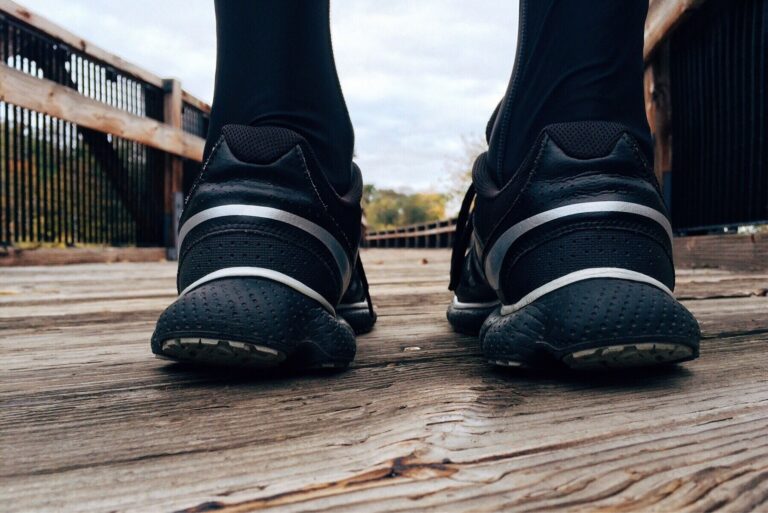
What long treadmill runs reveal about your shoes differs dramatically from anything you might notice during outdoor running, and understanding these differences can fundamentally change how you evaluate and select footwear. The controlled environment of a treadmill strips away the variables that mask shoe performance issues on roads and trails””wind, terrain changes, temperature fluctuations, and the mental distractions of navigating your surroundings. When you run 90 minutes or more on a belt moving at a consistent pace, your shoes have nowhere to hide their weaknesses. Most runners consider treadmill running a convenient backup option for bad weather days, never realizing it functions as a diagnostic tool for footwear.
The repetitive, uniform motion amplifies small deficiencies that roads and trails allow you to unconsciously compensate for through stride adjustments. A subtle lack of cushioning resilience, minor asymmetries in the midsole, or inadequate breathability become impossible to ignore when every single footstrike occurs under identical conditions. Road running introduces constant micro-variations that spread stress across different parts of the shoe and foot, effectively hiding problems until they become severe enough to cause injury. By the end of this article, you will understand exactly why treadmill sessions expose shoe characteristics that outdoor runs conceal, how to structure diagnostic treadmill runs to evaluate your footwear, and what specific sensations indicate problems that demand attention. Whether you are trying to determine if your current shoes have reached retirement age or evaluating a new model before committing to high mileage, the treadmill offers insights that no amount of road running can replicate.
Table of Contents
- Why Do Long Treadmill Runs Expose Shoe Weaknesses That Road Running Hides?
- Cushioning Breakdown and Energy Return Loss During Extended Treadmill Sessions
- How Treadmill Runs Reveal Upper and Breathability Issues in Running Shoes
- Testing Shoe Stability and Support Through Controlled Treadmill Conditions
- Identifying Fit Problems and Pressure Points During Long Treadmill Efforts
- Using Treadmill Data to Predict Outdoor Shoe Performance
- How to Prepare
- How to Apply This
- Expert Tips
- Conclusion
- Frequently Asked Questions
Why Do Long Treadmill Runs Expose Shoe Weaknesses That Road Running Hides?
The fundamental difference between treadmill and road running lies in variability. Outdoor surfaces present constant changes””slight inclines, camber, pavement texture, debris””that force unconscious gait adjustments dozens of times per minute. These adjustments distribute impact forces across different areas of your shoe’s midsole and outsole, preventing any single zone from experiencing sustained stress. A treadmill belt, by contrast, delivers identical conditions stride after stride, concentrating forces on the same precise locations throughout your entire run.
This concentrated loading exposes cushioning degradation that roads mask effectively. A shoe’s ethylene-vinyl acetate (EVA) or thermoplastic polyurethane (TPU) foam loses energy return capability gradually, typically declining 20-30% over 300-400 miles. On roads, you might not notice this decline because terrain variations create natural recovery periods for compressed foam. On a treadmill, that same foam receives relentless, repetitive compression without any terrain-induced relief, making degradation obvious within the first 30-40 minutes of a long run.
- **Consistent pace eliminates compensation patterns**: Your body cannot unconsciously adjust stride length or foot placement to avoid problem areas
- **Uniform surface removes external cushioning**: Asphalt and concrete vary in hardness; treadmill belts provide consistent shock absorption that isolates shoe performance
- **Mental focus shifts inward**: Without navigation demands, runners naturally become more aware of physical sensations, including subtle shoe deficiencies
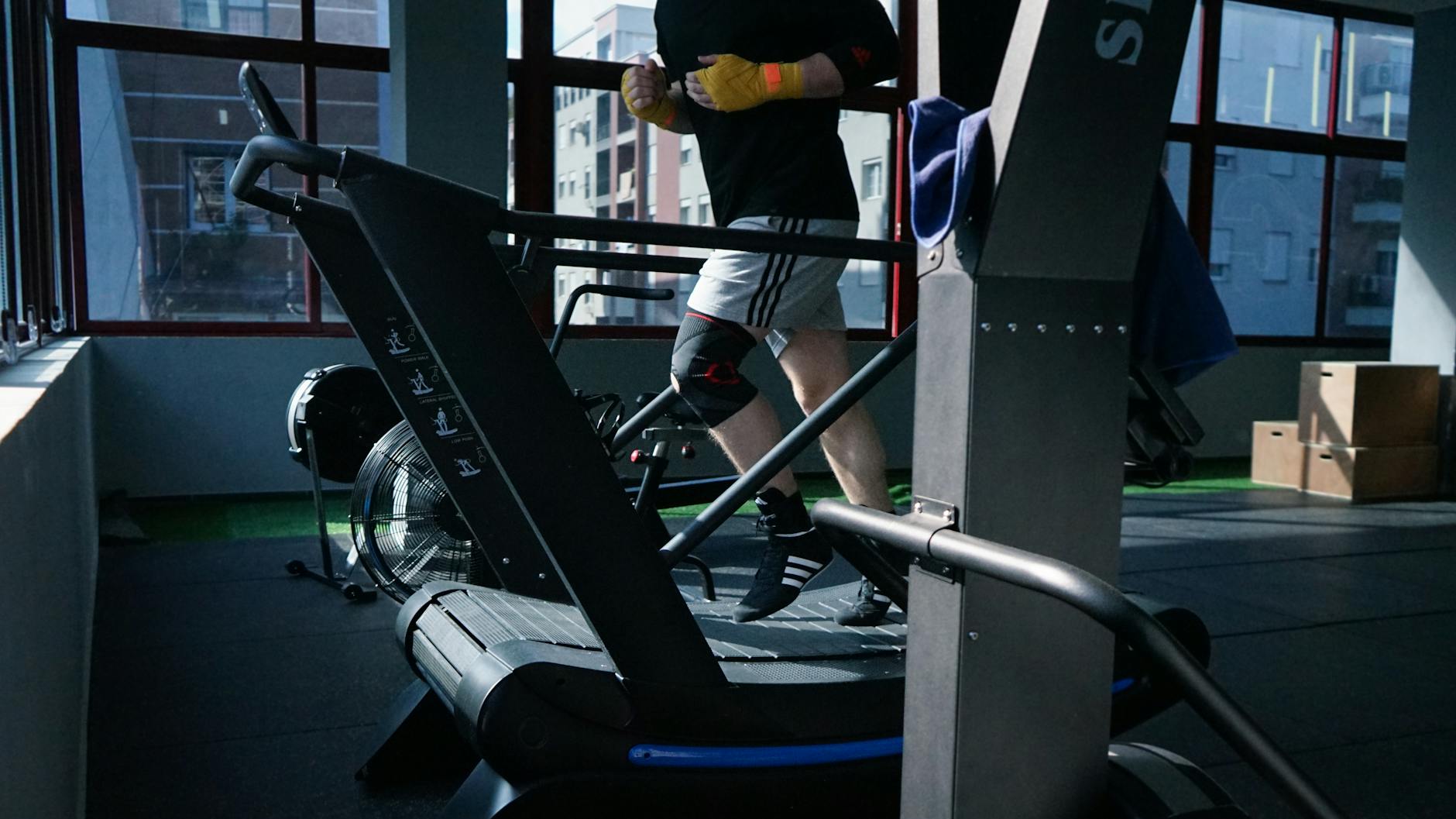
Cushioning Breakdown and Energy Return Loss During Extended Treadmill Sessions
cushioning systems in running shoes rely on cellular foam structures that compress under load and rebound to return energy. Fresh foam might offer 60-70% energy return, meaning it gives back most of the force you put into each footstrike. As foam cells break down through use, this return percentage drops, forcing your muscles to work harder to maintain the same pace. Long treadmill runs make this energy return loss tangible in ways that shorter or variable runs cannot.
During the first 20-30 minutes of a treadmill run, most cushioning systems perform adequately regardless of their age. The revealing window opens between 45-75 minutes, when cumulative heat buildup and repetitive compression begin affecting foam performance. Worn shoes often feel dramatically different at mile eight than they did at mile two, while newer shoes maintain consistent feel throughout. This consistency test simply cannot occur on roads, where changing surfaces constantly reset the evaluation baseline.
- **Heat accumulation degrades foam temporarily**: Treadmill running generates more retained heat than outdoor running due to reduced airflow, accelerating cushioning fatigue
- **Repetitive loading reveals asymmetric wear**: One shoe may feel noticeably different from the other, indicating uneven midsole breakdown
- **Perceived effort increases disproportionately**: If maintaining pace requires progressively more effort despite stable heart rate, cushioning failure is likely responsible
How Treadmill Runs Reveal Upper and Breathability Issues in Running Shoes
The upper construction of a running shoe””the fabric and structural elements surrounding your foot””receives far less attention than cushioning but proves equally important during long efforts. Treadmill environments, typically climate-controlled indoor spaces with minimal air movement, create thermal conditions that stress upper materials beyond what most outdoor runs demand. A shoe that feels comfortable during a breezy 10-mile road run may become unbearable during an hour-long treadmill session.
Moisture management failures become apparent within 30-45 minutes of treadmill running. Without wind-assisted evaporation, sweat accumulates inside the shoe, revealing whether mesh panels actually transport moisture or simply trap it against your skin. Runners frequently discover that shoes marketed as “breathable” perform adequately only when external airflow assists the process. This discovery proves valuable before humid summer races or destination events in tropical climates.
- **Hot spots emerge more clearly**: Reduced evaporation makes friction-generated heat accumulate, revealing areas where the upper binds or rubs
- **Structural stretch becomes evident**: Wet uppers stretch more than dry ones, exposing inadequate containment or heel slippage
- **Tongue displacement patterns show**: The consistent motion of treadmill running reveals whether tongues stay centered or migrate problematically

Testing Shoe Stability and Support Through Controlled Treadmill Conditions
Stability features in running shoes””medial posts, guide rails, structured heel counters””function differently under fatigue than during fresh-legged running. Long treadmill runs allow precise observation of how these features perform as your intrinsic foot muscles tire and your gait potentially changes. The controlled environment makes it possible to identify the exact moment when support features either prove their value or reveal their inadequacy.
Many runners overpronate more significantly after 45-60 minutes of running than they do during the first mile, as fatigue reduces the foot’s natural stability mechanisms. A treadmill run of 75-90 minutes lets you evaluate whether a shoe’s stability features compensate appropriately for this fatigue-induced gait change. If you feel increasing ankle or knee discomfort during the final third of a long treadmill run but never during similar outdoor efforts, the uniform surface is likely revealing a stability mismatch that terrain variations normally mask.
- **Heel counter integrity becomes testable**: Repetitive motion shows whether rigid heel cups maintain their shape or collapse under sustained loading
- **Medial post effectiveness varies with fatigue**: Fresh legs may not need support that becomes essential after an hour of running
- **Platform width adequacy reveals itself**: A stable-feeling shoe may feel tippy when fatigue reduces your balance capability
Identifying Fit Problems and Pressure Points During Long Treadmill Efforts
Fit issues that remain imperceptible during 30-45 minute runs often become unmistakable during longer treadmill sessions. The consistent motion eliminates the stride variations that temporarily relieve pressure points during outdoor running. A slightly too-narrow toe box might cause no problems during a 5-mile road run but create significant discomfort by minute 50 on a treadmill, as your feet swell and the repetitive motion prevents any natural relief.
The treadmill’s horizontal belt also reveals lacing and closure system performance with unusual clarity. Outdoor running involves occasional complete stops””for traffic, water fountains, trail obstacles””that allow micro-adjustments to lacing tension. Treadmill runs typically proceed without pause, exposing whether closure systems maintain appropriate tension throughout extended efforts. Runners frequently discover that shoes fitting well initially become either too loose or too constricting after 45+ minutes of continuous running.
- **Toe box adequacy shows during foot swelling**: Feet typically expand 4-8% during long runs; treadmill conditions make this expansion more pronounced
- **Midfoot lockdown reveals itself**: Continuous motion shows whether lacing systems prevent foot sliding within the shoe
- **Heel slip becomes undeniable**: Without terrain variations to mask movement, heel pistoning becomes obvious and annoying

Using Treadmill Data to Predict Outdoor Shoe Performance
The insights gained from long treadmill runs translate directly to outdoor performance predictions, though with important caveats. A shoe that fails the treadmill test will almost certainly fail during similarly long road efforts, even if the failure manifests differently. However, a shoe that performs well on the treadmill may still prove unsuitable for outdoor use due to traction, durability, or responsiveness factors that treadmill running cannot evaluate.
Consider treadmill testing as a necessary but not sufficient evaluation method. Shoes must pass the treadmill durability and comfort test to merit outdoor trial, but passing that test only qualifies them for further evaluation rather than confirming their suitability. This staged approach prevents accumulating miles in fundamentally flawed shoes while acknowledging that treadmill performance represents only one dimension of overall shoe quality.
How to Prepare
- **Schedule the test run after a rest day**: Fresh legs provide baseline conditions that make shoe-related fatigue distinguishable from muscular fatigue carried over from previous training. Running on tired legs introduces variables that mask shoe performance.
- **Control the thermal environment**: Set room temperature to 68-72°F if possible, and position a fan to provide minimal airflow comparable to outdoor running at 8-10 minute mile pace. Excessive cooling masks breathability issues; no cooling creates artificially harsh conditions.
- **Plan for at least 75 minutes of continuous running**: Shoe problems typically manifest between 45-75 minutes. Runs shorter than an hour rarely provide sufficient stress to reveal subtle issues. Build up to this duration gradually if you’re not accustomed to long treadmill sessions.
- **Wear the socks you use for long runs**: Sock choice significantly affects fit perception. Using different socks for testing than for actual long runs invalidates the evaluation. Include any insoles or orthotics you typically use.
- **Prepare a mental checkpoint system**: Plan to consciously evaluate specific shoe characteristics at predetermined intervals””every 15 minutes works well. This systematic approach prevents overlooking gradual changes that might otherwise escape notice.
How to Apply This
- **Run the first 20 minutes at easy pace while establishing baseline sensations**: Note how each shoe feels, any pressure points, temperature, and heel security. This baseline makes subsequent changes identifiable.
- **Increase to your typical long run pace after the warmup period**: Maintain this pace for at least 45 minutes. The combination of moderate intensity and extended duration creates the loading conditions that reveal shoe characteristics.
- **Conduct deliberate check-ins every 15 minutes**: Mentally scan from toes to heels, comparing current sensations to your initial baseline. Note any changes in cushioning feel, temperature, fit tightness, or developing discomfort.
- **Document findings immediately after finishing**: Memory of subtle sensations fades quickly. Record observations about cushioning consistency, hot spots, fit changes, and any asymmetries between left and right shoes while impressions remain fresh.
Expert Tips
- **Test shoes you are considering retiring alongside newer alternatives**: Running the first half in old shoes and switching to newer models mid-run provides direct comparison under identical fatigue conditions. The contrast often reveals more than testing either pair alone.
- **Pay attention to noise changes throughout the run**: Shoes often become louder as cushioning degrades during a session. A progressively increasing slapping sound suggests foam is failing to rebound adequately, forcing harder impacts.
- **Monitor heart rate relative to perceived effort**: If your heart rate remains stable but effort perception increases significantly after 45+ minutes, compromised energy return from worn cushioning is a likely explanation.
- **Record the room temperature and your body weight before and after**: Excessive weight loss indicates high sweat rates that may have stressed upper breathability beyond normal conditions. Temperature variations between tests can confound cushioning feel comparisons.
- **Consider filming the final 10 minutes of your run**: Video analysis can reveal gait changes that indicate fatigue-related stability failures. Many gyms allow phone mounting near treadmills for this purpose.
Conclusion
Long treadmill runs function as controlled experiments that isolate shoe performance from the countless variables present during outdoor running. The consistent pace, uniform surface, and reduced airflow create conditions that amplify small deficiencies into noticeable problems, providing information that even experienced runners cannot gather through road miles alone. This diagnostic capability makes treadmill sessions valuable far beyond their role as weather-backup training options.
Incorporating periodic long treadmill runs into your training schedule””perhaps once every four to six weeks””provides ongoing feedback about shoe condition and suitability. These sessions help identify when familiar shoes have degraded to the point of replacement and whether new shoes merit the investment of high outdoor mileage. The treadmill cannot replace road running for training purposes, but it serves uniquely well for the specific task of footwear evaluation. Making this assessment technique a regular practice will improve your shoe selection decisions and potentially prevent the injuries that worn or poorly-suited footwear can cause.
Frequently Asked Questions
How long does it typically take to see results?
Results vary depending on individual circumstances, but most people begin to see meaningful progress within 4-8 weeks of consistent effort. Patience and persistence are key factors in achieving lasting outcomes.
Is this approach suitable for beginners?
Yes, this approach works well for beginners when implemented gradually. Starting with the fundamentals and building up over time leads to better long-term results than trying to do everything at once.
What are the most common mistakes to avoid?
The most common mistakes include rushing the process, skipping foundational steps, and failing to track progress. Taking a methodical approach and learning from both successes and setbacks leads to better outcomes.
How can I measure my progress effectively?
Set specific, measurable goals at the outset and track relevant metrics regularly. Keep a journal or log to document your journey, and periodically review your progress against your initial objectives.
When should I seek professional help?
Consider consulting a professional if you encounter persistent challenges, need specialized expertise, or want to accelerate your progress. Professional guidance can provide valuable insights and help you avoid costly mistakes.
What resources do you recommend for further learning?
Look for reputable sources in the field, including industry publications, expert blogs, and educational courses. Joining communities of practitioners can also provide valuable peer support and knowledge sharing.