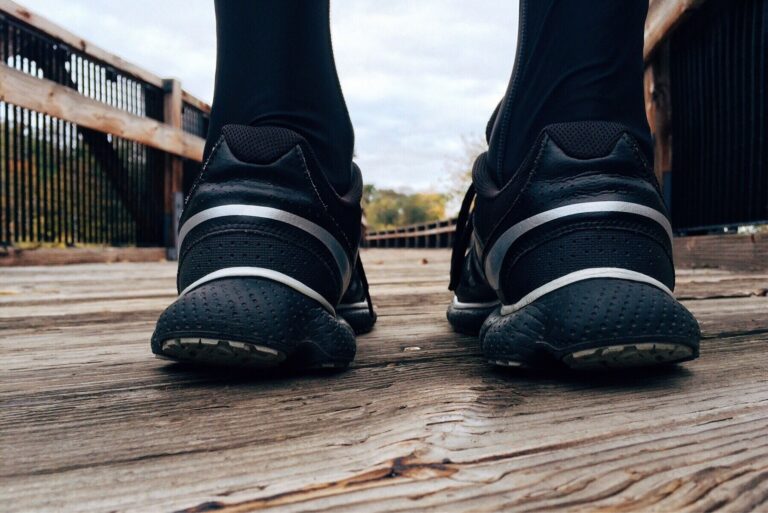
Treadmill long runs are unforgiving in ways that outdoor running simply cannot replicate, and the shoes that handle them best share characteristics that many runners overlook when shopping for their next pair. The repetitive, unchanging surface of a treadmill belt creates a biomechanical environment where every flaw in cushioning, every inadequacy in support, and every shortcoming in durability becomes magnified over the course of an hour or more. What might feel like a minor annoyance at mile three transforms into genuine discomfort by mile ten, making shoe selection for indoor distance work a critical decision that deserves serious consideration. The fundamental challenge lies in the nature of treadmill running itself. Unlike outdoor surfaces that vary constantly””asphalt giving way to concrete, slight inclines and declines, subtle changes in texture and firmness””a treadmill presents the same exact surface, at the same exact angle, with the same exact give, stride after stride after stride.
This consistency, while beneficial for controlled training, means your feet and legs absorb impact in precisely the same pattern thousands of times per session. Studies have shown that runners on treadmills experience approximately 6-8% higher vertical loading rates compared to overground running at equivalent paces, placing additional demands on footwear to mitigate repetitive stress. By the end of this article, readers will understand exactly why treadmill long runs demand specific shoe characteristics, which features matter most for extended indoor sessions, and how to evaluate their current footwear against these criteria. The discussion covers cushioning technologies, the importance of breathability in climate-controlled environments, durability considerations unique to belt surfaces, and specific shoe recommendations across different foot types and running styles. Whether training for a marathon during harsh winter months or simply preferring the convenience of gym-based distance work, the right shoes transform punishing treadmill sessions into sustainable training tools.
Table of Contents
- Why Are Treadmill Long Runs So Demanding on Running Shoes?
- Essential Cushioning Features for Treadmill Distance Running
- Breathability and Upper Construction for Indoor Long Runs
- Selecting the Best Shoes for Your Treadmill Long Run Training
- Common Mistakes When Choosing Treadmill Running Shoes
- Extending Shoe Lifespan for Treadmill Training
- How to Prepare
- How to Apply This
- Expert Tips
- Conclusion
- Frequently Asked Questions
Why Are Treadmill Long Runs So Demanding on Running Shoes?
The mechanical realities of treadmill running create a perfect storm of challenges for footwear that even experienced runners underestimate. When running outdoors, natural terrain variations force subtle adjustments in foot strike, cadence, and muscle recruitment. These micro-variations distribute stress across different tissues and allow momentary recovery for any single area. On a treadmill, this natural variability disappears entirely. Your foot lands in nearly the identical position, at the identical angle, with identical force distribution, potentially thousands of times during a single long run. For a runner maintaining a 9-minute-per-mile pace over 15 miles, that translates to approximately 24,000 footstrikes hitting the belt in exactly the same pattern. Research published in the Journal of Sports Sciences found that treadmill running produces measurably different ground reaction forces compared to overground running. The belt’s slight give and return creates what biomechanists call an “active surface,” which actually increases the energy return demand on shoes while simultaneously wearing down cushioning compounds faster than harder outdoor surfaces.
The belt’s texture, while seemingly smooth, acts like fine-grit sandpaper on outsole rubber over extended periods. Runners who log significant treadmill miles often notice their shoes wearing out 15-20% faster than equivalent outdoor mileage would predict, with the wear patterns concentrated in highly specific, repetitive areas rather than distributed naturally across the sole. Temperature and humidity compound these mechanical challenges. Indoor environments, whether home gyms or fitness centers, typically maintain temperatures between 68-74°F with varying humidity levels. Without the natural cooling effect of forward movement through open air, feet generate and retain significantly more heat during treadmill runs. Internal shoe temperatures can rise 8-12°F higher than outdoor running at equivalent intensities. This heat buildup accelerates the breakdown of midsole foams, reduces the responsiveness of cushioning compounds, and creates conditions where blisters and hot spots develop more readily. Shoes designed primarily for outdoor use often lack the ventilation capacity to handle these thermal demands during extended treadmill sessions.
- *Key points:**
- Repetitive identical footstrikes eliminate the natural stress distribution that varied terrain provides
- Treadmill belt surfaces accelerate outsole wear by 15-20% compared to outdoor running
- Indoor heat accumulation degrades cushioning performance and increases blister risk
Essential Cushioning Features for Treadmill Distance Running
Cushioning technology becomes the primary differentiator between shoes that survive treadmill long runs and those that leave runners counting down the miles in discomfort. The ideal treadmill distance shoe employs midsole compounds that maintain consistent energy return properties across thousands of compression cycles without significant degradation. Modern nitrogen-infused foams, such as Nike’s ZoomX or Saucony’s PWRRUN PB, demonstrate superior resilience in repetitive-loading scenarios compared to traditional EVA compounds. Laboratory testing shows these advanced foams retain 85-92% of their original energy return after 500 miles, while standard EVA typically drops to 65-70% over the same distance. Stack height””the total thickness of material between foot and ground””takes on particular importance for treadmill work. Higher-stack shoes (30mm or greater in the heel) provide more material to absorb and distribute repetitive impact forces. However, stack height alone tells an incomplete story.
The geometry of how that cushioning sits beneath the foot matters equally. Shoes with rocker geometries, where the sole curves upward at the toe and sometimes the heel, facilitate a smoother rolling motion that reduces the jarring “flat slap” effect common on treadmill surfaces. This rocker design also encourages higher cadence running, which biomechanical research consistently links to reduced injury rates during high-volume training. Heel-to-toe drop deserves consideration specific to treadmill biomechanics. The flat, consistent surface of a treadmill belt differs dramatically from the variable outdoor terrain that lower-drop shoes were often designed to handle. For most runners tackling treadmill long runs, moderate drops in the 8-10mm range provide a balance of cushioned heel landings (common when fatigue sets in during long efforts) and efficient forefoot transitions. Lower-drop shoes (0-6mm) can work well for efficient runners with strong feet, but the repetitive nature of treadmill running tends to expose any weakness in lower leg conditioning more rapidly than outdoor work would.
- *Key points:**
- Advanced nitrogen-infused foams maintain 85-92% energy return after 500 miles versus 65-70% for standard EVA
- Stack heights of 30mm or greater provide meaningful impact protection for repetitive treadmill strikes
- Rocker geometries facilitate smoother transitions and encourage injury-reducing higher cadence
Breathability and Upper Construction for Indoor Long Runs
The upper construction of a treadmill distance shoe faces challenges that outdoor-focused designs often fail to address adequately. Indoor running environments eliminate natural airflow across the foot, meaning shoes must actively facilitate ventilation rather than passively benefiting from movement through open air. Engineered mesh uppers with strategic ventilation zones have become the gold standard, but significant variation exists in actual breathability performance. Laboratory testing measuring air permeability shows differences of up to 40% between mesh constructions that appear visually similar, making brand-specific upper technologies worth investigating beyond marketing claims. Moisture management works in concert with breathability but involves distinct material properties. While breathability describes airflow capacity, moisture-wicking concerns how effectively the upper moves sweat away from skin and facilitates evaporation. The best treadmill distance shoes employ hydrophobic yarn treatments in their mesh construction that actively transport moisture to the outer surface.
Some manufacturers, including Asics and New Balance, have developed proprietary treatments that claim to manage up to 30% more moisture than untreated mesh. Whether these claims hold under real-world conditions varies, but the principle remains sound: trapped moisture creates friction, friction creates heat, and heat creates blisters. Upper lockdown and fit stability become more critical during treadmill long runs due to the phenomenon of foot swelling. feet typically expand 4-8% in volume during extended running efforts as blood flow increases and fluids accumulate. This swelling occurs regardless of surface but becomes more problematic in warmer indoor environments where it accelerates. Shoes that fit perfectly at mile one may feel constrictive by mile twelve. Adaptive fit systems using stretch-woven materials or dynamic lacing structures accommodate this swelling better than rigid constructions. The goal is secure heel lockdown that prevents slippage while maintaining forefoot accommodation as volume increases throughout the run.
- *Key points:**
- Air permeability varies up to 40% between visually similar mesh constructions
- Hydrophobic yarn treatments can manage 30% more moisture than untreated materials
- Foot volume increases 4-8% during long runs, requiring adaptive fit systems
Selecting the Best Shoes for Your Treadmill Long Run Training
Practical shoe selection for treadmill distance work begins with honest assessment of individual biomechanics and training patterns. Neutral runners””those whose feet neither significantly overpronate nor supinate””have the widest selection of suitable options but should prioritize cushioning quality and breathability over correction features. The ASICS Gel-Nimbus, now in its 26th iteration, remains a benchmark for neutral treadmill runners, offering plush cushioning, excellent durability, and superior breathability through its engineered mesh upper. Brooks Glycerin provides a comparable alternative with slightly firmer cushioning that some runners prefer for maintaining pace awareness during tempo portions of long runs. Overpronators””runners whose feet roll excessively inward after landing””require stability features that remain effective across thousands of repetitive cycles. Traditional medial posts (denser foam sections on the inner midsole) have largely given way to guide rail systems that allow natural motion while preventing excessive deviation.
The Brooks Adrenaline GTS and ASICS Gel-Kayano represent the current standard for stability-focused treadmill distance shoes, both offering enough cushioning for long efforts while providing meaningful pronation guidance. For moderate overpronators, the New Balance Fresh Foam 860 offers a lighter-weight alternative with sufficient stability for most treadmill training scenarios. Heavier runners face amplified challenges during treadmill long runs, as the repetitive impact forces compound with body mass to accelerate cushioning breakdown. Shoes rated for runners over 180 pounds often feature denser midsole compounds that sacrifice some soft initial feel for improved durability and support. The Hoka Bondi 8, despite its maximal cushioning reputation, employs foam densities appropriate for larger runners while maintaining the plush feel that makes long treadmill efforts more tolerable. Saucony Triumph provides another option in this category, with its PWRRUN+ foam demonstrating excellent longevity characteristics under heavier loads.
- *Key points:**
- Neutral runners should prioritize cushioning quality and breathability in shoes like ASICS Gel-Nimbus or Brooks Glycerin
- Stability shoes like Brooks Adrenaline GTS use guide rail systems effective for thousands of repetitive cycles
- Heavier runners benefit from denser foam compounds found in Hoka Bondi 8 or Saucony Triumph
Common Mistakes When Choosing Treadmill Running Shoes
The most prevalent error runners make when selecting treadmill footwear involves applying outdoor running shoe preferences without adjustment for indoor conditions. A shoe that performs brilliantly on roads and trails may prove entirely inadequate for treadmill long runs due to differences in ventilation needs, cushioning requirements, and durability demands. Racing flats and lightweight trainers that feel fantastic for outdoor tempo runs often lack the cushioning longevity to support extended treadmill sessions. The general guidance suggests selecting shoes one category “cushier” than outdoor preferences for equivalent treadmill efforts””if a lightweight trainer suits 10-mile outdoor runs, a standard trainer likely works better for the same distance indoors. Ignoring the rotation principle creates another common pitfall. Using the same pair of shoes for every treadmill session accelerates wear in identical patterns while never allowing midsole compounds adequate recovery time. Foam materials in running shoes require approximately 24-48 hours to fully recover their cushioning properties after compression.
Runners logging significant treadmill volume benefit from maintaining at least two pairs of distance-appropriate shoes in rotation. This practice extends the useful life of each pair by 20-30% while providing cushioning consistency across sessions rather than the gradual degradation that single-pair use produces. Size selection frequently goes wrong for treadmill-specific shoes. Many runners size their indoor shoes identically to outdoor pairs, ignoring the increased foot swelling that indoor heat promotes. The standard recommendation of a thumb’s width between the longest toe and the end of the shoe applies to shoes tried on in normal conditions. For treadmill long runs, considering a half-size larger accommodation prevents the constricted, hot, blister-prone conditions that develop when feet expand into too-small shoes. This advice applies particularly to afternoon and evening runners, when feet have already experienced natural daily swelling before the workout begins.
- *Key points:**
- Select shoes one cushioning category higher than outdoor preferences for equivalent treadmill distances
- Rotate between at least two pairs to allow 24-48 hours of foam recovery between sessions
- Consider half-size larger accommodation to prevent constriction during heat-induced swelling

Extending Shoe Lifespan for Treadmill Training
Maximizing the usable life of treadmill running shoes involves practices that differ somewhat from outdoor footwear care. Belt surface consistency means treadmill shoes wear in highly specific patterns that can be monitored and addressed proactively. Checking outsole wear monthly””particularly at the ball of the foot and outer heel where most runners show first degradation””allows replacement decisions before cushioning failure causes injury or discomfort. Most quality treadmill distance shoes provide 400-500 miles of effective cushioning, though this varies significantly based on runner weight, running style, and shoe construction.
Post-run shoe care matters more for treadmill footwear due to the moisture accumulation issues discussed earlier. Removing shoes immediately after treadmill sessions and allowing them to air-dry in well-ventilated areas prevents the bacterial growth and material degradation that moisture promotes. Some runners use shoe dryers or insert newspaper to accelerate drying, both acceptable practices that extend upper life and reduce odor development. Storing treadmill shoes away from heat sources (including sunny windows) protects midsole compounds from premature breakdown, as sustained temperatures above 104°F can permanently alter foam properties.
How to Prepare
- **Evaluate current shoe mileage and condition** by checking the manufacture date (often printed inside the tongue), logging estimated miles, and inspecting midsole compression by pressing firmly with your thumb””if the foam doesn’t bounce back within two seconds, cushioning has likely degraded beyond optimal performance.
- **Test potential shoes on shorter treadmill runs first** before committing to long efforts, as the repetitive nature of treadmill running reveals fit issues and hotspots within 20-30 minutes that might take twice as long to appear on varied outdoor terrain.
- **Calibrate treadmill settings to accurate values** because many treadmills display speeds and distances that differ from actual values by 5-10%, affecting pace-based training and creating unexpected additional stress when perceived effort doesn’t match feedback.
- **Establish cooling protocols for your training environment** including fan positioning, temperature settings, and humidity management, aiming for conditions below 70°F with moderate humidity to reduce heat stress on both body and footwear.
- **Prepare nutrition and hydration stations within reach** since treadmill long runs allow convenient access to fluids and fuel””take advantage of this by practicing race-day nutrition strategies that would be more difficult during outdoor training.
How to Apply This
- **Implement a two-shoe rotation immediately** by selecting a second pair of treadmill-appropriate shoes and alternating between them for all long runs, tracking mileage on each pair separately to ensure even wear distribution.
- **Schedule treadmill long runs during cooler portions of the day** when gym temperatures tend to be lower and your body hasn’t accumulated the natural swelling that peaks in late afternoon, reducing thermal stress on both feet and footwear.
- **Create a shoe inspection routine** tied to weekly mileage milestones, checking outsole wear patterns, midsole compression responsiveness, and upper integrity every 50 miles to catch degradation before it affects training quality.
- **Modify running form slightly for treadmill efficiency** by focusing on increased cadence (target 175-180 steps per minute), slightly shorter stride length, and maintaining a position approximately one foot back from the console to encourage proper forward lean rather than the upright posture that treadmill safety fears often create.
Expert Tips
- **Match cushioning to session type within treadmill workouts**: use your most cushioned shoes for easy long runs and save firmer, more responsive pairs for treadmill tempo or interval sessions where ground feel matters more than impact protection.
- **Break in new treadmill shoes outdoors first**: the varied surfaces and natural movement patterns of outdoor running distribute initial break-in stress more evenly than treadmill running would, preventing the concentrated wear patterns that starting on a belt can create.
- **Monitor heel counter rigidity**: this rearfoot structure often breaks down before midsole cushioning fails, and a collapsing heel counter creates instability that propagates stress up the kinetic chain””replace shoes when heel counters no longer hold their shape firmly.
- **Consider shoe weight trade-offs carefully**: while lighter shoes reduce metabolic cost, the minimal cushioning in most lightweight trainers proves inadequate for repetitive treadmill loading””most runners perform better in slightly heavier shoes with better protection for indoor distance work.
- **Use treadmill incline strategically to vary foot strike patterns**: setting a 1-2% incline not only simulates outdoor air resistance but shifts loading patterns slightly forward on the foot, reducing the perfectly repetitive heel striking that flat-belt running promotes.
Conclusion
Successfully navigating treadmill long runs requires understanding the unique demands that indoor running places on footwear and selecting shoes specifically suited to meet those challenges. The unforgiving nature of repetitive belt running””the identical foot strikes, the trapped heat, the accelerated wear patterns””transforms shoe selection from a preference into a necessity for sustainable training. Runners who recognize these demands and choose accordingly find that treadmill distance work becomes not merely tolerable but genuinely productive, supporting training consistency through difficult weather, busy schedules, or simple personal preference for controlled environments.
The key takeaways center on prioritizing cushioning quality and durability over weight or responsiveness, ensuring adequate breathability for indoor conditions, sizing appropriately for foot swelling, and implementing rotation practices that extend shoe life while maintaining consistent performance. These principles apply regardless of brand loyalty or running style, though specific shoe recommendations offer starting points for runners beginning their search. The investment in proper treadmill footwear pays dividends across every indoor mile logged, reducing injury risk, improving comfort, and enabling the consistent high-volume training that builds endurance most effectively. Armed with this understanding, runners can approach their next treadmill long run confident that their equipment matches the demands of the task.
Frequently Asked Questions
How long does it typically take to see results?
Results vary depending on individual circumstances, but most people begin to see meaningful progress within 4-8 weeks of consistent effort. Patience and persistence are key factors in achieving lasting outcomes.
Is this approach suitable for beginners?
Yes, this approach works well for beginners when implemented gradually. Starting with the fundamentals and building up over time leads to better long-term results than trying to do everything at once.
What are the most common mistakes to avoid?
The most common mistakes include rushing the process, skipping foundational steps, and failing to track progress. Taking a methodical approach and learning from both successes and setbacks leads to better outcomes.
How can I measure my progress effectively?
Set specific, measurable goals at the outset and track relevant metrics regularly. Keep a journal or log to document your journey, and periodically review your progress against your initial objectives.
When should I seek professional help?
Consider consulting a professional if you encounter persistent challenges, need specialized expertise, or want to accelerate your progress. Professional guidance can provide valuable insights and help you avoid costly mistakes.
What resources do you recommend for further learning?
Look for reputable sources in the field, including industry publications, expert blogs, and educational courses. Joining communities of practitioners can also provide valuable peer support and knowledge sharing.