
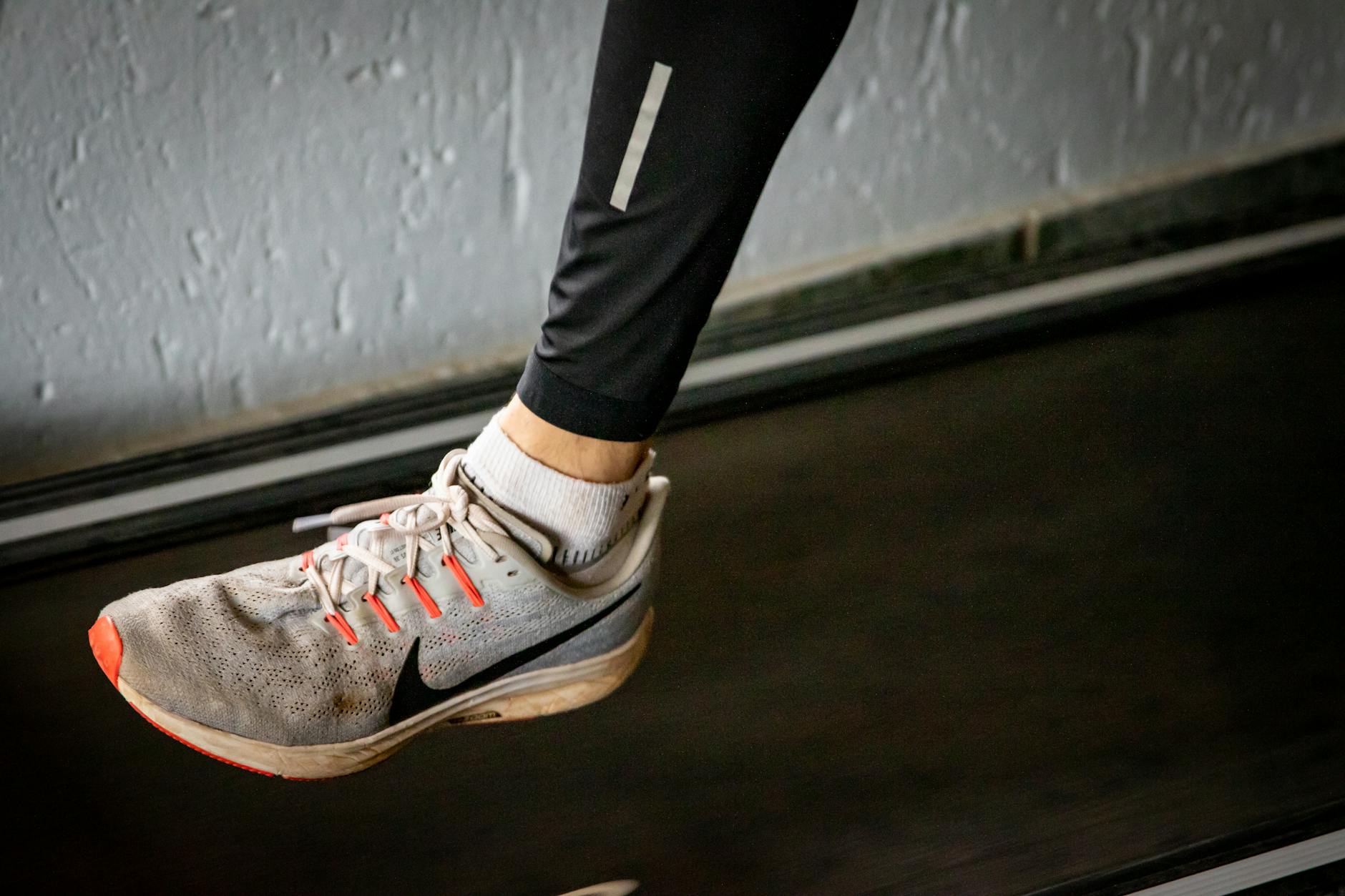
Long treadmill runs demand more from shoes than speed work does, yet many runners fail to recognize this fundamental difference when selecting their indoor training footwear. The repetitive nature of extended treadmill sessions, combined with the belt’s unique surface characteristics, creates a distinct set of mechanical stresses that accumulate over time in ways that shorter, faster efforts simply do not replicate. Understanding this distinction can mean the difference between completing a successful indoor training block and dealing with nagging injuries that derail your progress. The treadmill presents a paradox for runners. On one hand, the cushioned belt reduces some impact forces compared to concrete or asphalt.
On the other hand, the absolutely consistent surface eliminates the natural variations in terrain that distribute stress across different muscle groups and shoe components. During a 60 to 90 minute treadmill run, your foot strikes the same spot on your shoe, at the same angle, with the same force pattern, thousands of times in succession. This relentless consistency places extraordinary demands on your footwear’s cushioning systems, stability features, and structural integrity. By the end of this article, you will understand precisely why your long run shoes need different characteristics than your speed session trainers, how to evaluate whether your current footwear meets the demands of extended treadmill efforts, and what specific features to prioritize when building out your indoor running shoe rotation. The goal is not to sell you on any particular brand or model but to equip you with the knowledge to make informed decisions that protect your body during those crucial long runs that form the backbone of endurance training.
Table of Contents
- Why Do Long Treadmill Runs Place Greater Demands on Running Shoes Than Speed Work?
- How Treadmill Running Differs From Outdoor Long Runs in Shoe Requirements
- Cushioning Technology and Its Performance Over Extended Distances
- Selecting Shoes Built for Long Treadmill Sessions
- Common Mistakes Runners Make With Treadmill Long Run Footwear
- Building a Shoe Rotation for Indoor Training
- How to Prepare
- How to Apply This
- Expert Tips
- Conclusion
- Frequently Asked Questions
Why Do Long Treadmill Runs Place Greater Demands on Running Shoes Than Speed Work?
The fundamental difference between long treadmill runs and speed work comes down to cumulative load versus peak load. During interval sessions or tempo runs, you might spend 20 to 40 minutes at elevated intensities, generating higher peak forces with each footstrike but accumulating relatively fewer total impacts. A typical speed session might involve 2,000 to 4,000 footstrikes. Compare this to a 90-minute easy long run, which can generate 12,000 to 15,000 footstrikes depending on your cadence. The sheer volume of repetitive stress during extended efforts overwhelms shoe components in ways that shorter sessions cannot.
Cushioning foam, regardless of its composition, responds to loading cycles through a process called compression set. Each time you land, the foam compresses and then rebounds. During speed work, the foam has time between sessions to recover its original properties. During a long run, however, the foam experiences continuous loading without recovery time, causing temporary degradation in cushioning response that becomes more pronounced as the run progresses. Research from footwear biomechanics labs has shown that midsole foam can lose 20 to 30 percent of its energy return capacity by the end of a two-hour run, with that capacity only fully returning after 24 to 48 hours of rest.
- **Impact accumulation**: Long runs multiply total footstrikes by factors of three to five compared to speed sessions, concentrating wear on identical contact points
- **Foam fatigue**: Continuous loading prevents midsole recovery between strikes, progressively reducing cushioning effectiveness throughout the run
- **Structural stress**: Upper materials, heel counters, and outsole components experience prolonged tension and flexion cycles that test their durability limits
How Treadmill Running Differs From Outdoor Long Runs in Shoe Requirements
The treadmill belt creates a running environment that differs meaningfully from outdoor surfaces, and these differences influence shoe requirements for extended efforts. The belt surface provides consistent traction and a slight give that outdoor pavement lacks, which affects both the landing and push-off phases of your gait. Studies measuring ground reaction forces have found that treadmill running typically produces 5 to 15 percent lower peak impact forces than running on concrete at equivalent speeds. This might suggest less shoe cushioning is needed, but the reality is more nuanced.
Because treadmill runners often maintain identical speed and form for extended periods, they miss out on the natural gait variations that occur outdoors. When running outside, you subconsciously adjust your stride for curbs, camber changes, surface transitions, and terrain undulations. These micro-adjustments distribute stress across different areas of the foot and engage stabilizing muscles in varying patterns. The treadmill eliminates this variability, meaning identical muscle groups and shoe components absorb the entirety of each session’s stress. This is why some runners experience overuse injuries during treadmill training blocks despite the softer surface.
- **Surface consistency**: The treadmill belt eliminates natural terrain variations that would otherwise distribute impact across different shoe regions
- **Heat buildup**: The enclosed environment of most treadmill spaces, combined with friction between the shoe and belt, increases temperature inside the shoe by 5 to 10 degrees Fahrenheit during long efforts
- **Altered biomechanics**: Many runners adopt a slightly different gait pattern on the treadmill, often with reduced stride length and increased cadence, changing the loading characteristics on their footwear
Cushioning Technology and Its Performance Over Extended Distances
Modern running shoe cushioning relies on various foam technologies that behave differently under sustained load. EVA-based foams, which dominated the market for decades, compress relatively quickly under repetitive stress and offer moderate energy return. Newer materials like TPU-based foams, nitrogen-infused compounds, and supercritical foam technologies maintain their properties better over long distances but come with tradeoffs in weight, durability, and price. Understanding these differences helps explain why shoe selection matters more for long runs.
The concept of energy return has become a marketing centerpiece for shoe companies, but the practical implications for long-run performance deserve scrutiny. A shoe advertising 70 percent energy return might deliver that figure during fresh, lab-controlled conditions, but maintaining that performance over a 90-minute treadmill run is another matter entirely. The most effective long-run shoes pair resilient foam compounds with appropriate stack heights that provide enough material to absorb repeated impacts without bottoming out. Stack height refers to the total thickness of material between your foot and the ground, with long-run shoes typically ranging from 30 to 40 millimeters in the heel.
- **Foam degradation curves**: Different foam technologies lose cushioning response at varying rates, with some compounds maintaining 90 percent of their properties at the 60-minute mark while others drop to 70 percent
- **Stack height considerations**: Taller stack heights provide more foam volume to absorb impacts but can reduce stability and ground feel, requiring runners to balance protection with control
Selecting Shoes Built for Long Treadmill Sessions
Choosing footwear specifically suited to extended treadmill running requires evaluating several characteristics that might not matter for shorter efforts. The ideal long-run treadmill shoe prioritizes sustained cushioning performance, breathability, and fit comfort over responsiveness and weight savings. This does not mean selecting the heaviest, most padded shoe available, but rather finding the intersection of adequate protection and efficient running mechanics. Start by examining the midsole composition of any shoe under consideration.
Look for foams marketed with terms like “resilient,” “responsive over distance,” or specific technology names associated with energy return. Avoid shoes designed primarily for racing or speed work, which often sacrifice cushioning durability for weight reduction. The outsole rubber should cover high-wear areas adequately, as treadmill running tends to accelerate wear in consistent patterns that can quickly expose the midsole foam. Finally, consider the upper construction, seeking materials that balance structure with ventilation to manage the heat buildup inherent to indoor running.
- **Midsole resilience**: Prioritize foam technologies known for maintaining properties under sustained load rather than those optimized for peak responsiveness
- **Upper breathability**: Engineered mesh materials with adequate ventilation zones help manage temperature during long indoor efforts
- **Heel counter stability**: A firm but not rigid heel counter helps maintain consistent foot positioning as fatigue sets in during the latter stages of long runs
- **Fit tolerance**: Shoes should accommodate the foot swelling that occurs during extended running, typically around half a size larger than your normal fit
Common Mistakes Runners Make With Treadmill Long Run Footwear
One of the most frequent errors runners make is using the same shoes for treadmill long runs that they use for outdoor speed work or racing. The demands are fundamentally different, and a shoe that excels in one context may perform poorly in another. A lightweight racing flat with minimal cushioning might feel fantastic during a track session but leave your legs battered after 75 minutes on the treadmill. The reverse is also true: heavily cushioned trainers that protect you during long efforts may feel sluggish and unresponsive during intervals.
Another common mistake involves ignoring shoe age when calculating remaining useful life. Runners often track mileage to determine when to replace shoes, but treadmill miles and outdoor miles affect shoes differently. The consistent surface and controlled environment mean less visible wear to outsole rubber, which can mask the internal degradation happening within the midsole. A shoe that appears nearly new after 200 treadmill miles may have experienced significant cushioning degradation that would be more apparent if those same miles had been logged on abrasive pavement. Consider replacing treadmill-specific shoes based on time in use or perceived cushioning response rather than visible wear patterns alone.
- **Single-shoe syndrome**: Using one pair of shoes for all running activities prevents adequate foam recovery between sessions and accelerates overall degradation
- **Mileage miscalculation**: Treadmill running creates different wear patterns that can hide internal foam breakdown, leading runners to use degraded shoes longer than appropriate
- **Ignoring environmental factors**: The indoor environment affects shoe performance through heat accumulation and sweat saturation, both of which impact cushioning response
Building a Shoe Rotation for Indoor Training
Establishing a dedicated rotation for treadmill training allows each pair to recover between uses while matching specific shoes to specific workouts. The minimum effective rotation includes two pairs: one optimized for cushioning and protection during long runs, and another lighter option suited to speed work and shorter efforts. Runners logging significant indoor mileage benefit from expanding to three or four pairs, further distributing wear and allowing more complete foam recovery between sessions.
The recovery time between uses matters more than many runners realize. Midsole foams require 24 to 48 hours to fully return to their baseline properties after a long run. Rotating shoes ensures each pair gets adequate rest, maintaining better cushioning performance over the shoe’s lifespan and providing more consistent protection during demanding sessions. This approach costs more upfront but typically results in better per-mile value as each shoe lasts longer and performs more consistently throughout its useful life.
How to Prepare
- **Assess your current shoes by feel, not appearance**: Run 10 minutes on the treadmill and pay attention to cushioning response, particularly comparing how the shoes feel at minute two versus minute eight. Notice any degradation in shock absorption or changes in how your feet contact the belt.
- **Determine your weekly treadmill volume**: Calculate the total time you spend on long treadmill efforts each week. Runners logging more than 90 minutes weekly in indoor long runs should seriously consider dedicated footwear optimized for this purpose.
- **Evaluate your gait and foot type**: Visit a specialty running store for gait analysis if you have not done so recently. Your biomechanical needs influence which stability and cushioning features matter most during extended efforts.
- **Research foam technologies suited to sustained performance**: Look for shoes featuring midsoles specifically designed for durability under continuous load. Read reviews focusing on long-run performance rather than initial impressions.
- **Budget for multiple pairs**: Plan to invest in at least two pairs of shoes that meet your treadmill running needs, enabling proper rotation and recovery between sessions.
How to Apply This
- **Designate specific shoes for long treadmill efforts**: Once you identify appropriate footwear, use those shoes exclusively for runs exceeding 45 to 60 minutes on the treadmill. This preserves their cushioning properties for when you need them most.
- **Track usage by time rather than distance**: Create a simple log noting the date and duration of each long run in your designated shoes. Set a replacement threshold based on total hours of use, typically 40 to 60 hours for cushioning-focused trainers.
- **Alternate pairs between long run days**: If possible, avoid using the same pair for consecutive long runs. A 48-hour minimum between uses allows more complete foam recovery.
- **Monitor cushioning response during runs**: Pay attention to how the shoes feel in the final 20 minutes of long efforts. If you notice significant cushioning degradation before reaching expected shoe lifespan, consider earlier replacement or evaluation of whether the shoe model suits your needs.
Expert Tips
- **Test new shoes on shorter treadmill runs first**: Before committing to a long effort in new footwear, complete several 30 to 40 minute sessions to evaluate fit, cushioning response, and any potential hot spots or discomfort that might amplify over longer distances.
- **Consider the treadmill belt surface**: Different treadmill manufacturers use varying belt materials with different grip and cushioning properties. A shoe that works well on one treadmill may feel different on another, so evaluate footwear on the specific equipment you use most frequently.
- **Loosen lacing slightly for long runs**: As feet swell during extended efforts, overly tight lacing can cause numbness and discomfort. Use a lacing pattern that provides security without restricting circulation, and consider adjusting tension during the run if needed.
- **Replace insoles independently of shoes**: Stock insoles often compress faster than midsole foam. Replacing insoles at the halfway point of a shoe’s life can restore some cushioning response without the full cost of new footwear.
- **Store shoes in climate-controlled spaces**: Heat accelerates foam degradation. Keep your treadmill shoes in a cool, dry area rather than in a gym bag or car trunk where temperatures can fluctuate significantly.
Conclusion
The demands that long treadmill runs place on running shoes differ fundamentally from those of speed work, and recognizing this distinction improves both performance and injury prevention. The repetitive, consistent nature of treadmill running amplifies cumulative stress on footwear cushioning systems, requiring shoes with resilient foam compounds, adequate stack heights, and construction quality that maintains protective properties throughout extended efforts. Speed work shoes, optimized for responsiveness and light weight, simply cannot meet these demands effectively.
Investing in appropriate footwear for your treadmill long runs represents one of the most practical steps you can take to protect your body during indoor training. Evaluate your current shoes honestly, consider building a rotation that allows adequate recovery between uses, and prioritize sustained cushioning performance over flashy technology or race-day responsiveness. Your legs absorb the consequences of footwear decisions over thousands of repeated impacts, so choose shoes that hold up to that challenge. The miles you log on the treadmill form the aerobic foundation of your running fitness, and they deserve equipment matched to their importance.
Frequently Asked Questions
How long does it typically take to see results?
Results vary depending on individual circumstances, but most people begin to see meaningful progress within 4-8 weeks of consistent effort. Patience and persistence are key factors in achieving lasting outcomes.
Is this approach suitable for beginners?
Yes, this approach works well for beginners when implemented gradually. Starting with the fundamentals and building up over time leads to better long-term results than trying to do everything at once.
What are the most common mistakes to avoid?
The most common mistakes include rushing the process, skipping foundational steps, and failing to track progress. Taking a methodical approach and learning from both successes and setbacks leads to better outcomes.
How can I measure my progress effectively?
Set specific, measurable goals at the outset and track relevant metrics regularly. Keep a journal or log to document your journey, and periodically review your progress against your initial objectives.
When should I seek professional help?
Consider consulting a professional if you encounter persistent challenges, need specialized expertise, or want to accelerate your progress. Professional guidance can provide valuable insights and help you avoid costly mistakes.
What resources do you recommend for further learning?
Look for reputable sources in the field, including industry publications, expert blogs, and educational courses. Joining communities of practitioners can also provide valuable peer support and knowledge sharing.
1 thought on “Long Treadmill Runs Demand More From Shoes Than Speed Work Does”
Comments are closed.