
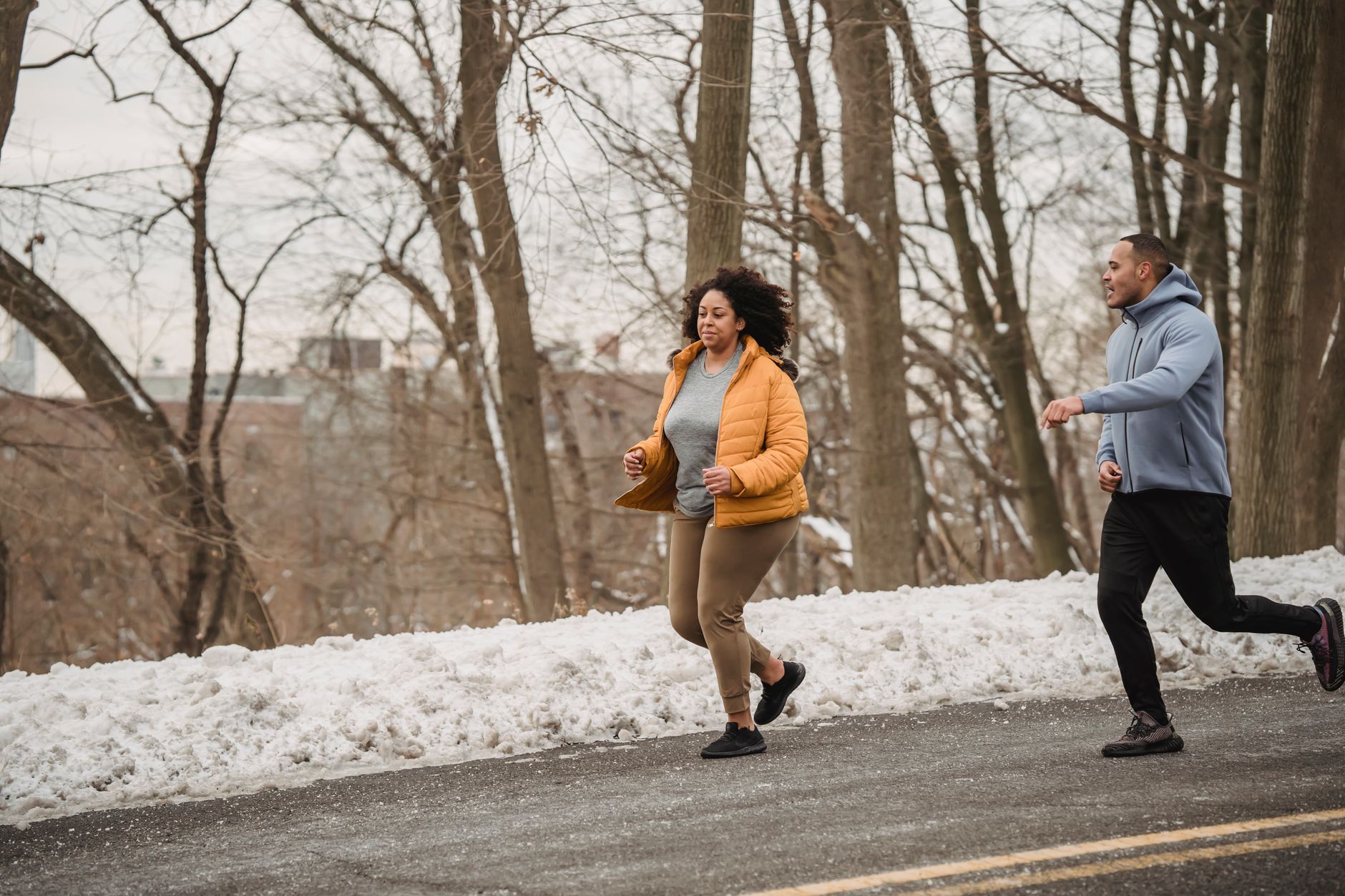
The 2026 cold-weather running update pairs new lab evidence on cold fatigue with heat-holding base layers and waterproof winter shoes. Cold-weather running gear means clothing and shoes that keep body heat, move sweat outward, and block wind, water, and snow.
The key shift is practical. Cooling plus hard thinking lowers later endurance, cold weakens grip and hand skill, and spit tests do not predict the drop. Wool that breathes during effort, coatings that reuse body heat, and waterproof-breathable shoes now address those strains directly.
Medical information disclaimer: This article is for general educational purposes only and does not provide medical advice, diagnosis, or treatment. Always consult a physician or other qualified health professional about symptoms, medications, tests, or treatment decisions.
Table of Contents
- Why does thinking hard in the cold hurt endurance?
- What happens to strength and hands at 0°C?
- Which base layer handles stop-and-go effort?
- How do you keep feet dry and skin safe?
Why does thinking hard in the cold hurt endurance?
Osaka Metropolitan University reports nine healthy young men did hard mental tasks while fully cooled, then ran worse on endurance Osaka Metropolitan University report. Effects varied with each runner's fatigue and stress response. Winter trainees face the same mix before evening intervals, night races, and long cold commutes.
Keep hard choices out of the cold. Plan the route, pace, and fuel indoors. Start warm, breathe through a scarf, and cut the session short if focus fades.
What happens to strength and hands at 0°C?
Lab work published in Medicine and Science in Sports and Exercise found submaximal exercise at 0°C and 10°C impaired physical output and manual skill. Tying shoes, opening gels, and holding a phone get clumsy fast. Ten minutes of rewarming near 22-23°C lifted grip, dexterity, and comfort by 30-50% but left performance only partly restored.
The same journal program found saliva markers did not strongly predict who lost more performance in the cold. Do not use a spit test to judge cold strain. Step inside for ten minutes when fingers stiffen, drink something warm, rewarm hands, then decide whether to resume.
Which base layer handles stop-and-go effort?
Textile World reporting on a four-year North Carolina State University program found 100% Merino wool gave superior comfort in stop-go sport Textile World reporting on the NC State program. Dynamic breathability released heat and moisture during work and held warmth during rest. That pattern fits intervals, hill repeats with regroups, and run-walk training.
Under Armour says its ColdGear Infrared uses a soft thermo-conductive inner coating that absorbs and holds body heat without added bulk. Its dual-layer brushed interior warms, while mesh panels vent sweat. Pick close but not tight fit, and keep the next layer breathable.
How do you keep feet dry and skin safe?
Nike says its winterized Vomero 18 pairs a waterproof GORE-TEX upper with technical mesh for a dry yet comfortable ride, plus reflective details for dark runs. Adidas explains the same waterproof-breathable approach blocks water and snow outside while letting sweat escape through upper, liner, and sockliner.
Use them for wet roads, slush, and winter trails. The U.S. Centers for Disease Control and Prevention advises face, head, and hand cover plus layered, water-resistant outerwear to prevent frostbite and hypothermia CDC cold safety guide.
- scarf or knit mask over face and mouth, hat, mittens or gloves
- water-resistant coat and boots, plus several loose-fitting layers