
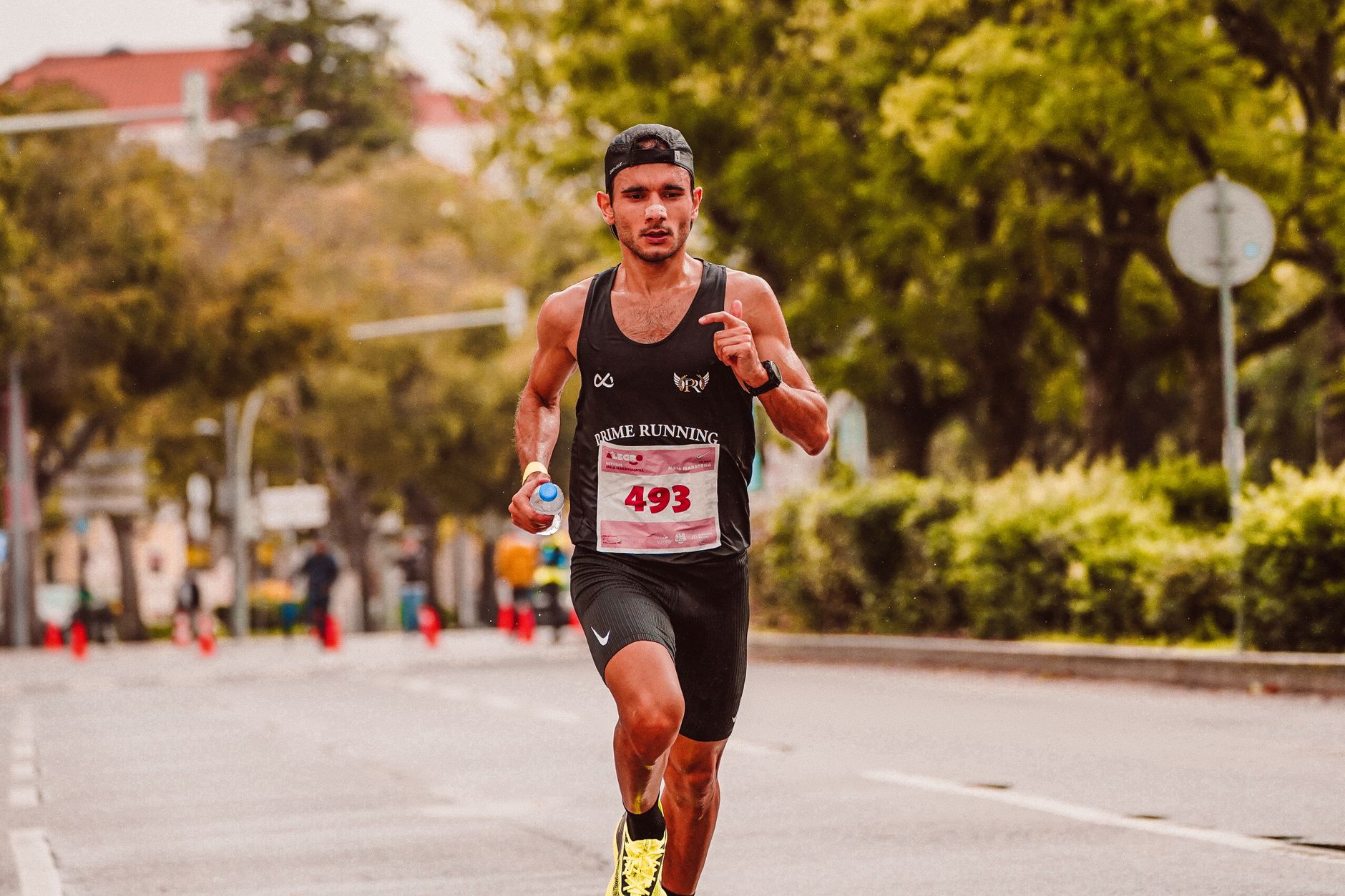
evidence shows runner's high comes mainly from endocannabinoids, not endorphins, and responds to steady training tracked with modern wearables. Runner's high is exercise euphoria with reduced anxiety during or after sustained aerobic running.
You do not need extreme endurance to feel it. Most benefit comes from regular moderate-to-vigorous runs plus recovery awareness. This update explains the mechanism, the effective dose, training adaptation, and useful technology.
Medical information disclaimer: This article is for general educational purposes only and does not provide medical advice, diagnosis, or treatment. Always consult a physician or other qualified health professional about symptoms, medications, tests, or treatment decisions.
Table of Contents
- What actually causes it?
- How long and hard should you run?
- Why does regular training make it easier?
- How can watches guide training?
- How do you build a steady routine?
What actually causes it?
Psychology Today, reporting Siebers et al. in Psychoneuroendocrinology, describes the key pharmacology test. Volunteers still reported euphoria and less anxiety when opioid signaling was blocked. Endocannabinoids rose at the same time. University of Duisburg-Essen researchers, via News-Medical, tracked the marathon anandamide surge.
Nineteen experienced runners around Lake Baldeney showed anandamide rising through a marathon. Levels stayed elevated 45 minutes after finishing, with much smaller change during time-matched walking. That pattern points to sustained running as the trigger. Walking the same time did not produce the same response. Intensity and continuity matter more than willpower or pain tolerance.
How long and hard should you run?
MedicalXpress summarizes current neuroscience in its runner's-high review. Most studies report increases after 30-60 minutes of continuous aerobic running. Effective intensity is moderate-to-vigorous, about 70-85% of maximum heart rate.
You do not need a marathon. A steady hour-long run in that heart-rate zone can qualify. Consistency beats single heroic efforts.
Why does regular training make it easier?
World Athletics, in a performance science article, links regular training to structural brain changes. About six weeks of regular training makes runner's high easier to attain. Habitual runners also report more everyday joy, pleasure, hope and motivation.
Think of early weeks as building access. Each steady run trains both fitness and brain response. Once routine, mood benefits extend beyond workout time.
How can watches guide training?
Apple Support says Apple Watch Series 3 and later estimates VO2 max with heart and motion sensors. It uses Outdoor Walk, Outdoor Run or Hiking workouts. Reported range is 14-65 mL/kg/min, validated for users age 20 and older. Garmin explains in the Forerunner 965 Owner's Manual that watches calculate Hill Score and Endurance Score.
Scores use training history plus a VO2 max estimate from the prior two months. They gauge uphill strength, hill endurance and sustained-effort capacity. freeCodeCamp, summarizing a 2025 PLOS ONE validation, reports meaningful Apple Watch error. The laboratory comparison found average underestimation with meaningful mean absolute percentage error. Treat watch VO2 max as trend and coaching data, not lab truth.
How do you build a steady routine?
The National Institute on Aging, updated June 5, 2025, cites U.S. guidance for at least 150 minutes per week of moderate aerobic activity plus 2 days of muscle-strengthening. Only about 24% of adults meet it.
Graded 30-60 minute runs with heart-rate and recovery tracking can aid adherence. Use wearables to stay in range and avoid gaps. Add one run per week until the routine holds.
- Schedule graded 30-60 minute runs
- Hold moderate-to-vigorous effort with heart-rate feedback
- Log recovery and keep strength work twice weekly