
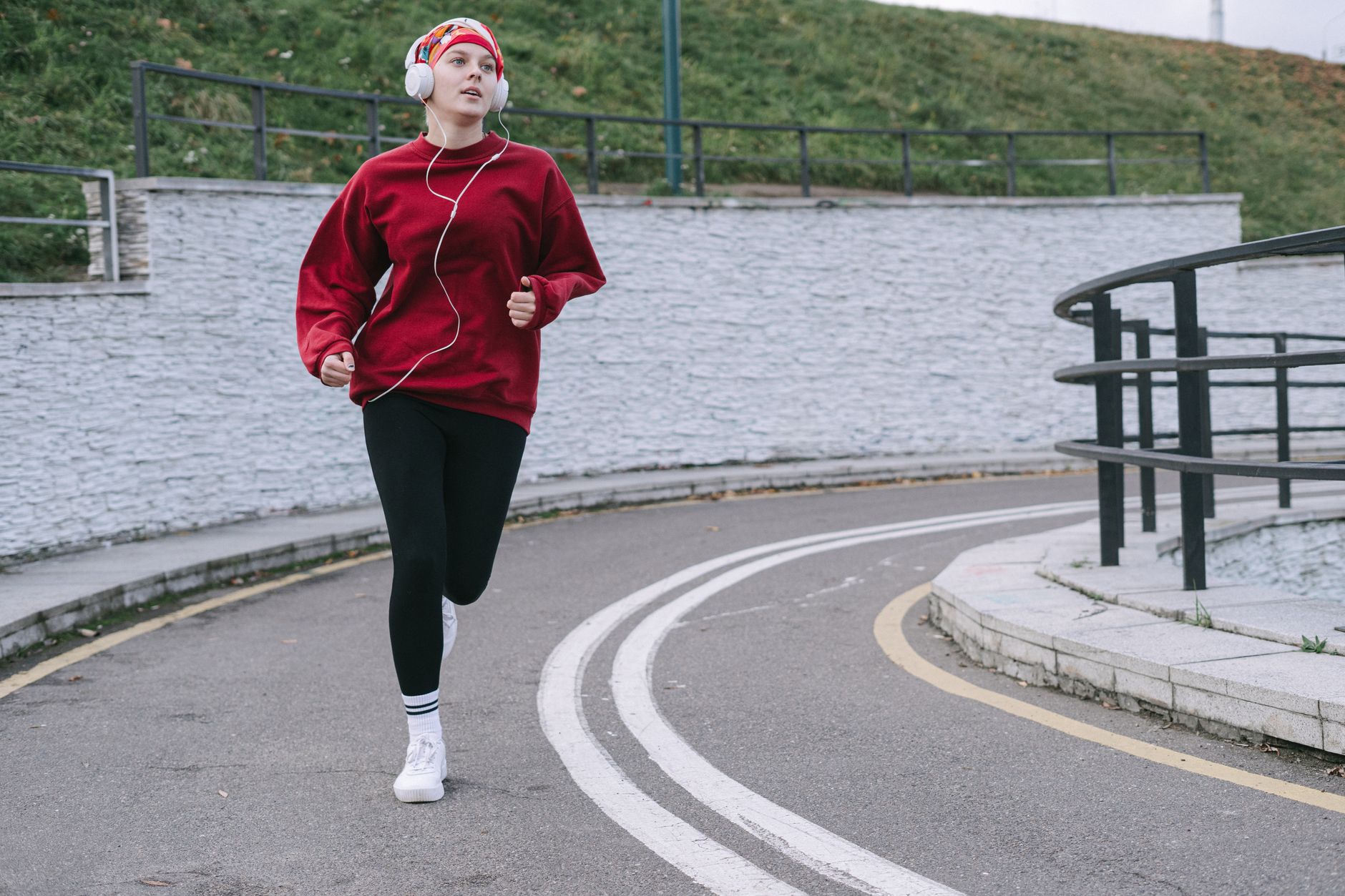
Winter running layering means wearing a moisture-wicking base, an insulating middle, and a windproof outer you adjust by temperature. For fit, features, and value, buy snug wicking fabrics, targeted insulation and wind protection, and durable reflectivity and storage without overdressing. A base layer sits against skin and moves sweat outward. A mid-layer traps warmth, while the shell blocks wind and rain.
Medical information disclaimer: This article is for general educational purposes only and does not provide medical advice, diagnosis, or treatment. Always consult a physician or other qualified health professional about symptoms, medications, tests, or treatment decisions.
Table of Contents
- How should each layer fit?
- Wool or synthetic: which insulates better for runners?
- What features matter in tights and jackets?
- How do you stay warm without overheating?
- Where should you spend and save?
How should each layer fit?
Runners Need recommends three layers: a moisture-wicking base, an insulating mid-layer such as fleece or wool, and a windproof or waterproof outer jacket, with thickness adjusted by temperature, as explained in its winter run layering guide. The base handles sweat, the middle holds heat, and the shell shields moving air and precipitation.
REI Co-op expert advice says base layers must fit snugly without restricting movement so they wick sweat, and recommends merino wool or synthetic polyester over cotton, which holds water and loses warmth, detailed in its layering basics. Choose flat seams and stretch around shoulders and hips. Size the mid-layer to slide over the base without bunching.
- Base: snug, long enough to stay tucked during stride
- Mid: room for air, easy arm swing, fast venting
- Shell: covers mid-layer, vents heat, blocks wind
Wool or synthetic: which insulates better for runners?
REI Co-op Uncommon Path reports merino wool insulates across a wide temperature range because of naturally crimped fibers. That crimp creates trapped air that stays warm during pace changes. It also stays comfortable when damp from sweat.
The same source reports synthetic fleece is highly breathable, less bulky, and dries fast between efforts. That makes fleece useful for high-sweat intervals and stop-start city runs. Pick merino for steady cold and odor control, fleece for breathability and quick drying.
What features matter in tights and jackets?
Canadian Running Magazine says effective winter tights combine thermal or fleece-lined fabric with wind-blocking front panels. It also lists articulated knees, a secure phone pocket, drawstring waist, and reflective trim for dark commutes. Knees should bend freely, and pockets should hold a phone without bounce.
L.L.Bean coverage says cold-weather tights and jackets add value through wind- and water-resistant membranes, four-way stretch, zippered sweat-proof pockets, and 360-degree reflectivity. Examples include Nike Shield tights and Proviz-style reflective jackets. Prioritize front wind protection, stretch for stride, and zippers that keep keys dry.
How do you stay warm without overheating?
The Road Runners Club of America, reprinted by Colorado Runner Magazine, advises runners to avoid overdressing and start feeling slightly chilly, because body heat makes layered running feel about 20 degrees Fahrenheit warmer after warm-up, in its cold-weather tips. Test new combinations on short loops near home. Open vents or shed gloves before sweat soaks the base.
Mayo Clinic News Network and the National Weather Service warn frostbite most threatens fingers, toes, nose, ears, cheeks and chin. They advise covering head, face and hands and wearing two socks on extreme-cold days. At about minus 15 F wind chill, freezing can begin within 30 minutes.
Where should you spend and save?
BetterTrail reports entry merino starts near $75 for Ridge Merino Aspect versus about $105 for Icebreaker Merino 200 Oasis and $80 for REI Co-op Merino 185, in its Best Base Layers of 2026. Synthetic base layers cost less but retain odor and provide less insulation.
Buy fit and fabric first, then features. Spend where cold hits hardest: wind-blocking fronts, secure storage, and reflectivity for evening miles. Save by choosing synthetic for mild winter days and reserving merino for long, very cold runs.