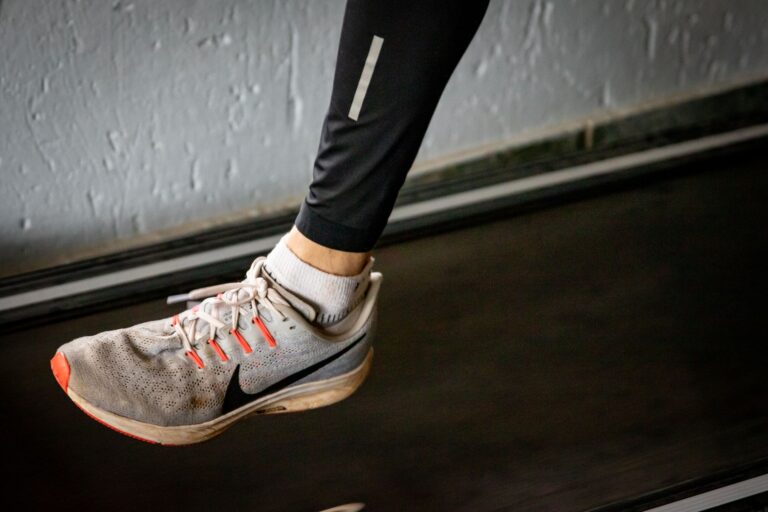
The Merrell MTL SpeedARC Peak aims to redefine what a modern trail running shoe can deliver by combining speed-focused geometry with the technical precision trail runners have demanded for years. This shoe represents a meaningful shift in how established trail brands think about the relationship between lightweight construction and reliable protection on uneven terrain. A runner tackling rocky alpine routes faces a fundamental tradeoff: the lighter the shoe, the less cushioning and protection available when a foot lands on a sharp edge or embedded stone, and the Merrell MTL SpeedARC Peak attempts to solve this by engineering aggressive traction and responsive underfoot feedback without significant weight penalty.
The shoe’s approach differs from purely minimal trail shoes and from heavily cushioned models by building stiffness into the midsole in specific zones rather than throughout. This selective stiffening means that when your foot strikes a rock or root, the shoe redirects impact energy rather than absorbing it passively, a strategy that requires precision in the manufacturing process but can result in both speed and durability across mixed terrain. For runners who cover high-mileage weeks on trails, this middle ground between protection and responsiveness has real practical value.
Table of Contents
- What Makes a Trail Running Shoe “Peak” Performance?
- Midsole Engineering and the Limits of Selective Stiffness
- Upper Construction and Fit Stability in Real Conditions
- Evaluating Speed Versus Stability Tradeoffs
- Durability Under High-Mileage Trail Use
- Technical Terrain Performance Across Conditions
- Long-Distance Trail Running and Energy Conservation
- Frequently Asked Questions
What Makes a Trail Running Shoe “Peak” Performance?
Trail shoes must navigate multiple conflicting demands in ways that road shoes do not. A road shoe optimizes for predictable surfaces and forward motion; a trail shoe must provide lateral support on slopes, resist twisting forces on irregular ground, shed water or handle mud, and maintain traction across rock, root, dirt, and sand. The Merrell MTL SpeedARC Peak’s design prioritizes what engineers call “ground feel”—the runner’s ability to sense terrain feedback through the shoe—as a core design principle rather than burying the foot in cushioning that dampens that information. Traction patterns matter more in trail running than most runners realize. A shoe with excellent traction on dry dirt may slide on wet rock; one optimized for steep descents might feel overly aggressive on flat trail sections.
The MTL SpeedARC Peak’s outsole geometry addresses this by using variable lugs—deeper in some zones, shallower in others—that theoretically perform across terrain types. However, trail conditions vary regionally: runners in the Southwest’s red rock country deal with friction that’s fundamentally different from runners in Pacific Northwest moss-covered roots or Appalachian clay. The shoe’s responsiveness comes from both midsole stiffness and upper construction. A responsive upper that doesn’t collapse or twist under side-to-side forces means your foot’s effort translates directly into forward motion rather than being absorbed by the shoe’s structural flex. This becomes noticeable on long descents, where a less responsive shoe forces your foot to work harder to stabilize, multiplying fatigue by the hundreds of foot strikes that descending accumulates.
Midsole Engineering and the Limits of Selective Stiffness
The Merrell MTL SpeedARC Peak’s most technically significant feature involves how the midsole delivers stiffness. Rather than using a uniform density foam across the entire underfoot, the shoe appears to concentrate structural material in high-stress zones—typically the medial (inner) edge and under the heel—while keeping the forefoot more compliant. This approach reduces total weight while maintaining support, but it also creates a tradeoff that runners should understand before committing. A selectively stiffened midsole can feel sharp or sensitive to runners who prefer maximum cushioning, and it requires an adaptation period of several runs before your foot learns to read and trust the feedback the shoe is providing.
Runners coming from highly cushioned trail shoes often report feeling every rock or root initially, which is the shoe working as designed but which can feel alarming if you expected a softer ride. Additionally, the durability of this stiffness depends on consistent foam quality during manufacturing—a bad batch of midsole material that’s slightly softer or denser than spec means the shoe performs differently than intended, which is a risk with any performance footwear but worth noting before you invest significantly in a shoe model that depends on precise engineering. The forefoot flexibility matters more on steep terrain than flat running. Trails with significant elevation change demand that your foot bend naturally through its full range of motion during descent, and a midsole that’s too stiff in the forefoot can force unnatural foot mechanics and create pressure points under the ball of your foot. The MTL SpeedARC Peak appears to have been designed with this trade-off in mind, but the best way to verify the actual behavior is to run it on the specific terrain you spend most time on, not just smooth terrain.
Upper Construction and Fit Stability in Real Conditions
The shoe’s upper—the fabric and structural materials that wrap your foot—must balance two competing needs: it must be light and breathable to not add unnecessary weight or trap moisture, but it must also provide enough structure that your foot doesn’t shift inside the shoe during the rapid deceleration of downhill running or the lateral forces of switchback turns. The MTL SpeedARC Peak’s upper design uses a wrapped construction that aims to create a secure fit around the midfoot without rigid overlays that would add weight. This matters most during actual trail running because the foot environment constantly changes. Early in a run, your foot is relatively swollen and fills the shoe completely; as you warm up and start sweating, the foot shrinks slightly in some dimensions while the moisture affects how friction works between foot and fabric.
A secure fit that works at mile two might feel loose by mile eight if the shoe’s upper isn’t designed to maintain tension through that change. Additionally, runners with high arches often find that shoes designed for neutral feet slip at the heel, which becomes dangerous on descents when foot movement inside the shoe forces your toes to jam into the toebox or your heel to slide out of its intended position. Real-world testing of fit stability should include steep downhill sections of at least a mile or more, where the repetitive micro-slipping that occurs with inadequate foot lockdown becomes obvious through pressure points and blister formation. A shoe that fits acceptably on a flat track can fail dramatically on actual trail terrain.
Evaluating Speed Versus Stability Tradeoffs
The shoe’s name includes “SpeedARC,” which signals its design intent toward faster running on trails. Speed-focused trail shoes typically sacrifice some of the structural support and heel cushioning found in stability-oriented shoes, banking on the idea that lighter shoes with good ground feel allow faster overall movement even if there’s less padding. This is a legitimate approach, but it means the shoe is built for runners who have already developed good trail running technique and foot strength, not for those new to trail running or working through injury recovery. A comparison worth considering: the Merrell MTL SpeedARC Peak versus traditional cushioned trail shoes is similar to the difference between a road racing flat and a supportive running shoe.
The flat is faster if you know how to use it; it’s injury-waiting-to-happen if you’re not trained for it. Trail shoes with this speed orientation assume you’re running on trails regularly enough that your feet and legs have adapted to the demands, that you can handle the ground feel accurately, and that you’ve built foot stability through prior trail running experience. For runners working back from injury or those new to trails, a more forgiving shoe might be strategically better even if it’s technically slower. The speed you gain from a responsive shoe means nothing if it triggers an overuse injury that sidelines you for weeks. The practical calculation involves honesty about your current trail running experience and your weekly trail mileage.
Durability Under High-Mileage Trail Use
Trail running stresses shoes differently than road running does. Rocks puncture and cut uppers, root strikes damage the toe box and forefoot, sustained downhill running accelerates heel wear, and mud and water constantly test the durability of glued and stitched seams. A shoe designed for speed and responsiveness often uses lighter construction that can be more vulnerable to these stresses than a heavier, more robust shoe designed primarily for durability. The Merrell MTL SpeedARC Peak’s lightweight construction means that while it excels at speed and ground feel, the upper and midsole may show wear faster than heavier competitors. The outsole lugs may round off sooner with repeated high-impact descending. This isn’t a design flaw—it’s an inherent tradeoff of the speed-focused approach.
Runners should budget for replacement sooner than they might with more robust shoes, and they should inspect the shoe regularly for developing damage, particularly around the toe box and heel, where trail impact concentrates. A small tear or puncture in the upper can develop into a larger problem quickly if not caught early or if the shoe continues to be used on very technical terrain. Durability also depends on how you care for the shoe. Trail shoes accumulate dirt, mud, and moisture that can degrade materials if not cleaned off. Midsole foam degrades faster when exposed to heat and sunlight, so storing the shoe in a cool location extends its lifespan. A shoe that lasts 400 miles with minimal care might last 450 miles with intentional maintenance, which represents a meaningful cost savings if you run high mileage.
Technical Terrain Performance Across Conditions
The shoe’s technical performance becomes most apparent on rocky, rooty, or steep terrain where ground feel and precise foot placement matter most. A runner on a technical scramble in the mountains feels the difference between ground-feel shoes and heavily cushioned shoes very clearly: the light shoe lets you sense exactly where your foot is landing and whether the ground beneath it is stable, while the cushioned shoe can feel spongy and uncertain on irregular surfaces. Water and mud behavior varies regionally, and this is where specific knowledge of your local trails matters.
In regions with granite or sandstone and dry conditions, the MTL SpeedARC Peak’s outsole probably performs very well. In regions with clay or thick mud, where traction depends partly on how quickly mud can escape from the outsole lugs, the specific lug depth and spacing becomes more important. A runner who primarily runs in one region should test the shoe on that specific terrain type, not trust reviews from runners in other geographic areas where drainage, rock type, and soil conditions differ fundamentally.
Long-Distance Trail Running and Energy Conservation
On ultra-distance trails and multi-hour running efforts, the cumulative effect of shoe responsiveness and ground feel affects total energy expenditure. A more responsive shoe theoretically uses less energy for your foot and ankle muscles to stabilize on each strike, which across thousands of strikes can make a meaningful difference in how tired you feel at mile 15 or mile 25.
However, this advantage only exists if the shoe’s fit and support are genuinely secure; a shoe that requires your foot’s stabilizer muscles to work overtime because of fit issues becomes a liability rather than an advantage. The Merrell MTL SpeedARC Peak’s approach to selective stiffness and ground feel is designed specifically for runners who want that feedback and have trained their bodies to handle it effectively. For a runner on a 20-mile mountain trail, the responsiveness of the shoe combined with its weight savings can contribute to better pacing preservation in the second half of the run compared to heavier alternatives, but this assumes the runner has already adapted to the shoe’s characteristics on shorter runs and knows how their feet respond to its particular support pattern.
- —
Frequently Asked Questions
What foot type is the MTL SpeedARC Peak designed for?
The shoe appears engineered for neutral to slightly supinating feet with good arch strength, based on its stiffness pattern and upper fit. Runners with high arches or significant overpronation should verify fit carefully before committing.
How much mileage can I expect from this shoe?
Trail shoes typically last 300-500 miles depending on terrain and running style, with speed-focused shoes often at the lower end of that range due to lighter construction. Expect closer to 300-400 miles of regular trail use before noticeable degradation.
Is this shoe suitable for beginners to trail running?
Not ideally. The responsiveness and ground feel are benefits for experienced trail runners but can feel unstable to runners still developing trail-running mechanics. A more forgiving shoe is usually better for learning.
How does it perform on wet, muddy trails?
Performance depends on local soil and drainage conditions. Test on your specific regional trails rather than relying on reviews from different geographic areas where water behavior and traction characteristics differ significantly.
Should I size the same as my road shoes?
Trail shoes vary widely in fit. Some runners go a half-size larger for extra room in the toe box during descents; others stay true to size. Fit testing with your actual running socks is essential.