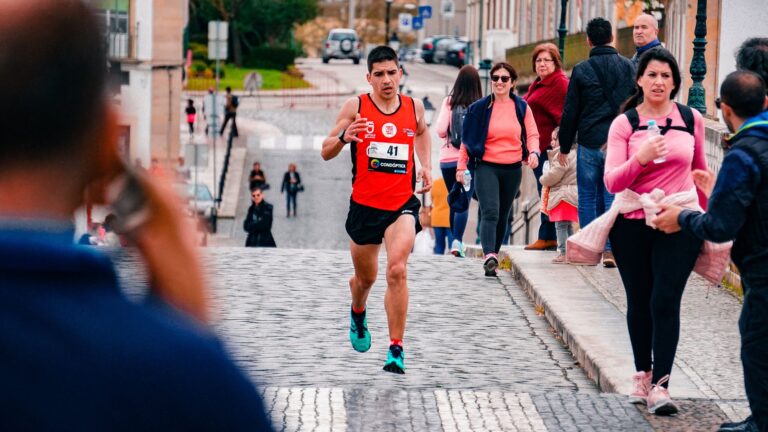
Community trail running events are explicitly designed to welcome participants of all experience levels, from complete beginners taking their first steps on dirt to seasoned ultramarathoners logging their hundredth race. This inclusive approach has fundamentally changed trail running from what many perceived as an elite or intimidating pursuit into an accessible community activity. Local trail running clubs and organized events typically offer beginner-friendly routes alongside advanced options, ensuring that someone who has never run on trails before can show up to the same event as someone training for a competitive finish and both will find a distance and pace that works.
The infrastructure supporting newcomers at these events is often deliberately built in. Many community trail races feature walk-friendly or low-mileage options, sweepers who follow along and help anyone falling behind, and a pacing structure that makes it clear there is no time pressure. A first-time trail runner showing up to a community event in Denver, Asheville, or Portland will typically find not only a beginning trail option but also experienced runners willing to guide them and answer questions afterward at a post-event gathering.
Table of Contents
- Why Do Community Trail Events Prioritize Accessibility for All Levels?
- Different Types of Community Events and Their Varied Pacing Models
- Building Confidence as a Beginner Through Community Support
- What Beginners Should Prepare Before Their First Community Trail Event
- Common Challenges New Trail Runners Face at Community Events
- Finding Local Trail Running Communities and Events
- The Experience of Trail Running in a Group Setting
- Frequently Asked Questions
Why Do Community Trail Events Prioritize Accessibility for All Levels?
Trail running club organizers and race directors have recognized that building community requires removing barriers to entry. New runners are intimidated by the idea of rough terrain, technical footing, and physical demands that differ significantly from road running. By explicitly welcoming beginners and creating dedicated beginner routes, event organizers are solving a real problem: the loneliness and anxiety of trying something new alone. A beginner showing up to their first trail event discovers they are not the only person struggling with roots and rocks, and they gain peer support that transforms a solo challenge into a shared experience. The practical benefits of this approach flow both directions.
New runners bring enthusiasm, questions, and curiosity that energize existing community members. Established trail runners report that introducing friends to their first community event, or helping a stranger navigate their first trail miles, deepens their own connection to the sport. This creates a feedback loop where inclusivity becomes a self-reinforcing value rather than a one-time gesture. One limitation to be aware of is that some community events, while technically open to all levels, may still feel intimidating if the beginner option is poorly marked or if the social culture around the event skews toward fast racers. A community group is only as inclusive as its messaging and leadership make it. The best events have club members explicitly stationed at route junctions and assigned to check on beginners.
Different Types of Community Events and Their Varied Pacing Models
Community trail events come in several formats, each with different accessibility structures. Social trail runs, the most informal type, are simply a group of people meeting at a trailhead at a set time with no race element. These are perhaps the most beginner-friendly because there is no pressure to finish anything, no course markings to navigate, and no result to worry about. Participants run or walk at their own pace and regroup at key points or at the end. A 10-person social run might split into two groups—faster runners and walkers—without anyone feeling excluded. Organized community races range from small local 5K events to half marathons or longer distances.
These typically have multiple course options: a short loop (3–5 miles), an intermediate distance, and sometimes an advanced or long option. The key difference from elite road races is that community trail races usually have generous time limits and an emphasis on finishing over competing. Some events offer a “no time cutoff” policy, meaning the course stays open as long as needed for stragglers to complete their chosen distance. A real limitation here is that beginner-friendly pacing sometimes creates a two-tier social experience. The fast wave of runners finishes, celebrates, and starts breaking down the post-race setup before the slow wave even finishes the first loop. Well-organized events mitigate this by extending the post-race gathering or scheduling awards later to include all finishers. Poorly organized events can accidentally marginalize the slower participants, even while officially welcoming them.
Building Confidence as a Beginner Through Community Support
The transition from road runner to trail runner often requires confidence-building that solo training cannot provide. Community events create a structured setting where beginners can ask questions and learn from observation. Experienced runners naturally model how to navigate technical terrain: how to position your body on a downhill, how to use your arms for balance, when to walk versus run. Watching others do this is more valuable than reading about it online. Many communities have established mentorship patterns where faster runners deliberately hang back with beginners on portions of trails, creating ad-hoc coaching moments.
A beginner struggling with a rocky section might have someone slow down and suggest a line through the rocks, demonstrating how to pick safer footing. This kind of peer education happens naturally within a community structure and builds the beginner’s competence and trust in their own abilities. After participating in one community event, many first-timers gain the confidence to try more challenging trails or join organized group training runs. A specific example: A person who grew up as a road runner might attend their first trail event expecting to run the same pace they maintain on pavement, only to discover that technical terrain requires a different approach. Seeing other beginners walk sections of trails and hearing experienced runners normalize this creates permission to adjust expectations and enjoy the experience at whatever pace feels right. The community reframes trail running success as finishing and having fun, not maintaining a specific pace.
What Beginners Should Prepare Before Their First Community Trail Event
Beginners often worry about what to bring and how to train before a community event. The honest answer is that less preparation is needed than you might think. A basic pair of trail running shoes—any shoe with tread and a stiffer sole than road shoes—is the main equipment investment. The difference between road and trail shoes is the grip and ankle support, and this alone makes a significant difference on technical terrain. Many runners borrow shoes or boots from friends for their first event rather than invest before they know if they’ll continue. Training preparation varies by distance and terrain.
For a beginner-distance community event (3–5 miles on mild terrain), some prior running fitness helps but is not essential. Many community events attract people who walk portions and that is entirely normal. If you can comfortably walk three miles, you can participate in a beginner community trail event. The advantage of running with others is that you will almost certainly move faster than if solo, carried along by group momentum and encouragement. One practical tradeoff to consider: a well-organized community event with beginner support will feel safer and more welcoming than attempting the same trail solo, but it also means showing up early to register, staying for a post-run gathering (whether you want to or not), and managing your own recovery on days when you feel social. Solo trail running offers more flexibility and fewer social obligations. Community events are the right choice if you want structure, encouragement, and peer support; solo running is right if you value solitude and scheduling flexibility.
Common Challenges New Trail Runners Face at Community Events
Beginners at community trail events often encounter technical terrain that surprises them. Rocks that looked small from photos feel large underfoot. Roots catch toes. Elevation that seemed modest on paper feels steep in person. Managing these challenges requires two things: realistic expectations and willingness to walk. The runners who struggle most psychologically are those who expected to maintain their road running pace on a technical trail. Setting an intention to walk whenever needed removes the surprise and frustration when walking becomes necessary.
Another common challenge is navigation anxiety. Even well-marked trails can confuse new runners if you are not familiar with what trail markers look like or how to read them. Community events mitigate this by routing most beginners on simpler, more obvious trails and having volunteers stationed at turns. However, this depends on the specific event’s organization. If you are joining an event with unclear routes or poor marking, show up early and walk the first section to build confidence in the route. A significant warning for solo beginners: attempting to follow experienced runners as a navigation strategy can backfire. Fast runners often take shortcuts, run by feel rather than deliberately marking landmarks, or recall the route differently than a first-timer should learn it. A better strategy is to walk the course beforehand if possible, carry a simple map or printed turn-by-turn directions, or stick with other beginners rather than drafting off a fast runner.
Finding Local Trail Running Communities and Events
Locating community trail events and clubs takes minimal research. Local running stores often have community boards, host running groups that meet weekly, or sponsor organized trail events. Online communities on local Facebook groups, Meetup, or running forums list upcoming events and group runs.
Many towns have an established trail running club with events ranging from casual social runs to seasonal races. When evaluating a community group or event, pay attention to the organizer’s stated values. Do they explicitly mention beginners or all levels in their description? Have you read reviews from new runners? The best indicators of genuine inclusivity are visible leadership from women and people of color, a diversity of ages and fitness levels at events, and active mentoring of newcomers rather than passive tolerance. A community that is inclusive by default, not by accident, makes deliberate choices in how it organizes and communicates about its events.
The Experience of Trail Running in a Group Setting
Running trails with others changes the experience fundamentally compared to solo running. The social interaction provides natural recovery periods as conversation slows your pace. The distraction of others keeps you engaged when a solo runner might focus on fatigue or discomfort. Many beginners report that they run longer distances at community events than they would alone, simply because the social engagement carries them through sections where they might otherwise stop.
The post-event gathering is part of the community experience in ways that often surprise newcomers. After a community trail run, participants linger at a meeting spot for coffee or food, exchanging stories about the run, trading advice about trails, and discussing upcoming events. Beginners often make their first trail running friends in these casual post-run conversations, creating a social network that makes returning to the next event feel natural. This repeat participation is how someone transitions from “person who did a trail run once” to “trail runner in my community.”.
Frequently Asked Questions
Do I need special shoes to run on trails?
Trail running shoes help, but they’re not strictly necessary for beginner-friendly community events. Any shoe with tread and ankle support works for low-mileage, mild-terrain events. Many people try trail running in regular running shoes first.
What if I get tired and need to walk?
Walking is completely normal and expected at community trail events, especially for beginners. Experienced runners walk too, and many events have no time cutoffs. Organizers and fellow participants expect a mix of running and walking.
How do I find community trail events near me?
Check local running stores for community boards and group runs, search Meetup for trail running clubs, search Facebook for local running groups, or look at running forums for your area. Most communities have at least one established group.
Will I be the slowest person?
At well-organized community events, probably not. Most events have a range of abilities, and community culture centers on finishing and participation, not pace. Even if you are the slowest, volunteers and other participants expect stragglers.
What should I bring to my first community trail event?
Trail shoes or regular running shoes with grip, water or a hydration pack for longer distances, a minimal daypack or belt, and weather-appropriate clothing. Many beginners bring less than they expect to need.
Can I walk the entire community trail event?
Yes. Most community events officially allow walking and unofficially accommodate it as part of their beginner-friendly culture. Walking a beginner-distance community event is a legitimate way to participate.