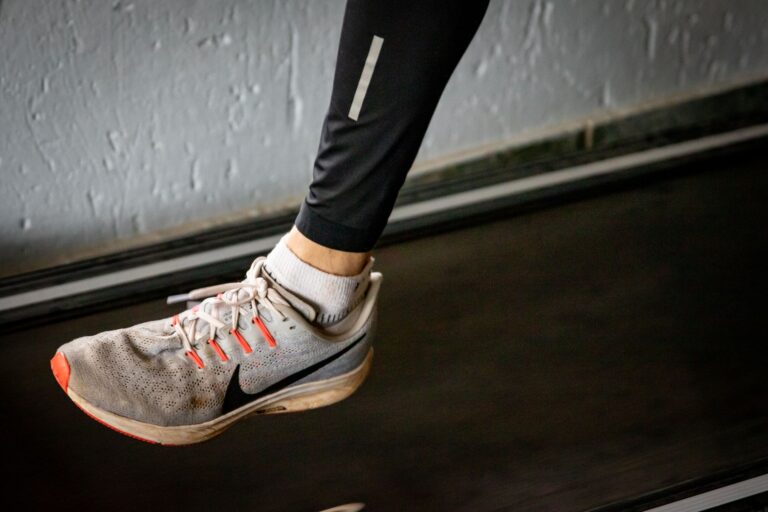
Nike has expanded its running portfolio with innovations in performance footwear that align with athlete partnerships and biomechanical research. While specific product lines carry athlete names or collaborations, Nike’s approach to performance running shoes typically centers on responsive cushioning systems, lightweight construction, and testing feedback from elite runners.
Keely Hodgkinson, the British middle-distance runner known for her 800-meter performances, represents the type of athlete Nike works with to validate shoe technologies in competitive settings where marginal performance gains matter significantly. The company’s strategy with performance running shoes follows a proven pattern: develop cushioning and structural innovations, test with elite athletes across distance categories, then release products to recreational runners. What makes these releases relevant to the broader running community isn’t the celebrity association but the underlying engineering—features tested at competitive speeds and distances that eventually become available in consumer models.
Table of Contents
- What Role Do Elite Athletes Play in Running Shoe Development?
- Understanding Performance Midsole Technology in Modern Running Shoes
- How Do Running Shoe Technologies Transfer from Elite to Consumer Products?
- Choosing Performance Shoes Based on Your Running Goals
- Common Issues with Performance-Focused Running Shoes
- Fit and Comfort Considerations in Competitive Shoe Lines
- What to Expect When New Performance Running Shoes Release
- Frequently Asked Questions
What Role Do Elite Athletes Play in Running Shoe Development?
Nike and other major manufacturers use elite athletes like Hodgkinson as testing partners and refinement consultants, not primarily as endorsers. When a world-class 800-meter runner provides feedback on shoe responsiveness, ground contact time, or lateral stability, that data influences actual product changes.
Hodgkinson’s event demands rapid ground contact, explosive force transfer, and ankle support during high-speed directional changes—exactly the stresses that reveal whether a shoe’s midsole compression rate is actually functional or merely marketed. This development model means consumer shoes released after elite testing have typically already solved specific problems at speeds most runners never approach. The tradeoff: shoes refined at 800-meter race pace may include features that don’t matter for 10K or marathon running, adding cost and complexity where simpler shoes would perform equally well for slower distances.
Understanding Performance Midsole Technology in Modern Running Shoes
Recent performance running shoes incorporate firmer, more responsive midsoles than the softer cushioning popular in the 2010s. Nike and competitors use materials like nitrogen-infused foam and carbon-fiber plates that reduce energy loss during ground contact—meaning more of your push translates into forward motion rather than dissipating into the shoe. These materials do work, measurably, but they come with limitations.
The primary limitation is durability. More responsive midsoles tend to compress faster over high-volume training; shoes that feel responsive new can feel dead after 300-400 miles of running. Additionally, the firmness that creates responsiveness can transmit more impact force to joints during easy recovery runs. An athlete doing 100 miles per week needs different properties in an easy-pace shoe versus a race-day shoe, which is why serious runners typically own multiple models.
How Do Running Shoe Technologies Transfer from Elite to Consumer Products?
When nike or other companies develop shoes with elite athletes, the technology pipeline generally flows downward: materials and systems tested at the highest level eventually appear in mid-tier and entry-level shoes. A carbon-fiber plate technology first used in competition shoes might appear in a performance training shoe two years later, then in a recreational shoe three years after that.
Each step down the product line involves cost reduction—fewer carbon layers, cheaper foam blends, less refined manufacturing. For runners, this means the shoes Hodgkinson might have tested are likely not yet widely available to the public, or they’re available only in premium pricing tiers. Waiting for the technology to filter down to more affordable models is a legitimate strategy—the core innovation eventually becomes mainstream, but without the elite-athlete markup.
Choosing Performance Shoes Based on Your Running Goals
A shoe optimized for an elite 800-meter runner—with stiff responsiveness, minimal ground contact time, and lateral support tuned for explosive directional changes—is often not the best choice for a recreational runner training for a half-marathon or marathon. Longer-distance running at slower paces requires different shoe properties: slightly more cushioning absorption, more forgiving midsole materials that don’t require precise ground contact mechanics, and durability across 500+ miles of training volume.
Before buying into a shoe line associated with elite testing, you need to match the shoe’s design intent to your race distance and weekly mileage. A shoe built for speed work and racing might be ideal for your Tuesday tempo run but poor for long, slow Sunday miles. This is the real value proposition of looking past athlete associations and instead understanding what biomechanical problem each shoe actually solves.
Common Issues with Performance-Focused Running Shoes
One persistent problem with shoes optimized for maximum responsiveness is that they demand precise running form. The stiff midsole and thin stack height leave less margin for form breakdown; if your cadence drops or your ground contact extends slightly, the shoe doesn’t absorb that deviation as forgivingly as a softer model. Runners new to performance shoes often experience soreness in the calf or Achilles tendon during the adjustment period because these shoes require slightly higher cadence and more active propulsion. Another limitation worth acknowledging: the performance gains from advanced shoe materials are measured in seconds per mile, not minutes.
Nike’s official testing typically claims 1-2% efficiency gains from responsive midsoles. For a 45-minute 10K runner, that’s about 30-50 seconds. Those seconds matter in competitive racing, but they’re often overshadowed by training consistency, pacing strategy, and fitness level. Marketing around performance shoes sometimes implies larger advantages than biomechanical research actually supports.
Fit and Comfort Considerations in Competitive Shoe Lines
Performance running shoes often feature narrower toe boxes and more aggressive heel-to-toe drops than everyday trainers, designed to create a more locked-in feel during fast running. This aggressive fit works well for athletes with narrow feet or high arches but creates problems for those with wider feet or lower arches.
Unlike general training shoes that accommodate a wider range of foot shapes, performance lines typically assume a specific foot profile. Sizing up in performance shoes doesn’t solve this—it usually just creates slack that defeats the purpose of the locked-in fit. If you have wider feet, trying on multiple brands’ performance lines to find one with compatible geometry is essential before committing to that product family.
What to Expect When New Performance Running Shoes Release
When a new performance running shoe line releases, expect limited availability initially, especially in full size ranges. Initial inventory tends to focus on popular sizes (9-11 US for men, 6-8 for women), leaving other sizes backordered for weeks.
The first production runs also sometimes reveal fit or durability issues that take the manufacturer several months to address through quiet design adjustments—buying a shoe on day one versus month four can sometimes mean notably different product quality. Pricing on new performance shoes typically ranges from $140-$190, positioned above general training shoes but below specialized racing flats. This pricing reflects the material costs and testing investment, though it doesn’t necessarily correlate with performance gains that a casual runner will notice.
Frequently Asked Questions
Are shoes tested by elite athletes better for non-elite runners?
Not automatically. Elite athletes need different shoe properties than recreational runners—shoes optimized for 800-meter racing speed and explosive movements may not suit marathon training. The technology often matters more than the athlete association.
How long does it take for elite-tested technologies to reach affordable shoes?
Typically 2-4 years. Advanced materials and designs first appear in premium competition shoes, then migrate to mid-tier training shoes, then to entry-level models at progressively lower price points.
Do performance shoes prevent injuries?
No. Responsiveness and stiffness can reduce ground contact time but don’t prevent the training errors or biomechanical issues that cause most running injuries. Fit, gradual mileage increases, and strength training matter more than shoe technology.
What’s the actual speed advantage from performance running shoes?
Research typically shows 1-2% efficiency gains in laboratory conditions. For most runners, that translates to negligible real-world time savings unless you’re racing competitively where every second matters.
Should I buy the newest performance shoe or wait for older models?
Older models often cost less as inventory clears. Unless you’re racing at an elite level, the previous generation shoe performs nearly identically and carries lower risk of early durability issues that sometimes appear in first production batches.