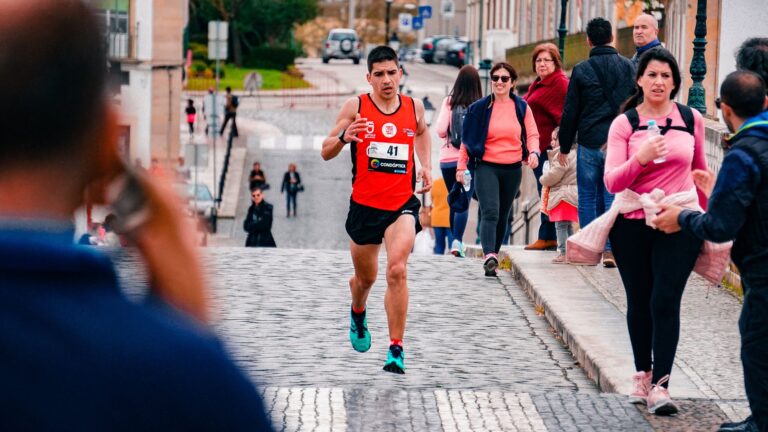
Your intensity minutes decline with age because your cardiovascular system becomes less efficient, your muscles lose mass and power, and your nervous system doesn’t recruit muscle fibers as quickly. At 25, a runner might sustain high-intensity efforts for extended periods with heart rates spiking reliably into the upper zones. By 45, that same runner often finds their maximum heart rate has dropped 8-10 beats per minute, and achieving the same intensity feels harder—not because the effort isn’t there, but because the biological machinery supporting it has changed. These are normal, measurable shifts that stem from hormonal changes, mitochondrial decline in muscle cells, and the natural loss of fast-twitch muscle fibers over decades.
The decline isn’t sudden or uniform. A 30-year-old runner might sustain their intensity minutes while a 50-year-old runner watches them drop noticeably. Some of this variance comes from genetics and lifestyle—consistent training slows the decline significantly—but age-related physiological changes affect everyone eventually. Understanding why this happens isn’t depressing; it’s practical. When you know the mechanisms behind the decline, you can train smarter to preserve what matters most.
Table of Contents
- How Your Maximum Heart Rate Changes and What It Means for Intensity
- Mitochondrial Decline and Muscle Energy Production
- Muscle Fiber Type Shifts and Fast-Twitch Decline
- Practical Strategies to Preserve Intensity Minutes
- Hormonal Changes and Recovery Demands
- Cardiovascular Efficiency and Arterial Stiffness
- Looking Forward—Long-Term Trends and Adaptation
- Conclusion
- Frequently Asked Questions
How Your Maximum Heart Rate Changes and What It Means for Intensity
Maximum heart rate follows a predictable pattern with age. The standard formula—220 minus your age—oversimplifies things, but the trend is real: max heart rate drops roughly 1 beat per minute per year from your 20s onward. For someone tracking intensity minutes, this matters because intensity work is often defined by heart rate zones, typically 80–90% of max.
If your max drops 10 beats per year over a decade, your absolute ceiling for high-intensity work has shifted downward, even if you’re putting in the same effort. This doesn’t mean your aerobic capacity disappears, but the window for classic high-intensity interval training shrinks. A 40-year-old runner with a max heart rate of 175 will record fewer intensity minutes at a given perceived effort level compared to when they were 30 with a max of 190. Some runners compensate by working at a higher percentage of their lower max heart rate, maintaining the metabolic demand even if the absolute numbers look lower on paper.

Mitochondrial Decline and Muscle Energy Production
intensity minutes depend on mitochondrial density and function—the powerhouses of your muscle cells. Over time, mitochondria become less numerous and less efficient at producing ATP, the energy currency muscles burn. This isn’t a dramatic collapse; it’s gradual. Studies show sedentary adults lose about 3–8% of mitochondrial function per decade after 30, while active runners lose considerably less, sometimes 1–2%.
The difference between training and not training on this metric is substantial. One limitation of intensity training as you age is that the energy cost of achieving the same absolute intensity increases. A 50-year-old runner sustaining 8 mph might burn marginally more calories per mile than at 30, partly because fewer mitochondria have to work harder to fuel the same speed. This means intensity efforts feel more taxing, recovery takes longer, and adaptation happens more slowly. It’s why many runners find that linear progression—running the same speed or distance with the same frequency—becomes unsustainable in their 40s and beyond without careful recovery and periodization.
Muscle Fiber Type Shifts and Fast-Twitch Decline
Your muscles contain two main fiber types: slow-twitch (endurance, red) and fast-twitch (power, white). Intensity minutes rely heavily on fast-twitch fibers—the ones that explode for speed work and sprint intervals. Over decades, you lose fast-twitch fibers preferentially. A person in their 60s has roughly 30–40% fewer fast-twitch fibers than at 20, and the remaining ones don’t contract as forcefully or as quickly. This directly shrinks your capacity for high-intensity work.
Consider a runner doing 8 x 800m repeats. At 25, those reps feel like accessing a deep reserve of speed. At 55, the same workout taxed a smaller pool of fast-twitch fibers, each one working closer to its maximum. Recovery between reps takes longer, and the total volume of intensity minutes completed is lower. Strength training—particularly explosive work like hill sprints or plyometrics—can slow this fiber loss, but not reverse it. That’s an important distinction: training preserves fast-twitch capacity far better than no training, but age-related loss still occurs.

Practical Strategies to Preserve Intensity Minutes
The good news is that training adaptations preserve intensity capacity more effectively than passive aging. Runners who maintain consistent high-intensity work into their 40s and 50s show significantly slower declines in max heart rate and sustained intensity duration compared to peers who drop intensity work. The trade-off is recovery: intensity sessions need more recovery time as you age, so volume often drops while quality is maintained. A practical shift many experienced runners make is trading raw volume for specificity.
Instead of ten high-intensity workouts per month, they do six, but with focus: three weeks of sustained threshold work, one week of short intervals, one week of mixed paces, one recovery week. This pattern often preserves intensity capacity better than scattered, high-frequency sessions. The limitation here is patience—results take longer to accumulate, and the threshold for overtraining moves downward. A 50-year-old runner doing too much intensity without adequate easy running risks injury or burnout far faster than a 25-year-old with the same intensity load.
Hormonal Changes and Recovery Demands
Testosterone, growth hormone, and cortisol patterns shift with age, directly impacting your ability to sustain and recover from intensity work. Men typically see testosterone decline gradually from age 30 onward, while women experience sharper hormonal fluctuations during perimenopause and menopause. These hormones influence muscle protein synthesis, mitochondrial function, and inflammation management—all critical for bouncing back from hard workouts. Recovery demands increase substantially.
A 35-year-old might bounce back from a hard workout in 48 hours; a 55-year-old often needs 72 hours or more for the same stimulus to trigger adaptation without accumulating fatigue. A warning here: pushing intensity work without matching recovery doesn’t produce gains—it produces decline. Many runners in their 40s and 50s frustrate themselves because they try to repeat the training volume and frequency of their 20s and 30s. The body adapts differently now; the stimulus still works, but the timing and spacing matter far more.

Cardiovascular Efficiency and Arterial Stiffness
As arteries stiffen with age, your cardiovascular system becomes less flexible. Left ventricular stiffness increases slightly, which means your heart doesn’t fill and contract quite as explosively. Blood vessel elasticity decreases, making it harder for arteries to dilate during high-intensity work. These changes raise resting blood pressure and lower max heart rate, compounding the intensity challenge.
An example: two runners, one at 30 and one at 55, both completing the same 5K race. The 30-year-old’s heart rate hits 185 and sustains it for 25 minutes. The 55-year-old’s heart rate caps at 165 due to cardiovascular changes, despite maximum effort. The younger runner spent more total time in high-intensity zones during the race; the older runner got intensity work, but compressed into a narrower zone. Both adapted and improved, but the architecture of the effort looks different on paper.
Looking Forward—Long-Term Trends and Adaptation
The decline in intensity minutes is real and measurable, but it’s neither linear nor inevitable in its severity. Runners who remain consistent with structured, age-appropriate training maintain intensity capacity longer than sedentary populations. Cross-training, strength work, and deliberate recovery practices slow the decline but don’t stop it. As medical research on aging and exercise continues to evolve, evidence increasingly suggests that the volume of intense training you accumulate over decades matters—not just current fitness level.
A runner with 25 years of consistent high-intensity training in their background will likely preserve more intensity capacity at 60 than someone who trained hard only in recent years. The future outlook for runners is optimistic in one sense: training methods are becoming more personalized and data-driven. Heart rate variability monitoring, lactate threshold testing, and VO2 max assessments help older runners train precisely at the edge of their current capacity rather than comparing themselves to earlier versions of themselves. The goal shifts from replicating past intensity to optimizing present intensity—a subtle but powerful mental and physical shift.
Conclusion
Intensity minutes decline with age due to measurable changes: max heart rate drops, mitochondrial efficiency decreases, fast-twitch muscle fibers shrink, and cardiovascular stiffness increases. These are normal, universal processes, not personal failures. The decline accelerates if you stop training, but remains manageable—even improved—if you maintain consistent, age-appropriate high-intensity work alongside strategic recovery and strength training.
The path forward isn’t to chase the numbers of your 20s; it’s to understand your current physiology and train within it deliberately. Track your intensity metrics, adjust recovery time, prioritize quality over volume, and recognize that a hard workout at 50 is still a hard workout, even if it doesn’t match the absolute numbers of decades past. Doing so preserves not just intensity minutes, but the aerobic fitness and mental resilience that come with them.
Frequently Asked Questions
How much do intensity minutes typically decline per decade?
Most runners see a 10–20% decline in total sustained intensity minutes per decade after age 30, assuming training volume stays relatively constant. This varies widely based on genetics, consistent training, and lifestyle factors. Runners who maintain high-intensity work show smaller declines than those who reduce it.
Can strength training slow the decline in intensity minutes?
Yes, significantly. Strength training, particularly explosive work like hill sprints and plyometrics, preserves fast-twitch muscle fibers and maintains neuromuscular power. This slows—but doesn’t eliminate—the age-related decline. Combining consistent high-intensity running with 2–3 sessions of strength work per week shows the best results.
Should I adjust my intensity training after 40?
Adjustment, yes; abandonment, no. Most runners benefit from slightly reduced frequency (fewer sessions per week), extended recovery (48–72 hours between hard sessions), and maintained quality (the intensity itself stays high). Some runners also shift emphasis to longer threshold efforts instead of short, explosive intervals.
Does VO2 max decline at the same rate as intensity minutes?
VO2 max declines roughly 5–15% per decade in sedentary adults, but trained runners see much smaller declines—often 3–5% per decade. VO2 max and intensity minutes are related but not identical; it’s possible to maintain decent intensity capacity with lower absolute VO2 max through improved efficiency and power.
Is it normal to feel intensity work harder after 40 even if I’m maintaining fitness?
Absolutely normal. Several factors contribute: mitochondrial changes mean higher energy cost at the same pace, recovery hormones shift, and cardiovascular changes lower your absolute ceiling. The effort perception increases even if your fitness hasn’t declined. This is why perceived exertion becomes more important than absolute heart rate numbers.