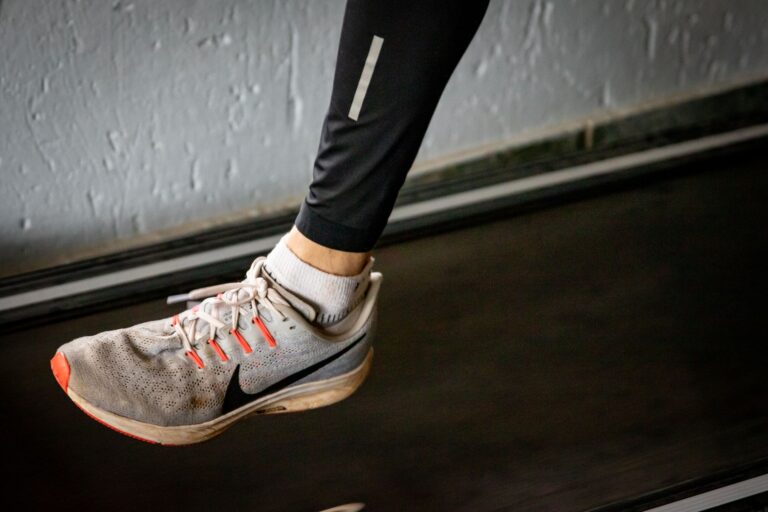
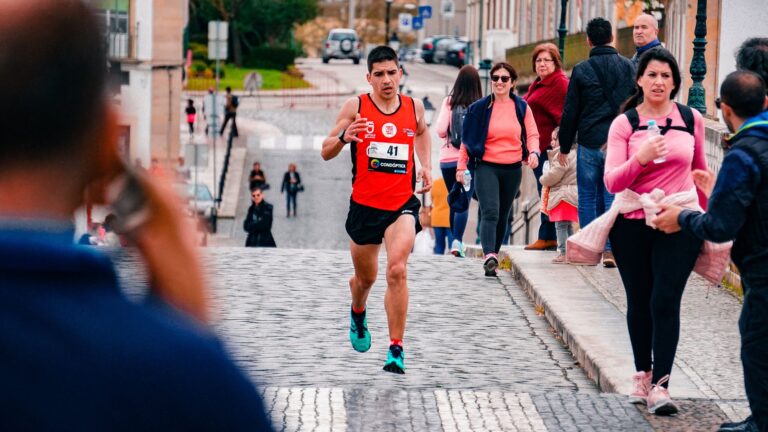
Running after surgery requires a structured, gradual return that respects your body’s healing timeline. The best tips focus on obtaining medical clearance before any running, starting with walking and run-walk intervals at low impact, and increasing distance and intensity by no more than 10% per week. A person recovering from knee arthroscopy, for example, might start with 15 minutes of walking at week 6, progress to 1 minute jogging/4 minutes walking intervals at week 8, and not return to continuous running until week 12 or later, depending on tissue healing and pain response.
Your surgeon’s clearance is the non-negotiable starting point. The timeline varies dramatically by surgery type—ACL reconstruction requires 4-6 months before impact activity, while a minor ankle scope might allow walking within 2-3 weeks. Returning too soon risks re-injury, inflammation, and setback that extends recovery by months. Pain during or after running is a warning sign that you’ve progressed faster than your tissues can handle.
Table of Contents
- When Is It Safe to Start Running After Surgery?
- Building Aerobic Base Without Impact
- Adjusting for Different Surgery Types
- Pacing Progression and the 10% Rule
- Managing Pain, Swelling, and Setbacks
- Cross-Training and Maintaining Fitness During Limited Running
- Returning to Sport-Specific Running and Workouts
- Frequently Asked Questions
When Is It Safe to Start Running After Surgery?
Medical clearance from your surgeon or physical therapist is the only green light that matters. Many runners guess their readiness based on reduced pain or swelling, but soft-tissue healing—tendons, ligaments, cartilage—occurs on a biological timeline that doesn’t match how you feel. A common mistake is resuming running when the incision is fully healed and swelling has decreased, which typically happens 3-4 weeks post-op.
At that point, internal structures may still be 30-40% of their pre-injury strength. Your PT should assess range of motion, strength ratios (comparing your surgical leg to the uninjured side), proprioception, and functional movement before approving running. Many protocols use objective benchmarks: quadriceps and hamstring strength within 90% symmetry, single-leg hop test completion, or pain-free single-leg stance. If your surgeon says “running is fine” but your physical therapist notes a 20% strength deficit, trust the PT’s caution—the strength gap is predictive of re-injury.
Building Aerobic Base Without Impact
Before you run, walking is your foundation. Begin with flat, even surfaces at a comfortable pace—think “can hold a conversation easily” intensity—for 15-20 minutes, 4-5 days per week. Increase duration by 5 minutes per week until you’re comfortable walking 30-40 minutes. This phase typically lasts 3-6 weeks depending on your surgery and healing rate. Many runners skip or compress this phase and pay for it with joint pain or re-inflammation.
The run-walk method comes next. Start with a 1-minute jog followed by 4 minutes of walking, repeating for 20-30 minutes total. Stay at this ratio for at least two weeks before progressing to 2 minutes jogging and 3 minutes walking. The walking intervals aren’t weakness—they’re protection. They allow your cardiovascular system to work without cumulative pounding on a joint that’s still regaining stability and strength. A runner returning from meniscus repair found that pushing to continuous running at week 10 caused painful swelling; backing to 1-minute intervals for another month resolved the inflammation and allowed a successful full return by week 16.
Adjusting for Different Surgery Types
Knee surgery (ACL, meniscus, cartilage repair, arthroscopy) typically requires 12-16 weeks before return to unrestricted running, with some high-demand athletes needing 6 months. Hip surgery (labral repair, FAI arthroscopy) often takes 16-20 weeks due to the hip’s role in running mechanics and load-bearing. Ankle procedures (ligament repair, syndesmosis) vary widely—simple lateral ankle ligament repair allows run-walk by week 6-8, while high ankle sprains and syndesmotic fixes need 12+ weeks. Foot surgery often requires the longest timeline: metatarsal fractures or plantar fascia repairs may not tolerate impact running until 16-24 weeks.
The reason timelines differ is tissue type and load demand. Your knee’s ACL bears 6-8 times body weight during running; your ankle bears 5-7 times; your hip bears 8-10 times. A weakly repaired ACL can re-tear under dynamic stress, ending your season or causing permanent instability. Conversely, a lateral ankle ligament repair in someone with good proprioceptive control and early cross-training might progress faster than the textbook 12 weeks. Your individual healing rate, age, tissue quality, and adherence to rehab all factor in.
Pacing Progression and the 10% Rule
Increase your total running distance or time by no more than 10% per week. If you’re doing 10 minutes of total jogging (in run-walk intervals) this week, next week should be 11 minutes. This slow progression feels frustratingly conservative but protects against overload injuries—stress fractures, tendinopathy, and re-inflammation often strike at week 4-6 of a new running program because tissues haven’t adapted to cumulative load. Apply this rule to pace as well.
If you’re jogging at 11-minute miles, don’t drop to 10-minute miles until you’ve been running that 11-minute pace for 3-4 weeks without pain or swelling. A common setback happens when runners mix intensity changes with distance increases—moving to faster pace AND longer distance simultaneously multiplies injury risk. The comparison: a person increasing both distance and speed in week 8 is 4-5 times more likely to develop shin splints or tendinopathy than someone increasing only one variable. Save speed work for week 12 or later when base fitness and tissue strength are more robust.
Managing Pain, Swelling, and Setbacks
Pain during or immediately after running is not normal and shouldn’t be ignored. Mild discomfort in the first few steps is common, but sharp pain, pain that worsens as you run, or pain that persists hours afterward signals overload. Swelling (the surgical knee visibly larger than the uninjured side) within 2 hours of running means you’ve done too much volume or intensity. These are stop signals, not just annoyances.
Many runners interpret “some pain is normal” as permission to push, then develop chronic inflammation that delays return by weeks. If you experience these warning signs, dial back the next run by 30-50%, skip a running day, and add ice and elevation. Don’t try to make up the missed mileage; your timeline extends regardless. One runner with patellar tendinopathy after ACL return-to-run progression found that stopping running for one week, then restarting at 50% of the previous week’s volume, resolved inflammation faster than trying to power through with reduced pace. Early detection and response prevent minor setbacks from turning into months of lost training.
Cross-Training and Maintaining Fitness During Limited Running
While you’re ramping up running, use low-impact cardio to maintain fitness: cycling, pool running, elliptical, or rowing. These activities allow you to build aerobic capacity without the joint stress of running. Pool running is particularly valuable—the water supports your body weight, eliminating impact, while you perform actual running motions at 90-95% of running’s cardiovascular demand. A 30-minute pool run session burns similar calories and maintains fitness nearly as well as land running.
Strength training should continue 3 days per week, focusing on bilateral and single-leg exercises. Squats, lunges, step-ups, Romanian deadlifts, and single-leg balance work restore the muscular control that prevents re-injury. Many runners neglect strength after returning to running and regress, assuming running itself is sufficient stimulus. It isn’t—running doesn’t build strength symmetry or single-leg stability the way targeted resistance work does. Keep strength sessions going through your return and beyond.
Returning to Sport-Specific Running and Workouts
Once you can run 20-30 minutes continuously without pain or swelling (typically 12-16 weeks post-op), you can gradually introduce hills, tempo runs, and short speed intervals. Still follow the 10% rule—increase only one variable at a time. A hill session counts as a new stimulus, so keep that hill run easy and don’t add distance that same week. Tempo runs or race-pace intervals come last in the progression, typically at week 16 or later, after your body has handled consistent easy running for 4+ weeks.
Track metrics beyond just pace and distance: resting heart rate, sleep quality, morning soreness, and how your knee or ankle feels the day after a harder run. Some runners return fully to previous training volume but discover their tissues now have a lower load tolerance—what they handled pre-surgery might now cause slow-building tendinopathy. Adjust your training ceiling based on these signals. If consistent 30-mile weeks cause tendon pain but 25-mile weeks don’t, your new baseline is 25 miles until strength and tissue quality improve further.
Frequently Asked Questions
How long after surgery can I start walking?
Most patients can begin gentle walking 1-2 weeks after minor procedures (arthroscopy), or 3-4 weeks after major reconstructive surgery, with medical clearance. Start with 10-15 minutes on flat surfaces and increase gradually.
What’s the difference between soreness and pain I should worry about?
Mild muscle soreness the day after running is normal. Sharp or shooting pain during running, pain that worsens as you run, or swelling within 2 hours are warning signs to scale back or rest.
Can I run on an anti-inflammatory medication to manage pain?
Masking pain with medication while overloading tissues is risky—you’ll injure yourself further without feeling it. Use medication as your surgeon directs, but let actual pain guide training decisions, not medication relief.
Should I run the same days each week or spread running throughout the week?
Spread running with at least one rest day between sessions early in recovery (weeks 6-12) to allow tissue repair. Later, as healing progresses, you can progress to consecutive easy running days, but always include at least two full rest days per week.
When can I return to competitive running or racing?
Most return-to-run protocols clear competitive running 16-20 weeks post-op for knee surgery, with protocols for other body areas varying. Wait until you’ve been running consistently (4+ weeks) at 20-30 minutes without pain or swelling before racing.
What if I have setbacks or re-injury symptoms?
Stop running immediately, apply ice and elevation, and contact your surgeon or PT. Minor flare-ups may need a week of reduced activity; actual re-injury requires imaging and a revised recovery plan.