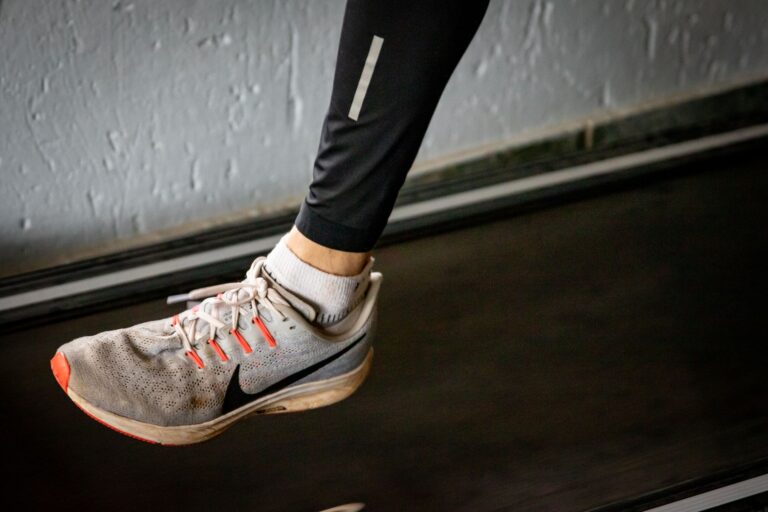
Walking with trekking poles can reduce stress on your knees and lower back by distributing impact forces across your upper body, making it particularly beneficial for long-distance walks, recovery days, or anyone managing joint concerns. When you engage the poles correctly, they transfer roughly 15 to 20 percent of your body weight away from your legs with each stride, allowing you to maintain a steady pace without overwhelming the joints that running already demands. A 62-year-old runner recovering from meniscus surgery recently switched to pole walking on her easy days and found she could comfortably cover six miles while staying pain-free, something flat ground walking alone hadn’t achieved.
Trekking poles aren’t just for mountaineers or extreme hikers anymore. They’ve become a legitimate training tool for runners, walkers, and anyone looking to extend their active years without sacrificing mileage or intensity. The biomechanics are sound: poles engage your core, shoulders, and arms in a way that mimics cross-country skiing, creating a whole-body workout while protecting the structures that propel you forward every single day.
Table of Contents
- How Do Trekking Poles Change Your Running and Walking Mechanics?
- The Joint Protection Benefits and When They Matter Most
- Selecting the Right Pole Length and Material
- Developing Proper Pole Technique for Maximum Benefit
- Common Mistakes That Undermine the Benefits
- Pole Walking for Injury Recovery and Cross-Training
- The Long-Term Value for Running Longevity
- Conclusion
- Frequently Asked Questions
How Do Trekking Poles Change Your Running and Walking Mechanics?
Trekking poles fundamentally alter how your body distributes effort during forward motion. Instead of your legs and feet bearing the full load of propulsion, the poles allow your arms and shoulders to contribute, creating a more symmetrical distribution of force throughout your entire kinetic chain. This shift is especially noticeable on uphills, where many runners instinctively lean forward and overload their hip flexors and quads. with poles, you can push against them to drive uphill, engaging your posterior chain more evenly and reducing the aggressive ankle dorsiflexion that contributes to shin splints.
The rhythm of pole-supported walking also naturally slows your cadence, which can be beneficial if you typically overstride. A runner used to covering flat terrain at 180 steps per minute might find that poles encourage a steadier 160-170 SPM, landing more under the center of gravity rather than reaching forward with each stride. This shorter, more controlled step has a direct correlation with fewer impact injuries, though the tradeoff is that you’ll cover less ground in the same time. On a downhill three-mile walk, a runner with poles arrived at the finish with noticeably less quad fatigue than when covering the same route without them.
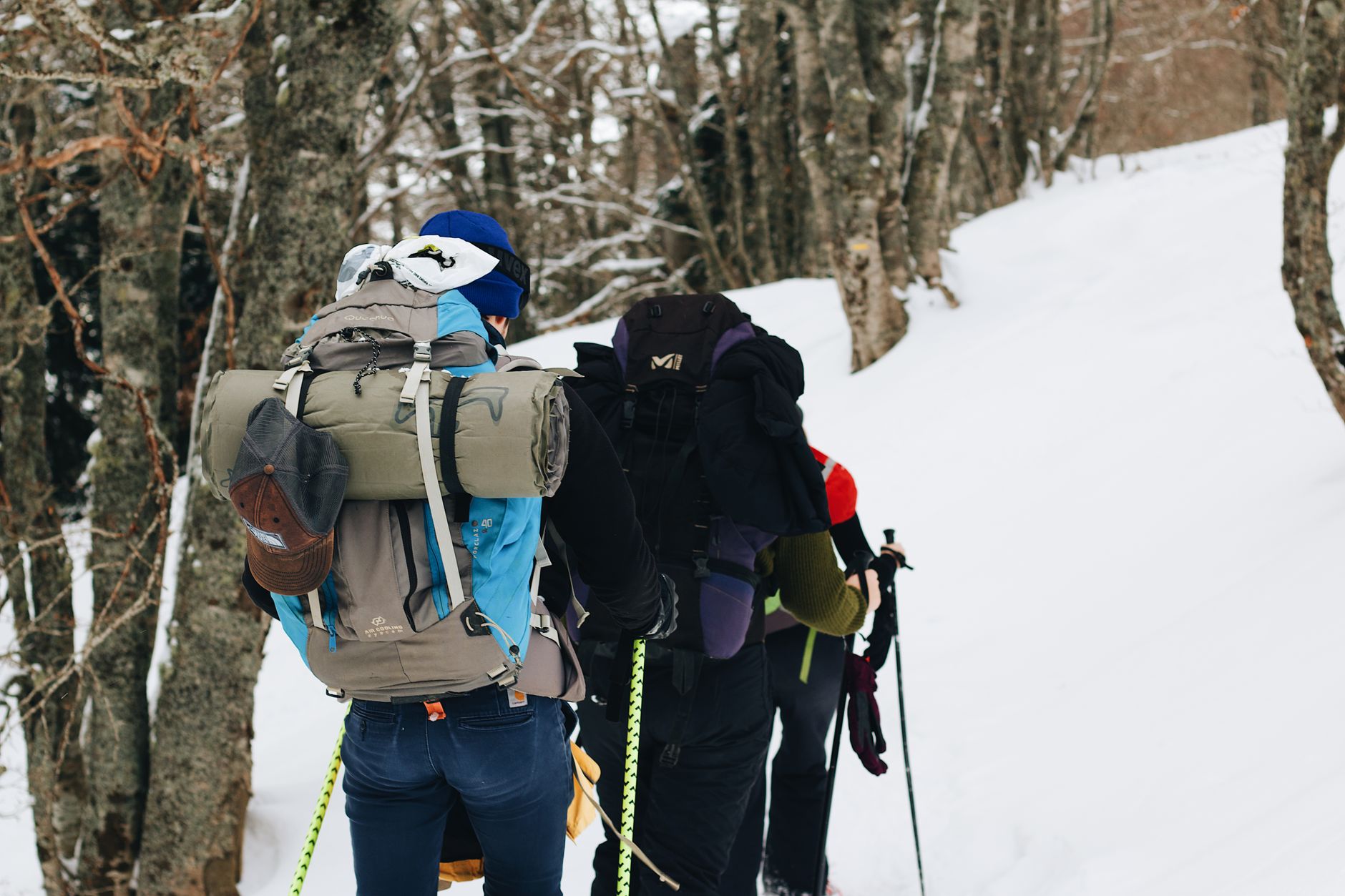
The Joint Protection Benefits and When They Matter Most
Downhill movement is where trekking poles show their strongest case for injury prevention. When descending, your quads work eccentrically to control your body’s descent, and the repetitive impact loads compound throughout the run. Poles allow you to transfer some of that braking force to your arms and shoulders, effectively lightening the eccentric load on the quadriceps and patellar tendon. Research on pole-walking participants shows measurable reductions in knee compressive forces compared to non-pole walking, particularly relevant for runners over 50 or those recovering from patellar tendinopathy.
However, there’s a significant limitation worth acknowledging: poles don’t eliminate impact; they redistribute it. If you’re running tempo miles or pushing for speed, poles can feel cumbersome and slow you down more than feels productive. They also require a learning period where you might feel awkward or uncoordinated, especially if you’re accustomed to arm swing patterns developed through years of running. Some runners report that learning proper pole technique takes three to four weeks of consistent use before the mechanics feel natural rather than forced.
Selecting the Right Pole Length and Material
Pole length is critical and often overlooked. A rough guideline is to multiply your height in inches by 0.68, or simply hold the pole upside down and grab the shaft; your elbow should bend at approximately 90 degrees. For a 5’10” runner, this usually means poles between 43 and 47 inches, though terrain and personal preference matter. Poles that are too long force your arms into an overextended position, reducing power transfer and encouraging poor posture.
Poles that are too short require constant flexing, fatiguing your shoulders and limiting the mechanical advantage you gain. Material choice matters differently depending on your terrain and budget. Aluminum poles are durable, affordable (typically $30 to $60 per pair), and reliable on packed trails and roads, though they conduct cold on winter walks and can feel heavy after a few miles. Carbon fiber poles weigh significantly less, making them ideal if you’re covering long distances regularly, but they cost two to three times more and can crack if you plant them into rocky ground. A runner who switched from aluminum to carbon poles for a 12-mile weekly long walk noticed less shoulder fatigue by mile eight, a difference attributable almost entirely to the weight reduction.

Developing Proper Pole Technique for Maximum Benefit
Technique is everything. The most common mistake is gripping the pole too tightly or pushing downward, which wastes energy and reduces efficiency. Instead, your grip should be light and loose, more of a following hand position where the pole naturally trails behind you as you push. Your forward arm should bend at roughly 90 degrees, and the pole plant should happen near your midline, not far out in front.
Many runners new to poles plant them too far ahead, creating a braking effect rather than a propulsive one. A effective drill to build muscle memory is to practice pole walking on flat ground for 10 to 15 minutes three times a week before introducing them to your regular routes. Focus on maintaining rhythm between your feet and poles—the left pole plants as your right foot steps, and vice versa. This synchronized motion should feel automatic after a few weeks. One trail runner incorporated pole practice into two midweek walks for a month and found that on her hilly runs without poles, her leg fatigue decreased noticeably, suggesting that the cross-training transfer had strengthened her stabilizer muscles and improved her overall running economy.
Common Mistakes That Undermine the Benefits
Overusing poles on flat terrain defeats the purpose and can lead to shoulder or elbow strain if you’re gripping too tightly or pushing harder than necessary. Flat ground requires minimal pole engagement; they’re most beneficial on terrain with elevation change or on recovery walks where you’re specifically trying to reduce leg impact. Another frequent error is using poles on fast-paced runs. Poles naturally slow you down and require attention to rhythm and foot placement, making them incompatible with tempo work or speed sessions. If you’re chasing a fast mile time, poles are an anchor, not a benefit.
Wrist strap fit is often underestimated. A strap that’s too tight restricts blood flow and contributes to hand cramping; one that’s too loose forces your hand to grip the pole handle tighter to compensate. The ideal strap position allows you to lightly rest your wrist through the loop, with your hand barely gripping the handle. Runners who complain about hand numbness or fatigue usually have strap tension issues rather than fundamental problems with pole walking itself. Additionally, forgetting to adjust pole length for different terrains—using the same setting on a steep mountain and on flat forest paths—can create imbalances and overuse stress.

Pole Walking for Injury Recovery and Cross-Training
Pole walking serves a specific role in injury recovery protocols. A runner nursing an Achilles strain can maintain aerobic fitness without the repetitive plantarflexion demands of normal running or walking. A runner with IT band tightness can still access the cardiovascular stimulus and mental benefit of outdoor training while significantly reducing lateral knee loading.
These applications have made pole-supported walking a standard recommendation in physical therapy settings for lower-extremity injuries. For cross-training on non-running days, poles add a whole-body dimension that simple walking lacks. You’re recruiting upper body muscles rarely engaged in running, building shoulder stability and core endurance that indirectly support running performance. A competitive age-group runner integrated pole walking on one recovery day per week and reported better shoulder stability during her running strides, noting that her posture felt more upright and her arm swing less wasteful by the end of the training cycle.
The Long-Term Value for Running Longevity
As runners age, the cumulative impact of running gradually increases injury risk, even with proper form and gradual build-ups. Pole walking doesn’t replace running; it extends the timeline of when impact forces will force a reduction in weekly mileage. By incorporating pole walks into your training plan early, you’re creating a lower-impact option that keeps you moving and maintains cardiovascular fitness when straight running creates too much joint stress.
This forward-thinking approach has particular relevance for runners who plan to keep running competitively or recreationally into their 60s and 70s. The normalization of pole use in running culture reflects a broader shift toward smarter, longevity-focused training. The days of “no pain, no gain” are fading in favor of evidence-based approaches that prioritize decade-long athletic participation over short-term volume maximization. Trekking poles are a straightforward tool in that toolkit, accessible to any runner and requiring only a modest investment in equipment and a modest investment in technique.
Conclusion
Walking with trekking poles is a pragmatic strategy for reducing joint stress, building cross-training stimulus, and extending your running career. The benefits are most pronounced on downhill terrain, during recovery phases, and when managing chronic joint concerns. The investment—usually $40 to $150 for a decent pair—is modest compared to the potential return in injury prevention and added training flexibility.
If you’re a runner over 45, managing any lower-body issue, or simply interested in maximizing the longevity of your running, pole walking deserves a four-week trial. Start with two 30-minute walks per week, focus on rhythm and light pole engagement, and adjust your pole length until your elbows sit at 90 degrees. You’ll likely find that poles transform your recovery days into a genuinely beneficial training stimulus rather than a passive break from running.
Frequently Asked Questions
Will using trekking poles make me a slower runner?
Poles slow you down slightly on walks and aren’t practical for tempo or speed runs. However, they enhance recovery and can improve your leg strength, indirectly supporting running performance on non-pole days.
How long does it take to learn proper pole technique?
Most runners feel comfortable with basic technique after three to four weeks of consistent use. Full efficiency takes longer, but you’ll notice benefits much earlier.
Can I use trekking poles on roads or flat paths?
Yes, but the benefit decreases substantially. Poles are most valuable when there’s elevation change or when you’re specifically prioritizing impact reduction on recovery days.
Do I need expensive carbon poles, or are aluminum poles sufficient?
Aluminum poles are perfectly adequate for most runners and cost significantly less. Carbon poles are lighter and better for long distances, but the weight difference is only meaningful if you’re regularly covering 8+ miles.
Are trekking poles only for older runners?
No. Any runner recovering from a lower-body injury, or anyone building in cross-training stimulus, can benefit regardless of age.
Should I use poles on all my walks?
No. Reserve them for recovery walks, hilly terrain, or injury-recovery phases. Using them on every walk diminishes the stimulus variation that makes cross-training effective.