
Incline walking burns significantly more calories and boosts your intensity minutes faster than walking on flat ground, making it one of the most effective ways to meet fitness targets without the impact stress of running. When you tilt the treadmill or head uphill, your body recruits more muscle fibers, elevates your heart rate, and creates a training stimulus comparable to jogging while keeping your joints safer. For example, a 180-pound person walking at 3.5 mph on a 6% incline burns roughly 50% more calories than walking the same speed on flat ground—approximately 380 calories per hour versus 250 calories per hour.
Intensity minutes, the metric tracked by most fitness watches and health apps, count minutes spent at elevated heart rates. Incline walking pushes you into higher heart rate zones more easily than flat walking, which is why many runners and fitness enthusiasts use it to accumulate these minutes without the wear and tear of actual running. The beauty of this approach is that it’s sustainable, repeatable, and doesn’t require special running fitness—just a willingness to embrace the burn.
Table of Contents
- How Much Does Incline Actually Increase Your Intensity Minute Accumulation?
- The Physical Demands and Biomechanical Reality of Incline Walking
- Incline Walking vs. Running: The Efficiency Trade-Off
- Building an Effective Incline Walking Program
- Heart Rate Zones and Matching Your Incline to Your Fitness Goal
- Weather, Equipment, and Real-World Practicality
- Combining Incline Walking with Other Training Modalities
- Conclusion
- Frequently Asked Questions
How Much Does Incline Actually Increase Your Intensity Minute Accumulation?
The difference is substantial and measurable. Research shows that a 5% grade incline increases energy expenditure by roughly 25-30%, while a 10% grade can push that to 50% or more. Your heart rate responds almost proportionally: at the same speed, each percentage increase in incline typically raises your heart rate by 1-2 beats per minute. This means a 20-minute incline walk at 6% might generate 15-18 intensity minutes, whereas the same walk on flat ground might only register 5-8 intensity minutes, depending on your individual fitness level and heart rate zones.
The exact benefit varies based on your baseline fitness. If you’re already highly trained, you’ll need steeper grades or faster speeds to reach intensity thresholds. A casual exerciser might hit their intensity zone at just 3-4% incline and a comfortable pace, while an athlete might need 8-10% to trigger the same response. This variance means you can’t directly copy someone else’s incline walk and expect identical results—your fitness level determines where the threshold lies for you.
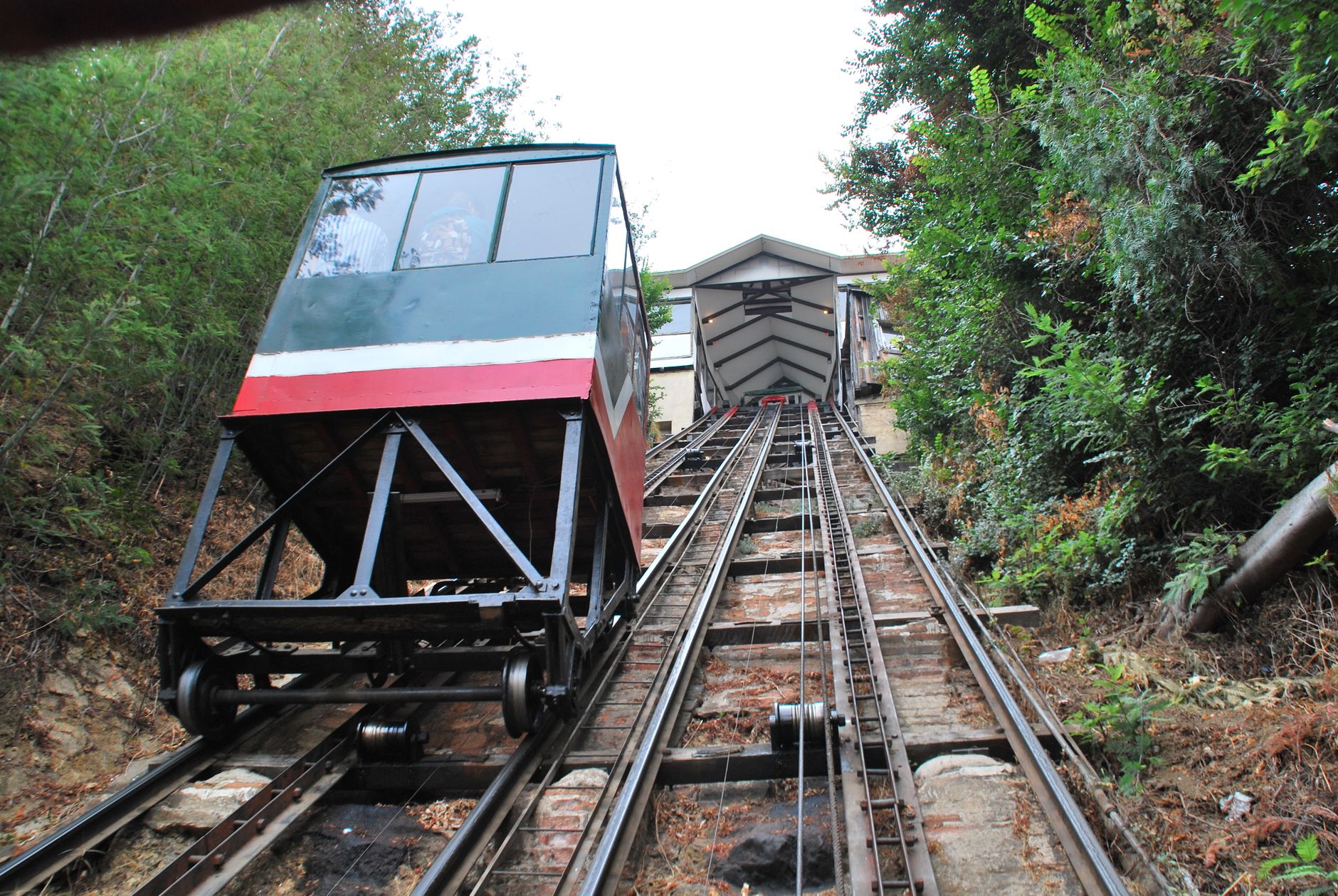
The Physical Demands and Biomechanical Reality of Incline Walking
Incline walking isn’t just about heart rate; it fundamentally changes which muscles you’re using. Your glutes, quads, hip flexors, and calves fire more intensely, which explains both the calorie burn and the fatigue you feel afterward. However, this also introduces a real limitation: overuse injuries are possible, particularly in the knees, hips, and lower back if you progress too aggressively.
The repetitive nature of incline work, combined with the increased muscular demand, means you can’t do high-intensity incline sessions every single day without risking tendinitis or strain. A practical warning: if you jump from flat walking to 8% incline for 30 minutes daily, you’re likely to experience soreness or injury within 1-2 weeks. Instead, most coaches recommend increasing grade or duration by no more than 10% per week, building gradually over 4-6 weeks to reach your target incline and duration. Additionally, incline walking places more stress on your lower back if your posture slouches forward—keeping your torso upright and engaging your core is essential to avoid lower back pain.
Incline Walking vs. Running: The Efficiency Trade-Off
For people who want high intensity minutes without the joint impact of running, incline walking occupies a sweet spot. A 160-pound person running at 6 mph burns roughly 600 calories per hour and generates intense heart rate elevation quickly, but incurs significantly more joint stress. The same person walking at 3.5 mph on a 10% incline burns 380-400 calories per hour with far less knee, hip, and ankle impact. For those with previous injuries, arthritis, or simply wanting to preserve joint health long-term, this trade-off heavily favors incline walking.
That said, running does remain more efficient in terms of time. If your only goal is reaching 150 intensity minutes per week, running 30 minutes five times weekly achieves that easily. Incline walking requires longer sessions—perhaps 45-60 minutes to generate the same intensity minutes. But for many people, the lower injury risk and mental ease of incline walking make the extra time investment worthwhile, especially for longevity in the sport.

Building an Effective Incline Walking Program
Start with your baseline: walk for 15-20 minutes at your normal speed and no incline, then gradually introduce grade. Weeks 1-2 might look like 15-20 minutes at 2-3% incline, three times per week. Weeks 3-4 bump to 4-5% incline, 20-25 minute sessions. By weeks 5-6, you can target 6-8% incline for 30-40 minute sessions, depending on your goals.
This progression is conservative but reflects what most people can sustain without overuse injury. One practical consideration: treadmill incline and outdoor hill grades aren’t directly equivalent. A treadmill at 6% roughly mimics a 6% outdoor grade, but the lack of wind resistance and the belt’s mechanical assistance make treadmills slightly easier. If you’re training on a treadmill, add an extra 1-2% grade to approximate outdoor conditions, or increase your speed slightly to compensate.
Heart Rate Zones and Matching Your Incline to Your Fitness Goal
Not all intensity minutes are created equal. If your fitness tracker counts any time above 50% of max heart rate as intensity, incline walking at even 3-4% might qualify. But if your goal is building aerobic fitness or accumulating Zone 2 aerobic minutes (roughly 60-70% max heart rate), a moderate incline at conversational pace works well. For higher Zone 3 or Zone 4 work (70-85% max heart rate), you’ll need steeper grades or faster walking speeds, which gets uncomfortable and unsustainable.
A common mistake is assuming that earning more intensity minutes automatically means better fitness gains. This isn’t quite true. Incline walking primarily builds aerobic endurance and lower body strength, but it doesn’t develop running-specific power or speed the way actual running does. If you’re training for a running event, incline walking is excellent supplemental work but shouldn’t entirely replace running-specific sessions.

Weather, Equipment, and Real-World Practicality
Treadmill incline walking is consistent and controllable, but outdoor incline walking—on hills or trails—introduces environmental variables. Wind, uneven terrain, and temperature changes all affect effort and sustainability. An outdoor hill that feels manageable on a cool morning might feel brutal in afternoon heat.
Weather also affects how frequently you can train; if you live somewhere with harsh winters or frequent rain, a treadmill becomes essential for consistency. For outdoor work, proper footwear matters more on inclines than flat ground. Trail shoes or stability-focused running shoes with good ankle support make the experience safer and more comfortable. On a treadmill, you can get away with lighter shoes, but repeated high-incline sessions can still stress your feet and calves, so consider cushioned options.
Combining Incline Walking with Other Training Modalities
Incline walking fits well into a broader training plan. Many athletes use it as a recovery or maintenance tool on days between harder runs or strength sessions, getting their intensity minutes without the cumulative fatigue of harder training. Others use it as a primary tool, combining two or three incline walks per week with occasional running and strength training.
Some even alternate between treadmill incline days and outdoor running, finding that the treadmill work strengthens glutes and hamstrings while reducing injury risk from overuse. Looking ahead, wearable technology continues to improve intensity minute tracking, which means you’ll have better data about exactly how much an incline walk is contributing to your overall activity targets. As devices become more sophisticated at distinguishing different training zones, incline walking may become even more strategically valuable—you’ll know precisely which incline and speed combinations generate the most zone-specific intensity minutes for your individual physiology.
Conclusion
Incline walking is a legitimate, efficient way to accumulate intensity minutes, burn calories, and build lower body strength without the repetitive stress of running. By starting conservatively, progressing gradually, and matching your incline and pace to your fitness level and goals, you can make it a cornerstone of your training routine. The key is consistency and patience—there’s no benefit to jumping into steep inclines too aggressively.
Whether you’re a runner looking for a safer way to rack up activity points, someone returning to fitness after injury, or simply seeking a sustainable long-term approach to conditioning, incline walking delivers real results. Begin with your baseline fitness, add 1-2% grade increments every week or two, and monitor how you feel. Within a month or two of steady work, you’ll find your sweet spot—the incline level that feels challenging enough to generate solid intensity minutes but sustainable enough to repeat consistently throughout your week.
Frequently Asked Questions
How often should I do incline walking each week?
Most people can safely do incline walking 3-4 times per week, with at least one rest day between sessions. Beginners should start at 2-3 times per week and progress from there. More frequent sessions are possible if you vary the grade or duration, but daily high-incline work increases injury risk.
Does incline walking on a treadmill burn the same calories as outdoor hill walking?
Roughly, yes, but treadmill walking is slightly easier because you lack wind resistance and the belt assists your motion. To match outdoor effort on a treadmill, increase the grade by 1-2% or bump up your speed slightly. The difference is small for most people but noticeable over time.
Will incline walking build muscle, or is it just cardio?
Incline walking does build muscle, particularly in the glutes, hamstrings, quads, and calves. Over several weeks, you’ll notice increased lower body tone and strength, though it’s not as intense as dedicated strength training. Many people combine it with twice-weekly strength sessions for balanced results.
Can I do incline walking every day without getting injured?
It’s possible for experienced exercisers, but most people benefit from at least 1-2 rest days per week. Beginners should aim for 3-4 sessions per week to allow adequate recovery. Listen to your body; persistent soreness or pain in the knees, hips, or lower back signals you need more recovery time.
How does incline walking compare to cycling for intensity minute accumulation?
Both are effective low-impact options. Cycling typically generates higher intensity minutes faster because you can maintain higher speeds with lower injury risk, but it doesn’t build lower body strength as effectively as incline walking. The best choice depends on your goals and joint health.
How long until I see fitness improvements from incline walking?
Most people notice improved lower body strength within 2-3 weeks, increased aerobic endurance within 4 weeks, and noticeable cardiorespiratory improvements within 6-8 weeks. Consistency matters more than any single session.


