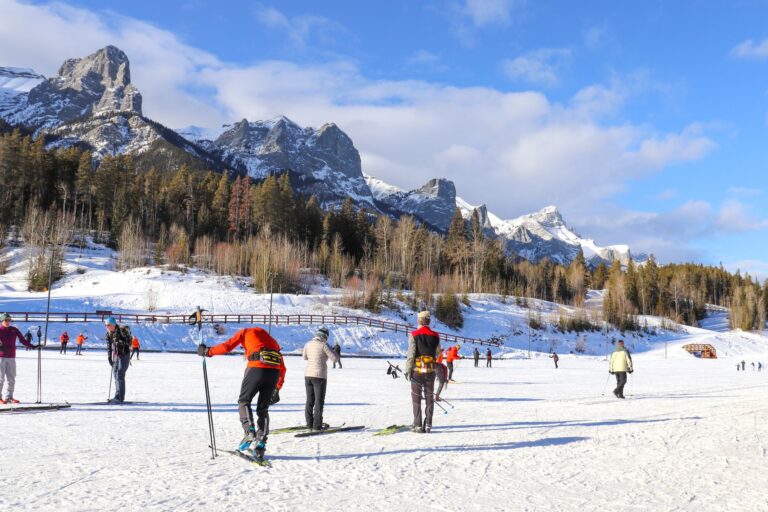
Snowshoe hiking is winter walking or trail running with specially designed shoes that distribute your weight across snow, letting you traverse terrain that would otherwise be impossible. Unlike the sinking feeling of regular boots in deep snow, snowshoes keep you on top of the white surface, transforming winter forests and mountain slopes into accessible playgrounds for cardio training and outdoor adventure. If you’ve ever watched snow runners or winter hikers gliding across drifts while regular boots would plunge thigh-deep into the powder, you’ve seen snowshoeing in action.
The sport has grown into a genuine fitness phenomenon. In 2022, 56.6 million Americans hiked, up from 46 million just three years earlier, and snowshoeing represents one of the fastest-growing winter fitness activities. What started as a niche winter pursuit has evolved into accessible exercise that works for runners seeking off-season conditioning, older adults looking for low-impact cardio, and families wanting winter activity together. The simplicity is the appeal: lace on snowshoes, hit the trail, and you’re immediately working harder than you would on pavement or dry ground.
Table of Contents
- Why Does Snowshoe Hiking Burn More Calories Than Running?
- Health Benefits and Low-Impact Advantages of Winter Snowshoeing
- Popular Snowshoe Trails and Destinations for Every Fitness Level
- Choosing the Right Snowshoes: Budget to Premium Options
- Common Challenges and Winter Snowshoeing Safety
- Women and Children Discovering Snowshoeing
- The Growing Snowshoeing Industry and Future of Winter Fitness
- Conclusion
Why Does Snowshoe Hiking Burn More Calories Than Running?
The math is straightforward. Snowshoe hiking burns 400 to 900 calories per hour depending on terrain and snow depth—and that’s roughly 45 percent more calories than running or walking at the same pace. The reason is physics: soft snow provides no support, so your muscles must generate more force with every step. Your legs, core, and glutes work constantly to propel yourself forward through resistance that doesn’t exist on firm ground.
On Observation Point Loop in Yellowstone National Park, one of the most popular snowshoe-only trails, hikers often report surprise at how exhausted they are after what seems like a modest distance—the snow does half the work of slowing you down, forcing your body to do the other half. For runners specifically, snowshoeing offers something training plans rarely provide: a chance to work the same muscle groups while removing impact stress. Your cardiovascular system gets hammered while your knees and ankles enjoy the cushioning effect of snow. That 45 percent calorie-burn advantage means a one-hour snowshoe outing at moderate pace delivers the metabolic benefit of an hour and a half of regular hiking. It’s one reason winter athletes and runners use snowshoe training to build winter fitness without the repetitive pounding that accumulates injury risk over months.
Health Benefits and Low-Impact Advantages of Winter Snowshoeing
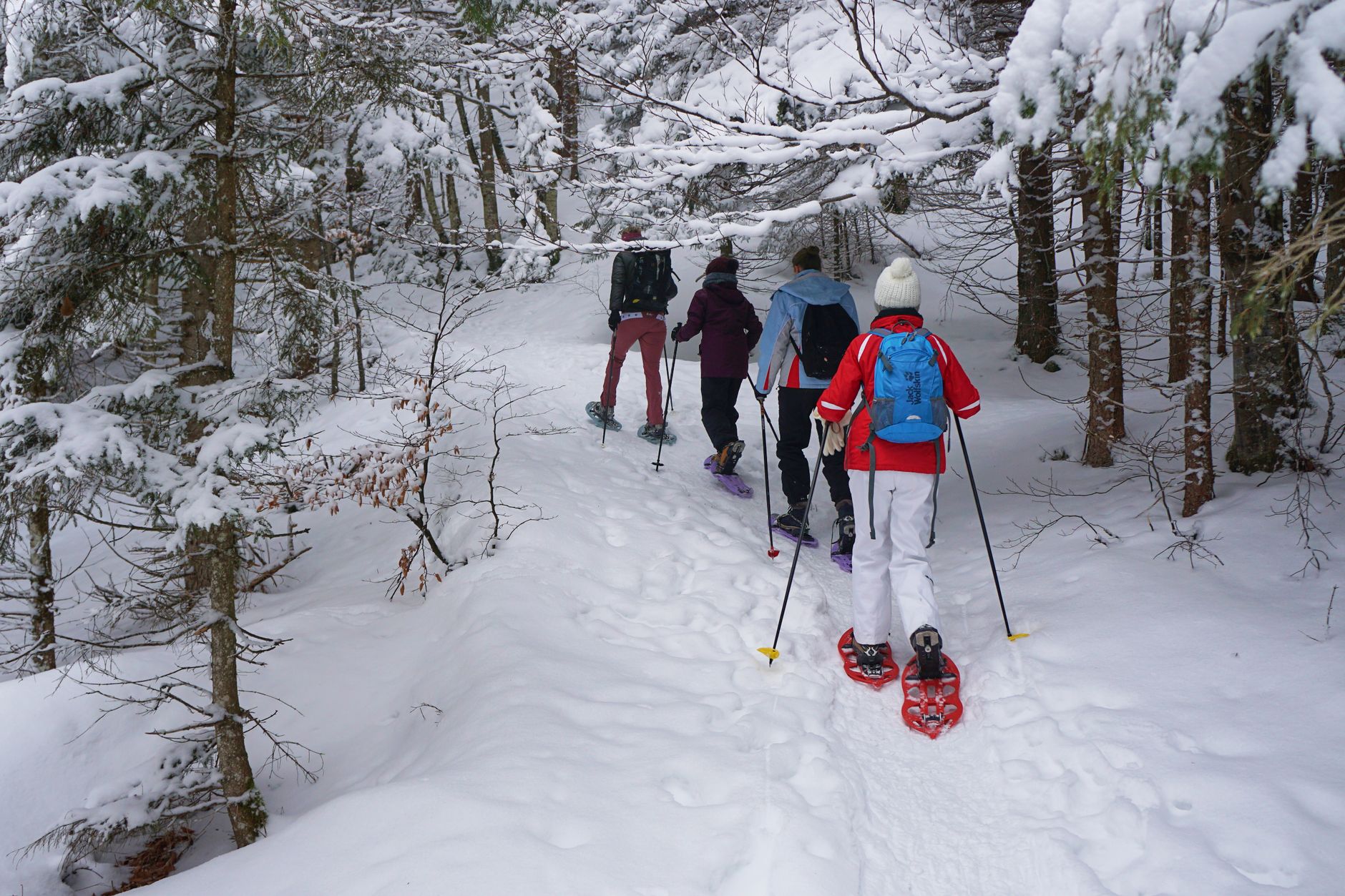
Beyond calorie burn, snowshoeing delivers documented cardiovascular and mental health benefits. Your heart rate climbs in the cold air, your muscles engage fully, and the winter environment itself—silent forests, snow-heavy trees, clear mountain views—provides the mood and stress-relief boost that exercise in nature delivers. But the most valuable benefit for aging runners or anyone nursing joint issues is the low-impact reality: snow acts as a shock absorber that asphalt and packed earth never will. People with knee problems, children still developing their joints, and older adults concerned about impact-related injury often find snowshoeing accessible where running remains risky.
The limitation to understand is cardiovascular stress in cold air. Your body works harder to maintain core temperature, your heart must pump more forcefully, and breathing in frigid air can strain respiratory systems. Anyone with heart conditions or respiratory issues should consult a doctor before extended snowshoe sessions, and newcomers should start with shorter, easier trails to build cold-weather fitness gradually. Artist Point in Washington’s North Cascades—a 4-mile roundtrip with 1,000 feet of elevation gain—looks manageable on paper but becomes a serious workout in deep snow, especially for unaccustomed athletes.
Popular Snowshoe Trails and Destinations for Every Fitness Level
Three trails represent the range of snowshoe hiking options across North America. Observation Point Loop in Yellowstone National Park remains the most accessible entry point, offering dramatic views of Old Faithful geyser and relatively gentle terrain that welcomes beginners and families. It’s the trail people recommend when they say, “Try snowshoeing—it’s easier than you think.” On the moderate end sits Artist Point in Washington, where 4 miles and 1,000 feet of elevation gain demand real fitness but reward it with North Cascades views. For those seeking adventure without extreme distance, Brush Creek Trail near Crested Butte, Colorado, offers beginner-friendly terrain that has exploded in popularity as more people discover snowshoeing communities outside ski resorts.
Regional variation matters. North America and Europe lead global snowshoeing participation specifically because established winter sports infrastructure exists—maintained trails, rental shops, guides, and reliable snow. If you’re in a region with three seasons and one weak winter, snowshoe options vanish annually. But in mountain regions or northern climates with consistent snow cover, trails open from December through March, offering months of training opportunity that road running cannot match.
Choosing the Right Snowshoes: Budget to Premium Options
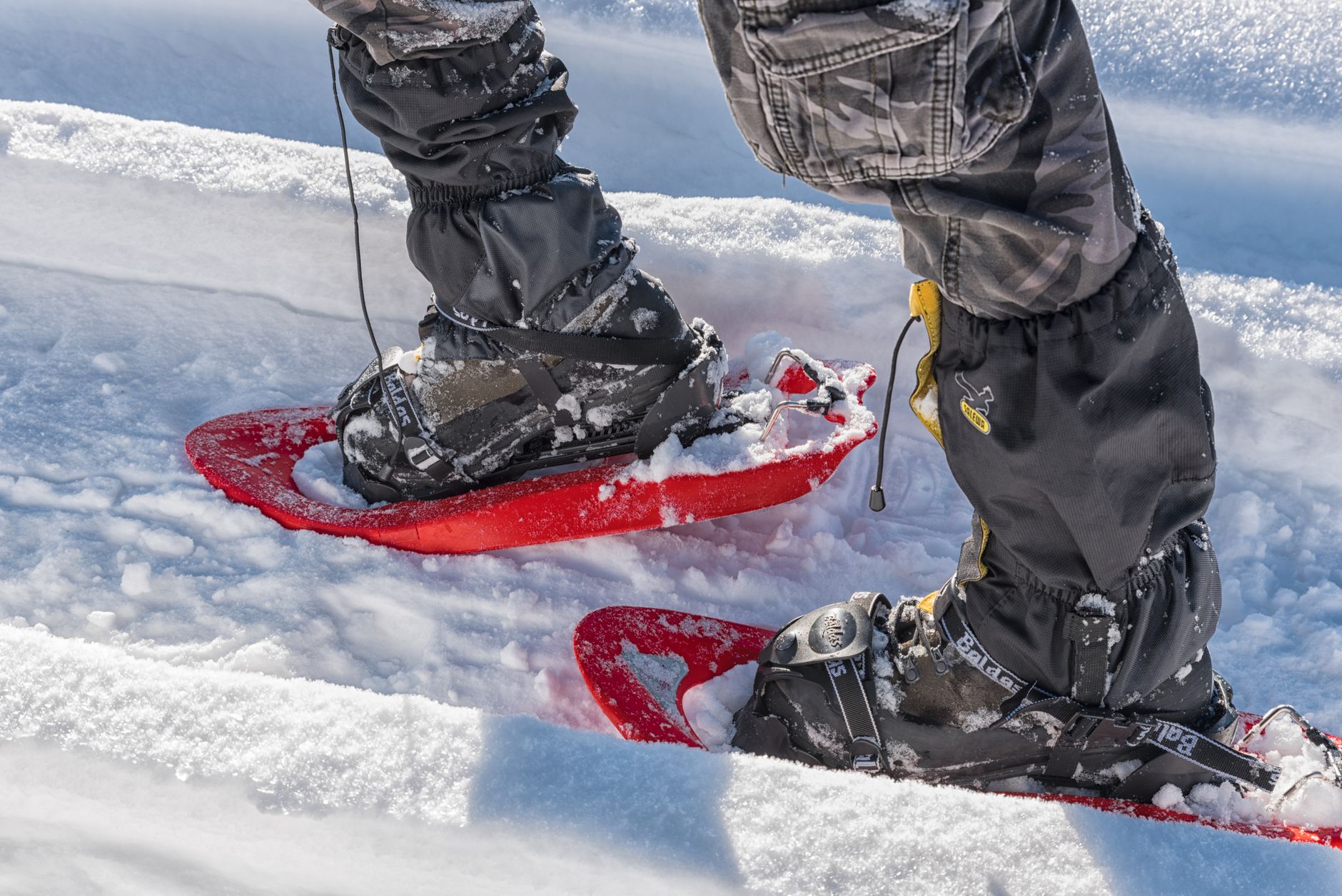
Equipment pricing breaks into three tiers that correspond to ambition level. Budget snowshoes from brands like Retrospec Drifter and G2 Go2Gether cost $50 to $90 and work fine for flat to rolling terrain and casual hikes on groomed paths. They’re heavy, the bindings are basic, and after a few hours of steep climbing, your feet will remind you of the compromise—but they get you on snow for under $100. Mid-range snowshoes like Atlas Helium and MSR Revo Explore cost $210 to $280 and represent the real entry point for serious training. They’re lighter, bind your foot more securely, and handle variable terrain without complaint.
Premium technical snowshoes like the MSR Lightning Ascent cost $390 and up, offering ultra-lightweight construction, sophisticated binding systems, and the kind of performance that justified for people climbing steep mountains or running fast through powder. The tradeoff is clear: entry-level shoes save money but cost you power transfer and speed. You’ll spend energy fighting equipment rather than the terrain. For most people starting snowshoeing for winter fitness, mid-range equipment is the real bargain—the difference between budget and mid-range shoes matters more than the difference between mid-range and premium. Rental options also exist, letting you test equipment before buying. Many trails near mountain towns offer rental shops where you can grab a pair for $15 to $25 for a day, letting you discover whether you actually enjoy snowshoeing before spending hundreds.
Common Challenges and Winter Snowshoeing Safety
Snowshoeing looks simple until it isn’t. The most common mistake is not understanding fall risk. Snowshoes add length and width to your feet, changing your balance geometry and your spatial awareness. Trees, rocks, and stream crossings that would be trivial on bare ground become obstacles that catch edges and trap you. Trekking poles aren’t optional equipment for steep or variable terrain—they’re essential for stability and confidence. Second, most people underestimate snow depth variability.
A trail with twelve inches of snow becomes three feet of powder around trees where wind has drifted deep, and those transition zones are where people sink, exhaust themselves, or panic. Weather shifts also happen faster in winter. A trail that’s safe at dawn can become dangerous by afternoon if temperature rises, sun exposure softens the snow surface, and crust conditions change. Always carry extra layers, know your exit route, and don’t commit to full-day adventures until you’ve built serious snow fitness. Dehydration is a real problem too—cold air doesn’t trigger thirst the way heat does, and people often reach severe dehydration without noticing. The combination of exertion, cold, and thirst-suppression means you’ll drink less than you should, recover slower, and get sloppy on technique. Carry water or a hydration pack, drink on schedule, not feeling.

Women and Children Discovering Snowshoeing
The snowshoeing market has deliberately grown to include women and children through product innovation and targeted outreach. Companies now offer equipment tailored to smaller feet and lighter bodyweight, with bindings designed for the proportions of women and kids rather than generic men’s sizing. This matters because ill-fitting snowshoes—whether too large or poorly designed for different proportions—undermine performance and increase injury risk. The trend reflects broader industry recognition that women and children represent growth markets and deserve equipment engineered specifically for their biomechanics.
Family snowshoeing trips have become winter tradition in many regions. Children discover that winter landscapes are playgrounds, not obstacles. Older hikers and runners find that snowshoeing communities are welcoming and social. The gear innovation and market expansion mean that snowshoeing works for ages 5 to 85 with the right equipment choices and realistic expectations about fitness progression.
The Growing Snowshoeing Industry and Future of Winter Fitness
The global snowshoeing market was valued at $700 million in 2025 and is projected to reach $1.2 billion by 2032, growing at 7 percent annually. That growth reflects two trends: more people discovering winter fitness activities, and equipment getting lighter, more durable, and easier to use. Product innovation continues reshaping the sport through advanced binding systems that improve comfort and performance, ultra-lightweight materials that reduce leg fatigue, and designs that adapt to varied snow conditions.
As climate variability makes some traditional winter sports unpredictable, snowshoeing—which works in a range of snow depths and conditions—becomes more attractive. The industry growth also means more trails, rental availability, and organized snowshoe events and groups. Urban areas that once had limited winter outdoor options now host snowshoe clubs and guide services. For runners and winter athletes, the expansion of snowshoeing infrastructure means easier access to quality off-season training that’s actually enjoyable rather than a grinding treadmill routine or winter grudge.
Conclusion
Snowshoe hiking delivers genuine training stimulus—45 percent more calorie burn than running at the same speed, along with low-impact mechanics that protect joints while demanding serious work from your cardiovascular system. The sport is accessible to everyone from casual walkers to competitive runners, costs less to start than most winter sports, and transforms winter landscapes into accessible training terrain. Whether you’re seeking off-season conditioning for runners, low-impact cardio for anyone managing joint issues, or simply a way to move through winter instead of hiding from it, snowshoeing works.
Start with a rented pair on an easy trail, build fitness gradually, invest in mid-range equipment once you know you’ll stick with it, and learn proper technique and safety practices before tackling steep or remote terrain. The sport has grown into a genuine community with established trails, equipment options, and social groups in most mountain regions. Winter running and snowshoe training aren’t separate pursuits—they’re complementary activities that keep you moving year-round.