Yes, swimming after age 60 is not only safe but one of the best forms of exercise available for older adults. A 63-year-old retired teacher who hadn’t exercised in a decade began swimming three times per week and within two months reported improved sleep quality, reduced joint pain, and a newfound sense of independence in daily activities. Swimming provides low-impact cardiovascular benefits while simultaneously building muscle strength and improving flexibility—benefits that become increasingly important as we age and face natural muscle loss and declining bone density.
The water environment makes swimming uniquely suited for the over-60 demographic because it removes much of the strain that land-based exercise places on aging joints and connective tissues. Unlike running, where impact forces can aggravate arthritis or old injuries, swimming distributes your body weight evenly across the water’s surface, allowing you to work harder while your joints experience minimal stress. This accessibility is why many physicians recommend swimming specifically to patients recovering from injury or managing chronic conditions like arthritis, osteoporosis, or heart disease.
Table of Contents
- Is Swimming Safe for Adults Over 60?
- Physical Benefits and Cardiovascular Improvements
- Mental Health and Cognitive Benefits
- Building a Safe Swimming Program at 60 and Beyond
- Stroke Selection and Common Physical Limitations
- Overcoming Barriers and Building Consistency
- Long-Term Fitness and the Role of Swimming in Active Aging
- Conclusion
- Frequently Asked Questions
Is Swimming Safe for Adults Over 60?
swimming is medically recognized as one of the safest forms of exercise for older populations, and major health organizations including the American Heart Association recommend it as a primary activity for adults aged 60 and beyond. The low-impact nature of water-based activity means there’s minimal risk of the falls, fractures, and joint injuries that plague many land-based exercise programs for seniors. A 68-year-old with mild osteoarthritis can swim laps that would be painful or impossible to run, because water provides both resistance and support simultaneously.
However, the safety of swimming at age 60+ depends significantly on individual health status. Adults with uncontrolled high blood pressure, recent cardiac events, or severe respiratory conditions should consult their physician before beginning a swimming program. Additionally, older swimmers are at higher risk for sudden cardiac events in very cold water, so gradual acclimatization and avoiding shock immersion in cold pools is important. Starting slowly with guided instruction rather than jumping into an aggressive routine is how most injuries are prevented.
Physical Benefits and Cardiovascular Improvements
Swimming engages nearly every major muscle group while elevating heart rate to healthy training zones, making it a comprehensive cardiovascular workout that can match or exceed the benefits of running for older adults. A 65-year-old swimming at moderate intensity for 30 minutes burns approximately 200-300 calories while also improving lung capacity, strengthening the heart, and enhancing circulation—all critical factors for longevity and quality of life. The low-impact nature means older swimmers can sustain longer sessions without the fatigue and recovery time that running or high-impact aerobics demand.
The limitation worth noting is that swimming alone, without supplementary strength training, doesn’t fully address the bone density loss that accelerates after age 60. While swimming builds lean muscle mass and improves cardiovascular function, it doesn’t create the mechanical stress on bones that weight-bearing exercise does, which is necessary to maintain bone mineral density and reduce fracture risk. Ideally, older swimmers should combine swimming with walking, light resistance training, or tai chi to comprehensively address bone health alongside cardiovascular fitness.
Mental Health and Cognitive Benefits
Beyond physical fitness, swimming delivers substantial mental health benefits that often get overlooked in discussions of exercise for older adults. The rhythmic nature of swim strokes, combined with the meditative quality of focusing on breathing and movement patterns, creates a mindfulness-like effect that reduces anxiety and depression—conditions that increasingly affect adults over 60. A 70-year-old swimmer reported that her weekly pool sessions became the most restorative part of her week, providing a mental escape that rivaled the effects of her anti-anxiety medication.
Swimming pools also serve as social hubs for many older adults, who often form friendships with other regular swimmers, take group classes, or participate in masters swim programs designed specifically for older competitors. This social engagement has been shown in research to reduce cognitive decline, lower rates of dementia, and improve overall mental resilience during the aging process. The combination of physical exertion, mental focus, and social connection makes swimming an unusually complete wellness intervention for older brains.

Building a Safe Swimming Program at 60 and Beyond
Starting a swimming program after age 60 requires a thoughtful approach that respects current fitness levels while building gradually toward more ambitious goals. The recommended progression begins with water walking or shallow-water aerobics two to three times per week for 20-30 minutes, which allows the body to adapt to the aquatic environment and build basic conditioning before more demanding swimming strokes are attempted. A 62-year-old beginner should expect to spend the first 4-6 weeks primarily wading and walking in chest-deep water rather than attempting full-length laps, but this foundation prevents the overuse injuries that aggressive newcomers sometimes experience.
Compared to starting a land-based exercise program, beginning a swimming program typically involves lower initial injury rates because the water provides both resistance and support, reducing the margin for form breakdown or excessive impact. However, swimmers sometimes underestimate water temperature effects and muscle soreness from novel movement patterns; starting in a warm-water pool (82-86°F) and including land-based stretching and conditioning work alongside swimming helps prevent these setbacks. Most older adults find that enlisting a coach or trainer for the first 4-8 sessions pays dividends by ensuring proper technique, setting realistic pacing, and building confidence in the pool environment.
Stroke Selection and Common Physical Limitations
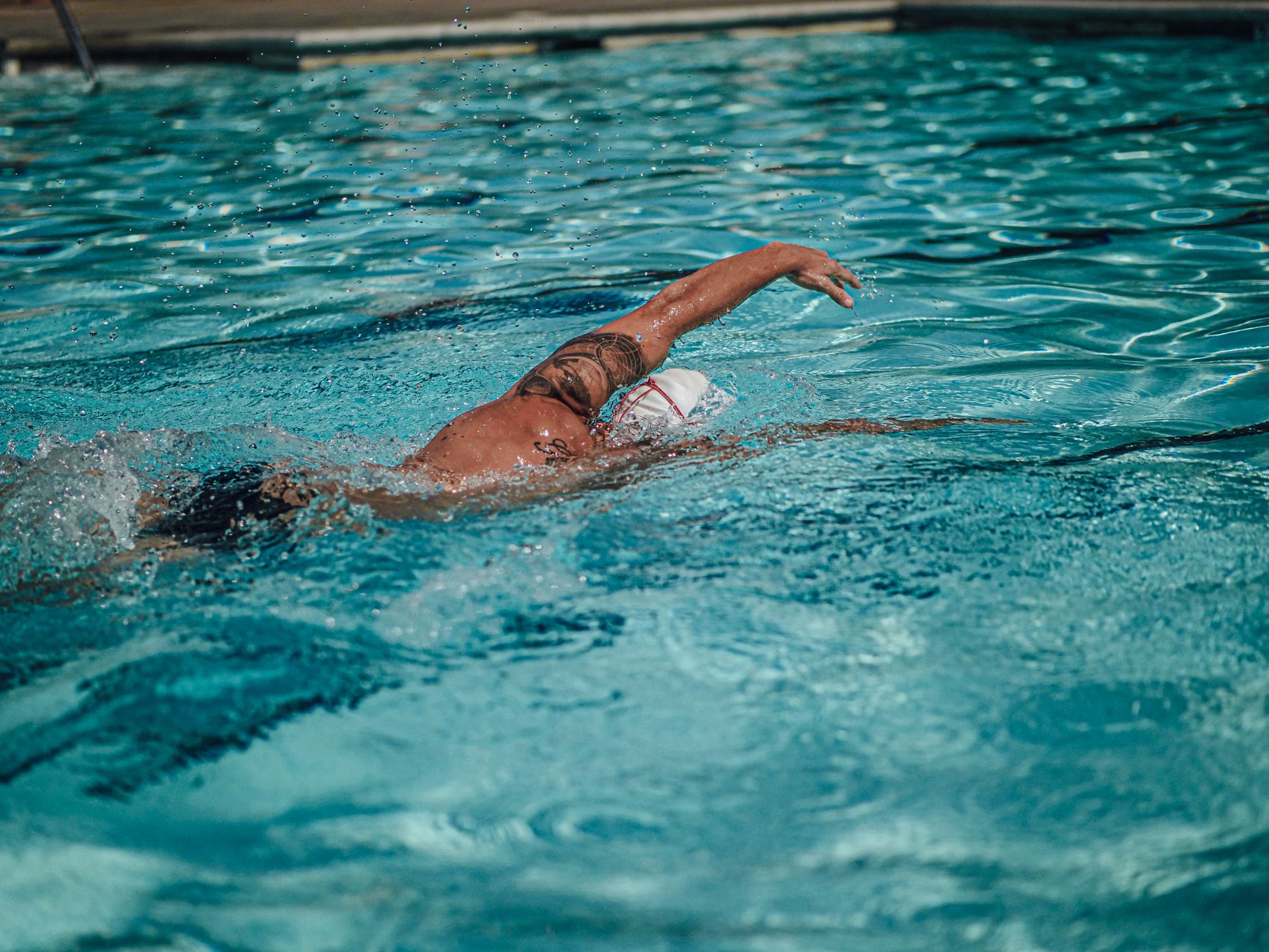
Different swim strokes place different demands on aging bodies, and choosing appropriate strokes prevents injury while maximizing training benefit. The freestyle stroke is generally the most efficient and places moderate stress on the shoulder joint, making it suitable for most older swimmers, whereas the butterfly stroke requires shoulder mobility and core strength that many adults over 60 lack and should typically be avoided. The backstroke is excellent for older swimmers because it strengthens the back and rear shoulder muscles (areas that weaken with age) and allows the swimmer to maintain visual awareness of pool position, reducing anxiety for some older adults who feel disoriented face-down in the water.
A significant warning for older swimmers is that breaststroke, while appearing gentle, actually places considerable stress on the knees during the frog-kick motion—problematic for the large percentage of older adults with knee arthritis or previous knee injuries. A 61-year-old with mild osteoarthritis found that breaststroke exacerbated her knee pain within weeks, but switching to freestyle and kickboard drills with flutter kicks resolved the problem entirely. Most older swimmers benefit from alternating between freestyle and backstroke, supplementing with pool walking or water jogging, rather than attempting all four strokes during a single session.
Overcoming Barriers and Building Consistency
Many older adults cite legitimate barriers to regular swimming: fear of being the oldest person in the pool, embarrassment about body image in a bathing suit, concern about hearing aids or medical devices in water, or simple unfamiliarity with pool environments. These psychological barriers are at least as important as physical limitations, and overcoming them often determines whether someone maintains a swimming program or abandons it after a few weeks.
A 64-year-old woman reported that her breakthrough came when she discovered a senior-focused water aerobics class where every participant was over 55; the social environment and absence of competitive swimmers made her feel comfortable and welcomed. Practical solutions include seeking out senior-specific swim classes or masters programs, visiting pools during less crowded hours, investing in water-resistant hearing aid cases or removing devices before entering the water, and finding a swimming buddy for accountability and companionship. Many YMCAs, recreation departments, and senior centers offer water fitness classes specifically designed for older adults, and these environments typically feel more welcoming and age-appropriate than general-population swim classes or lap-swimming sessions.
Long-Term Fitness and the Role of Swimming in Active Aging
Swimming fits naturally into a long-term fitness strategy for adults aiming to maintain independence, mobility, and quality of life into their 70s, 80s, and beyond. Research on master swimmers—competitive swimmers aged 60+ who train regularly—shows that consistent swimming maintains cardiovascular function, muscle mass, and cognitive performance at levels dramatically higher than sedentary older adults. A 75-year-old competitive swimmer can often demonstrate aerobic capacity comparable to sedentary 30-year-olds, a striking testament to the preservative power of regular swimming across decades.
As the population ages and medical costs associated with sedentary aging climb, swimming stands out as one of the few activities accessible to older adults across the full spectrum of fitness levels, from those recovering from illness to competitive athletes. The activity grows more valuable, not less, as people move into their late 60s and beyond, because the low-impact nature means older swimmers can sustain higher training volumes without the wear-and-tear injuries that eventually end running or tennis careers. For many adults, swimming becomes not just exercise but a defining feature of healthy aging.
Conclusion
Swimming after age 60 is far more than a safe alternative to land-based exercise—it’s an optimal activity that delivers cardiovascular fitness, strength building, mental health benefits, and accessibility all simultaneously. The low-impact environment allows older adults to train at intensities they couldn’t sustain on land, while the mental clarity and social engagement of pool-based activity address dimensions of health that exercise alone cannot.
Starting conservatively with a few weeks of water walking, choosing strokes appropriate to individual joint health, and finding a supportive swim community are the practical steps that transform swimming from an interesting option into a sustainable habit. The evidence is clear: adults who commit to regular swimming after age 60 maintain independence, mobility, and cognitive function at substantially higher levels than sedentary peers, and many report that swimming becomes one of the most satisfying aspects of their daily lives. Whether you’re 61 or 81, returning to fitness after years away or maintaining already-strong habits, the pool offers a path forward that respects the aging body while still demanding genuine effort and delivering real results.
Frequently Asked Questions
How many times per week should someone over 60 swim?
Most health professionals recommend 150 minutes of moderate-intensity aerobic activity weekly, which can be achieved with three 50-minute swim sessions or four 40-minute sessions. Beginners should start with two sessions weekly and add additional sessions only after 4-6 weeks of consistent effort to allow the body to adapt.
Is it too late to start swimming if I’ve never been a swimmer?
No. Many people begin swimming for the first time in their 60s, 70s, and 80s. Beginning with water walking and shallow-water aerobics before progressing to full swimming allows older adults to build confidence and basic fitness without the frustration of struggling with unfamiliar strokes. Many senior swim programs are specifically designed for adult beginners.
What should I know about chlorine and skin sensitivity after 60?
Chlorine sensitivity can increase with age, and some older adults develop rashes or respiratory irritation from heavily chlorinated pools. Rinsing thoroughly after swimming, applying moisturizer to dry skin, and seeking pools with lower chlorine levels (such as those using salt systems or ozone treatment) can minimize these issues. If problems persist, switching to a different pool facility may be necessary.
How long before I’ll see fitness improvements from swimming?
Most people notice modest improvements in energy and sleep quality within 2-3 weeks of consistent swimming. Measurable improvements in cardiovascular fitness, strength, and endurance typically appear within 6-8 weeks. Mental health benefits often come earlier, sometimes within the first few sessions.
Can swimming help with arthritis pain in older adults?
Yes. The buoyancy and resistance of water reduce stress on arthritic joints while still allowing full range-of-motion exercise. Many people with arthritis find that swimming reduces pain and stiffness more effectively than land-based exercise. However, very cold water or rapid temperature changes can aggravate arthritis symptoms in some people, so warm-water pools are preferable.
Is it safe to swim alone after 60?
Swimming alone carries higher risks at any age, but especially for older adults who may experience sudden dizziness, heart issues, or muscle cramps. The safest approach is to swim during times when lifeguards are present and ideally to swim with a buddy. If solo swimming is unavoidable, inform someone of your schedule and establish a check-in system.