Certain cardio workouts directly improve balance in older adults by strengthening the ankle stabilizers, improving proprioception, and engaging the core muscles that prevent falls. Walking on varied terrain, aquatic exercise, and interval training on stable surfaces have been shown in research to measurably reduce fall risk while building cardiovascular fitness. For example, an 65-year-old who adds thirty minutes of brisk walking on trails three times weekly typically sees noticeable improvement in their ability to recover from near-stumbles within six to eight weeks.
Balance is far more than avoiding a tumble at the grocery store. It’s a complex system involving your inner ear, vision, proprioceptors (sensors that tell your brain where your body is in space), and the strength of muscles from your ankles to your core. Traditional cardio like steady-state treadmill running actually neglects balance components, while dynamic cardio activities deliberately challenge this system and force adaptation.
Table of Contents
- Which Cardio Workouts Deliver the Most Balance Benefits for Aging Bodies?
- The Neurological Mechanism Behind Cardio and Balance Improvement
- How Progressive Interval Training Reshapes Balance Stability in Mature Athletes
- Creating a Practical Balance-Focused Cardio Program for Older Adults
- Fatigue, Fear of Falling, and the Real Risks of Progressive Balance Training
- The Role of Proprioceptive Cues in Water Exercise
- The Future of Personalized Balance Training and Technology Integration
- Conclusion
Which Cardio Workouts Deliver the Most Balance Benefits for Aging Bodies?
Not all cardio is equal when balance is the goal. Walking—particularly on uneven surfaces like trails, grass, or slight inclines—forces constant micro-adjustments that train stabilizing muscles. A 2019 study in the Journal of Aging and Physical Activity found that trail walkers showed 23% better balance scores than flat-surface walkers after twelve weeks.
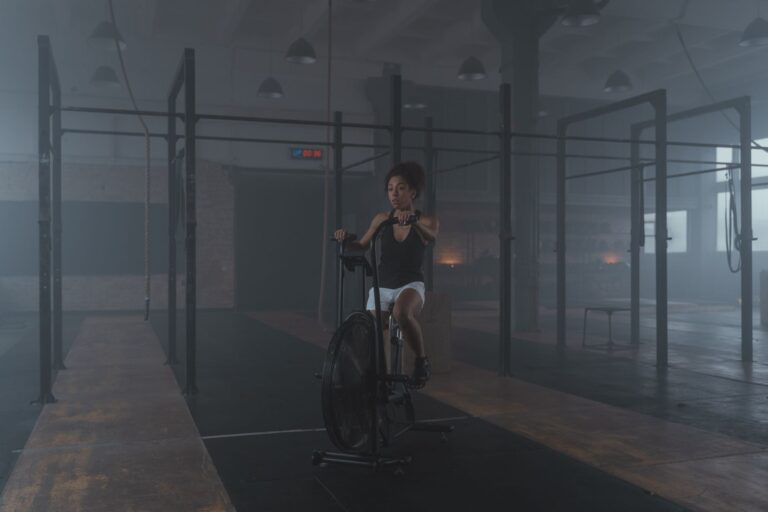
Swimming and water aerobics provide resistance without impact, allowing older adults to move dynamically without fear of falling, though they offer less direct balance stimulus than land-based exercise. Cycling deserves consideration as well, but with a caveat: stationary bikes offer zero balance benefit, while outdoor cycling on gentle routes engages real-world balance demands. Stair climbing, when done safely with railings, forces constant microadjustments as you navigate each step. Nordic walking—using poles to walk—actually improves balance and stability more than conventional walking because the poles demand arm-leg coordination and provide feedback through your hands.

The Neurological Mechanism Behind Cardio and Balance Improvement
Your brain’s balance system relies on vestibular input (from the inner ear), visual information, and proprioceptive feedback from muscles and joints. Cardio workouts that vary terrain or require coordination essentially train your nervous system to process these signals faster and respond with appropriate muscle activation. Interval training on stable ground (alternating harder and easier intensities) forces your body to maintain stability while fatigued, which is when most falls actually occur in daily life.
However, there’s an important limitation: older adults with severe inner ear disorders or significant vision loss won’t see the same gains, as their primary balance systems are compromised. Additionally, poorly prescribed high-intensity cardio can actually increase fall risk during the workout itself if not supervised properly. A 78-year-old with advanced osteoarthritis may destabilize on variable terrain without appropriate progression, so intensity and terrain difficulty must scale carefully.
How Progressive Interval Training Reshapes Balance Stability in Mature Athletes
Interval training—alternating brief periods of higher intensity with recovery phases—builds both cardiovascular capacity and stabilizer muscle endurance. When performed walking or jogging at conversational intensity for the hard intervals, older adults challenge their balance system while still breathing aerobically, building practical fitness. A typical session might involve five minutes of easy walking, then eight thirty-second intervals of brisk walking with ninety-second recovery walks, then a cool-down.
The specificity matters here: an older runner who does interval training on a track (flat, predictable surface) won’t gain balance benefits. That same runner doing intervals on a gravel path or grass field, where surface irregularities demand constant stabilizer engagement, will see meaningful balance gains. Consistency matters more than intensity—three twenty-minute sessions weekly outperforms one intense session weekly because neurological adaptation requires repeated stimulus.
Creating a Practical Balance-Focused Cardio Program for Older Adults
A realistic program balances fall-prevention gains against injury risk and adherence. Start with two days weekly of moderate-intensity walking on terrain more challenging than your usual route—not extreme, just uneven grass or a mixed trail. Add one session of water exercise or swimming if available, as it builds both fitness and confidence without fall risk.
A third or fourth session can be steady-state cardio on a predictable surface to accumulate volume without demanding high balance control when fatigued. Compare this to the typical “just do 30 minutes daily on the treadmill” prescription: the balanced approach gains fall-prevention benefits while the treadmill approach gains cardiovascular fitness only. The tradeoff is that variable terrain requires more attention and feels less convenient, but the functional payoff—maintaining independence and avoiding injuries—matters far more than marginal cardiovascular improvements from monotonous exercise.
Fatigue, Fear of Falling, and the Real Risks of Progressive Balance Training
Balance deteriorates when fatigued, which is why new terrain should never be tackled at the end of a long workout when coordination is compromised. An older adult who adds trail walking should do it fresh or early in their session, not as a tired finisher. Additionally, the fear-of-falling cycle is real: once someone experiences a fall or comes close, they often restrict activity, which leads to deconditioning and paradoxically increases future fall risk.
A limitation of research is that most studies track laboratory balance tests, not real-world fall rates, so the actual clinical benefit remains harder to quantify than we’d like. Nevertheless, the biological mechanism is sound: any movement pattern that demands stability adaptation will train stabilizer muscles and nervous system responses. The warning here is don’t launch into challenging terrain alone without informing someone where you’ll be, and don’t override pain signals in pursuit of balance gains.

The Role of Proprioceptive Cues in Water Exercise
Water exercise deserves its own focus because it offers unique proprioceptive feedback. The buoyancy reduces fall risk while resistance provides muscle-building stimulus, and the tactile feedback of water on your skin provides proprioceptive input.
A 73-year-old doing water aerobics twice weekly shows improved ankle stability and spatial awareness that sometimes exceeds land-based training, with minimal injury risk. Water depth matters: deep water eliminates balance demands (which removes the training stimulus), while waist-deep or chest-deep water provides support without eliminating the need for stabilizer engagement. This makes water training an excellent complement to land-based work rather than a replacement.
The Future of Personalized Balance Training and Technology Integration
As wearable sensors become more sophisticated, older adults can now track balance metrics beyond traditional clinical tests. Some fitness watches can detect gait variability—asymmetries in stride that predict fall risk—allowing individuals to adjust their training in real time. This technology doesn’t replace purposeful cardio training, but it does provide feedback to individuals about whether their balance is actually improving from their current routine.
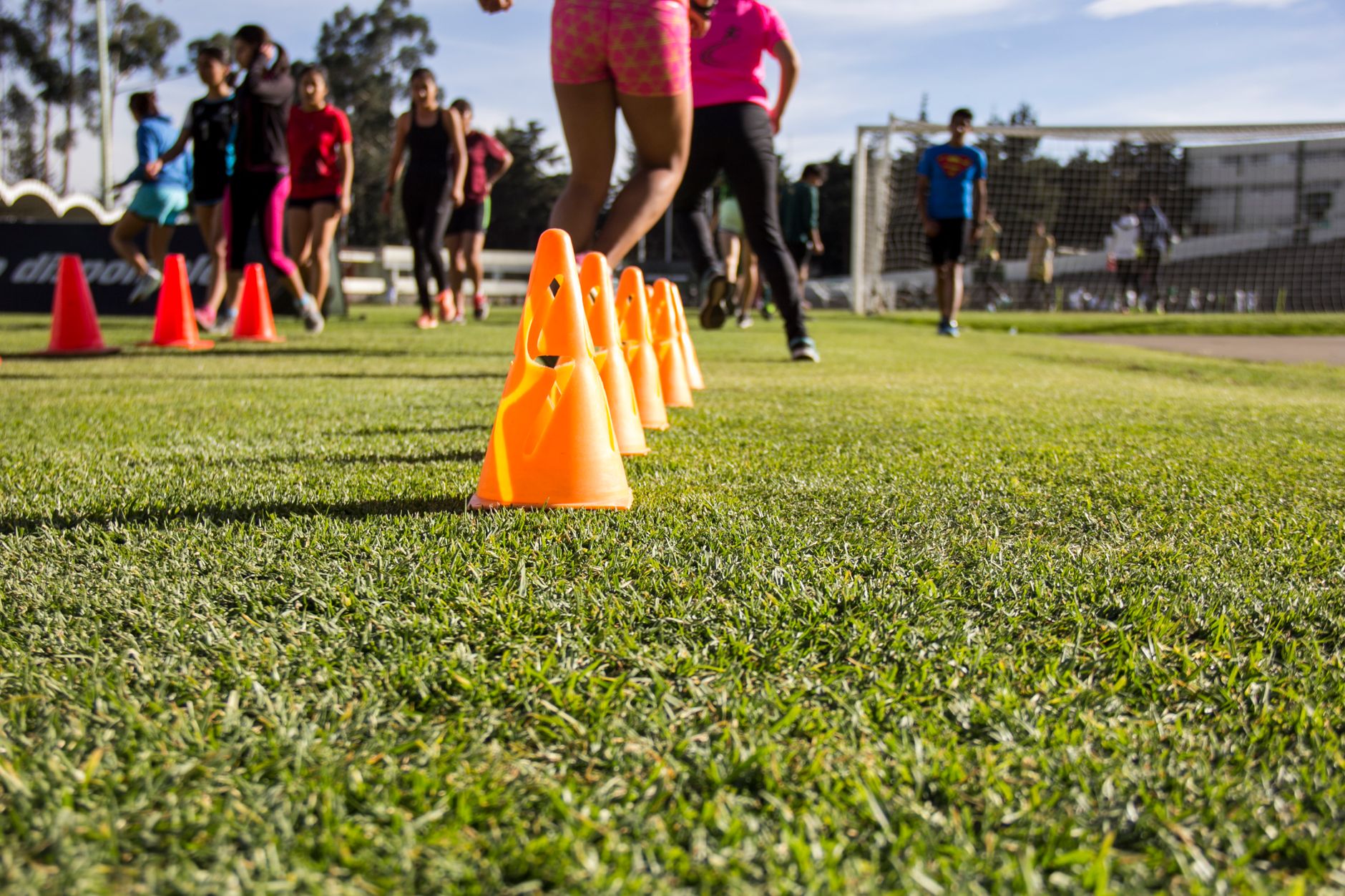
The trend toward community-based group trail walking and outdoor fitness classes specifically for older adults reflects growing recognition that balance training needn’t be clinical or isolated. Group hikes at moderate paces, outdoor fitness classes on varied terrain, and running clubs with older members all provide both the balance stimulus and the social connection that makes long-term adherence realistic. The most effective balance-focused cardio program is one an older adult will actually do consistently for years.
Conclusion
Cardio workouts improve balance in older adults through repeated exposure to dynamic, varying terrain that trains stabilizer muscles and proprioceptive adaptation. Walking on trails, water exercise, and mindfully progressive intensity training all deliver measurable gains in balance performance and reduced fall risk, with the most benefit appearing after six to twelve weeks of consistent work. The key is matching intensity and terrain to current ability while gradually challenging both the cardiovascular and balance systems.
Start with what feels sustainable: perhaps two to three weekly sessions of moderate walking on terrain slightly more challenging than your usual route, combined with a water session or standard cardio work as tolerated. Monitor how you feel over eight weeks, and consider working with a physical therapist or trainer experienced with older adults to ensure progression is safe. The payoff—maintained independence, confidence in movement, and the cardiovascular benefits of sustained training—makes this specific approach to cardio far more valuable for aging bodies than endless treadmill miles.