

Standing cardio exercises are cardiovascular workouts performed while on your feet—without running, jumping, or high-impact movements—designed specifically to strengthen your heart and lungs while building endurance in older adults. These exercises include activities like brisk walking, water aerobics, marching in place, stepping movements, and dance-based routines that elevate your heart rate without the joint stress of running. For older adults, standing cardio offers a practical middle ground: it delivers the cardiovascular benefits needed to reduce disease risk, improve longevity, and maintain functional fitness, while being gentler on knees, hips, and ankles than high-impact activities.
A 72-year-old former runner recovering from knee surgery might use standing cardio as her primary workout—a 30-minute water aerobics class or steady-paced mall walking session—to maintain her aerobic capacity while her joints heal. This flexibility makes standing cardio accessible to people with varying fitness levels, mobility limitations, and health conditions, which is why cardiologists and physical therapists often recommend it as a safe entry point for aging adults returning to fitness. The key advantage of standing cardio for older adults is that it meets current physical activity guidelines (150 minutes of moderate-intensity aerobic activity per week) without requiring the impact tolerance of running or the technical skill of cycling. Most standing cardio exercises can be done almost anywhere—no expensive equipment, gym membership, or special setup needed.
Table of Contents
- What Types of Standing Cardio Exercises Are Most Suitable for Older Adults?
- Health Benefits and Cardiovascular Adaptations in Older Populations
- Balance, Fall Prevention, and Proprioceptive Benefits
- Building a Sustainable Standing Cardio Routine
- Common Concerns and When to Modify or Stop
- Combining Standing Cardio with Other Exercise Modalities
- Adapting Standing Cardio as You Age Further
- Conclusion
What Types of Standing Cardio Exercises Are Most Suitable for Older Adults?
Standing cardio for older adults spans a wide variety of accessible options, each with different intensity levels and equipment needs. Brisk walking remains the most common and sustainable option for most people—a steady pace of 3 to 4 miles per hour provides moderate cardiovascular work without jarring impact, and it requires nothing but comfortable shoes and a safe walking surface. Water aerobics in a shallow pool or water walking offers buoyancy that supports body weight while reducing joint stress by up to 50 percent compared to land-based exercise; many community pools now offer senior-specific classes with modified movements and safety railings. Standing marching in place, stair stepping (using a single stair or low step), side-stepping movements, and standing dance-based workouts like Zumba Gold or Line Dancing all elevate heart rate through repetitive, rhythmic motions that are easier to sustain than high-impact alternatives.
The intensity difference matters significantly. A leisurely 2 mph walk is light activity, while a 3.5 to 4 mph pace crosses into moderate intensity. For comparison, water aerobics typically falls in the moderate range, and dance-based classes vary widely depending on choreography and music tempo. Many older adults can sustain moderate-intensity standing cardio for 30 to 45 minutes, whereas they might only manage 15 to 20 minutes of high-intensity work. Group classes—whether in-person or online—also provide social engagement and motivation that solo walking sometimes lacks.

Health Benefits and Cardiovascular Adaptations in Older Populations
Standing cardio exercises trigger measurable improvements in cardiovascular health when performed consistently. Regular moderate-intensity standing cardio strengthens the heart muscle, improves oxygen delivery to tissues, lowers resting heart rate, and helps regulate blood pressure—all factors that reduce the risk of heart disease, stroke, and type 2 diabetes. Research on older adults shows that sustained standing cardio also improves HDL (“good”) cholesterol, reduces inflammation markers, and supports healthy weight management. Beyond the heart itself, these workouts build muscular endurance in the legs and core, improve balance and coordination, and maintain bone density in weight-bearing joints.
One limitation of standing cardio is that it doesn’t build muscle mass or strength the way resistance training does. An older adult who does only standing cardio may improve their aerobic capacity but still experience age-related muscle loss (sarcopenia) if they skip strength work entirely. The combination of 150 minutes of standing cardio per week plus at least two days of resistance training (bodyweight exercises, weights, or resistance bands) creates the most complete fitness picture for aging bodies. Additionally, standing cardio alone won’t significantly improve flexibility or core stability—activities like yoga, tai chi, or targeted stretching are needed for those adaptations.
Balance, Fall Prevention, and Proprioceptive Benefits
Standing cardio workouts naturally engage your balance and proprioceptive systems—the body’s awareness of position and movement in space—because you’re upright and moving without support (in most cases). Over time, regular standing cardio strengthens the stabilizer muscles in your ankles, hips, and core that are critical for preventing falls. Walking on varied terrain (not just flat, smooth pavement) challenges balance further and builds confidence in uneven environments.
A 78-year-old who takes a brisk walking group that includes park trails will develop better ankle stability and spatial awareness than someone who only walks on sidewalks. Water aerobics introduces an additional benefit: the water’s resistance and buoyancy challenge balance and coordination in a forgiving environment where falls are unlikely. Many older adults report improved confidence in daily movement—climbing stairs, carrying groceries, or walking on slippery surfaces—after consistent standing cardio work. However, standing cardio alone is not a fall-prevention program; if balance is a significant concern, combining standing cardio with targeted balance exercises (single-leg stands, tandem walks, or tai chi) is more effective than cardio alone.
Building a Sustainable Standing Cardio Routine
Starting a standing cardio program successfully requires matching intensity and duration to your current fitness level rather than jumping into an ambitious plan. A practical approach for previously sedentary older adults is to begin with 10 to 15 minutes of brisk walking three days per week, then gradually increase duration by 5-minute increments every two weeks until reaching 30 to 45 minutes. This gradual progression reduces injury risk and builds confidence. For someone with existing fitness, jumping into 30 minutes of moderate-intensity standing cardio three to five days per week is reasonable from day one.
The choice between solo and group standing cardio involves clear tradeoffs. Solo activities like walking in your neighborhood or a home-based dance video offer flexibility, privacy, and no scheduling constraints—you can exercise whenever you want. Group classes (water aerobics, mall walking groups, dance classes) provide social connection, expert instruction, and built-in accountability, but they require you to commit to a schedule and location. Many people find that mixing both approaches—perhaps one or two weekly group sessions plus solo walking on other days—offers the best of both. Consistency matters far more than intensity, so choosing a standing cardio format you actually enjoy increases the likelihood you’ll stick with it for years.
Common Concerns and When to Modify or Stop
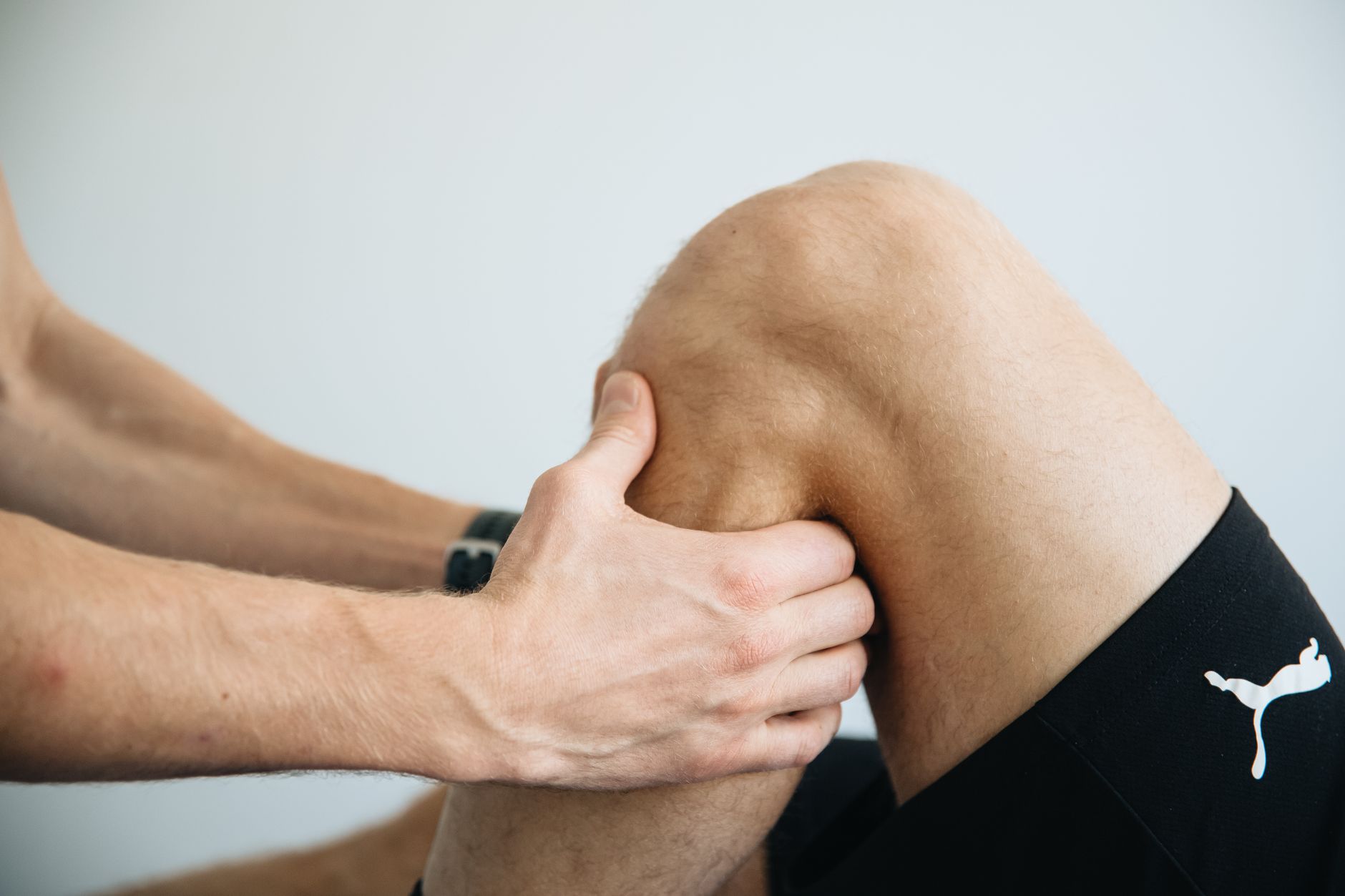
Older adults sometimes experience joint discomfort, muscle soreness, or fatigue when beginning standing cardio, and knowing what’s normal versus what signals a problem is important. Mild muscle soreness 24 to 48 hours after new exercise is typical, but sharp pain during exercise—especially in knees, hips, or ankles—warrants evaluation by a healthcare provider or physical therapist. If walking causes knee pain, trying water aerobics or swimming (non-standing cardio, but still effective) often eliminates the problem by reducing impact.
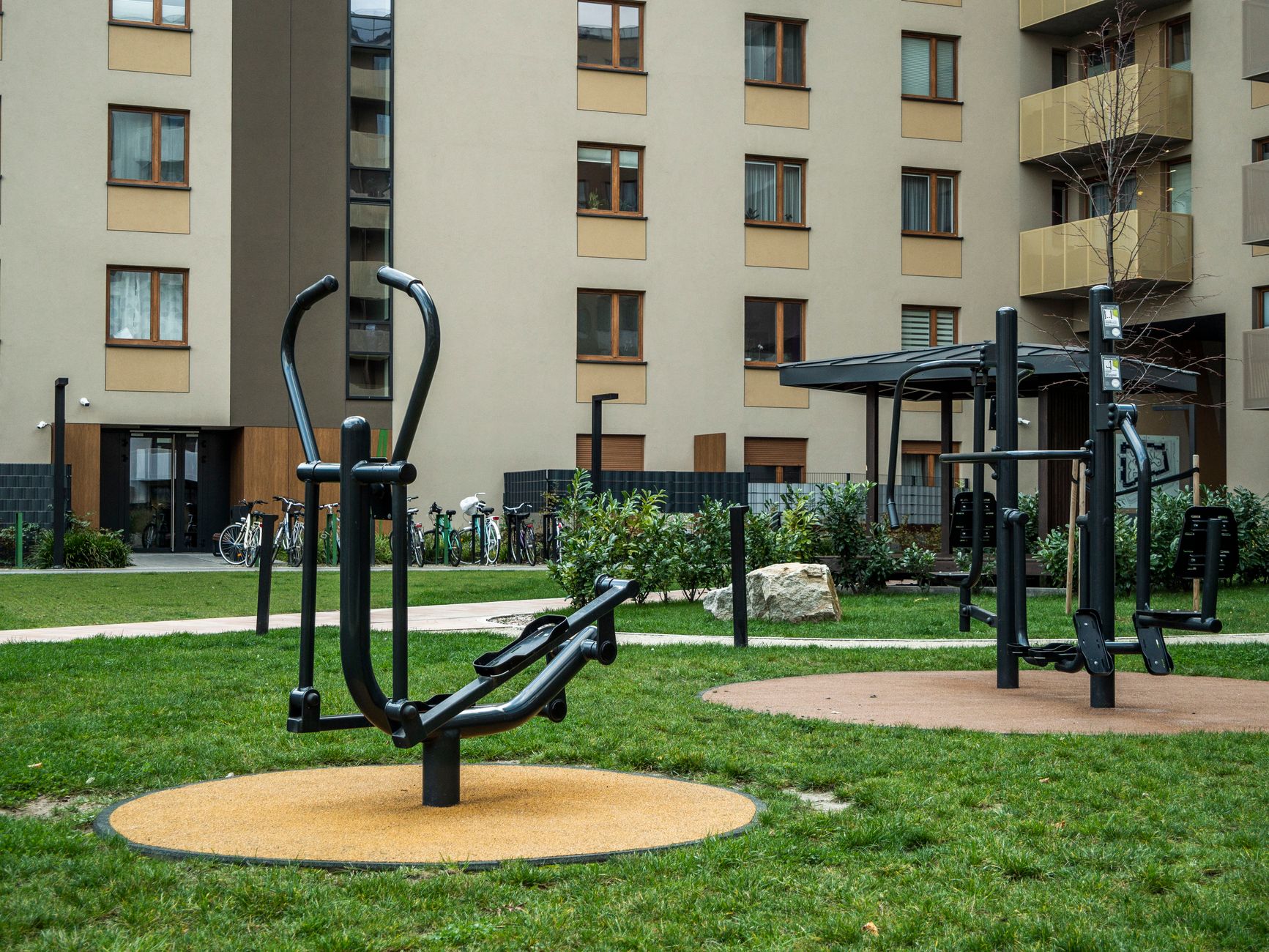
Shortness of breath during standing cardio is expected, but if you feel chest discomfort, dizziness, or pressure radiating into your arm or jaw, stop immediately and seek medical attention. A less obvious concern is that standing cardio done on hard surfaces (concrete, asphalt) creates cumulative impact over time, even though each individual step feels gentle. Rotating between different surfaces—some weeks mixing pavement walking with pool-based aerobics, other weeks adding soft-surface walking on grass or trails—distributes the load differently and may reduce overuse injury risk. For older adults with osteoarthritis in weight-bearing joints, this variety in terrain and medium is often more sustainable than doing the same standing cardio in the same location every single day.
Combining Standing Cardio with Other Exercise Modalities
Standing cardio works best as part of a broader fitness routine that includes resistance training, flexibility work, and balance-specific exercises. A well-rounded weekly program might look like: three sessions of standing cardio (walking, water aerobics, or dance), two sessions of strength training (using weights, resistance bands, or bodyweight), and one or two sessions of stretching or yoga. This combination addresses cardiovascular health, muscular strength, joint mobility, and balance—the four pillars of functional fitness in older age.
Some older adults find that combining two modalities in a single session maximizes time efficiency. For example, a water aerobics class that includes standing cardio movements plus some resistance-style exercises (pushing against water resistance) covers both bases. Similarly, a brisk walking session followed by 10 minutes of bodyweight exercises—standing squats, wall push-ups, or step-ups—adds strength work without requiring extra time commitment.
Adapting Standing Cardio as You Age Further
Standing cardio remains viable across the lifespan, but the specific format may shift as you move into your 80s and beyond. Someone who walked vigorously at age 70 might transition to water aerobics at age 80 if joint issues worsen, then to water walking or tai chi at age 85 if balance becomes more fragile. This flexibility—the ability to modify without abandoning cardiovascular exercise altogether—is one of standing cardio’s greatest strengths.
The cardiovascular system continues to respond to aerobic training well into advanced age, so maintaining standing cardio work (in whatever form is comfortable) supports ongoing health and independence. Future-focused older adults who invest in standing cardio now build what gerontologists call “fitness reserve”—extra capacity in their cardiovascular, muscular, and nervous systems. This reserve acts like an insurance policy: small amounts of age-related decline don’t immediately translate into functional limitation. Someone who built robust aerobic fitness through standing cardio in their 70s can tolerate more age-related decline while still maintaining the ability to walk, travel, and remain independent in their 80s and 90s.
Conclusion
Standing cardio exercises provide a practical, accessible, and sustainable way for older adults to meet cardiovascular fitness guidelines, reduce chronic disease risk, and maintain functional independence. Whether through brisk walking, water aerobics, dancing, or other upright, rhythmic activities, standing cardio delivers measurable benefits—improved heart health, better endurance, enhanced balance, and strengthened lower-body muscles—without the joint impact of running or the technical demands of cycling.
The key to success is choosing formats you genuinely enjoy and progressing gradually, then combining standing cardio with strength training and flexibility work for complete fitness. If you’re an older adult considering starting standing cardio, begin with an activity that fits your interests and current fitness level, set a realistic goal (such as 20 to 30 minutes, three times per week), and reassess every two to four weeks as your fitness improves. Talk with your healthcare provider if you have existing health conditions or joint concerns, but for most aging adults, standing cardio is a safe, effective starting point for reclaiming and maintaining cardiovascular health.