
Starting cardio later in life is not just safe—it’s one of the most effective health decisions you can make. The key is beginning slowly with low-impact activities, getting medical clearance, and building your aerobic base gradually over weeks before increasing intensity. A 58-year-old who hadn’t exercised in decades could start with 15-minute walks three times per week, progress to 30 minutes within two months, and eventually add light jogging intervals—all without injury if the progression is patient and consistent.
The biggest mistake older adults make is starting too hard or too fast. Your cardiovascular system needs time to adapt. Your heart, lungs, and blood vessels respond well to training at any age, but they require a methodical approach. Unlike a 25-year-old who might tolerate jumping into running immediately, someone starting cardio at 60 or 70 needs to respect the adaptation window—typically 4-6 weeks before substantial fitness gains appear.
Table of Contents
- What Medical Clearance Actually Means and Why It Matters
- Low-Impact Cardio: The Foundation for Older Adults
- Understanding Your Heart Rate Zones and Perceived Exertion
- Building Your Weekly Schedule Without Overtraining
- Joint Pain, Arthritis, and When to Modify
- Nutrition and Hydration for Older Cardio Athletes
- Progression Beyond the First Two Months
- Conclusion
- Frequently Asked Questions
What Medical Clearance Actually Means and Why It Matters
Before you start any cardio program, you need clearance from your doctor, especially if you’re over 45, sedentary, or managing chronic conditions like diabetes, high blood pressure, or heart disease. This isn’t bureaucratic gatekeeping. Your doctor runs basic tests—blood pressure, possibly an EKG or stress test—to identify whether you have hidden cardiac risk factors. Someone with undiagnosed atrial fibrillation or severely clogged arteries could suffer a heart attack during their first workout if they skip this step.
The clearance conversation also gives you specific guidance on which activities are appropriate for your particular health profile. A simple visit to your primary care doctor takes 30 minutes and costs far less than a cardiac event. Be specific about your plan: “I want to start walking and eventually jogging.” Your doctor may suggest you begin with walking only, or they might recommend a cardiac rehab program if you have a history of heart problems. Listen to this guidance. It’s personalized to your actual risk, not generic advice.
Low-Impact Cardio: The Foundation for Older Adults
Starting with low-impact cardio protects your joints while building aerobic capacity. Walking, swimming, cycling, and elliptical machines all qualify. Your knees, hips, and ankles have endured decades of use and potential wear. High-impact activities like running subject these joints to two to three times your body weight with every stride. For someone just starting out at 65, that‘s asking too much too soon. Walking is the gold standard entry point because it’s free, requires no equipment, and you can do it almost anywhere.
Start with 15-20 minute sessions on relatively flat ground. Your heart rate should stay low enough that you could hold a conversation. If you’re gasping for breath, you’re working too hard. Swimming is even gentler—water supports your body weight, making it ideal if you have arthritis or joint pain. One limitation: swimming doesn’t provide the weight-bearing stimulus your bones need to stay strong, so it’s best combined with some walking or strength work. Cycling and elliptical machines offer a middle ground, giving you cardiovascular benefit without the pounding of running.
Understanding Your Heart Rate Zones and Perceived Exertion
For most older adults, the traditional formula for maximum heart rate—220 minus your age—is less accurate than simply paying attention to how you feel. A 65-year-old using the formula gets a max HR of 155 beats per minute. But their actual max might be 145 or 165 depending on genetics and fitness. Instead, use perceived exertion: on a scale of 1 to 10, aim for 3 to 5 during your first few weeks of walking.
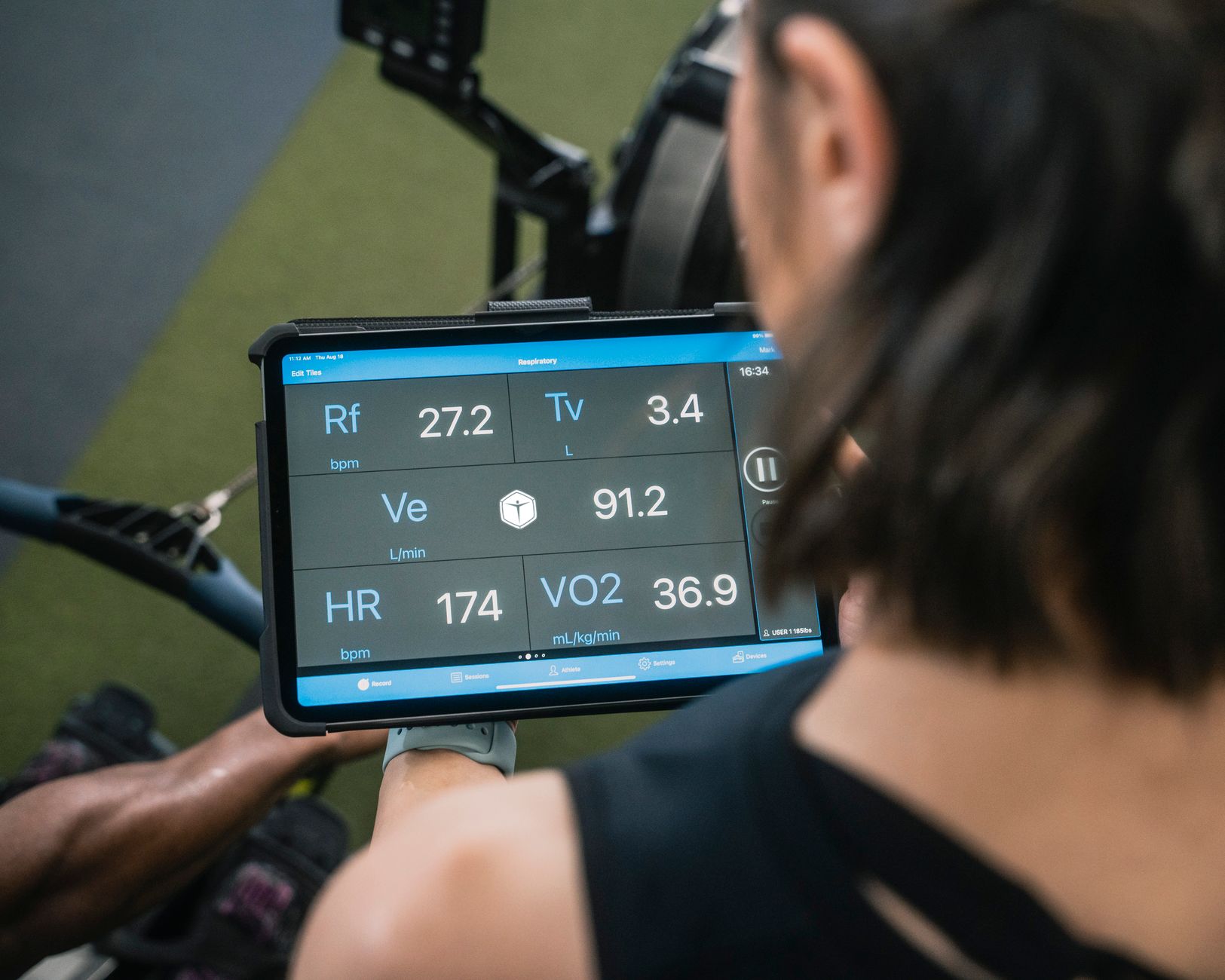
If you want to track heart rate, a cheap fitness band works fine. Your easy pace should keep you at 60-70% of your max heart rate—roughly 100-110 bpm for that 65-year-old example—assuming good medical clearance. The real warning here is that older adults taking beta-blockers for blood pressure will have artificially lower heart rates, so perceived exertion becomes even more important than numbers. Don’t get obsessed with hitting a specific bpm if it makes exercise feel like a test. Movement should feel sustainable.
Building Your Weekly Schedule Without Overtraining
Start with three cardio sessions per week, spaced at least one day apart. This gives your body recovery time—essential for adaptation at any age, but especially for someone in their 60s or 70s. A typical beginner week looks like: Monday 20 minutes walking, Wednesday 20 minutes walking, Friday 20 minutes walking. That’s it. No more. After three weeks, increase to 25 minutes per session while keeping the same three-day structure.
After six weeks, you might add a fourth day or bump to 30 minutes. The comparison to competitive athletes is instructive: they train hard but also rest hard. Your rest days are when your heart becomes stronger, your aerobic capacity improves, and your risk of injury drops. The tradeoff is patience. Progress takes longer than you’d like, but it’s real. A person who increments gradually avoids injury and builds a sustainable habit. A person who doubles their volume too fast risks tendinitis, stress fractures, or cardiac complications.
Joint Pain, Arthritis, and When to Modify
Mild soreness in your muscles after starting cardio is normal. Stiffness that goes away after 10 minutes of movement is fine. Sharp pain, pain that worsens during activity, or pain that persists afterward is not. If you experience the latter, that’s your signal to stop and reassess. Many older adults with early osteoarthritis in their knees assume they can’t do cardio. They can—they just need the right modality.
Swimming or the elliptical might be fine when walking causes pain. One limitation of low-impact work: if you have significant arthritis, even walking might aggravate your joints. In this case, swimming becomes your best option because water provides buoyancy that unloads your joints entirely. Cycling is another alternative if your knee flexion tolerance is okay. The warning is that rest alone won’t improve aerobic fitness. You need to move consistently, even if that movement has to be modified. Consult a physical therapist if you’re unsure whether an activity is safe for your specific condition.
Nutrition and Hydration for Older Cardio Athletes
Your body’s ability to absorb and utilize nutrients changes with age. Older adults often become dehydrated more easily and recover less efficiently from exercise. You don’t need special sports drinks or supplements to start cardio, but you do need to eat adequately and drink water.
A simple rule: drink 4-6 ounces of water every 15-20 minutes during your walk or swim, and eat a small snack containing carbs and protein within an hour after exercise to support recovery. Many people assume they should do cardio on an empty stomach to “burn more fat.” For someone just starting out, an empty stomach means less energy, poorer performance, and increased injury risk. Eat a banana or a slice of whole grain toast before your session. Your body will perform better, the session will feel easier, and you’ll be more likely to stick with it.
Progression Beyond the First Two Months
After eight to twelve weeks of consistent low-impact cardio, you can begin introducing higher-intensity intervals or more demanding activities. This might mean adding one hill to your walking route, trying a 5-minute jog mixed into your walk (a walk-run pattern), or increasing session duration to 40 minutes. The ceiling is still lower than for younger people. An 70-year-old probably shouldn’t aim to run continuously for an hour—instead, a mix of walking and jogging for 30-40 minutes is sustainable and provides excellent cardiovascular benefit.
The reality of aging is that recovery slows down. What a 30-year-old recovers from in 24 hours might take a 65-year-old 48 hours. This isn’t a reason to quit. It’s a reason to spread your work across the week, take genuine rest days, and listen to your body. Someone who trains consistently into their 70s and 80s shows remarkable preservation of cardiovascular fitness, so the long-term outlook is positive.
Conclusion
Starting cardio safely later in life means getting medical clearance, beginning with low-impact activities like walking, and progressing slowly over weeks, not days. The foundation is consistency and patience. A person who walks 25 minutes, four times per week at age 65 will see real improvements in energy, sleep, and cardiovascular markers within two months.
The key is doing something sustainable, not something extreme. Your age is not a barrier to cardio. It’s simply a context that demands more careful progression. Respect that context, follow the framework of slow progression and medical guidance, and you’ll build genuine fitness and health that compounds over years.
Frequently Asked Questions
Is it ever too late to start cardio?
No. Studies show people in their 70s, 80s, and even 90s who start cardio programs see improvements in strength, aerobic capacity, and cardiovascular health. The progression must be slower, but the benefit is real.
How do I know if chest pain during exercise is normal?
Any chest pain during cardio is a reason to stop immediately and call your doctor. Muscle soreness happens in your legs or the next day. Sharp chest pain, pressure, or shortness of breath that seems excessive for your effort is not normal and requires medical evaluation.
Can I do cardio if I take blood pressure medication?
Yes, most blood pressure medications don’t prevent cardio. However, some (like beta-blockers) lower your maximum heart rate, so perceived exertion becomes more reliable than heart rate numbers. Tell your doctor about your cardio plans so they can adjust medication if needed.
What’s the minimum effective dose of cardio?
Three sessions per week of 20-30 minutes provides substantial benefit. Less than three sessions per week results in slower adaptation. More than five high-intensity sessions risks overtraining and injury, especially early on.
Should I wear compression sleeves or special gear?
No. Compression sleeves, special shoes, and fitness trackers are optional. Walking shoes with decent support and comfortable clothes are sufficient to start.
How long until I see results?
Energy and sleep often improve within two to three weeks. Measurable improvements in aerobic fitness (being able to walk farther without fatigue) typically appear after four to six weeks. Visible changes in body composition take eight to twelve weeks.


