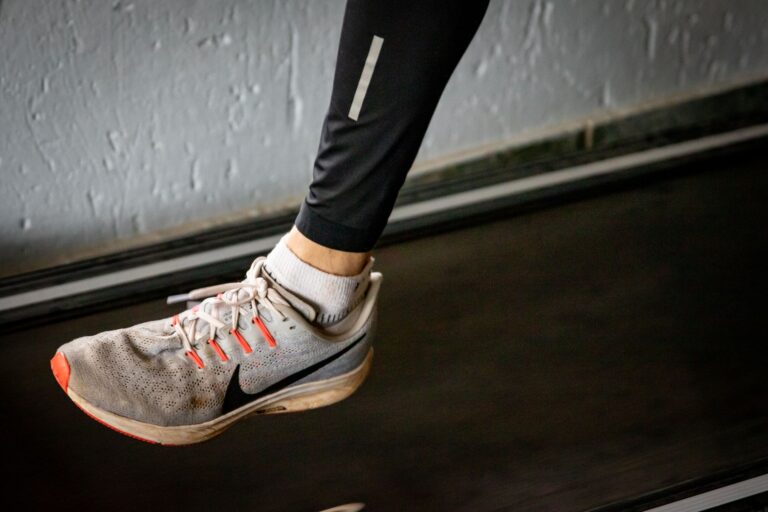
Buying your first treadmill is fundamentally about matching your running goals to the right machine for your fitness level and space. A beginner runner needs something different than someone training for a marathon—not just in features, but in how the machine handles impact, allows for progression, and fits into your home or gym setup. The good news is that you don’t need the most expensive model on the market to find a treadmill that works for you, but you do need to know what to look for so you don’t end up with a machine that collects dust in your garage within three months. The buying process comes down to understanding five key factors: motor power, belt quality, incline range, cushioning, and your actual available space.
A 250-pound runner training for endurance needs a sturdier motor than a 150-pound person doing light cardio, just as someone with joint issues needs better shock absorption. For example, if you’re a 180-pound runner planning to do regular 45-minute sessions at 6-8 mph, you’ll want at least a 2.5 HP motor and a belt rated for continuous use—not a budget model designed for walking or occasional jogging. Most runners make one of three mistakes when buying a treadmill: they overestimate how often they’ll use it, they underestimate how much space a machine actually takes up, or they cheap out on motor quality and regret it after six months of use. This guide will help you avoid those traps.
Table of Contents
- What Should You Look for in a First Treadmill?
- Understanding Cushioning and Its Limits
- Size, Noise, and Space Considerations
- New vs. Used Treadmills—Making the Financial Call
- Motor Wear and Longevity Warnings
- Technology and Console Features for Beginners
- The Long-Term Picture—Upgrading and Maintenance
- Conclusion
- Frequently Asked Questions
What Should You Look for in a First Treadmill?
When evaluating treadmills, the motor is your starting point. The horsepower rating tells you how much power the machine can sustain during continuous use. Continuous duty motors are rated differently than peak motors—a machine might advertise 3 HP peak but only 2 HP continuous, which is what actually matters for running. If you’re under 200 pounds and doing light-to-moderate running, a 2.0-2.5 HP continuous motor is sufficient. If you’re heavier or plan to run at higher speeds regularly, you want 2.75 HP or higher. A 300-pound runner consistently pushing a underpowered motor will wear out the machine faster and experience inconsistent belt speed during workouts. The running surface—the belt and deck—is the second priority.
A wider, longer deck gives you more room to find your natural stride and prevents your foot from landing too close to the edge. Standard lengths are 55-60 inches, and width ranges from 18-22 inches. Thicker, higher-quality decks provide better shock absorption and last longer. Budget treadmills often use thin decks that feel unstable at higher speeds, while mid-range and premium models invest in reinforced platforms that reduce impact on your joints. Don’t overlook the incline range. Most entry-level treadmills go up to 10-12% incline, which is fine for hill training and calorie burn, but if you think you’ll want steeper grades for serious training, look for 15% or higher. The incline mechanism also matters—motorized inclines adjust electronically, while manual incline treadmills require you to physically adjust them, which is awkward mid-workout.
Understanding Cushioning and Its Limits
Cushioning systems vary widely and significantly impact how your joints feel during and after running. treadmill manufacturers often claim their cushioning is better than road running, which is partially true but comes with a caveat: too much cushioning can actually be detrimental to your form. Excessive cushioning can make your foot strike inconsistent and encourage overstriding, which increases injury risk. A moderate amount of cushioning—enough to absorb impact but not so much that the belt feels mushy—is the sweet spot. Premium treadmills use advanced cushioning like dual-zone systems or variable-firmness decks that are softer under the heel and firmer under the forefoot. Budget models use basic rubber padding or elastomer strips.
Mid-range machines typically offer adequate cushioning that won’t damage your knees but won’t provide the premium experience either. Here’s the limitation: no treadmill cushioning perfectly mimics road running, because treadmill running is biomechanically different. The belt moves under you, changing how your legs have to work. This is actually fine and can be beneficial for building strength, but if you’re training for a road race, you need to do some actual road running too—don’t rely solely on the treadmill. If you have a history of knee or joint pain, spending more on a treadmill with better cushioning is reasonable. If you’re healthy and just starting out, a treadmill with standard cushioning will work fine.
Size, Noise, and Space Considerations
Before you buy, measure your space. A treadmill folded up might be 7-8 feet long and 3 feet wide, but you need clearance around it too—at least a foot on each side and behind it for safety. In a small apartment, that’s a serious commitment. Folding treadmills save space, but they’re generally less stable than fixed models, especially at higher speeds or if you’re heavier. A 250-pound runner might feel wobbling on a folding treadmill at 8 mph, while a 150-pound runner wouldn’t notice. Noise is another real consideration, especially if you live in an apartment or have a family.
Budget treadmills can be surprisingly loud—some sound like a jackhammer at higher speeds, which isn’t just annoying, it’s a sign the motor and belt aren’t well-matched. Higher-end machines tend to run quieter because they have better-designed belts and motors with less vibration. If noise is a concern, avoid the cheapest models and look for reviews specifically mentioning sound levels. Weight capacity is also a factor that’s easy to overlook. Most treadmills are rated for 250-300 pounds, but if you exceed the weight limit, you’re risking equipment failure and injury. Some heavier-duty commercial or semi-commercial models go up to 350-400 pounds.

New vs. Used Treadmills—Making the Financial Call
A new entry-level treadmill costs $400-800, mid-range $800-2,000, and premium models $2,000+. Used treadmills on Facebook Marketplace or Craigslist can be 30-60% cheaper, which is tempting. The tradeoff is risk. A used treadmill might have an outdated motor, worn belt, or hidden mechanical issues. You usually can’t test it before buying, and if something breaks, you’re on your own for repairs. New treadmills come with warranties, usually 1-3 years on parts and 5-7 on the frame. For a first treadmill, a new mid-range machine ($1,000-1,500) is often the best value.
You get a reliable motor, decent cushioning, and a warranty. You avoid the risk of buying someone else’s problem. Compare brands like NordicTrack, Sole, Proform, and Horizon, which offer solid machines in that price range. If budget is tight, a used higher-end model might actually be better than a new budget model, because premium machines are built to last and hold up better over time. Whatever you choose, check the warranty details. Some warranties are non-transferable if you buy used, and others require registration to activate. Read the fine print.
Motor Wear and Longevity Warnings
The motor is the treadmill component most likely to fail, and it’s expensive to replace—often $200-400 for a quality replacement. Undersized motors wear out faster because they’re working harder every time you use the machine. A 2.0 HP motor in a 250-pound runner’s hands, running 5 days a week for 45 minutes, will degrade faster than the same motor in a 150-pound runner’s hands. You can extend motor life by maintaining proper belt tension, keeping the machine clean, and avoiding extreme use (like running at top speed for extended periods every day). A treadmill motor is designed for sustained running, not sprinting, and not for being maxed out constantly.
Some people buy a treadmill, run aggressively on it for a few weeks, then use it rarely—that’s actually fine for motor longevity. What wears motors out is heavy, consistent use without maintenance. Another concern is uptime warranty versus coverage. Some warranties cover parts but not labor, meaning you have to pay $100-200 to have a technician come fix it. Others include service visits. Higher-end brands and retailers usually offer better support options.

Technology and Console Features for Beginners
Modern treadmills come with touchscreen consoles, app connectivity, and streaming options. iFit, for example, connects to hundreds of on-demand running workouts and can automatically adjust incline and speed based on the terrain you’re virtually running. Peloton has similar offerings. These features are genuinely useful for motivation and structured training, but they’re not essential for a beginner.
If you’re someone who gets bored easily and needs variety, the tech and connectivity might justify the added cost ($200-500 more). If you’re disciplined and just want to put on a podcast and run, you don’t need it. Budget treadmills have basic consoles that show speed, distance, time, and calories—that’s enough to track your progress. One caveat: cheaper models often have laggy or poorly responsive consoles that are frustrating to use, so read reviews about the actual user experience, not just what features are listed.
The Long-Term Picture—Upgrading and Maintenance
When you buy your first treadmill, think about this as the start of a relationship, not a one-time purchase. A quality machine maintained well should last 7-10 years. That means occasional belt adjustment (usually every 1-2 years), replacing the running surface if it wears out (expensive, sometimes not worth it), and occasional repairs.
As your fitness evolves, you might outgrow your first treadmill. If you start as a casual jogger but end up training seriously, you might want something with more advanced cushioning, higher max speed, or better incline range. There’s no shame in upgrading—it’s actually a sign of progress. The first treadmill just needs to be good enough to carry you through the beginning, not to be your forever machine.
Conclusion
Your first treadmill should match your current fitness level and available space, with a motor strong enough for your body weight and a belt quality that won’t leave you dealing with repairs in six months. Spend between $800-1,500 for a machine that will serve you well for years—this is the sweet spot where you avoid budget corners that fail quickly, but you’re not paying for premium features you won’t use yet. The three non-negotiables are a continuous-duty motor rated for your weight, adequate cushioning, and a warranty that includes service support.
Before clicking buy, test one in person if possible, read reviews specifically from people your size and fitness level, and measure your space. Once you have the machine, maintain it properly and run consistently. A good treadmill is an investment in your running routine, not a replacement for outdoor running, and not a shortcut to fitness—it’s a tool that works best when you commit to using it.
Frequently Asked Questions
How much should I spend on a first treadmill?
Aim for $800-1,500 for a reliable machine that will last. Cheaper models often have weak motors and poor build quality. Spending more than $2,000 usually means paying for features like app connectivity that a beginner doesn’t need yet.
Is a folding treadmill a good choice for a small space?
Folding treadmills save space when not in use, but they tend to be less stable, especially for heavier runners or at higher speeds. If you fold it after every use, it’s fine. If you’ll use it daily, a fixed model is more practical.
Should I buy a used treadmill to save money?
Only if you can test it in person and know its history. New mid-range treadmills come with warranties and are more reliable. A used budget model might actually be a worse deal than a new mid-range one.
Do I really need app connectivity and streaming workouts?
No, but they can increase motivation and help with structured training. If you’re disciplined, a basic treadmill is fine. If you get bored easily, the tech is worth considering.
What’s the minimum motor size for someone my weight?
Under 200 pounds: 2.0-2.5 HP continuous. 200-250 pounds: 2.5-3.0 HP. Over 250 pounds: 3.0+ HP. These are continuous duty ratings, not peak.
How often do treadmills break down?
Quality machines rarely need repairs in the first 5 years with proper maintenance. Motors wear out eventually, and belts may need replacement around year 5-7. Budget models have higher failure rates in years 2-3.