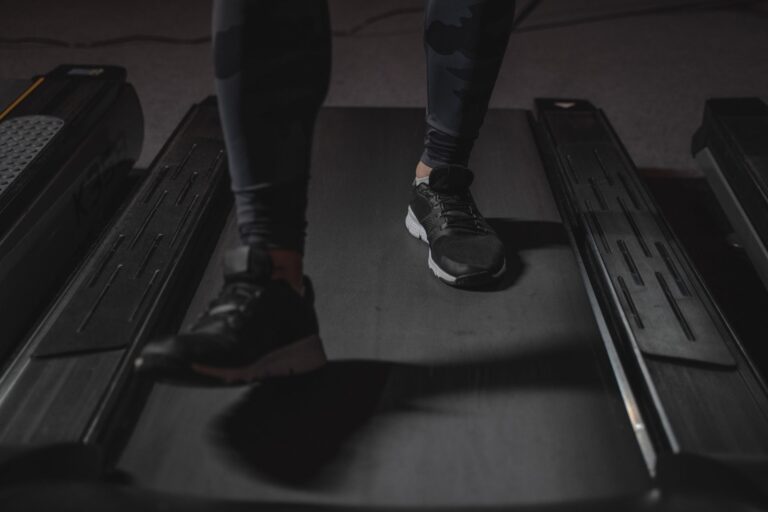
The best way to find your correct running shoe size is to measure your feet in the afternoon (when they’re slightly swollen), account for toe room and width, and prioritize fit over size—because running shoe sizes often differ from casual shoe sizes by half a size or more. For most first-time running shoe buyers, this means going to a specialty running store for a gait analysis rather than ordering online based on street shoe measurements. A runner who wears a size 10 in dress shoes, for example, might actually need a size 10.5 or even 11 in running shoes because your feet expand during activity and running shoes are designed with extra room at the toe box to prevent blisters and black toenails.
Finding the right size isn’t just about comfort—it directly affects your injury risk. Shoes that are too tight restrict blood flow and create pressure points. Shoes that are too loose cause your foot to slide inside the shoe, increasing friction and leading to blisters, calluses, and altered running mechanics. The stakes are higher than casual footwear because running shoes support repetitive impact thousands of times per run.
Table of Contents
- Why Running Shoe Size Differs from Everyday Shoe Size
- The Critical Role of Heel-to-Toe Room and Width Fitting
- Gait Analysis and How It Affects Shoe Sizing
- Measuring Your Feet at Home vs. Professional Fitting
- Common Sizing Mistakes and Red Flags
- Seasonal and Environmental Factors in Sizing
- The Future of Running Shoe Sizing
- Conclusion
- Frequently Asked Questions
Why Running Shoe Size Differs from Everyday Shoe Size
Running shoes are built fundamentally differently from casual footwear. The toe box is wider and higher to accommodate foot swelling during aerobic activity—your feet can swell up to a full size during a run. The heel counter (the back of the shoe) is more structured to control heel slippage. The insole has more cushioning and support. Because of these differences, the size that fits you in a loafer or sneaker can be completely wrong for running.
A concrete example: a runner wearing a women’s size 8 in everyday shoes often needs an 8.5 or 9 in running shoes. Male runners frequently find their running size is a half to full size larger than their street shoe size. This isn’t universal—some runners stay true to size—but it’s common enough that it’s the first thing a specialist will check. Your morning size also matters because feet swell throughout the day. Shoes that feel loose in the morning might be uncomfortably tight by evening when you actually run.
The Critical Role of Heel-to-Toe Room and Width Fitting
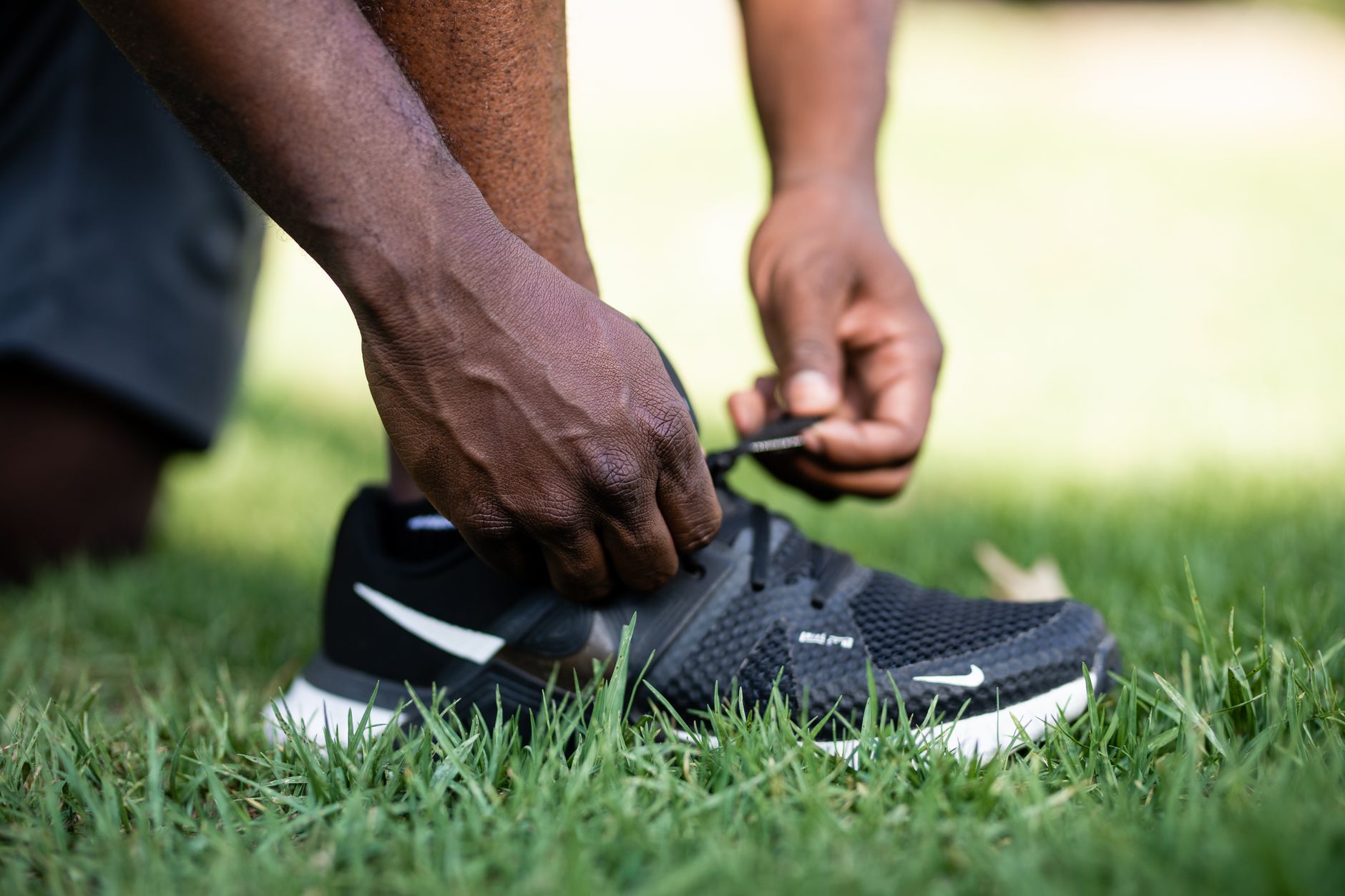
Proper heel-to-toe clearance in a running shoe means having a thumb’s width (roughly half an inch) of space between your longest toe and the end of the shoe. This prevents black toenails and blisters on long runs. Many first-time buyers make the mistake of assuming their longest toe is their big toe—it isn’t always. If your second toe is longer (a common trait), you need that extra room from that toe, not your big toe. Width fitting is equally critical but often overlooked.
Running shoes come in standard, narrow, and wide options, and width consistency varies significantly between brands. A shoe that fits snugly in the midfoot on one brand might pinch painfully in another. This is a major limitation of online shoe buying: you can’t assess width without trying the shoe on. A runner with wider feet who buys a standard-width shoe online might end up with blisters along the outer edge of the foot or a sensation of pressure across the top, even if the size length is correct. Specialty running stores measure both length and width, which is why that extra step matters for new runners.
Gait Analysis and How It Affects Shoe Sizing
A gait analysis at a specialty running store evaluates how your foot lands, how much it rolls inward (pronation), and how much it rolls outward (supination). This assessment guides shoe selection because shoes are designed to correct or accommodate different gait patterns. A runner with severe overpronation (excessive inward roll) might need a motion-control shoe, which is often available only in certain size ranges, whereas a neutral runner has more options.
This matters for sizing because stability shoes and motion-control shoes tend to fit differently than neutral shoes. Some runners find that a shoe designed to correct their gait actually feels tighter or looser than a neutral shoe in the same size. For instance, a runner with high arches and supination (underpronation) might find that a neutral cushioned shoe in size 10 feels loose, but a stability shoe in the same size 10 fits snugly because of the extra support structures. Gait analysis removes guesswork by matching your foot mechanics to shoes that have been engineered for that specific movement pattern.
Measuring Your Feet at Home vs. Professional Fitting
If you can’t access a specialty running store, you can measure your feet at home using a Brannock device (available online for $10-20) or by tracing your barefoot on paper and measuring the outline. Measure in the afternoon when your feet are naturally swollen. Place the ruler or Brannock device against your heel and measure to the tip of your longest toe. Write down the measurement in inches, then convert to your shoe size using a running shoe size chart.
However, home measurement only tells you your length. It doesn’t account for width, doesn’t involve gait analysis, and doesn’t let you physically feel how the shoe fits across the ball of your foot and arch. A professional fitting at a running specialty store takes 20-30 minutes, involves watching you run (sometimes on a treadmill while they film from behind), and results in trying on 3-5 shoe options. The tradeoff is time and cost—a specialty store fitting might be free if you buy shoes there, whereas home measurement is cheaper but incomplete. Most running injury specialists recommend the professional route for first-time buyers because the injury prevention payoff is significant.
Common Sizing Mistakes and Red Flags
A frequent mistake is buying shoes based on online reviews and sizing charts without trying them on. Brands size inconsistently. A Brooks shoe in size 10 doesn’t fit the same as a ASICS shoe in size 10. Even within a brand, the same size can fit differently between model years because manufacturers adjust their lasts (the wooden forms used to shape shoes). A runner who loves their Nike Vaporfly in size 10 might be shocked to find that a Nike Pegasus in size 10 feels loose.
Another red flag is feeling pressure across the top of your foot or around the sides when you’re standing still. That pressure will become painful after 3-5 miles of running as your foot swells. Similarly, if your heel slips inside the shoe when you walk around the store, slippage will worsen once you’re running. Don’t assume these problems will resolve or that the shoe “just needs breaking in”—modern running shoes don’t have a long break-in period. If a shoe doesn’t feel right in the store, it won’t feel right on the road. This is a hard rule because running shoes are expensive ($100-180), and starting with the wrong size often leads to buying a second pair within weeks.

Seasonal and Environmental Factors in Sizing
Foot swelling varies with seasons and climate. In summer heat, your feet swell more, and you might need a half size larger than what fits in winter. This is why some runners buy shoes twice per year in different sizes. Cold weather can reduce swelling slightly, meaning shoes that fit perfectly in July might feel loose in January.
There’s also the question of socks: thick moisture-wicking running socks take up more space than thin socks. When you try on shoes at the store, wear the socks you plan to run in. If you try shoes with thin athletic socks but plan to run in thick wool socks, your shoe will feel too tight on your first run. Some runners in hot climates keep a half-size larger shoe specifically for summer running and a true-to-size shoe for winter. This adds cost, but it prevents the frustration of shoes that alternate between feeling loose and too tight depending on the season and conditions.
The Future of Running Shoe Sizing
Shoe sizing technology is evolving. Some brands now offer shoes with adjustable fit systems that allow micro-adjustments to arch support and midfoot snugness without changing shoe size. 3D foot scanning at specialty stores is becoming more common, providing precise measurements that traditional Brannock devices can’t capture.
A few brands are beginning to use this data to recommend not just size but also specific shoe models most likely to fit your foot shape. The practical reality for first-time buyers is that these innovations are still rolling out unevenly. Most runners still rely on trying shoes on and measuring feet the traditional way. What’s changed is that online retailers and brands have improved return policies—many offer free shipping and returns, which makes the risk of buying the wrong size less punishing than it was five years ago.
Conclusion
Your correct running shoe size is determined by afternoon foot measurements, professional gait analysis if possible, and at least 15 minutes of trying shoes on while moving around the store. Because running shoes are expensive and foot injuries are costly to treat, the upfront investment of time in finding your true size pays dividends in comfort and injury prevention over months of running. If you can’t access a specialty store, use a home measurement as a starting point, but expect to try multiple sizes when your shoes arrive because online sizing is inherently less reliable than in-person fitting.
The key principle for new runners is this: your running shoe size is not negotiable based on what you wish it were or what size you wear elsewhere. Your feet know their true size. Listening to that—rather than to vanity sizing or online assumptions—is the difference between shoes that feel great for 500 miles and shoes that create problems within the first week.
Frequently Asked Questions
Should I size up or down in running shoes?
Generally size up (usually a half size) compared to casual shoes to allow for foot swelling and toe room. Measure in the afternoon and leave roughly a thumb’s width of space between your longest toe and the shoe end.
What if my left foot is larger than my right foot?
This is common. Buy shoes to fit your larger foot, then use thicker insoles or additional padding in the other shoe. Never buy two different sizes.
Can I wear my running shoes for casual activities?
Yes, but they’ll wear out faster if you use them daily for both running and walking. Some runners keep a separate pair for everyday wear to extend their running shoe lifespan.
How often should I replace my running shoes?
After 300-500 miles of running, depending on your weight, gait, and shoe construction. Once you know your correct size, buying replacements is easier because you already know what works.
Is it normal for running shoes to feel tight when you first put them on?
Slight snugness across the arch is normal, but any pressure or pain is a red flag. The shoe should feel comfortable within a few seconds of putting it on.
What’s the difference between men’s and women’s running shoes?
Women’s shoes are typically shaped narrower overall, with a smaller heel, a more tapered midfoot, and more cushioning in the forefoot. Men with narrow feet sometimes fit women’s shoes. Sizing between men’s and women’s shoes isn’t a direct conversion—measure and try both.