The key to a better shoe fit lies in how you lace them, not just how tight you pull the laces. Most runners use the same basic crisscross pattern their entire lives without considering that different lacing techniques address different fit problems—pressure points on your midfoot, heel slippage, arch support, or toes cramping in the forefoot. By adjusting where you thread the laces and how you tension different sections of your shoe, you can redistribute pressure, improve stability, and reduce the risk of blisters and injury that come from shoes that don’t fit properly.
Your shoe’s lacing system is a tool you control with every run. A runner who experiences blisters on her pinky toe might solve the problem not by buying new shoes but by using a skip-lacing technique to reduce pressure in that zone. Another runner dealing with heel slip during downhill segments might strengthen the heel lock through a specific knotting method. The same shoe that feels uncomfortable with standard lacing can become genuinely comfortable when you match the lacing pattern to your foot’s actual needs.
Table of Contents
- Understanding Standard Lacing and Why It Falls Short for Many Runners
- The Lock-and-Key Method and Heel Security
- Skip-Lacing for Pressure Relief and Comfort
- The Loop Lock and Runner’s Knot for Maximum Stability
- Common Lacing Mistakes That Undermine Shoe Fit
- Lacing Strategies for Specific Foot Shapes
- The Future of Footwear Customization and Lacing Innovations
- Conclusion
- Frequently Asked Questions
Understanding Standard Lacing and Why It Falls Short for Many Runners
The conventional crisscross lacing pattern—threading laces diagonally from one side to the other—distributes tension roughly evenly across the shoe. This works fine for many people, but it’s a compromise. If you have a high arch, standard lacing won’t provide enough support in the midfoot. If your foot is wider, the same pattern might constrict your forefoot while leaving your heel too loose.
The issue is that one-size-fits-all lacing ignores the fact that feet have variable width, volume, and shape along their length—your forefoot might need different tension than your midfoot or heel. A runner with moderate bunions, for example, will find that standard lacing applies pressure directly across the painful joint with every step. That same runner might discover that a skip-lacing technique—intentionally leaving out one or two crossing points in the bunion area—instantly reduces pain without needing a different shoe. The standard pattern persists mainly because it’s intuitive and it works adequately for average feet in average shoes.

The Lock-and-Key Method and Heel Security
One of the most effective lacing techniques for runners is the lock-and-key method, which creates a secure heel pocket by forming a loop on each side near the ankle and then threading the lace through these loops before final tightening. This method is particularly valuable for runners who experience heel slip during tempo runs or when descending hills. The mechanical advantage of this locking system means your heel stays planted in the shoe even when you’re moving at speed, reducing friction and preventing blisters that develop when soft tissue slides inside the shoe.
The lock-and-key method does have a limitation: it requires precision in thread placement, and if you pull too aggressively on the final tightening, you can cut off circulation around the ankle. This becomes especially problematic on long runs where sustained pressure can lead to temporary numbness or pins-and-needles sensations in your foot. Getting the tension right—firm enough to prevent heel movement but gentle enough to maintain blood flow—takes practice and usually a few trial runs to dial in.
Skip-Lacing for Pressure Relief and Comfort
Skip-lacing involves intentionally omitting one or more of the crossing points, creating gaps in the lacing pattern where the shoe’s tension is reduced. This technique is invaluable for runners with specific pressure-point problems. If you have a high midfoot that aches during runs, skipping the middle crossing point in standard lacing can reduce pressure in that zone without affecting forefoot or heel fit.
Similarly, runners with Morton’s neuroma (a painful condition between the metatarsal heads) can skip lacing in the forefoot area to create breathing room. A practical example: a trail runner with a history of hot spots across the top of her foot due to tight lacing discovered that skipping every other crossing point created just enough space to eliminate the problem while maintaining sufficient support for technical terrain. The tradeoff is that selective pressure relief might mean slightly looser overall fit in some areas, which some runners find less responsive during speed work. Finding the right skip pattern often requires experimenting with different combinations—skipping one crossing, two crossings, or alternating patterns—across multiple runs.
The Loop Lock and Runner’s Knot for Maximum Stability
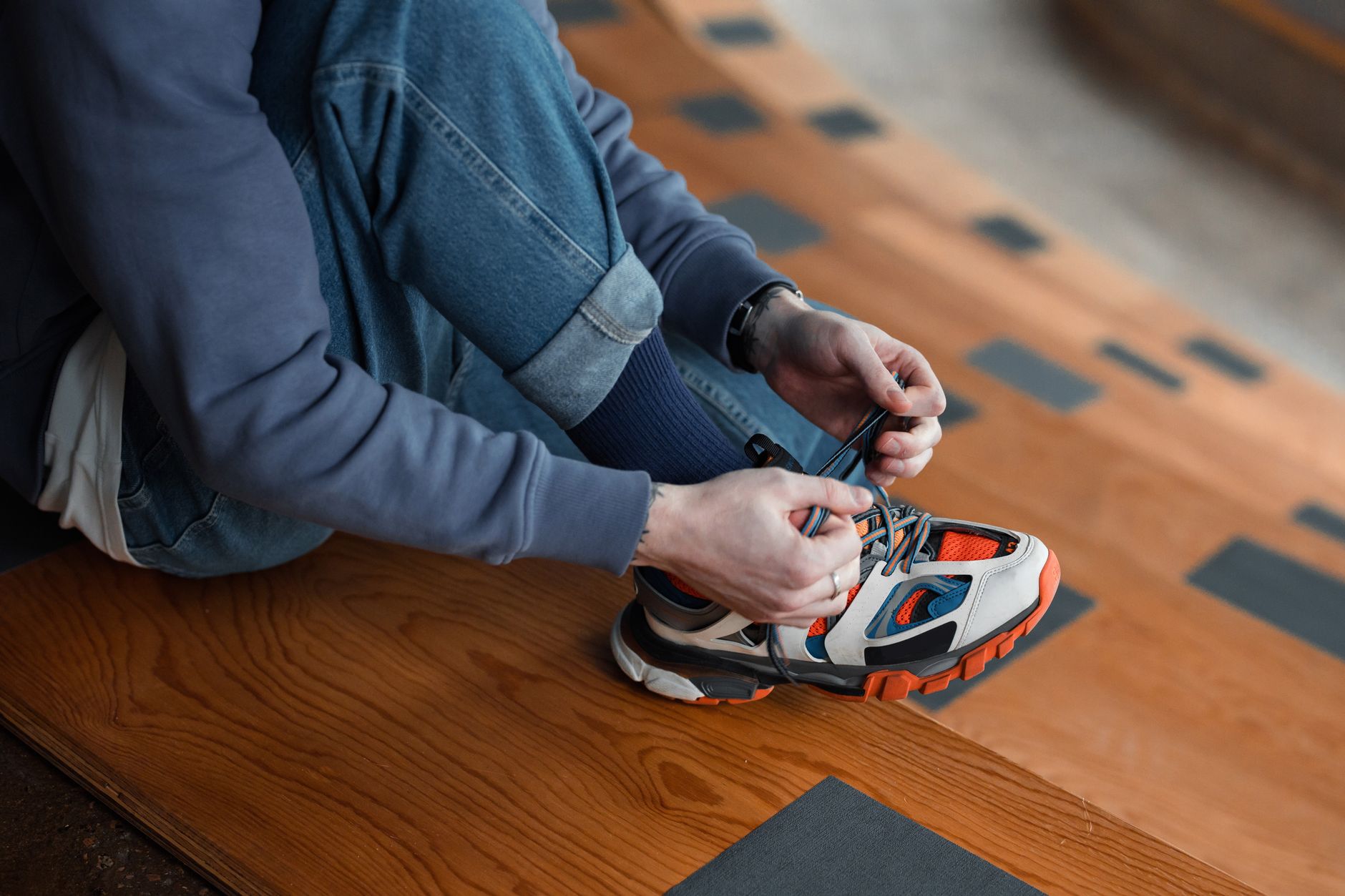
For runners who want maximum control and security, the loop lock combines elements of standard lacing with a mechanical lock at the ankle level. You thread the lace normally from the toe box up to the ankle, then create a simple loop on each side of the ankle area and pull the lace through these loops before tying off. This is particularly effective for trail runners navigating uneven terrain or road runners doing speed work where subtle foot movements inside the shoe can affect performance.
The runner’s knot—a modification of standard tying that involves crossing the lace loops before pulling them tight—adds extra security compared to a basic bow knot. Some runners report that this knot holds better throughout their run without coming undone, though it requires more deliberate untying afterward. The downside is that both the loop lock and runner’s knot are more finicky to set up correctly, and they take longer to put on and remove compared to standard lacing.
Common Lacing Mistakes That Undermine Shoe Fit
Many runners lace too tightly across the forefoot without realizing they’re restricting blood flow and creating pressure points. The sensation of a “tight” shoe often comes from overtightening the laces rather than from an actual sizing problem. A warning sign of excessive tension is any numbness, tingling, or toe discoloration (bluish tint) that appears during or after runs. Your foot naturally swells during running due to increased blood flow, so lacing that feels slightly snug at the start of a run might become painfully restrictive by mile three.
Another common mistake is not accounting for the difference between static fit and dynamic fit. When you sit and tie your shoes, your foot is relatively flat and relaxed. Once you start running, your foot pronates, your arch engages, and your foot width can increase slightly. Many runners discover they need to re-tighten or adjust their laces partway through longer runs, or they need to lace more loosely than they initially prefer to accommodate this dynamic change.
Lacing Strategies for Specific Foot Shapes
Wide forefeet with narrow heels represent a common challenge because standard lacing either leaves the heel too loose or crowds the forefoot. For this foot type, a double-crossing pattern in the heel area (where the lace crosses back and forth more densely) combined with a skip pattern in the midfoot can create a custom fit that works better than any single shoe size. This approach requires more deliberate lacing setup but delivers noticeably better comfort for runners with this particular shape.
Runners with extremely high arches need extra support in the midfoot area. Rather than rely solely on the shoe’s built-in arch support, you can enhance this by tightening the middle lacing points more firmly than the forefoot, creating a support structure that works with your foot’s natural shape. This technique is especially useful for runners whose arches collapse during longer distances, leading to fatigue or discomfort.
The Future of Footwear Customization and Lacing Innovations
Athletic shoe design is gradually moving toward more flexible and customizable closure systems, with brands experimenting with additional eyelets, asymmetrical lacing patterns, and modular strap systems that move beyond traditional threading. These innovations reflect what experienced runners have known for years: that a one-size-fits-all lacing system leaves performance and comfort on the table.
As footwear technology advances, the ability to fine-tune fit at multiple points across the foot will likely become standard rather than exceptional. For now, understanding traditional lacing techniques and being willing to experiment with different patterns remains the most accessible way to optimize your shoe fit. The techniques described here are not new—coaches and running specialty shops have recommended them for decades—but they’re underutilized because most runners assume their shoes fit how they fit and accept minor discomforts as inevitable.
Conclusion
The perfect shoe fit depends less on finding the perfect shoe and more on learning to use the lacing system you already have. Whether you’re dealing with heel slip, forefoot pressure, arch support, or simply wanting better overall stability, a lacing technique exists to address your specific needs. The investment of time to understand and practice different methods—lock-and-key, skip-lacing, loop lock, or adjusted tension patterns—pays dividends across every run.
Start by identifying your primary fit complaint during runs, then experiment with the corresponding lacing technique across several runs before fully committing to it. Keep detailed notes on what works and what doesn’t, because what solves a problem for one runner might not work for your individual foot shape and gait. The goal isn’t to find the objectively “best” lacing method—it’s to find the method that works best for your feet.
Frequently Asked Questions
How do I know if my shoes are laced too tightly?
Signs of overly tight lacing include numbness in your toes, a tingling sensation on the top of your foot, toe discoloration (bluish or pale appearance), or pain that develops partway through your run as your foot swells. Your foot should feel secure but not constricted. A simple test is sliding one finger under the laces at the midfoot while standing—you should be able to do this with slight resistance but not easily.
Can lacing technique affect my running form or speed?
Yes, significantly. Improper lacing that allows your foot to move inside the shoe can affect your proprioception and how your muscles engage during running. Better lacing security generally improves responsiveness and control, especially during faster paces or technical terrain. However, overly restrictive lacing can actually slow you down by limiting natural foot motion and increasing fatigue.
How often should I re-evaluate my lacing technique?
You should reassess your lacing if you develop new blisters, experience persistent discomfort, or change shoe models. Also reconsider your technique if your running intensity or distance changes significantly. A lacing pattern that works for easy runs might not provide enough support for speed work, and vice versa.
Is the lock-and-key method suitable for all shoe types?
The lock-and-key method works best on shoes with ankle collars high enough to create proper loops and shoes with enough eyelets to accommodate the technique. Trail shoes and supportive road shoes typically have ideal construction for this method. Minimalist shoes or those with limited eyelets might not work as well, though you can modify the technique based on available lace attachment points.
Should I use the same lacing technique for all distances?
Not necessarily. Easy runs and long runs might benefit from looser lacing to accommodate foot swelling, while tempo runs and speed work might require tighter, more secure lacing for responsiveness. Some runners use different techniques for different workout types, adjusting their lacing when they change from an easy run to a race-pace effort.
Can better lacing reduce my risk of injury?
Proper lacing that provides appropriate support and prevents excessive foot motion inside the shoe can reduce injury risk by stabilizing your foot and improving alignment. However, lacing is just one factor in injury prevention; running volume, intensity progression, strength training, and recovery all play important roles.