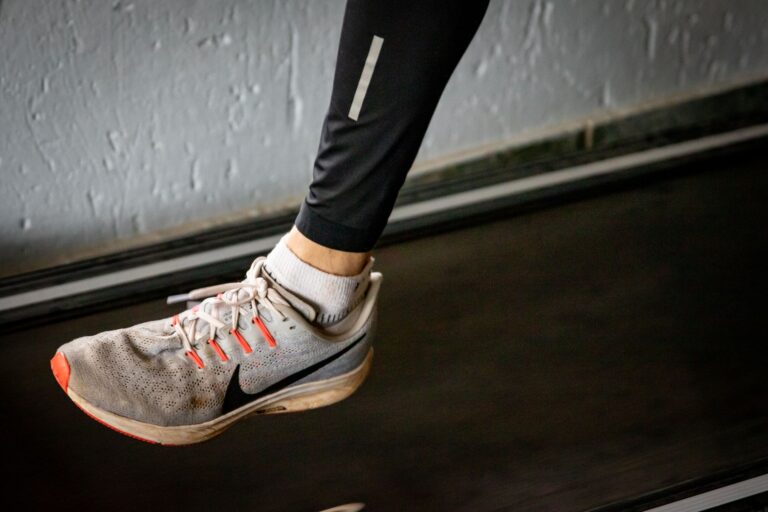
Springy trainers for tempo runs are shoes engineered specifically to balance responsiveness with support—they deliver quick ground contact and energy return without the heavy cushioning that would slow you down at threshold pace. Unlike max-cushioned daily trainers that prioritize comfort for easy miles, tempo shoes use responsive foam compounds that rebound efficiently, keeping your stride quick and your turnover consistent at faster speeds. When you’re running at 85–90% of your maximum effort, you need a shoe that gets out of your way while giving you enough feedback to hold pace; that’s exactly what springy trainers deliver.
The distinction matters because your shoe choice directly influences your ability to sustain tempo pace. The Adidas Adizero EVO SL, rated as the overall No. 1 tempo shoe by RunRepeat’s 2026 guide with a score of 93/100, exemplifies this approach—it’s lightweight and springy, performing well on tempo workouts and hill repeats precisely because it prioritizes responsiveness over plush cushioning. A runner trying to hold 6:45/mile in a soft, maximum-cushioned trainer will feel heavy and delayed; the same runner in a tempo shoe with responsive foam will feel faster and more efficient.
Table of Contents
- What Makes a Shoe “Springy” for Tempo Running?
- Responsive Foam vs. Maximum Cushioning—Why the Difference Matters
- The Top Springy Trainers and Their Specifications
- Choosing the Right Tempo Shoe for Your Running Style and Goals
- Common Mistakes and Limitations in Tempo Shoe Selection
- Budget Considerations for Tempo Shoes
- The Evolution of Tempo Shoes and Where the Category Is Heading
- Conclusion
- Frequently Asked Questions
What Makes a Shoe “Springy” for Tempo Running?
The springiness in tempo shoes comes from their midsole construction, not from any special magic—it’s about how the foam rebounds after compression. Responsive foams are engineered to push back quickly against your foot, returning energy that helps propel you forward. This is fundamentally different from max-cushioned shoes, which use softer, slower-rebounding materials that absorb impact but don’t give that snappy feedback. When you’re holding a tempo pace, that quick rebound matters because it means less time your foot spends sinking into the shoe and more time transferring force into forward motion. Stack height also plays a role in how springy a shoe feels and performs. The standard recommendation for tempo shoes is a moderate stack height near a 5mm heel drop, which provides protection from pounding while maintaining ground feel and quick transition.
The Nike Streakfly 2, noted as the ultimate lightweight tempo shoe at just 4.5 ounces (128 grams), achieves springiness partly through its minimal stack and snug upper, forcing a direct connection between your foot and the road. Too much cushioning height creates a spongy, delayed feeling; too little leaves you vulnerable to impact-related injuries. The sweet spot for most runners lands in that moderate zone. The snug, precise fit of tempo shoes also contributes to the sensation and reality of springiness. When your foot doesn’t shift or move inside the shoe, energy transfer is more efficient, and you feel a more responsive connection to the ground. Shoes designed for tempo work typically have narrower toe boxes and tighter heel counters compared to daily trainers, which sit looser to accommodate swelling during long runs.
Responsive Foam vs. Maximum Cushioning—Why the Difference Matters
maximum cushioning shoes prioritize comfort and injury prevention for lower-intensity running, using soft, thick foam that collapses under your body weight and takes time to re-expand. This is excellent for easy runs and recovery miles, but it’s a liability during tempo work because the compression and rebound cycle is slow. Your foot sinks into the shoe, the foam compresses, and by the time it rebounds, you’re already pushing off again—the energy gets wasted rather than returned. Responsive foams are firmer and faster. They compress less under your weight and rebound almost immediately, creating a more direct energy exchange. The Saucony Endorphin Speed 5, named as the best tempo shoe in 2026 by Swift Running and praised for its versatility, uses a responsive midsole designed specifically for this purpose.
However, the tradeoff is real: responsive shoes feel firmer underfoot, and they don’t absorb impact quite as effectively over very long distances. A runner accustomed to the cloud-like feel of max-cushioned shoes might find a tempo trainer jarring on first try. This is why tempo shoes aren’t ideal for easy recovery runs—the stiffer foam and snug fit demand more from your neuromuscular system, which is appropriate for faster efforts but tiring on gentle pace. It’s also worth noting that foam technology has advanced significantly by 2026. The line between “maximum cushioning” and “responsive” has blurred somewhat, and shoes like the Brooks Hyperion Max 3, ranked first for maximum cushioning in Runner’s World UK’s 2026 roundup, are designed for tempo work with responsive cushioning—demonstrating that even highly cushioned shoes can be made responsive if the foam formulation is right. However, all else equal, lighter foam and moderate stack heights will always feel springier than heavier, taller constructions.
The Top Springy Trainers and Their Specifications
The 2026 running shoe landscape offers several proven options, each with distinct characteristics. The Adidas Adizero EVO SL remains the benchmark at 93/100, offering proven performance across tempo efforts and threshold runs. The Nike Streakfly 2 appeals to runners who want absolute minimalism—at 4.5 ounces, it’s a race shoe that doubles as a tempo trainer, best suited for runners who are already fast and don’t need much cushioning. For runners wanting a bit more protection and cushioning, the ASICS Megablast at 7.7 ounces (218 grams) and priced at $225 offers a middle ground between minimal tempo shoes and max-cushioned trainers.
The Brooks Launch 11, also weighing 7.7 ounces (217 grams) but costing only $120, delivers tempo-appropriate responsiveness at a lower price point—a significant advantage if budget is a concern. The PUMA Deviate Nitro Elite 3 at $230 is noted for lightness, comfort, and power output, offering another premium option for runners willing to invest. Each of these shoes compresses years of research and testing by independent reviewers. The Run Testers, RunRepeat, Outside Online, Marathon Handbook, and 220 Triathlon all tested over 100 shoes in 2026, consistently highlighting these options for their responsiveness, lightweight construction, snugger fit, and ground feel. The consistency across multiple independent sources is worth noting because it reduces the risk of marketing bias in any single review.
Choosing the Right Tempo Shoe for Your Running Style and Goals
Your ideal tempo shoe depends on three factors: your current shoe volume and fit preference, your pace goals, and your injury history. If you’ve been running in wider-toe-box shoes, a snug tempo trainer like the Streakfly 2 will feel foreign and potentially uncomfortable—you’d be better served starting with something like the Brooks Hyperion Max 3 or Saucony Endorphin Speed 5, which offer tempo performance without requiring an extreme shift in fit. Conversely, if you’ve been racing in minimal shoes, the Adidas Adizero EVO SL or Nike Streakfly 2 will feel familiar and fast. Your pace goal also matters. Runners targeting sub-6:30/mile tempos benefit from lighter shoes like the Streakfly 2 or Adizero EVO SL, where every ounce saved translates to less energy expended.
Runners targeting 7:00–7:30/mile tempos, or those building back from injury, can afford the slightly extra weight and cushioning in the Brooks Launch 11 or ASICS Megablast without sacrificing springiness. The difference in weight between a 4.5-ounce shoe and a 7.7-ounce shoe is meaningful over a 5-mile tempo effort but not critical if your goal is consistency over raw speed. Finally, consider your injury history. If you’ve had chronic impact-related issues, the Brooks Hyperion Max 3’s responsive cushioning combined with tempo-appropriate design may prevent re-injury while still supporting your workout goals. If you’ve had fit-related issues like blisters or lateral ankle instability, prioritize shoes known for snug heel cups and precise toe fits—the Adidas Adizero EVO SL is often cited for its reliable fit across multiple foot shapes. Testing shoes before committing to them for hard workouts is always wise.
Common Mistakes and Limitations in Tempo Shoe Selection
One frequent mistake is assuming that the lightest shoe is always the fastest shoe. The Nike Streakfly 2 at 4.5 ounces sounds ideal, but it’s stripped of cushioning in ways that don’t suit every runner or every training phase. A runner doing tempo work at 7:00/mile pace who jumps into the Streakfly 2 from a max-cushioned trainer may experience impact-related pain that isn’t due to the shoe’s quality but rather the dramatic shift in ground feel. Gradual transitions matter—use tempo shoes for workouts before considering them for easy miles, and give yourself time to adapt. Another limitation: tempo shoes are specialized and not ideal for the full range of your training week. You can’t use the same shoe for easy 5-mile recovery runs and for a 6x800m workout at the track.
Most runners need at least two shoe types in rotation—a supportive daily trainer for easy miles and a tempo trainer for harder efforts. This dual-shoe approach increases overall cost and complexity. It’s also worth noting that no single shoe performs perfectly across all conditions; a shoe that excels on road tempo work might feel sluggish on trails, and a shoe optimized for mile repeats might feel twitchy on a 10K tempo run. Finally, responsive shoes have a shorter lifespan before they lose their springiness. The foam in responsive trainers, being firmer to begin with, tends to compress and lose responsiveness faster than the softer foam in max-cushioned shoes. A pair of Saucony Endorphin Speed 5s might feel dead after 300 miles, whereas a pair of daily trainers can often stay responsive past 400 miles. This is a cost consideration that shouldn’t be overlooked when budgeting for your season.
Budget Considerations for Tempo Shoes
Tempo shoes span a wide price range, from $120 for the Brooks Launch 11 to $230 for premium options like the PUMA Deviate Nitro Elite 3 and ASICS Megablast. The relationship between price and performance isn’t linear—the Launch 11 offers tempo-appropriate responsiveness at half the cost of higher-end options, making it an excellent value for runners on a budget who aren’t chasing personal records. The premium shoes often include slightly better materials, more refined designs based on latest biomechanical research, and marginally lighter weights, but the differences are often incremental rather than transformative.
If you’re rotating between a daily trainer and a tempo shoe, budget realistically for both. A season of tempo work might demand two pairs of tempo shoes (rotating to preserve lifespan) plus a daily trainer—roughly $400–$600 depending on your choices. This cost can be spread across the year, and most serious runners find it necessary rather than optional, as using the wrong shoe for the wrong purpose both ruins the shoe and compromises your training. The Brooks Launch 11, at $120, is a practical entry point if cost is restrictive; it delivers responsiveness without requiring a premium investment.
The Evolution of Tempo Shoes and Where the Category Is Heading
The 2026 lineup of tempo shoes represents a maturation of the category that barely existed a decade ago. As recently as 2015, runners did tempo work in their daily trainers or race flats; the idea of shoes specifically engineered for threshold pace is relatively new. The rapid evolution has been driven by foam technology advances—companies like Nike, Adidas, and Saucony invested heavily in responsive foam formulations that deliver bounce without weight, making shoes that were previously impossible.
The direction of the category suggests further specialization, not simplification. We’re likely to see more shoes engineered for specific paces (a “5K tempo” shoe distinct from a “half-marathon tempo” shoe) and more options at various price points to democratize access. The consistent top recommendations across 2026’s independent reviews suggest the market is converging on what actually works, reducing the marketing noise and helping runners make evidence-based choices. If you’re shopping for a tempo shoe today, you’re benefiting from years of refinement and competition that has forced genuine innovation.
Conclusion
Springy trainers for tempo runs are essential tools for runners serious about improving their threshold pace and aerobic capacity. They work by prioritizing responsive foam rebound and moderate stack height over maximum cushioning, creating shoes that feel quick, efficient, and energetic at faster paces. The 2026 lineup includes proven options at various price points—from the budget-conscious Brooks Launch 11 to premium choices like the Adidas Adizero EVO SL—all engineered specifically for the demands of tempo work.
Your next step is to identify your training goals, fit preferences, and budget, then select shoes appropriate to those factors. Test them during tempo workouts rather than easy runs to experience their true character. Expect a brief adaptation period as your feet adjust to the stiffer, more responsive feel. Once you’ve found shoes that suit your stride and pace, you’ll notice a measurable improvement in how your tempo efforts feel and how sustainably you can hold pace—that’s the payoff of proper equipment working in concert with disciplined training.
Frequently Asked Questions
Can I use tempo shoes for easy runs?
Technically yes, but it’s not ideal. Tempo shoes’ snug fit and responsive (rather than plush) cushioning make them tiring for easy-pace miles. Reserve them for tempo workouts, threshold repeats, and speed work; use a supportive daily trainer for easy miles to allow your feet to relax and recover.
How much lighter do I need to go to feel a meaningful speed difference?
Studies suggest runners can perceive roughly a 1–2% effort reduction per 100 grams of shoe weight removed. Going from 7.7 ounces to 4.5 ounces (about 90 grams) is meaningful, but the difference between 7.7 and 8.5 ounces often isn’t noticeable. Focus on responsiveness and fit before obsessing over ounces.
Should I buy the lightest tempo shoe available?
Not necessarily. The lightest shoes (like the Nike Streakfly 2) sacrifice cushioning in ways that don’t suit all runners or all training phases. Choose based on your current fitness level, injury history, and pace targets, not just weight. A slightly heavier but more cushioned option may serve you better.
How often should I replace tempo shoes?
Responsive foam typically loses its snap after 300–350 miles, which is earlier than daily trainers. If you’re doing one tempo workout per week (roughly 5 miles), expect a pair to last about 12–14 weeks. Rotate shoes to extend lifespan, and replace when you notice the shoe feeling sluggish or unresponsive.
Can beginners wear tempo shoes, or should I progress to them?
Beginners benefit from starting with supportive daily trainers to build strength and develop proper running form. Once you’ve run consistently for at least 6 months and are doing speed work, transitioning to tempo shoes makes sense. The stiffer shoes demand more neuromuscular control than beginners typically have.
Do I need different tempo shoes for different distances?
Not strictly necessary for most runners. A single tempo shoe works across 5K-pace and half-marathon-pace efforts. That said, runners chasing very fast 5K times might prefer the Streakfly 2’s minimalism, while those training for half marathons might prefer the cushioning of the Brooks Hyperion Max 3. For most runners, one tempo shoe suffices.