

The right running shoe for your gait is one that matches how your foot naturally strikes and rolls during movement. Specifically, this means identifying whether your foot pronates normally (rolling inward about 15 degrees), overpronates (rolling too far inward), or underpronates (rolling too little), then selecting a shoe designed for that pattern. Most runners—about 55 to 60 percent—have a neutral gait and benefit most from cushioned shoes without stability features, while roughly 30 to 40 percent overpronate or have flat feet and need shoes with reinforced support. Consider Sarah, a distance runner who was experiencing persistent knee pain. After a gait analysis revealed moderate overpronation, she switched from a neutral cushioning shoe to a stability shoe with medial support.
Within two weeks, her knee discomfort lessened noticeably, and her training consistency improved. The consequences of wearing the wrong shoe type extend beyond just discomfort. A mismatched shoe can contribute to repetitive stress injuries, inefficient running mechanics, and cumulative fatigue over long distances. However, many runners still run in shoes selected randomly or based purely on brand loyalty, without understanding their individual biomechanics. The good news is that gait analysis has become more accessible—no longer limited to elite athletes or sports medicine clinics—and the investment in getting this right pays clear dividends in comfort and durability.
Table of Contents
- What is Gait Analysis and How Does It Identify Your Running Pattern?
- Understanding the Three Pronation Types and What They Mean for Shoe Selection
- How Shoe Categories Match Your Gait and Movement Style
- How to Assess Your Gait at Home Without Professional Analysis
- The Surprise Factor—How Shoe Recommendation Affects Your Perception
- The Real-World Impact of Proper Shoe Matching
- The Future of Gait Analysis and Personalization
- Conclusion
What is Gait Analysis and How Does It Identify Your Running Pattern?
Gait analysis is the systematic examination of how your foot, ankle, knee, and hip move together during running or walking. The process reveals whether you have neutral pronation, overpronation, or underpronation, and it comes in two primary forms: store-based and clinical. Store-based gait analysis, available at many specialty running stores, typically uses visual observation or treadmill video analysis—a basic 10-minute check where trained staff watch your stride from behind and sometimes in slow motion to note foot strike patterns, knee alignment, and overall body mechanics. This quick assessment can catch obvious issues and point you toward the right shoe category. Clinical gait analysis, performed at sports medicine centers or orthopedic clinics, employs more sophisticated tools: pressure walkways that measure where your foot makes contact with the ground, force plates that quantify impact forces, 3-D motion capture cameras that track joint angles frame by frame, and sometimes electromyography (EMG) to measure muscle activation patterns.
While clinical analysis is more detailed and accurate, store-based analysis is faster, cheaper, and sufficient for most recreational runners. The critical insight from gait analysis is that running mechanics vary widely between individuals. Two runners of the same height and weight may have completely different pronation patterns due to anatomy, muscle strength, flexibility, and movement habits. One runner’s perfect shoe might cause blisters on another runner’s feet. This is why generic recommendations—”get the most popular shoe” or “buy what the elite runners wear”—so often disappoint. Gait analysis cuts through that noise by giving you data specific to your body.
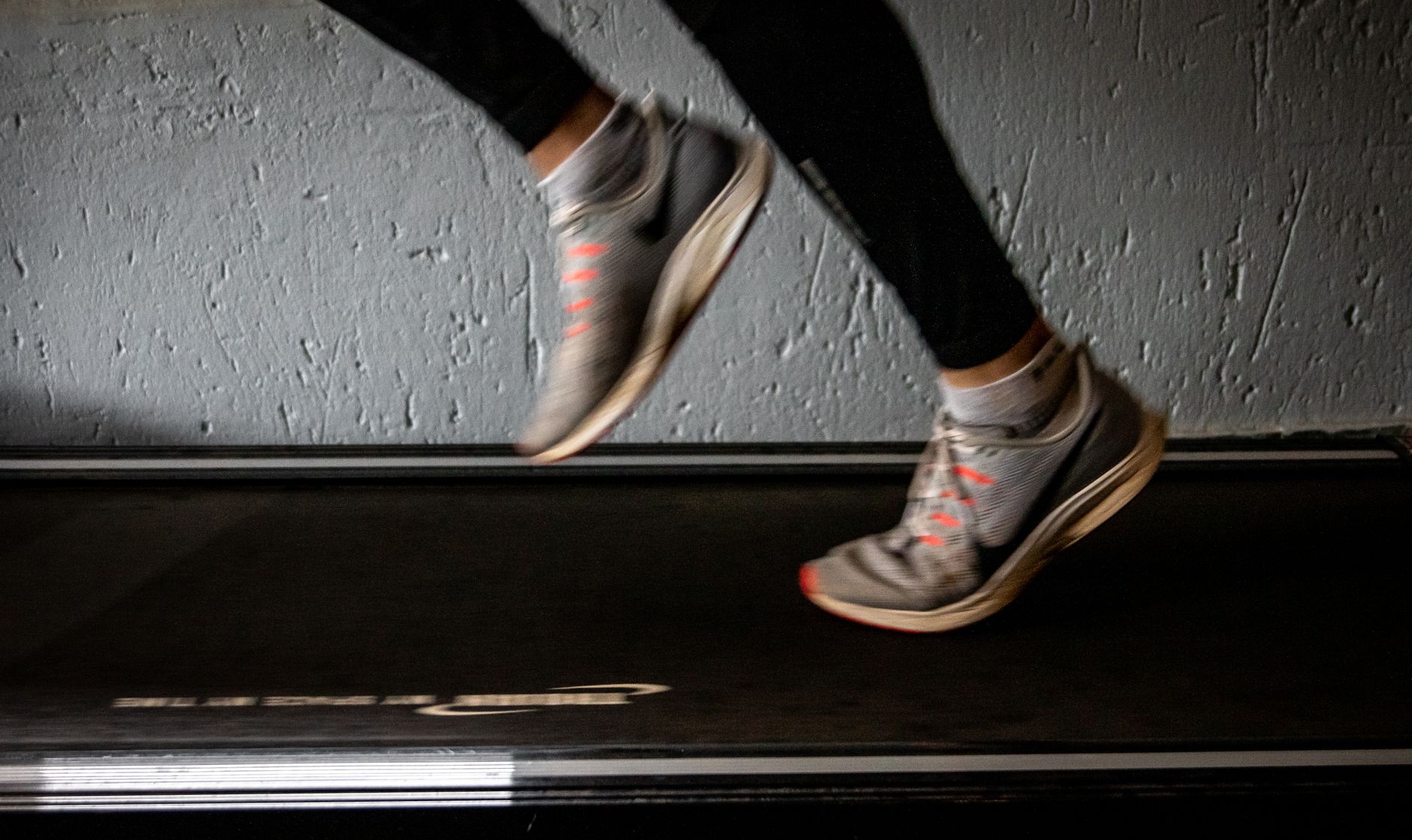
Understanding the Three Pronation Types and What They Mean for Shoe Selection
Neutral pronation occurs when your foot rolls inward approximately 15 degrees during the stance phase of running, distributing impact forces relatively evenly across the forefoot and midfoot. About 70 percent of people are neutral walkers, and among runners, the proportion is similar. If you have neutral pronation, your foot is neither overstressed nor inefficient; it’s the biomechanical baseline. Runners with neutral gait typically do well in cushioned shoes without extra support features because the shoe doesn’t need to correct or guide pronation—it just needs to absorb impact and provide comfort. Overpronation, by contrast, involves the foot rolling inward more than 15 degrees during stance, causing the arch to collapse and the ankle to tilt. This excessive inward roll concentrates stress on the inner structures of the ankle, knee, and lower leg, increasing injury risk from repetitive strain.
A runner who overpronates will benefit from stability shoes—shoes with a firmer foam strip along the medial (inner) side of the sole, a wider base, or guide rails designed to resist that excess motion. Motion control shoes, the most rigid category, are reserved for severe overpronation or very flat feet; they’re heavier and stiffer but provide maximum support. A limitation of high-support shoes is that they can feel less responsive and more tiring on longer runs if you don’t actually need that level of correction. Underpronation, also called supination, is the opposite problem: your foot rolls inward less than it should, putting abnormal force on the outer edge of your foot. Underpronators often have high, inflexible arches, and they’re at increased risk for stress fractures and lateral ankle injuries. They typically do best in neutral, cushioned shoes because their feet are already resisting motion; adding support may make the problem worse. Many runners don’t realize they underpronate because it’s less common and less discussed than overpronation, but it’s equally important to identify.
How Shoe Categories Match Your Gait and Movement Style
running shoes fall into three main functional categories: neutral, stability, and motion control. Neutral shoes are built for neutral gait and high arches; they prioritize cushioning and responsiveness with minimal medial support. These shoes tend to be lighter, more flexible, and faster-feeling, which is why many runners prefer them even if they have some overpronation. Stability shoes are designed for moderate overpronation; they incorporate a firmer medial post, a wider base, and sometimes dual-density foam to resist excessive inward rolling while still providing reasonable cushioning. Motion control shoes are the stiffest and heaviest category, engineered for severe overpronation or very flat feet; they maximize support and restrict motion but sacrifice some comfort and speed.
The relationship between gait type and shoe category isn’t always perfectly aligned to comfort. A 2025 study found that 71.4 percent of runners overall preferred their original shoes regardless of category, while only 23.8 percent preferred gait-matched shoes, and just 4.8 percent preferred basic neutral shoes. This suggests that habit and familiarity play a strong role in shoe satisfaction. However, the same study showed that gait-matched shoes—shoes selected based on gait analysis—delivered better comfort, performance, and injury reduction scores compared to basic shoes. The implication is that while your brain may not immediately feel the difference, your body benefits from the biomechanical match, and that advantage compounds over hundreds of miles and training cycles.

How to Assess Your Gait at Home Without Professional Analysis
If you don’t have access to a gait analysis service, you can learn a lot from your existing running shoes. Examine the wear pattern on the sole of an old shoe you’ve logged significant miles in. If the wear is centered in the middle of the forefoot, particularly around the ball of the foot, that’s a strong sign of neutral gait, and you should stick with neutral shoes. If the wear is heavily concentrated on the inside edge of the sole, from the big toe side toward the heel, you’re likely overpronating and would benefit from stability shoes.
If wear is on the outer edge of the sole, you may be underpronating. This simple inspection costs nothing and provides real insight into your mechanics. A more detailed but still at-home method is to film yourself running with a smartphone camera from behind, watching how your feet strike and how your knees track over your ankles. Do your knees collapse inward toward your midline, or do they track directly over your feet? Do your feet appear to roll significantly inward, or do they stay planted? These visual clues won’t be as precise as video analysis from a trained specialist, but they can point you in the right direction. Keep in mind, though, that running form captured at a certain pace may differ from your form at race pace or when fatigued, so a 10-minute observation from a specialty store remains the gold standard for most runners.
The Surprise Factor—How Shoe Recommendation Affects Your Perception
A significant finding from recent research is that the way a shoe is marketed or recommended can actually influence how comfortable it feels, independent of its actual structure. In the 2025 study mentioned earlier, shoe recommendation and description affected subjective comfort and overall preferences without changing the runner’s actual movement patterns. In other words, if you’re told a shoe is “designed specifically for your gait,” you’re more likely to rate it as comfortable, even if the biomechanical benefit is modest. This highlights a limitation of online shoe shopping: you miss the contextual information and expert recommendation that boosts perceived satisfaction in a physical store.
Another important limitation is that gait analysis captures a snapshot of movement at a specific moment. Your gait changes as you fatigue, as temperature shifts, as your strength and flexibility evolve, and as you adapt to new shoes. A gait analysis performed in a climate-controlled store on fresh legs may not reflect how you run during a hot outdoor race after 15 miles. This is why many experienced runners own multiple pairs of shoes and rotate between them—not just to extend shoe life, but because different shoes feel better under different conditions.

The Real-World Impact of Proper Shoe Matching
When runners wear shoes matched to their gait, the practical benefits can be substantial. Studies have documented up to a 50 percent reduction in blister complaints and mid-run discomfort when shoes are properly fitted to gait type. Additionally, small mechanical changes can save energy; a 5 percent increase in cadence (how many steps you take per minute) reduces vertical oscillation and braking forces, translating to less wasted energy over a long run. A runner training for a marathon could accumulate hours of comfort improvement and reduced injury risk simply by wearing the right shoe category.
Consider the difference between two marathoners with similar fitness levels. One runs in a neutral shoe despite overpronating and deals with recurring knee pain in the latter miles of long runs. The other identified his overpronation through gait analysis, switched to a stability shoe, and logs those same miles pain-free. By race day, the second runner has logged more quality training because he wasn’t managing injury niggles, and his body is fresher and stronger.
The Future of Gait Analysis and Personalization
The accessibility of gait analysis continues to expand. High-tech cameras and software are making slow-motion video analysis cheaper and more detailed, with some apps now able to assess gait from smartphone video alone—though these lack the precision of in-store or clinical analysis. As wearable technology improves, some athletes are using insoles with embedded pressure sensors to track their pronation and gait patterns in real-time across different training sessions, not just during a single store visit.
This longitudinal data is starting to reveal how individual gait patterns vary by fatigue, running pace, and even the specific shoes being worn. The convergence of gait analysis, shoe technology, and wearables suggests that future runners will have access to increasingly personalized information about their biomechanics. Rather than a one-time gait analysis recommendation, a runner might receive ongoing feedback about whether their current shoes are still optimized for their current mechanics, or whether they should rotate to a different shoe as their body adapts and changes.
Conclusion
Choosing the right shoe for your gait means identifying your pronation pattern—neutral, overpronation, or underpronation—and selecting a shoe category designed to support that pattern. Whether through professional gait analysis at a specialty store or clinic, or through careful observation of your own wear patterns and running video, the information is available to you. The stakes are real: properly matched shoes can reduce injury complaints by as much as 50 percent and allow you to train more consistently and comfortably over time.
Start by understanding your gait, whether through store-based analysis or honest self-assessment. Then commit to the appropriate shoe category for at least 100 to 150 miles, giving your body time to adapt and revealing whether the match truly works for you. Remember that your gait, body, and shoes all interact; a shoe that works perfectly now might feel different in three months or at a different running pace. Revisit your gait analysis every 12 to 18 months, especially if you start experiencing new discomfort or notice different wear patterns on your shoes.
3 thoughts on “Choosing the Right Shoe for Your Gait”
Comments are closed.