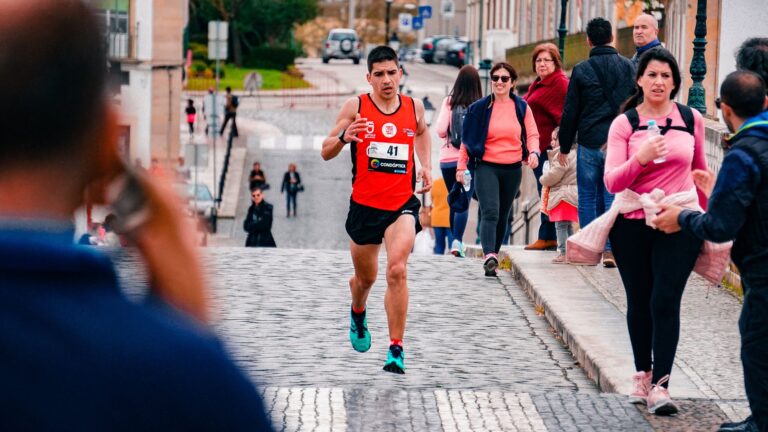
Patrick Kiprop of Kenya claimed victory in the 2026 Peachtree Road Race on July 4th, crossing the finish line in 27 minutes and 37 seconds. The victory marks Kiprop’s second consecutive Peachtree championship and underscores the race’s status as the world’s largest 10K event, drawing approximately 50,000 runners to Atlanta’s streets.
On the women’s side, Ethiopian runner Tsigie Gebreselama won by the narrowest of margins—just one second—to capture the women’s elite title in 31 minutes and 2 seconds, edging out Melknat Wudu in a finish that exemplified the intensity of elite-level 10K racing. The 2026 race showcased not only the traditional speed and endurance that define distance running, but also the growing competitiveness of the wheelchair divisions. Daniel Romanchuk dominated the men’s wheelchair race with a 19-minute finish, while Tatyana McFadden continued her long association with Peachtree victory, securing her ninth all-time championship in the women’s wheelchair division with a time of 23 minutes and 2 seconds.
Table of Contents
- What Does It Take to Win America’s Largest 10K?
- The Wheelchair Divisions: Growing Competitiveness and Inclusion at Peachtree
- The One-Second Victory That Defined the Women’s Race
- Running 50,000 Strong: What That Scale Means for a July 4th Race
- Course and Competition Dynamics: What the Results Reveal
- Wheelchair Racing and the Future of Inclusive Competition
- Elite Times and Real-World Running Standards
What Does It Take to Win America’s Largest 10K?
Kiprop’s return to the top of the Peachtree podium demonstrates both the consistency required at the elite level and the challenge of maintaining peak fitness across consecutive seasons. A 27:37 time in a 10K places a runner in an extremely competitive tier—only a handful of athletes worldwide can sustain that pace for 10 kilometers. The defending champion’s ability to repeat speaks to his training discipline, his body’s responsiveness to training stimulus, and his tactical awareness during the race itself. Yet Kiprop’s victory also illustrates a limitation many runners face: elite performance at one event doesn’t automatically transfer to success elsewhere.
Kiprop’s Peachtree wins don’t guarantee he’ll dominate the same field in other major 10K races throughout the year, where slightly different course profiles, weather conditions, or competition may shift the equation. The women’s race presented an entirely different narrative. Gebreselama’s one-second margin of victory over Wudu represents the kind of photo-finish drama that reminds distance runners why 10K racing remains tactically demanding. At that level of competition, winning isn’t purely about raw VO2 max or training volume—it’s about reading the competition, managing pacing strategy, and executing a finishing kick precisely when it matters most. Many recreational runners underestimate this element, assuming that faster runners simply “go harder.” In reality, elite 10K racing involves split-second decisions about when to accelerate, how much reserve to leave, and when to respond to a competitor’s move.
The Wheelchair Divisions: Growing Competitiveness and Inclusion at Peachtree
Daniel Romanchuk’s 19-minute finish in the men’s wheelchair division highlights the exceptional athleticism required in wheelchair racing. Modern wheelchair racing has evolved dramatically over the past two decades, with specialized equipment, training methods, and nutritional science creating performances that rival or exceed previous records. Romanchuk’s time demonstrates that wheelchair competitors operate at a competitive tier that deserves equal recognition alongside the traditional running divisions. A limitation to consider, however, is that wheelchair racing often receives less media coverage and sponsorship support than the elite running categories, despite the athletes’ comparable levels of dedication and performance output.
This disparity has real consequences for athlete development, funding opportunities, and the visibility that elite wheelchair racers receive. Tatyana McFadden’s ninth all-time Peachtree victory is a remarkable personal achievement that speaks to her longevity and consistent excellence. Few athletes in any sport maintain championship-level performance across the span of McFadden’s career, which makes her repeated success at Peachtree particularly noteworthy. Her 23:02 time shows that she continues to race at a level that many age-group runners would consider aspirational. The challenge for growing wheelchair racing lies not in producing elite athletes—McFadden, Romanchuk, and others have proven that talent exists—but in creating pathways and opportunities for younger wheelchair racers to develop and gain international recognition earlier in their careers.
The One-Second Victory That Defined the Women’s Race
The margin between first and second place in Gebreselama’s victory—a single second—carries deeper meaning than it might initially suggest. For context, one second over 10 kilometers represents a gap of roughly 5 meters or so in real space. That razor-thin difference illustrates how closely matched the top tier of women’s 10K running has become globally. Gebreselama’s win in 31:02 demonstrates that she was not only faster on the day but also slightly smarter tactically than Wudu.
Whether through a better kick, better positioning during the race, or simply superior execution under pressure, Gebreselama found a way to access one more second of speed when it mattered most. For runners looking upward from age-group racing toward competitive running, this dynamic carries an important lesson: at elite levels, the traditional gap between first and second narrows substantially. Winning races often depends on marginal improvements—a slightly better sleep schedule the night before, optimal hydration during the race, or choosing the right moment to make a move. Recreational racers often find that finishing seconds behind a competitor hurts more than finishing minutes behind, precisely because it suggests the outcome could have shifted with minor adjustments. The stakes of elite racing demand attention to details that age-group racers can safely ignore.
Running 50,000 Strong: What That Scale Means for a July 4th Race
Approximately 50,000 runners participated in the 2026 Peachtree Road Race, making it the world’s largest 10K event by participation. That number underscores Atlanta’s standing as a running destination and the appeal of a Fourth of July race that combines serious competition with community celebration. For runners considering whether to enter Peachtree, the massive field size presents both opportunities and tradeoffs. On one hand, being part of a crowd that large creates incredible atmosphere and energy—the collective experience of 50,000 runners moving through the streets is genuinely motivating.
On the other hand, that scale creates logistical challenges: getting to the start, navigating crowded aid stations, and crossing the finish line amid thousands of other finishers all require patience and planning. The July 4th date itself presents a weather consideration that runners targeting Peachtree must address. Atlanta in early July is typically warm and humid, with temperatures often in the upper 80s or low 90s by mid-morning. Elite runners like Kiprop and Gebreselama train specifically for warm-weather racing, but recreational participants face a real physiological challenge that doesn’t exist at Peachtree races held on cooler dates. The heat demands more aggressive hydration strategies, slower pacing expectations, and honest assessment of fitness—a realistic finish time in July heat at Peachtree would likely be 1-2 minutes slower than the same runner’s capability in cooler conditions.
Course and Competition Dynamics: What the Results Reveal
The Peachtree Road Race course includes the notorious “Cardiac Hill” around mile 4, a significant incline that tests runners across all ability levels. Elite runners navigate it efficiently and maintain race speed, but for thousands of participants, Cardiac Hill becomes a pivotal moment—either a breakthrough or a moment where pace calculations require adjustment. Kiprop’s 27:37 victory time suggests that the elite field controlled the hill without drama, executing practiced strategies for that segment. For age-group runners, however, Cardiac Hill often serves as a warning sign about realistic pacing: if you haven’t trained specifically for running hills at your goal pace, Peachtree’s course will expose that gap ruthlessly.
The competitive field also reflects a global trend in distance running: African runners, particularly from Kenya and Ethiopia, continue to dominate elite 10K racing. Both Kiprop and Gebreselama represent a pattern that has held for years—East African endurance running dominance at distances from 5K through the marathon. This dominance stems from multiple factors including altitude training benefits, running culture, and economic incentives, but it also means that American competitive runners looking to win major 10K races face international-level opposition. For most recreational runners, this context matters less, but for age-group competitors with serious ambitions, it illustrates that the talent pool they’re racing against extends globally.
Wheelchair Racing and the Future of Inclusive Competition
The wheelchair divisions at Peachtree represent an important shift in how major running races structure competition. Rather than treating wheelchair athletes as a secondary category, events increasingly recognize them as elite competitors deserving equal prominence. McFadden’s nine victories and Romanchuk’s consistently strong performances demonstrate that inclusion isn’t charity—it’s competitive excellence.
The challenge moving forward lies in sustaining sponsorship and media attention for these athletes, particularly those in earlier career stages who lack McFadden’s decades of established reputation. Younger wheelchair racers entering the sport now have role models and a visible pathway to elite competition that didn’t exist even 15 years ago. Peachtree’s willingness to feature wheelchair champions alongside traditional running winners sends a message about what competitive distance running includes. That structural change has downstream effects on training programs, equipment investment, and the psychological belief among wheelchair athletes that reaching the top of major races is achievable rather than aspirational.
Elite Times and Real-World Running Standards
Patrick Kiprop’s 27:37 places him in the conversation with the fastest 10K runners in the world, though not necessarily the absolute fastest. For perspective, the current world record for men’s 10K stands below 26:30, meaning Kiprop’s winning time at Peachtree represents elite performance but not record-setting performance. This distinction matters because it illustrates how performance standards differ between major road races and records set on ideal track surfaces or perfectly paced tactical races. Peachtree’s course, weather, and competitive dynamic create a different context than, say, a European track meet or a marathon-series 10K.
Gebreselama’s 31:02 women’s victory similarly represents elite performance within the specific context of Peachtree. The women’s 10K world record sits below 29:40, placing Gebreselama among the world’s best runners but not in absolute record territory. These distinctions are important for recreational runners to understand because they prevent unrealistic comparisons. Watching Kiprop or Gebreselama race isn’t about seeing world records broken—it’s about witnessing masterful execution at an elite competitive level within the specific constraints of a particular race, on a particular day, against a particular field.
- —