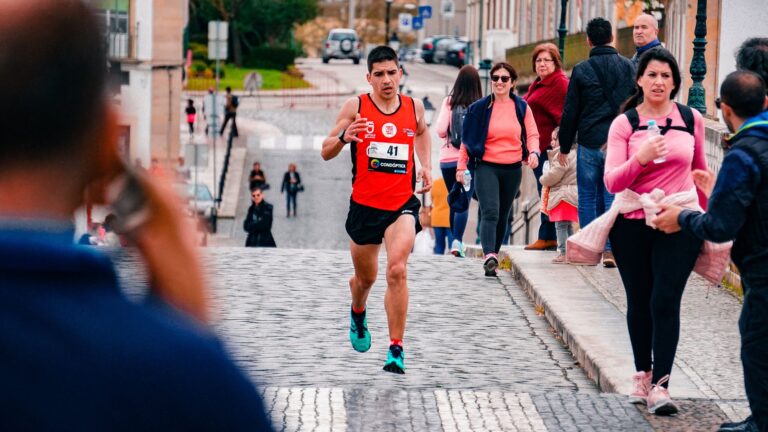
Backyard ultramarathons represent a unique category of endurance racing where athletes compete in loops around a fixed location—typically a residential area or small property—rather than a traditional linear course. The Old Tom event exemplifies this format, challenging runners to complete as many laps as possible within a set time window or until they choose to withdraw, pushing both physical capacity and mental fortitude to their limits. Unlike road marathons with defined endpoints, backyard ultras create a crucible of repetition and choice, where the same terrain becomes increasingly difficult with each loop as fatigue accumulates.
The appeal of these events lies partly in their accessibility and partly in their psychological intensity. Athletes don’t need to navigate unfamiliar routes or worry about getting lost; instead, they confront the monotony of repetition and the constant decision point: run another lap or stop. A runner might complete one lap every hour or slightly longer depending on terrain and fitness, meaning a 24-hour event could involve 20 to 30 loops of the same course. This format reveals something different about human endurance than traditional point-to-point ultramarathons, emphasizing grit and self-knowledge over pacing strategy.
Table of Contents
- What Makes Backyard Ultramarathons Different From Traditional Ultrarunning?
- The Physical and Mental Demands of Extended Repetitive Running
- Training for Backyard Ultramarathon Events
- Practical Preparation and Logistics for the Event
- Common Challenges and Limitations of the Backyard Format
- The Community and Social Dynamics of Backyard Ultras
- Recovery and Lessons From Completing Ultraendurance Backyard Events
What Makes Backyard Ultramarathons Different From Traditional Ultrarunning?
Backyard ultramarathons diverge fundamentally from road and trail ultras in their looped structure and time-based competition. Traditional ultramarathons are distance-based events—a 50K, 100K, or 100-miler is done when you reach the finish line, regardless of time. Backyard ultras operate on a “last person standing” model, where runners complete laps on a schedule (often starting a new lap on the hour), and drop out when they can no longer maintain the pace or when their body demands it. This means two athletes at the same event might have vastly different race experiences: one completes 15 loops before withdrawing while another finishes 30 or more. The psychological component is sharper in backyard ultras.
Each hour, runners face a fresh decision: do they have another lap in them? The repetition of the same loop can feel either meditative or maddening depending on the individual. Some athletes report that the familiarity of the course helps them zone in mentally, while others struggle with the monotony. Additionally, backyard ultras often feature spectator-friendly environments, with crew and supporters visible throughout the race, which can provide motivation but also highlights fatigue when friends see you deteriorate across multiple laps. Another key difference is the communal aspect. Backyard ultras typically gather a smaller, tight-knit group of runners rather than the larger fields common in traditional ultras. Participants often interact between laps, creating a community atmosphere that can sustain motivation during the darkest hours of the race.
The Physical and Mental Demands of Extended Repetitive Running
The human body experiences cumulative stress differently in backyard ultras than in linear ultramarathons, even when total distance is similar. Repeating the same terrain hundreds of times concentrates impact on the same muscle groups, joints, and proprioceptive patterns, increasing injury risk if the course has repeated downhill sections or technical features. A 10-mile backyard loop completed 20 times becomes 200 miles of identical biomechanical loading, whereas a 200-mile point-to-point ultra might vary terrain and impact throughout. Mental toughness becomes as critical as aerobic capacity. The repetition that simplifies navigation adds psychological weight.
Athletes report that laps 5-10 feel manageable, laps 10-20 feel monotonous, and laps 20 onward become pure mental endurance—the legs may be capable of another loop, but motivation and focus falter. This is a significant limitation compared to road ultras, where changing scenery and new terrain can sustain psychological engagement even during extreme fatigue. Some runners thrive in this state of radical simplicity, while others find it unbearable. Sleep deprivation compounds both physical and mental challenges in events lasting 24 hours or longer. Without the environmental stimulation of varied terrain and changing vistas, runners in backyard ultras must actively manage fatigue, hallucinations, and decision-making impairment during the darkest hours. Crew support becomes essential—athletes cannot simply refuel and go, they need external accountability and encouragement to keep running.
Training for Backyard Ultramarathon Events
Successful backyard ultramarathon training differs subtly from traditional ultra preparation. While aerobic base building remains essential, runners benefit from high-volume, repetitive training that conditions both body and mind for extended effort on similar terrain. Many athletes incorporate long runs on looped courses during their training block, habituating themselves to the psychological monotony they’ll face during the race. Brick workouts—consecutive days of running—help simulate the cumulative fatigue of multiple laps within a compressed timeframe. A runner preparing for a 24-hour backyard ultra might do a 15-mile run, recover lightly the next day, then do another 15-miler, building the adaptations needed to sustain effort across multiple days of running.
Unlike traditional ultras, which often benefit from long single runs, backyard ultra training emphasizes the ability to perform repeated efforts rather than one sustained push. Recovery and injury prevention become critical elements. Because the same course repeats, training on a looped course risks overuse injuries from repetitive impact. Athletes should balance looped training with varied terrain to build robustness across different biomechanical stressors. A runner who trains exclusively on the flat backyard loop may not have the ankle stability or eccentric strength needed to handle even small variations in terrain during the actual race.
Practical Preparation and Logistics for the Event
Competing in a backyard ultramarathon requires different logistical planning than traditional point-to-point ultras. Since runners stay in one location, crew members can set up a more permanent aid station, stocking familiar nutrition, clean clothes, and recovery supplies for repeated access. This can be an advantage—athletes aren’t dealing with checkpoint logistics or navigating to different aid stations—but it also means crew fatigue becomes a factor. Supporting someone for 24+ hours in one location requires stamina from the support team as well. Footwear strategy must account for repetitive wear on the same shoe.
Many backyard ultra runners bring multiple pairs of identical shoes to change between laps, reducing friction hotspots and allowing each pair to dry out. This differs from traditional ultras, where most runners finish in a single pair. The repetitive terrain also means that blister prevention, friction management, and sock choice carry outsized importance since every loop stresses the same areas of the foot. Pre-race course reconnaissance is valuable but carries a different purpose than in road ultras. Since the loop repeats, knowing exact elevation profile, surface type, and any technical sections becomes highly relevant. Runners can mentally rehearse the loop and develop lap-specific pacing strategies, knowing exactly where they’ll feel strongest and where fatigue will hit hardest.
Common Challenges and Limitations of the Backyard Format
Mental fatigue often underestimated in backyard ultras becomes a race-limiting factor for many runners. The neurological demand of maintaining focus and motivation through dozens of identical laps—particularly in the 18-24 hour range when sleep deprivation begins—can exceed the demand in longer traditional ultras where environmental change provides stimulation. Some runners simply cannot handle the psychological monotony regardless of physical fitness, making mental preparation as important as physical training. Weather becomes more significant in backyard events because runners cannot escape it. In a traditional ultra where conditions change over distance and geography, runners might pass through rain, then sunshine, creating psychological relief.
In a looped course, bad weather persists—rain for lap 8 feels similar to rain for lap 15, compounding the psychological weight. Extreme heat on a small, exposed loop compounds dehydration risk more dramatically than varied terrain events. The limitation of limited space affects both training and the race itself. Runners training for backyard ultras must find or create a suitable loop, which isn’t always accessible. During the race, the confined area means courses often share aid stations, crowd dynamics, and environmental conditions all in one small zone, which can feel either community-building or claustrophobic depending on the athlete.
The Community and Social Dynamics of Backyard Ultras
Unlike massive ultramarathon events with hundreds of participants spread across varied terrain, backyard ultras foster intimate competition where athletes see each other repeatedly across laps. This repeated contact builds a unique social dynamic—runners develop camaraderie through shared suffering, celebrate each other’s successes, and often share nutrition, encouragement, and humor between laps. The smaller, self-selected field of participants typically consists of experienced ultrarunners who understand the unique demands of the format, creating a cohesive community atmosphere.
Crew dynamics also shape the experience. Because crews stay in one location for many hours, they develop relationships with other support teams, creating a secondary community beyond the runners. Stories from successful backyard ultra events often emphasize the bonds formed between athletes and their crews, the collective investment in individual goals, and the celebration of those who persist longer than expected.
Recovery and Lessons From Completing Ultraendurance Backyard Events
The post-race recovery from a backyard ultramarathon carries unique characteristics due to the repetitive impact. Many athletes report increased delayed-onset muscle soreness (DOMS) compared to traditional ultras of similar distance, because the identical terrain subjects the same muscle groups and joints to repeated eccentric loading. Recovery protocols should include active recovery and varied movement patterns to address imbalances created by looped running.
Mental recovery matters equally. Athletes who complete extended backyard ultras often report a distinctive emotional experience—the monotony, the repeated decision points, the extended time in an altered mental state—that requires psychological integration. Some runners experience a sense of achievement tied specifically to the mental persistence required, while others need time to process the repetitive nature of the experience. This differs from traditional ultra recovery, where mental challenges are often tied to external obstacles rather than internal monotony.