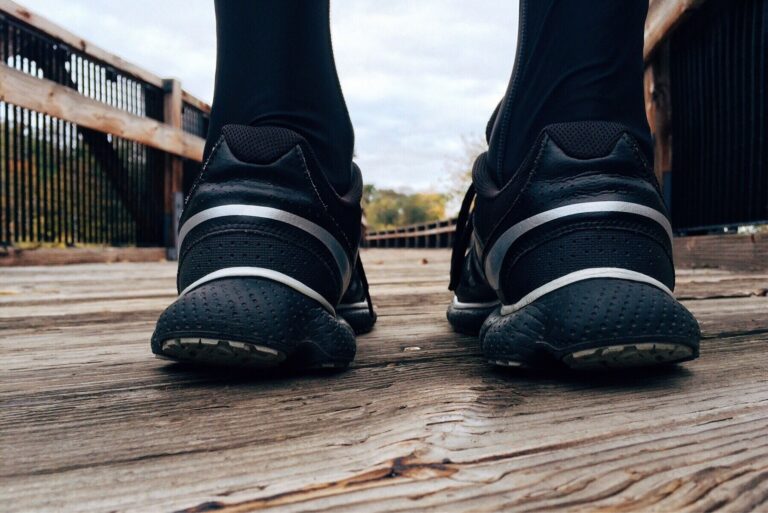
The truth about max cushion shoes on long treadmill sessions reveals a complex picture that defies the simple marketing narratives surrounding these increasingly popular footwear options. Since brands like Hoka One One pioneered the maximalist movement in the early 2010s, runners have flocked to these pillowy platforms seeking relief from the repetitive impact of indoor running. Yet the relationship between thick midsoles and treadmill performance involves biomechanical trade-offs that deserve honest examination rather than blanket endorsements or dismissals. Treadmill running presents unique challenges that differ substantially from outdoor surfaces. The consistent, unyielding belt surface delivers identical impact characteristics stride after stride, potentially amplifying both the benefits and drawbacks of any given shoe design.
For runners logging substantial indoor mileage, whether due to weather constraints, safety concerns, or schedule demands, understanding how maximalist cushioning interacts with this specific environment becomes essential for injury prevention and training effectiveness. The questions surrounding max cushion shoes extend beyond mere comfort into areas of proprioception, running economy, and long-term musculoskeletal health. This article provides an evidence-based exploration of what actually happens when thick-soled shoes meet the treadmill belt for extended periods. Readers will gain insight into the biomechanical realities of cushioning technology, learn how to evaluate whether maximalist shoes suit their individual needs, and discover practical strategies for incorporating these shoes into treadmill training. The goal is neither to celebrate nor condemn max cushion designs, but to equip runners with the knowledge needed to make informed decisions about their indoor running footwear.
Table of Contents
- What Actually Happens to Your Body in Max Cushion Shoes During Long Treadmill Runs?
- The Science Behind Max Cushion Performance on Treadmill Surfaces
- Injury Considerations for Long Treadmill Sessions in Maximalist Footwear
- Choosing the Right Max Cushion Shoe for Your Treadmill Training
- Common Problems and Misconceptions About Max Cushion Treadmill Running
- Transitioning Between Max Cushion and Conventional Shoes for Treadmill Workouts
- How to Prepare
- How to Apply This
- Expert Tips
- Conclusion
- Frequently Asked Questions
What Actually Happens to Your Body in Max Cushion Shoes During Long Treadmill Runs?
When a runner’s foot strikes the treadmill belt in a maximalist shoe, a cascade of biomechanical events unfolds that differs meaningfully from traditional footwear. The thick midsole, typically ranging from 30 to 40 millimeters in stack height, compresses under load and absorbs ground reaction forces before they travel up the kinetic chain. Studies using force plates have shown that max cushion shoes can reduce peak impact loading rates by 10 to 15 percent compared to conventional running shoes. However, this force attenuation comes with altered proprioceptive feedback, meaning the foot and ankle receive less information about ground contact timing and position.
The treadmill environment amplifies certain effects of maximalist cushioning in ways that outdoor running does not. Because the belt surface never varies in hardness, angle, or texture, the same portions of the midsole compress repeatedly in identical patterns. This creates a consistent sensory experience that may reduce the neuromuscular engagement typically stimulated by variable terrain. Research from the University of Calgary’s Human Performance Laboratory has documented that runners in highly cushioned shoes often demonstrate reduced activation of intrinsic foot muscles during extended treadmill sessions, potentially affecting foot strength development over time.
- Impact force distribution shifts proximally, with more load transferred to the knee and hip joints rather than being managed at the ankle and foot level
- Ground contact time typically increases by 5 to 10 milliseconds in max cushion shoes, altering running cadence dynamics
- The compressible foam creates a less stable platform that requires continuous small muscular corrections throughout the gait cycle
- Metabolic cost may increase slightly due to the energy required to compress and rebound from thick midsoles
- Thermal buildup in the foot occurs more readily during treadmill sessions because the enclosed environment lacks the cooling airflow of outdoor running

The Science Behind Max Cushion Performance on Treadmill Surfaces
Treadmill belts present a fundamentally different interaction surface than pavement, trails, or tracks, and this distinction matters considerably when evaluating cushioned footwear. The belt’s consistent compliance, typically rated between 15 and 40 on durometer hardness scales for commercial treadmills, already provides modest shock absorption before the shoe‘s midsole enters the equation. Stacking maximalist cushioning on top of an already-compliant surface creates what researchers term “cumulative compliance,” which can push total system softness beyond the range where mechanical efficiency is optimized.
Laboratory studies examining oxygen consumption during treadmill running have produced mixed findings regarding max cushion shoes. A 2019 investigation published in the Journal of Sports Sciences found that highly cushioned shoes increased oxygen consumption by approximately 2.8 percent compared to lightweight racing flats during 30-minute treadmill efforts at moderate intensity. However, when the same comparison was made during longer sessions exceeding 60 minutes, the metabolic penalty diminished as fatigue accumulated in the lightweight shoe condition. This suggests that max cushion shoes may offer relative advantages as session duration increases, even if they impose an initial efficiency cost.
- Foam compression behavior changes with temperature, and treadmill running generates sufficient heat that midsole characteristics shift measurably after 20 to 30 minutes
- The motor-driven belt creates subtle forward momentum assistance that interacts differently with various shoe geometries
- Proprioceptive demands increase as stack height rises, requiring greater ankle stabilization effort
- Energy return percentages in cushioned foams, typically ranging from 60 to 85 percent depending on the material, mean that 15 to 40 percent of stored energy dissipates rather than propelling the runner forward
Injury Considerations for Long Treadmill Sessions in Maximalist Footwear
The injury landscape for treadmill runners differs from their outdoor counterparts, and max cushion shoes interact with these differences in important ways. Treadmill running eliminates lateral forces almost entirely, focusing stress on the sagittal plane structures: the anterior tibialis, Achilles tendon, plantar fascia, and knee joint. Highly cushioned shoes alter loading patterns through these structures in ways that can be either protective or problematic depending on individual anatomy and running mechanics.
One concern that emerges repeatedly in clinical literature involves the relationship between cushioning and impact force perception. When runners cannot accurately sense ground contact intensity, they may inadvertently adopt harder striking patterns. A 2021 study in the British Journal of Sports Medicine found that runners in max cushion shoes demonstrated 8 percent higher peak vertical ground reaction forces than their perceived impact suggested, meaning they were hitting the ground harder than they thought. Over extended treadmill sessions where thousands of identical impacts accumulate, this perceptual mismatch could theoretically increase cumulative loading.
- Ankle instability risk increases modestly with higher stack heights, though treadmill running’s predictable surface partially mitigates this concern
- Knee flexion angles at initial contact tend to decrease in maximalist shoes, potentially shifting stress toward the patellofemoral joint
- Achilles tendon loading patterns change when heel-to-toe drop is reduced, as many max cushion shoes feature lower drops than traditional trainers
- Metatarsal stress may actually increase in some maximalist designs due to forefoot rocker geometries that concentrate forces under specific bones

Choosing the Right Max Cushion Shoe for Your Treadmill Training
Selecting maximalist footwear for indoor running requires attention to factors that may differ from outdoor shoe selection criteria. The treadmill’s consistent surface means that aggressive traction patterns become irrelevant, while midsole stability and breathability move to the forefront of importance. Not all max cushion shoes perform identically on treadmill belts, and understanding the key differentiating features helps runners make better choices.
Stack height alone tells an incomplete story about cushioning behavior. Two shoes with identical 38-millimeter stack heights can feel dramatically different depending on foam density, geometry, and construction. Softer foams compress more readily but may bottom out under heavier runners or during faster efforts, while firmer foams maintain consistent response but provide less perceived cushioning. For treadmill use, foam durability under repeated identical compression cycles matters more than for outdoor shoes that experience varied loading patterns across their midsole surface.
- Upper breathability becomes critical because treadmill environments lack wind cooling, making mesh construction and ventilation ports more valuable than for outdoor models
- Heel counter rigidity helps maintain alignment during the repetitive motion of treadmill running where each stride follows an identical path
- Outsole rubber thickness can often be minimal for pure treadmill use since the belt surface creates negligible abrasion
- Weight considerations matter more for longer sessions where cumulative foot lift energy expenditure accumulates
- Rocker geometry influences foot transition timing and should complement the runner’s natural cadence preferences
Common Problems and Misconceptions About Max Cushion Treadmill Running
Several persistent misconceptions surround the use of maximalist shoes on treadmills, leading runners toward choices that may not serve their goals. The most prevalent myth holds that more cushioning always equals more protection, a notion that oversimplifies the complex relationship between impact attenuation and tissue adaptation. Human connective tissues, including bones, tendons, and cartilage, require mechanical stress to maintain strength and resilience. Removing too much loading stimulus can actually weaken these structures over time, a phenomenon well-documented in bed rest and spaceflight studies.
Another common misunderstanding involves the belief that max cushion shoes compensate for poor running form. While these shoes can mask symptoms temporarily, they do not address underlying biomechanical issues and may allow problematic patterns to persist longer without the feedback pain typically provides. Runners experiencing knee pain during treadmill sessions sometimes find that highly cushioned shoes delay discomfort onset but do not prevent its eventual emergence once sufficient mileage accumulates. The root cause, often related to hip weakness, cadence issues, or excessive vertical oscillation, remains unaddressed.
- The assumption that treadmill surfaces are uniformly harder than outdoor surfaces proves false for many modern treadmills with suspension systems
- Believing that break-in periods do not apply to cushioned shoes ignores the reality that foam characteristics evolve significantly over the first 50 to 100 miles
- Expecting identical cushioning sensation throughout a long session overlooks how foam properties change with temperature and compression fatigue
- Assuming that more expensive maximalist shoes automatically provide better cushioning ignores the significant performance variation within price categories

Transitioning Between Max Cushion and Conventional Shoes for Treadmill Workouts
Runners who wish to incorporate both maximalist and traditional shoes into their treadmill training face questions about how to manage the transition between these substantially different platforms. The biomechanical adaptations required for each shoe type mean that abrupt switches can stress tissues in unexpected ways. A thoughtful transition protocol helps the body adjust while capturing the potential benefits of training variety.
Research on footwear rotation suggests that runners who regularly alternate between different shoe types experience lower overall injury rates than those who train exclusively in a single model. For treadmill running specifically, this might involve using max cushion shoes for longer recovery runs and moderate aerobic sessions while reserving lighter, more responsive shoes for speed work and tempo efforts. The key principle involves matching shoe characteristics to session demands rather than defaulting to maximum cushioning regardless of workout type.
How to Prepare
- **Allow proper foam activation time**: Max cushion midsoles perform differently at cold temperatures than after warming. Walk for three to five minutes before beginning your run to allow body heat transfer into the foam, bringing it to optimal operating temperature. This affects both cushioning feel and energy return characteristics.
- **Calibrate your perceived effort expectations**: The sensory differences between maximalist and conventional shoes affect how effort feels. During your first several treadmill sessions in new max cushion shoes, use heart rate monitoring rather than perceived exertion to set paces, allowing your proprioceptive system time to recalibrate.
- **Inspect the midsole compression areas**: Before each long session, examine the foam in the heel and forefoot regions for signs of compression set or uneven wear. Asymmetrical breakdown affects gait mechanics and can contribute to injury risk. Replace shoes showing visible compression imbalances rather than waiting for complete midsole failure.
- **Adjust treadmill incline settings appropriately**: Max cushion shoes alter ankle mechanics in ways that interact with incline running. Starting with flat or very mild inclines during initial sessions allows your body to adapt before adding the additional challenge of gradient work in these shoes.
- **Prepare muscle activation warm-up exercises**: Because max cushion shoes reduce intrinsic foot muscle engagement, performing foot-specific activation exercises before long treadmill sessions helps maintain muscle responsiveness. Single-leg balance work and toe yoga movements prime the neuromuscular system for the reduced feedback environment.
How to Apply This
- **Match cushioning level to session purpose**: Use maximum cushioning for recovery runs and easy aerobic sessions lasting 60 minutes or longer. For shorter sessions under 30 minutes, especially those involving speed work, consider whether the metabolic cost of the heavier, softer platform aligns with your training goals.
- **Monitor cadence and adjust if necessary**: Max cushion shoes often encourage slightly lower cadences due to increased ground contact time. If your typical cadence drops more than 5 to 8 steps per minute in maximalist shoes, consciously work to maintain closer to your normal turnover rate to preserve running economy.
- **Alternate with conventional footwear strategically**: Rotate between max cushion and traditional shoes across your training week rather than committing exclusively to one type. This maintains foot strength while still capturing the potential recovery benefits of enhanced cushioning on appropriate days.
- **Evaluate session by session rather than making global judgments**: Pay attention to how your body responds to specific combinations of shoe type, session duration, and intensity level. Some runners find max cushion ideal for two-hour easy runs but problematic for 90-minute progression runs. Individual response patterns matter more than general recommendations.
Expert Tips
- **Replace max cushion shoes earlier than you might expect**: The thick midsoles that define these shoes also contain more foam volume that degrades over time. Most runners should consider replacement between 300 and 400 miles rather than the 500-mile threshold common for traditional trainers, as cushioning deterioration significantly precedes visible wear.
- **Pay attention to hip and core fatigue, not just foot comfort**: The slightly unstable platform of maximalist shoes requires continuous postural corrections that accumulate over long sessions. Unusual hip flexor tightness or lower back fatigue after treadmill runs may indicate that the shoe’s cushioning demands exceed your current stability capacity.
- **Consider the treadmill’s existing cushioning before adding maximalist shoes**: High-end treadmills with deck suspension systems already provide substantial impact reduction. Adding heavily cushioned shoes creates a very soft combined system that may compromise running economy and proprioception beyond useful levels.
- **Use max cushion shoes to extend treadmill tolerance, not mask problems**: If pain or discomfort limits your treadmill duration, cushioned shoes may help temporarily, but they should not become a permanent workaround. Address underlying issues through strength work, form adjustment, or surface variety.
- **Track your performance metrics across different footwear conditions**: Recording pace at given heart rates, post-run soreness levels, and recovery quality across shoe types builds a personalized database that informs better footwear decisions than any general recommendation.
Conclusion
The reality of max cushion shoes for long treadmill sessions resists simple categorization as either beneficial or harmful. These shoes offer genuine advantages for certain runners in specific contexts, particularly those logging high mileage, managing chronic impact-related issues, or prioritizing comfort during recovery-focused training. They also carry real trade-offs involving metabolic efficiency, proprioceptive development, and potential alterations to natural running mechanics that deserve consideration rather than dismissal.
Making informed decisions about treadmill footwear requires understanding your individual needs, training goals, and biomechanical tendencies. The evidence suggests that thoughtful incorporation of max cushion shoes as one tool among many, rather than a default choice for all indoor running, provides the most balanced approach. Experimenting with different shoes across various session types, paying attention to how your body responds, and remaining willing to adjust based on that feedback ultimately serves runners better than committing unconditionally to any single footwear philosophy.
Frequently Asked Questions
How long does it typically take to see results?
Results vary depending on individual circumstances, but most people begin to see meaningful progress within 4-8 weeks of consistent effort. Patience and persistence are key factors in achieving lasting outcomes.
Is this approach suitable for beginners?
Yes, this approach works well for beginners when implemented gradually. Starting with the fundamentals and building up over time leads to better long-term results than trying to do everything at once.
What are the most common mistakes to avoid?
The most common mistakes include rushing the process, skipping foundational steps, and failing to track progress. Taking a methodical approach and learning from both successes and setbacks leads to better outcomes.
How can I measure my progress effectively?
Set specific, measurable goals at the outset and track relevant metrics regularly. Keep a journal or log to document your journey, and periodically review your progress against your initial objectives.
When should I seek professional help?
Consider consulting a professional if you encounter persistent challenges, need specialized expertise, or want to accelerate your progress. Professional guidance can provide valuable insights and help you avoid costly mistakes.
What resources do you recommend for further learning?
Look for reputable sources in the field, including industry publications, expert blogs, and educational courses. Joining communities of practitioners can also provide valuable peer support and knowledge sharing.