Active adults over 60 move with greater efficiency, stability, and fluidity than their sedentary peers because regular exercise maintains muscle mass, neuromuscular coordination, and bone density that naturally decline with age. A 70-year-old runner who trains consistently will display noticeably different movement patterns than a sedentary 70-year-old walking to the mailbox—the active person’s stride is longer, their cadence more controlled, and their body’s ability to absorb impact forces significantly better. This difference isn’t merely cosmetic; it reflects fundamental physiological adaptations that occur throughout the musculoskeletal and nervous systems. The gap between active and sedentary older adults expands dramatically after age 60 because this is when natural muscle loss accelerates unless challenged by resistance and cardiovascular work.
Most people lose 3-5% of muscle mass per decade after 30, but this rate doubles after 60 for those who are inactive. Active individuals experience a slower decline and maintain better neurological control over the muscles they retain, which translates directly into how their body moves through space. Understanding these movement differences matters for anyone over 60 who wants to stay independent and enjoy activities like hiking, traveling, or playing with grandchildren. The encouraging reality is that many movement differences are reversible—people who begin exercising in their 60s, 70s, or even 80s can recover some of the movement quality and efficiency they lost during sedentary years.
Table of Contents
- How Muscle Composition Changes Movement Quality in Active vs. Sedentary Older Adults
- Joint Mobility and Range of Motion Differences Across Activity Levels
- Postural Alignment and Spinal Stability in Active Adults
- Balance and Proprioception in Active Versus Inactive Aging
- Movement Economy and Fatigue Resistance Across Fitness Levels
- Gait Characteristics and Walking Mechanics
- The Reversibility of Movement Differences and Long-Term Outlook
- Conclusion
How Muscle Composition Changes Movement Quality in Active vs. Sedentary Older Adults
Active older adults maintain higher quality muscle tissue and better muscle fiber recruitment patterns than sedentary peers, which means their movements require less effort and appear more coordinated. When muscles are regularly challenged through exercise, they maintain type II fibers—the fast-twitch fibers responsible for power and quick reactions—wIntensity Minutes Matter More Than Age”>hereas sedentary individuals lose these preferentially. This is why an active 65-year-old can quickly rise from a chair or catch themselves if they stumble, while a sedentary peer of the same age might move slowly and carefully, worried about falling. The nervous system in active individuals also maintains better communication pathways with muscles, a phenomenon called neuromuscular efficiency.
This means the brain sends clearer signals to the right muscles at the right time, resulting in smoother, more economical movements. A sedentary person’s nervous system loses some of this precision; they might compensate by moving more rigidly or using larger muscle groups inefficiently. For example, walking up stairs becomes noticeably different—an active older adult can ascend with a natural stride and symmetric weight distribution, while a sedentary peer might hold the railing tightly and move one step at a time. The practical limitation here is that neuromuscular efficiency takes consistent training to maintain. Missing just a few weeks of exercise can reduce these gains, which is why active older adults who travel or face injury often experience temporary setbacks in their movement quality.

Joint Mobility and Range of Motion Differences Across Activity Levels
Active older adults retain significantly greater joint mobility than sedentary peers because regular movement prevents the stiffness and connective tissue changes that naturally occur with inactivity. Joints are surrounded by synovial fluid that lubricates and nourishes cartilage; without regular movement through a full range of motion, this system becomes sluggish. An active 68-year-old who runs regularly will typically have ankle, hip, and shoulder mobility similar to inactive people 10-15 years younger. Sedentary older adults often develop restricted movement patterns that become self-reinforcing—they stop moving through their full range because it feels uncomfortable, which causes further stiffness, which makes them move through an even smaller range.
This can spiral into genuine functional limitations where everyday tasks like reaching overhead, bending to pick something up, or turning to look over their shoulder become difficult. The difference is particularly noticeable in the hips and lower back, which accumulate stiffness most readily. One important caveat is that high-impact exercise without proper recovery can sometimes accelerate joint wear in older adults, particularly if someone transitions from sedentary to very intense activity without a gradual progression. This is why active older adults who’ve trained wisely often move better than younger people with poor training habits, but it’s also why training age and progression matter enormously.
Postural Alignment and Spinal Stability in Active Adults
Active older adults maintain better postural alignment and spinal stability than sedentary peers, which affects not just how they look but how their entire body functions during movement. The core muscles—particularly the deep stabilizers like the transverse abdominis—atrophy quickly with inactivity. When these muscles are weak, the spine lacks support and the body compensates by rounding the shoulders forward or increasing lower back curve. A sedentary 65-year-old often displays this rounded posture, while an active peer who’s done consistent core and strength work stands noticeably taller and more upright. This postural difference cascades through the body.
When the spine is properly aligned, the ribcage sits optimally for breathing, the neck maintains neutral alignment (reducing headaches), and the pelvis can rotate correctly during walking and running. An active older adult’s stride looks fluid because their pelvis can rotate through its natural range; a sedentary peer’s pelvis often stays too rigid, forcing the knees and ankles to compensate, which can contribute to pain and injury. A practical example: climbing stairs looks effortless for the active person and labored for the sedentary peer, largely because of these spinal and pelvic differences. The tradeoff is that maintaining postural alignment requires ongoing attention. An active person who stops exercising for several months can lose these postural gains, so the work isn’t a one-time investment.

Balance and Proprioception in Active Versus Inactive Aging
Active older adults demonstrate dramatically better balance and proprioception—the sense of where their body is in space—compared to sedentary peers, which is one of the most important differences for preventing falls. Balance isn’t a single system; it involves the inner ear, vision, neuromuscular responses, and leg strength working in concert. Regular exercise strengthens all these components. An active runner in their 70s can stand on one leg with eyes closed, turn their head quickly without dizziness, and catch themselves during an unexpected slip. A sedentary person of the same age might struggle to stand on one leg even with eyes open.
This difference reflects the brain’s ability to process proprioceptive information and generate corrective responses. With disuse, proprioceptive receptors in muscles and joints become less sensitive, and the brain loses the neural patterns needed to respond quickly to balance challenges. This is why falls increase exponentially in sedentary populations over 60—it’s not just that they’re weaker, it’s that their nervous system is slower to respond. Younger sedentary people have enough reserve capacity to catch themselves anyway, but older sedentary people don’t. One important limitation is that balance gains from exercise can diminish after several weeks of reduced activity, so maintaining balance capacity requires consistency. Also, certain medications, vision changes, or inner ear problems can override the benefits of exercise, which is why some active older adults still experience falls despite their fitness level.
Movement Economy and Fatigue Resistance Across Fitness Levels
Active older adults move with greater economy and fatigue resistance, meaning they can sustain activity longer without exhaustion. This reflects better cardiovascular fitness, more efficient oxygen utilization in muscles, and the metabolic adaptations that come from regular training. A 72-year-old who runs regularly might be able to walk or hike for hours with minimal fatigue, while a sedentary peer of the same age becomes winded and tired after a shorter walk. Movement economy is partly about biomechanical efficiency—the active person’s joints move through ideal ranges, their muscles contract in coordinated patterns, and their cardiovascular system delivers oxygen efficiently.
But it’s also about metabolic adaptation. Active older adults develop more mitochondria in their muscle cells and better capacity for using fat as fuel, which means they can sustain moderate-intensity activity for longer. A sedentary peer is more limited by their cardiovascular capacity and tends to rely on anaerobic metabolism more quickly, causing fatigue. A significant warning here: active older adults sometimes underestimate the fatigue risk when transitioning to new activities. Someone who is well-trained for running might not be well-trained for cycling or hiking, and they can fatigue quickly when moving in unfamiliar patterns, even if their general fitness is high.
Gait Characteristics and Walking Mechanics
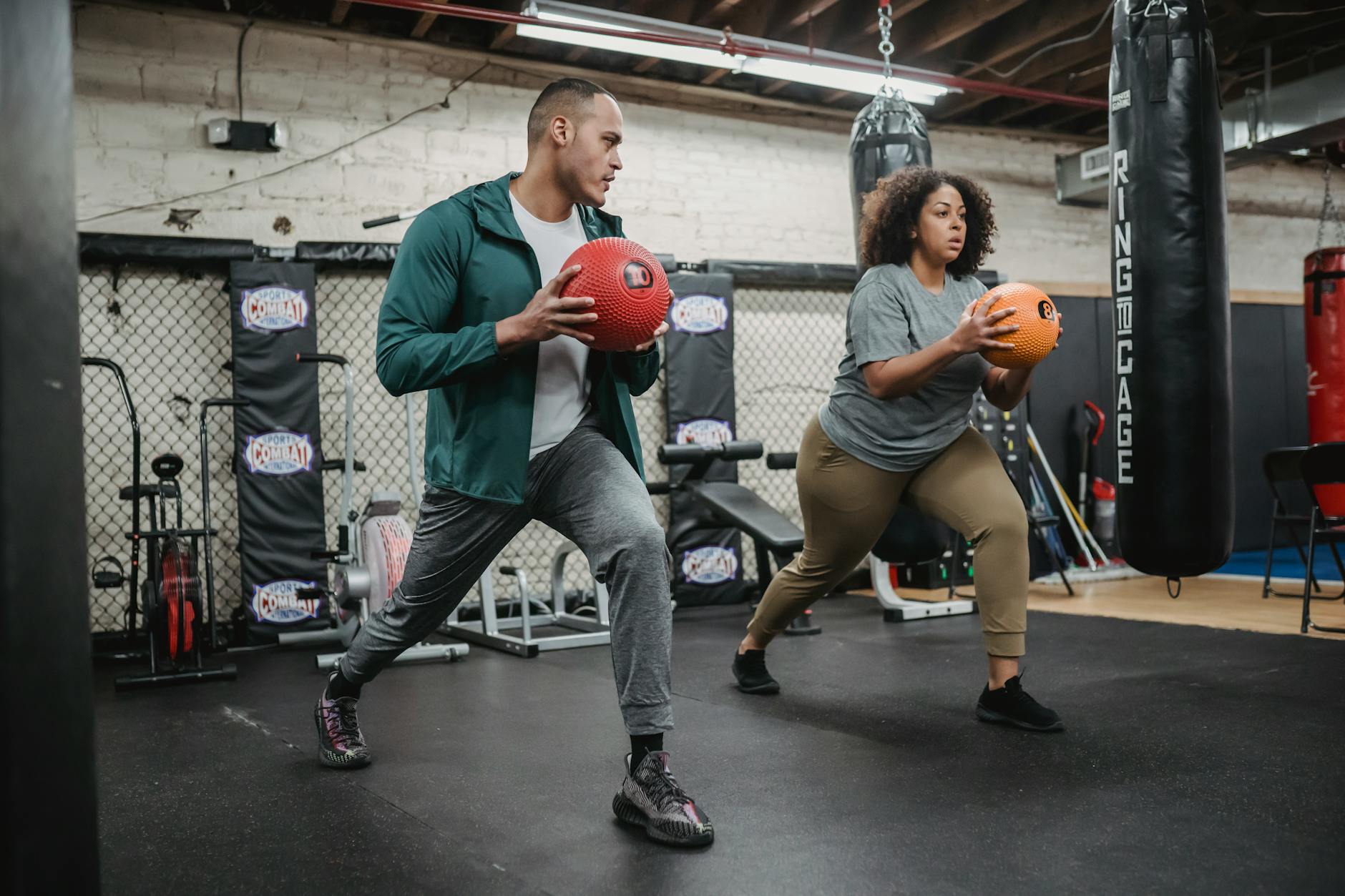
The differences in how active and sedentary older adults walk are visible to any observer. Active older adults typically maintain longer stride length, higher cadence (steps per minute), and more symmetric weight distribution between left and right legs. Their walking gait looks smooth and purposeful. A sedentary older adult often develops a shorter, shuffling gait with reduced arm swing and asymmetrical weight distribution, sometimes favoring one side due to compensations for weakness or pain.
These gait differences compound over time. A shorter stride and slower walking speed accelerates functional decline, whereas maintaining a longer, quicker stride maintains mobility and independence. A 70-year-old with an active movement history can walk at a brisk pace covering significant distances, while a sedentary peer tires quickly and moves slowly. The active person’s movement also promotes continued activity because it’s easier and more enjoyable, whereas the sedentary person’s slow, effortful gait discourages further movement.
The Reversibility of Movement Differences and Long-Term Outlook
One of the most important insights is that many movement differences between active and sedentary older adults are partially reversible. People who begin exercising in their 60s, 70s, or beyond can recover muscle mass, improve neuromuscular coordination, increase joint mobility, and enhance balance and gait quality.
While they may not fully recover the movement patterns of someone who’s been active lifelong, the improvements are substantial and meaningful. The future of aging movement patterns likely hinges on whether more people recognize exercise not as optional but as essential medicine for maintaining the movement quality and independence they value. Research consistently shows that movement patterns don’t have to deteriorate at the rates we typically see; the decline we accept as normal aging is often the result of inactivity, not inevitable aging itself.
Conclusion
Active adults over 60 move differently than sedentary peers across nearly every dimension—muscle quality and function, joint mobility, postural stability, balance, movement economy, and gait mechanics. These differences are substantial enough to be visible in everyday movements like walking, climbing stairs, or standing from a chair. The underlying cause is that regular exercise maintains the neuromuscular, cardiovascular, and skeletal adaptations that keep movement efficient, safe, and capable.
The encouraging message is that inactivity is the primary driver of these movement differences, not age itself. Adults who begin exercising after years of sedentary living can recover significant movement quality and capability. The practical next step is straightforward: movement quality improves with consistent, appropriately challenging exercise that includes strength training, cardiovascular work, mobility training, and balance work. The specific form of exercise matters less than the consistency and the willingness to challenge the body across multiple physical dimensions.