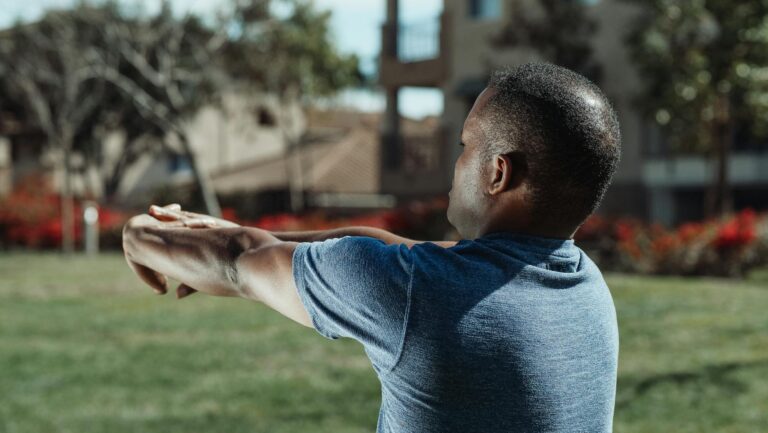
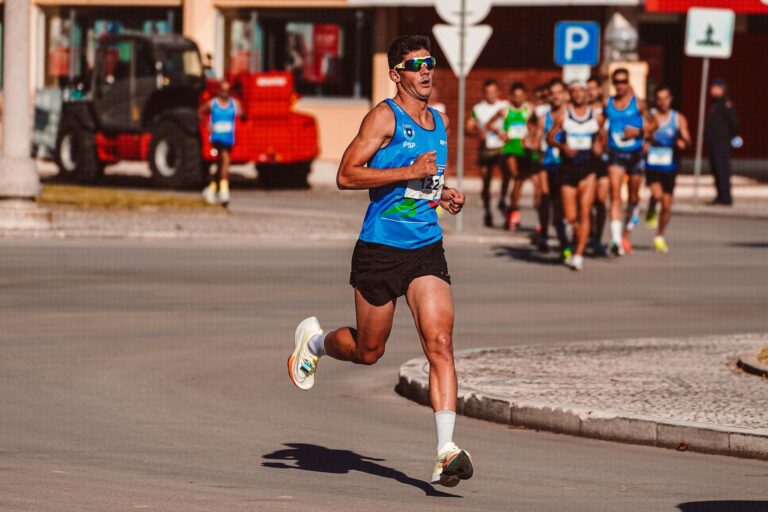
A hip flexor mobility routine specifically targets the iliopsoas and rectus femoris muscles that sit deep in your hips, and when these muscles have adequate range of motion, your stride becomes more efficient, longer, and less compensatory. Most runners don’t realize that tight hip flexors create a cascade of biomechanical problems—your pelvis tilts anteriorly, your stride shortens, and you start overstriding with your legs behind your body rather than in front, which both wastes energy and increases injury risk. The difference between a runner with locked-up hip flexors and one with mobile hips is often visible within weeks: better ground contact, more knee drive, and less lower back strain during long runs. Take a typical distance runner who averages 60 miles per week.
If their hip flexors are chronically tight from sitting at a desk during the day, they’re essentially running with the parking brake on—every stride requires extra effort because the hip extensors have to work harder to compensate, and the glutes can’t fire fully. A targeted inside hip flexor mobility routine addresses this directly by opening up the range of motion your body actually needs to run. The routine isn’t complicated, but it requires consistency. Most runners who see real changes do 10-15 minutes of focused hip flexor work three to four times per week, typically combining dynamic stretches with loaded hip extension movements that teach the muscles to relax while under light tension.
Table of Contents
- Why Tight Hip Flexors Sabotage Your Running Stride
- How the Inside Hip Flexor Mobility Routine Opens Up Your Range
- The Iliopsoas-Versus-Rectus Femoris Split and Why It Matters
- The Core Movements Every Runner Should Master
- Common Mistakes That Stall Progress
- Integrating the Routine Into Your Weekly Training Schedule
- Building Toward Performance Gains and Long-Term Mobility Maintenance
- Conclusion
Why Tight Hip Flexors Sabotage Your Running Stride
The hip flexors work as a paired system. The iliopsoas attaches from your pelvis and lower spine directly to your thighbone, and its primary job is to lift your knee forward in the swing phase of running. The rectus femoris, the top quadriceps muscle that crosses the hip joint, assists with this movement. When these muscles are tight, they pull your pelvis forward into anterior pelvic tilt, which fundamentally changes your running mechanics. Your stride shortens, your cadence might increase to compensate, and your lower back starts bearing load it shouldn’t have to carry. The problem compounds over time because tight hip flexors weaken your hip extensors—mainly the glutes and hamstrings.
If your hip flexors are always slightly contracted, pulling your leg forward, your glutes don’t get the full range to activate properly. This is called reciprocal inhibition, and it’s one reason why glute-focused exercises alone don’t always fix running problems; you also need to open up the front side of your hips. A runner with tight hip flexors might feel absolutely no difference in their glutes no matter how many bridges they do, simply because the front side is holding them back. One concrete example: a 5K runner logging 40 miles per week with chronically tight hip flexors will lose roughly 2-3 inches of running stride compared to an identical runner with mobile hips. That might not sound significant, but over the course of a 5K, it means taking 150-200 extra strides, each one requiring slightly more effort. That’s the difference between a 19-minute 5K and a 19:30 on the same training volume.

How the Inside Hip Flexor Mobility Routine Opens Up Your Range
The inside hip flexor routine works by combining passive stretching with active strengthening in lengthened positions. Most runners only ever stretch their hip flexors passively—they do a lunge and hope something improves. But passive stretching alone doesn’t teach your nervous system it’s safe to relax into that range, especially not while you’re running and gravity plus ground force are trying to shorten those muscles. The routine must include dynamic components where you’re actively lengthening the hip flexors while controlling the movement. One key principle: you’re not trying to hammer your hip flexors into submission with aggressive stretching. That often backfires because tight muscles are often tight for a reason—they’re protecting something.
An overly aggressive hip flexor stretch can create inflammation or actually tighten the muscles more as your body reflexively protects the area. Instead, the routine uses 30-45 second holds in gentle positions, movement through partial ranges, and loaded hip extension where the iliopsoas has to lengthen while you’re standing or half-kneeling. A runner doing this consistently for four weeks typically notices their stride feels easier around week three, even before they feel dramatically more flexible. The limitation here is that hip flexor mobility gains are not permanent without maintenance. If you return to sitting eight hours a day after getting your hips mobile, they will tighten again within two to three weeks. This is one reason why runners who live their mobility routine before races often regress postseason if they stop the work entirely. The routine isn’t a fix; it’s an ongoing conversation with your body about where it’s allowed to move.
The Iliopsoas-Versus-Rectus Femoris Split and Why It Matters
Not all hip flexor tightness is created equal. The iliopsoas sits deep inside your pelvis and is the primary mover that brings your knee to your chest. The rectus femoris is the top part of your quadriceps and also flexes the hip, but it’s a secondary player. Most runners have both tight, but the iliopsoas is often the limiting factor because it’s harder to stretch, sits in a location where sitting all day directly shortens it, and is often overactive in runners who drive their knees excessively high. The routine addresses both, but with different approaches. The rectus femoris responds well to a runner’s lunge position—half-kneeling with your back knee on the ground and your front foot forward, leaning slightly forward so you feel a quad stretch on the back leg. Hold that for 45 seconds and you’re addressing the rectus femoris. The iliopsoas, though, requires deeper work.
A half-kneeling hip flexor stretch where you actually anteriorly pelvic tilt—push your hips forward while staying upright—specifically targets the iliopsoas. The distinction matters because a runner who only does the lunge might improve quad flexibility but leave the deep iliopsoas restricted. One practical example: a female distance runner with a history of hip pain often has a dominant rectus femoris issue, meaning quad tightness is pulling on the hip joint. A male sprinter with hip flexor problems usually has a dominant iliopsoas issue because the explosive knee drive of sprinting hammers the iliopsoas repetitively. The mobility routine adjusts emphasis based on which muscle is the culprit. You can self-assess this: in a deep lunge position, if you feel the stretch in your front thigh, your rectus femoris is tight. If you feel it deeper in your hip or groin, your iliopsoas is tight. Most runners have both, but the emphasis differs.
The Core Movements Every Runner Should Master
The inside hip flexor mobility routine centers on four foundational movements that take about 12 minutes to complete if done properly. First is the standing hip flexor stretch—stand in a staggered position with one leg forward and bend your back knee, dropping your hips forward. Your back hip flexor lengthens while gravity assists. Do this for 45-60 seconds per side, two sets. Second is the half-kneeling hip flexor stretch with pelvic tilt, which targets the iliopsoas more specifically. Get half-kneeling, engage your core, and gently shift your hips forward while staying upright. This is less intense than the standing version but more specific. Third is the couch stretch, a loaded hip extension movement where you kneel facing away from a couch or chair, place one shin up on the couch behind you, and lower your hips forward.
This is a loaded lengthening of the hip flexors—your iliopsoas has to relax while bearing some of your body weight. Hold for 45-90 seconds per side, ideally doing this after a run when muscles are warm and pliable. Fourth is the 90-90 position stretch, where you sit on the ground with both hips bent at 90 degrees, one leg in front of you and one to the side. Hinge forward from your hips if mobility allows. This position opens the hip joint globally and is accessible even for beginners. The tradeoff here is intensity versus consistency. A runner can do an aggressive, 20-minute mobility session twice a week, or a gentler 10-minute session four times per week. The second approach usually produces better results because hip flexor mobility responds better to frequent, moderate stimulus than to occasional intensive work. Your nervous system learns it’s safe to release tension when you’re consistent, but one hard session per week doesn’t send that message clearly enough.
Common Mistakes That Stall Progress
The most common mistake is stretching only on non-running days, treating mobility like it’s separate from running rather than integral to it. Your hip flexors are shortened during running—every stride that brings your knee forward shortens them. If you only stretch on rest days, you’re fighting an uphill battle. The best runners weave short hip flexor work into their warm-up: 2-3 minutes of couch stretches or half-kneeling hip flexor stretches with movement before a run, then another 2-3 minutes post-run when the muscles are warm and most receptive to lengthening. This pre- and post-run approach shows results within three weeks, whereas “I’ll do 15 minutes on Tuesday” usually shows results in 6-8 weeks. Another mistake is assuming that one body part’s tightness indicates another body part needs more work. A runner with tight hip flexors doesn’t necessarily need more glute activation; they need the hip flexors to relax first.
Adding more glute work to a runner with hyperactive hip flexors is like pressing both the accelerator and brake simultaneously. The nervous system doesn’t know which signal to follow, and nothing improves. The rule is: open the restricted area first, then strengthen what needs strengthening. A warning about overstretching: aggressive stretching can create joint instability if overdone. If you’re spending 20 minutes every day aggressively stretching your hip flexors, you risk making the hip joint itself too mobile, which can paradoxically create more pain and instability. The couch stretch, in particular, puts significant load on the lumbar spine if done with poor alignment. Poor form looks like arching your lower back excessively; proper form keeps your core engaged and hips relatively level. If you feel lower back pain during hip flexor stretches, stop and reassess your form or reduce the intensity.
Integrating the Routine Into Your Weekly Training Schedule
Most runners see best results when the hip flexor routine becomes automatic—part of their post-run ritual rather than a separate task to remember. One effective approach is to do 5 minutes of mobility after every run, then dedicate one day per week (maybe after an easy run) to a deeper 15-minute session. The daily five-minute work maintains the gains, while the deeper weekly session continues to push your range.
This structure is less disruptive than trying to find three separate mobility sessions in your week. A practical example: a runner who does their main hip flexor work Monday and Thursday, then adds two minutes of couch stretch to their Tuesday, Wednesday, and Saturday easy runs, will see consistent progress because the stimulus is frequent and built into their normal routine. By contrast, a runner who plans to do a 20-minute mobility session on a random Tuesday, fits it in zero times out of four weeks, then complains mobility work doesn’t work, hasn’t given the routine a genuine chance. The routine works because it’s consistent, not because it’s miraculous.
Building Toward Performance Gains and Long-Term Mobility Maintenance
After 6-8 weeks of consistent hip flexor mobility work, most runners notice not just improved flexibility but actual performance changes. Your stride feels more efficient, your ground contact pattern improves—you land more directly under your body rather than reaching forward—and your running economy improves by 2-5 percent. This isn’t placebo; it’s biomechanics. A more efficient stride means less muscular effort required to maintain the same pace, so your legs don’t fatigue as quickly in the middle miles of a race.
The long-term game is maintenance plus continued gains. After you’ve restored mobility, continue the routine at a reduced frequency—perhaps three times weekly instead of four—to maintain your gains. Then, once or twice per training cycle, dedicate a two-week block to deeper mobility work if you notice your hips tightening again. Many successful distance runners treat hip mobility like brushing teeth: non-negotiable maintenance, not optional training. The runners who ignore their hips after getting them mobile typically lose 40-50 percent of their gains within two months and end up right back where they started.
Conclusion
An inside hip flexor mobility routine unlocks better stride by addressing the specific muscles that control forward knee drive and pelvic stability. The routine works because it combines passive lengthening with active strengthening in lengthened ranges, and because it’s maintained consistently rather than attempted sporadically. Most runners see meaningful improvements in running efficiency, stride length, and reduced injury risk within four to six weeks if they commit to three to four sessions per week. The practical next step is straightforward: start with the four foundational movements—standing hip flexor stretch, half-kneeling hip flexor stretch with pelvic tilt, couch stretch, and 90-90 position.
Dedicate 10-15 minutes to these movements three to four times per week, particularly after runs when muscles are warm. Track how your running feels, not just flexibility gains. Most runners notice their pace feels easier before they notice they can stretch further, which is the real indicator that biomechanics are improving. Consistency over intensity, frequency over intensity, and patience with the process will deliver the stride improvements the routine promises.