Understanding why some running shoes feel dead on a treadmill after an hour requires examining the complex interaction between foam technology, repetitive impact patterns, and the unique demands of indoor running. Many treadmill runners have experienced that frustrating sensation: a shoe that felt responsive and springy at the start of a workout gradually transforms into something flat and lifeless as the minutes accumulate. This phenomenon affects runners of all levels and can significantly impact both performance and enjoyment during longer training sessions. The issue extends beyond mere perception. When running shoes lose their cushioning responsiveness mid-workout, runners often unconsciously alter their gait to compensate, potentially increasing stress on joints and soft tissues.
For those training for marathons or ultramarathons who rely heavily on treadmill sessions during inclement weather, this deadening effect can undermine months of careful preparation. The problem also raises practical questions about shoe selection, rotation strategies, and whether certain foam technologies perform better than others in sustained treadmill conditions. By the end of this article, readers will understand the material science behind midsole compression, why treadmills create different demands than outdoor surfaces, and how environmental factors like heat accelerate the deadening process. The discussion will cover practical strategies for maintaining shoe responsiveness, signs that indicate a shoe has genuinely worn out versus temporarily fatigued, and expert approaches to building a rotation system that prevents premature breakdown. Whether you run three miles or thirty on your treadmill each week, this information will help you get more life and better performance from your footwear investment.
Table of Contents
- What Causes Running Shoes to Feel Dead on a Treadmill During Long Runs?
- How Midsole Foam Technology Affects Treadmill Running Performance
- The Role of Treadmill Belt Characteristics in Shoe Performance
- How to Prevent Running Shoes from Feeling Dead During Treadmill Workouts
- Signs Your Running Shoes Have Permanently Lost Their Cushioning
- Why Indoor Running Creates Different Demands Than Outdoor Surfaces
- How to Prepare
- How to Apply This
- Expert Tips
- Conclusion
- Frequently Asked Questions
What Causes Running Shoes to Feel Dead on a Treadmill During Long Runs?
The primary culprit behind running shoes feeling dead during extended treadmill sessions is a phenomenon called compression set, where the foam materials in the midsole temporarily or permanently lose their ability to rebound after repeated impacts. Modern running shoes rely on cellular foam structures””tiny air pockets surrounded by polymer walls””to absorb and return energy with each footstrike. When you run, these cells compress and then spring back, creating the cushioned, responsive feeling that makes quality running shoes feel lively. However, after thousands of consecutive compressions without adequate recovery time, these cells begin to stay compressed rather than fully rebounding. Treadmill running creates uniquely challenging conditions for midsole foams. Unlike outdoor running where surface variations, turns, and terrain changes create natural micro-breaks in the compression cycle, treadmill belts deliver remarkably consistent impacts to the same areas of the shoe repeatedly.
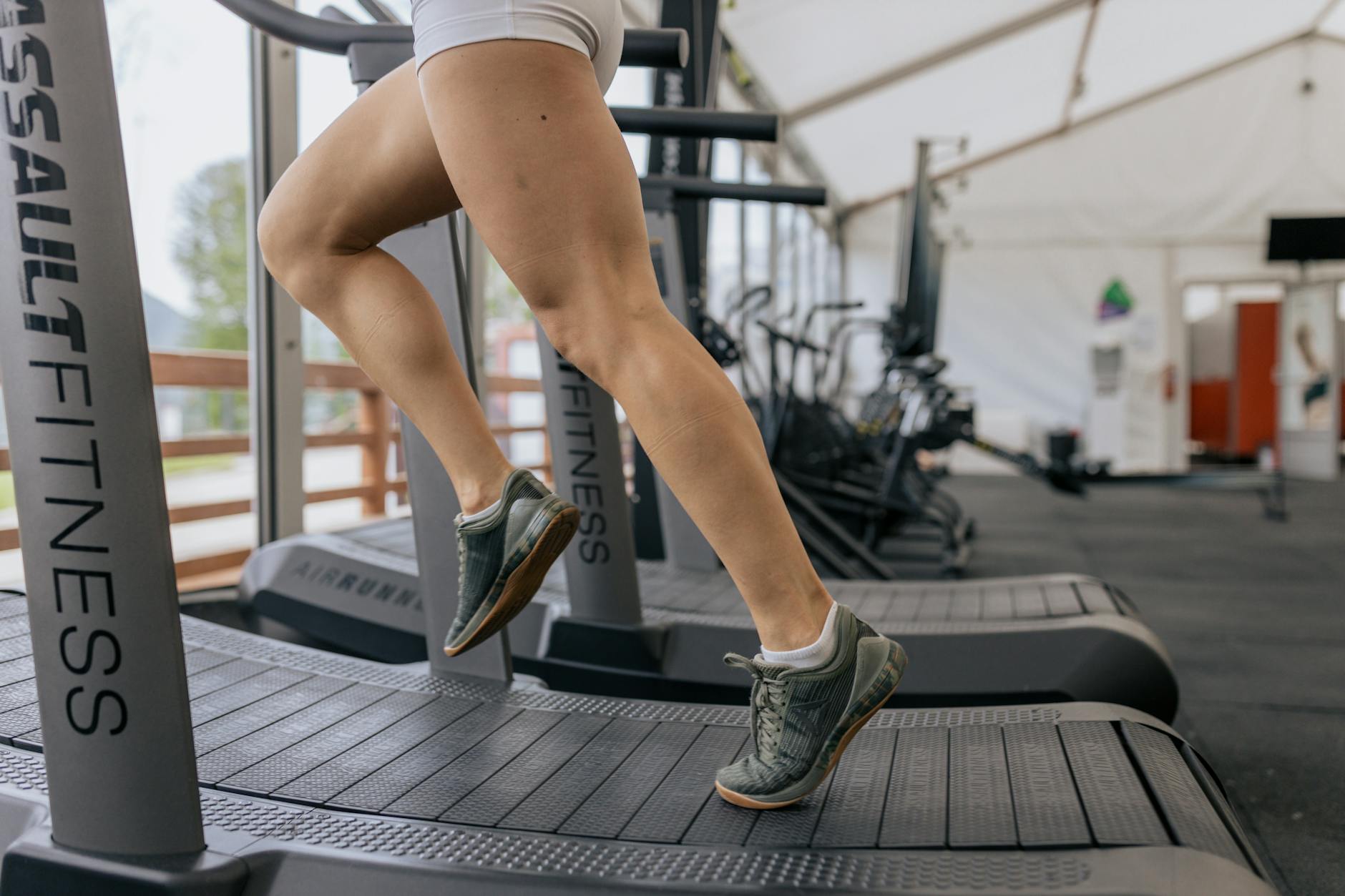
A runner maintaining a 9-minute mile pace strikes the belt approximately 160-180 times per minute, meaning after one hour, each shoe has absorbed roughly 5,000 to 5,400 identical impacts concentrated on the same foam regions. This unrelenting consistency accelerates the temporary fatigue of midsole materials far faster than the varied loading patterns of outdoor runs. Temperature plays a critical role in this process. Treadmill running typically occurs in climate-controlled indoor environments where heat generated by the foot and the friction between the shoe and belt has nowhere to dissipate. Foam materials become softer and more susceptible to compression set as they warm up, with studies showing that EVA-based foams can lose 15-25% of their energy return properties when temperatures rise from 20°C to 35°C. The enclosed environment of a gym or home fitness room, combined with the lack of cooling airflow that outdoor runners experience, creates a thermal trap that accelerates foam fatigue.
- **Compression set** occurs when foam cells lose their ability to rebound fully after repeated loading cycles
- **Consistent impact patterns** on treadmills concentrate stress on identical midsole regions without natural variation
- **Heat accumulation** in indoor environments softens foam compounds and reduces their resilience
How Midsole Foam Technology Affects Treadmill Running Performance
Different foam technologies respond to sustained treadmill use in markedly different ways, making material selection one of the most important factors in preventing that dead feeling during long runs. Traditional EVA (ethylene-vinyl acetate) foam, still found in many budget and mid-range shoes, is particularly susceptible to temporary compression fatigue. EVA relies on a closed-cell structure that traps air, and while this provides adequate cushioning for shorter runs, the cells progressively collapse under sustained loading. Research conducted by foam manufacturers indicates that standard EVA can lose up to 40% of its cushioning effectiveness after 45 minutes of continuous running, only recovering fully after 24-48 hours of rest. Newer supercritical foam technologies like PEBA (polyether block amide) and TPU (thermoplastic polyurethane) demonstrate significantly better resilience during extended efforts. These materials feature more robust cell structures and inherent elasticity that resists permanent deformation.
Shoes utilizing Puma’s Nitro foam, Adidas’s Lightstrike Pro, or Nike’s ZoomX typically maintain 75-85% of their original energy return even after an hour of treadmill running. The trade-off is cost””shoes featuring these premium foams often retail for $150-$250, compared to $80-$120 for EVA-based alternatives. The density and thickness of the midsole stack also influences how quickly a shoe begins to feel dead. Counter-intuitively, maximalist shoes with very thick midsoles sometimes fare worse than moderately cushioned options during long treadmill sessions. The greater volume of foam means more material undergoing compression fatigue, and the increased stack height can amplify the perception of instability as the foam softens. Runners often report that shoes in the 28-32mm stack height range maintain their feel better over time than those exceeding 38mm, though individual preferences and biomechanics play a significant role.
- **EVA foams** lose cushioning effectiveness faster than newer polymer technologies during sustained use
- **PEBA and TPU foams** maintain 75-85% of energy return properties even after an hour of continuous running
- **Midsole thickness** affects both the amount of foam subject to fatigue and the perception of stability as materials soften
The Role of Treadmill Belt Characteristics in Shoe Performance
The surface you run on profoundly influences how your shoes perform, and treadmill belts present a unique set of challenges that many runners overlook. Commercial gym treadmills typically feature a multi-layer belt system with a rubber running surface, cushioning deck, and underlying platform. The compliance of this system varies enormously between manufacturers and models””a high-end Woodway treadmill with a slat-belt design creates fundamentally different loading conditions than a budget residential unit with a thin belt over a rigid deck. Shoes that feel adequately cushioned on one machine may feel harsh and dead on another, independent of how many miles they have logged. Belt surface texture also affects shoe performance during extended runs. New treadmill belts feature textured patterns that provide grip but create additional friction and heat buildup at the shoe-belt interface.
As belts wear smooth over time, they may feel faster but actually increase slippage that forces runners to subtly grip with their toes, altering gait patterns and concentrating stress on different shoe regions. Many runners notice their shoes feel most responsive on treadmills with moderately worn belts that have lost their initial aggressiveness but have not yet become slick. The interaction between belt speed and shoe responsiveness deserves attention. Running at faster paces generates more impact force per stride but fewer total strides per minute of running compared to slower paces. A runner covering five miles at a 7-minute pace will take approximately 4,200 steps, while covering the same distance at a 10-minute pace requires roughly 4,800 steps but with lower force per step. The net effect on foam fatigue depends on individual running mechanics, but many runners find that moderate paces in the 8:00-9:30 range create the most problematic combination of frequent impacts and sufficient force to accelerate compression set.
- **Treadmill deck compliance** varies dramatically between machines and affects cushioning perception
- **Belt surface texture** changes over time and influences friction, heat buildup, and gait patterns
- **Running pace** creates trade-offs between impact frequency and force magnitude that affect foam fatigue rates
How to Prevent Running Shoes from Feeling Dead During Treadmill Workouts
Implementing a shoe rotation system represents the single most effective strategy for maintaining responsive footwear during treadmill training. Research from running shoe manufacturers suggests that foam materials require 24-48 hours to fully recover their cushioning properties after a long run. By alternating between two or three pairs of running shoes, you ensure that no single pair accumulates the consecutive wear that accelerates compression set. For runners logging four or more treadmill sessions weekly, maintaining a rotation of at least two pairs with different foam technologies provides both variety in ride feel and extended lifespan for each shoe. Environmental management during treadmill sessions can significantly slow the rate at which shoes begin feeling dead. Positioning a fan to direct airflow across your feet and shoes helps dissipate the heat that accelerates foam softening.
Some runners report success with briefly stepping off the treadmill every 20-25 minutes during very long sessions, allowing shoes to cool slightly and foam cells to partially recover. While this interrupts training flow, for runners preparing for ultramarathons or multi-hour events, the preservation of shoe responsiveness may outweigh the minor inconvenience. Strategic placement of runs within your training week also helps prevent cumulative foam fatigue. Scheduling your longest treadmill sessions with at least 48 hours between them gives shoes adequate recovery time. If you must run consecutive days, using your newer or more resilient shoes for the longer session and reserving older pairs for shorter recovery runs distributes wear more effectively. Tracking mileage on each pair using a running log or app helps identify when shoes approach the 300-500 mile range where permanent foam degradation typically begins outpacing temporary fatigue.
- **Shoe rotation** allows 24-48 hours of foam recovery between wears, maintaining responsiveness
- **Environmental cooling** through fans and strategic breaks reduces heat-induced foam softening
- **Training schedule management** prevents cumulative foam fatigue by spacing long sessions appropriately
Signs Your Running Shoes Have Permanently Lost Their Cushioning
Distinguishing between temporary foam fatigue and permanent shoe breakdown helps runners avoid both premature replacement and injury from running on truly worn-out footwear. Temporary fatigue from a single long session typically resolves within 24-48 hours””if your shoes feel dead at the end of an hour-long treadmill run but responsive again two days later, the foam is recovering normally. Permanent degradation manifests differently: shoes that feel flat from the first step after adequate rest, visible compression lines or wrinkles in the midsole, and asymmetric wear patterns that indicate structural breakdown rather than simple fatigue. Physical inspection provides valuable diagnostic information. Press your thumb firmly into various regions of the midsole and note how quickly and completely the foam rebounds. Fresh foam springs back immediately with visible cell recovery; worn foam stays compressed momentarily and may show a lasting thumbprint.
Compare the feel to a newer pair of the same model if possible. Inspect the outsole for wear patterns that expose midsole material””once the outer rubber wears through to the foam beneath, water infiltration and accelerated breakdown follow quickly. Tracking cumulative mileage remains the most reliable predictor of permanent foam degradation. Most running shoes maintain adequate cushioning through 300-400 miles, with premium foam technologies extending this to 400-500 miles for some models. Beyond these thresholds, even proper rotation and care cannot prevent the cellular structure from permanently deforming. Runners who weight more, have heavy footstrike patterns, or run exclusively on hard surfaces reach these limits sooner. If your shoes feel dead on a treadmill after an hour despite being less than 200 miles old and receiving proper rotation, the foam technology may simply be inadequate for sustained indoor running rather than worn out.
- **Temporary fatigue** resolves within 24-48 hours; **permanent degradation** persists regardless of rest
- **Physical inspection** through thumb compression tests reveals foam recovery capacity
- **Mileage tracking** predicts lifespan””most shoes maintain cushioning through 300-500 miles depending on technology
Why Indoor Running Creates Different Demands Than Outdoor Surfaces
The controlled environment of treadmill running eliminates variables that outdoor surfaces naturally provide, creating both advantages and unique challenges for footwear. Outdoor running involves constant micro-adjustments to terrain variations, camber, surface hardness, and obstacles that distribute stress across different regions of the shoe with each stride. These variations allow portions of the midsole foam to recover momentarily while adjacent regions absorb impact. Treadmill belts eliminate this natural variation, concentrating thousands of nearly identical impacts on the same foam cells in the same orientation. Temperature regulation differs fundamentally between indoor and outdoor environments. Outdoor runners benefit from convective cooling as air flows across the shoe with each stride, dissipating heat generated by foam compression and foot perspiration.
Indoor environments trap this heat, and the still air of most treadmill settings provides minimal cooling. The combination of higher ambient temperatures common in gyms, radiant heat from surrounding equipment, and the lack of airflow creates thermal conditions that accelerate foam softening. Some runners report that shoes which feel fine during outdoor summer runs still feel dead faster on treadmills, suggesting that airflow matters more than absolute temperature. The psychological dimension of treadmill running also influences perception of shoe responsiveness. Without visual cues of forward progress, changing scenery, or varied terrain to occupy attention, runners become more acutely aware of physical sensations including how their shoes feel. A subtle softening in foam response that might go unnoticed during an engaging outdoor route becomes impossible to ignore when staring at a gym wall or basement ceiling. This heightened body awareness is not entirely negative””it makes treadmill running an excellent diagnostic tool for evaluating shoes””but it does mean that perceived deadness may sometimes exceed actual material degradation.
How to Prepare
- **Select appropriate footwear based on session length.** For runs exceeding 45 minutes, choose shoes featuring PEBA, Pebax, or premium TPU foams rather than standard EVA. Reserve your highest-quality foam technology for your longest sessions, using more basic shoes for shorter workouts.
- **Ensure shoes have rested adequately since their last use.** Check your training log to confirm at least 24 hours, preferably 48, have elapsed since the last time you wore the pair you plan to use. If your preferred shoes were worn recently, select an alternative from your rotation.
- **Prepare the treadmill environment for temperature management.** Position a floor fan to direct airflow across the treadmill belt and your lower body. If using a home treadmill, consider lowering room temperature by 2-3 degrees before beginning or opening windows for fresh air circulation.
- **Inspect shoes for signs of existing degradation.** Perform the thumb compression test on the midsole, check for visible wear-through on the outsole, and note any asymmetric compression or deformation. Starting a long session on already-compromised shoes guarantees a dead feeling before you finish.
- **Plan strategic breaks for very long sessions.** For runs exceeding 90 minutes, identify points at 30-40 minute intervals where you can briefly step off the belt, allow shoes to cool, and permit partial foam recovery. Even 60-90 seconds of rest can meaningfully extend the responsive feel of your footwear.
How to Apply This
- **Implement a minimum two-shoe rotation immediately.** Purchase a second pair of running shoes if you currently own only one, selecting a different foam technology or brand to provide variety. Alternate between pairs for all treadmill sessions, never wearing the same shoes on consecutive days.
- **Log mileage for each pair separately using an app or spreadsheet.** Record the specific shoes worn for each run along with distance covered. Review totals weekly to ensure even distribution of miles across your rotation and identify when pairs approach replacement thresholds.
- **Schedule your longest treadmill sessions strategically within your training week.** Place 60+ minute runs with at least 48 hours between them, and avoid following a long treadmill session with another treadmill run the next day. Use outdoor runs or cross-training to create recovery windows.
- **Conduct monthly shoe inspections and document findings.** On the first of each month, photograph your shoes from multiple angles, perform compression tests, and note any changes from previous inspections. This documentation helps identify gradual degradation that daily use might obscure.
Expert Tips
- **Store running shoes at room temperature away from heat sources.** Leaving shoes in a hot car, near heating vents, or in direct sunlight accelerates foam degradation even when not being worn. The garage shelf above your treadmill may seem convenient but creates damaging thermal exposure.
- **Consider shoe inserts for extending the usable life of partially worn footwear.** Quality aftermarket insoles with fresh foam can restore some responsiveness to shoes whose midsoles have begun degrading. This approach works best for shoes in the 300-400 mile range that still have intact outsoles.
- **Use the treadmill as a diagnostic tool when evaluating new shoes.** The controlled, repetitive conditions that cause foam fatigue also reveal how different shoes respond to sustained use. Testing new models with a 45-60 minute treadmill run before committing to them for outdoor training exposes limitations that shorter runs might miss.
- **Different paces may perform better in different shoes.** Some runners find that highly cushioned shoes feel better for easy treadmill miles while firmer, more responsive shoes maintain their feel better during faster workouts. Match shoe characteristics to session intensity rather than using one pair for everything.
- **Track not just mileage but also time-on-feet when assessing shoe wear.** An hour of easy running creates different stress than an hour of intervals. Shoes used primarily for long, slow treadmill sessions may wear differently than those used for varied outdoor training, even with similar total mileage.
Conclusion
The frustrating sensation of running shoes feeling dead on a treadmill after an hour stems from a convergence of material science, environmental factors, and the unique demands of indoor running. Foam compression fatigue, heat accumulation, and the relentless consistency of treadmill impacts combine to challenge even premium footwear in ways that outdoor running rarely replicates. Understanding these mechanisms empowers runners to make informed choices about shoe selection, implement rotation strategies that preserve responsiveness, and distinguish between temporary fatigue and genuine wear requiring replacement.
The practical solutions are accessible to runners at every level. Building a rotation of two or three pairs, selecting appropriate foam technologies for long sessions, managing the thermal environment, and tracking mileage systematically can dramatically extend the responsive life of your running shoes. These habits also encourage greater body awareness and attention to footwear condition that serves runners well beyond the treadmill. Rather than accepting the dead feeling as an inevitable consequence of indoor training, view it as a solvable problem that rewards thoughtful preparation and consistent maintenance practices.
Frequently Asked Questions
How long does it typically take to see results?
Results vary depending on individual circumstances, but most people begin to see meaningful progress within 4-8 weeks of consistent effort. Patience and persistence are key factors in achieving lasting outcomes.
Is this approach suitable for beginners?
Yes, this approach works well for beginners when implemented gradually. Starting with the fundamentals and building up over time leads to better long-term results than trying to do everything at once.
What are the most common mistakes to avoid?
The most common mistakes include rushing the process, skipping foundational steps, and failing to track progress. Taking a methodical approach and learning from both successes and setbacks leads to better outcomes.
How can I measure my progress effectively?
Set specific, measurable goals at the outset and track relevant metrics regularly. Keep a journal or log to document your journey, and periodically review your progress against your initial objectives.
When should I seek professional help?
Consider consulting a professional if you encounter persistent challenges, need specialized expertise, or want to accelerate your progress. Professional guidance can provide valuable insights and help you avoid costly mistakes.
What resources do you recommend for further learning?
Look for reputable sources in the field, including industry publications, expert blogs, and educational courses. Joining communities of practitioners can also provide valuable peer support and knowledge sharing.