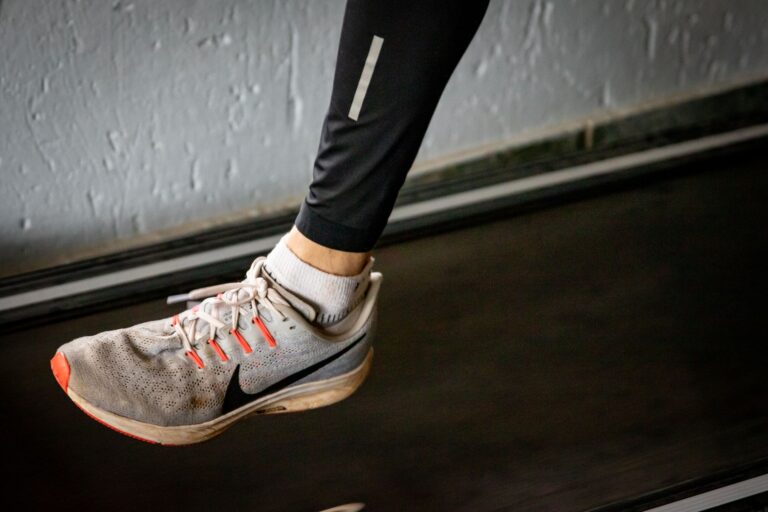
Humans were designed to keep moving because our entire physiology evolved over millions of years in environments that demanded constant physical activity. Our ancestors didn’t have the choice to be sedentary—survival meant walking, climbing, and working. This biological design is still locked into our DNA, shaping everything from how our muscles function to how our brains process information. A sedentary modern lifestyle is essentially asking a machine built for motion to sit still, and the result is a cascade of health problems we’ve only recently begun to fully understand.
The evidence is stark. A 2019 study published in the American Journal of Epidemiology found that people who sit for more than 7 hours daily have a 24% higher risk of early death compared to those who sit for 3 hours or less—even among those who exercise regularly. This means your genetics don’t just prefer movement; they require it. Every system in your body, from your cardiovascular system to your metabolic health to your mental clarity, operates at its optimal level only when you’re regularly in motion.
Table of Contents
- What Does It Mean That We’re “Designed” for Movement?
- The Metabolic Cost of Stillness
- How Movement Shaped Your Brain
- The Practical Challenge of a Movement-Friendly Life
- Overuse Injuries and the Movement Paradox
- The Mental Health Connection
- What Modern Science Reveals About Our Future
- Conclusion
- Frequently Asked Questions
What Does It Mean That We’re “Designed” for Movement?
When we talk about evolutionary design, we’re describing the physical adaptations that allowed our ancestors to thrive. Humans developed long, efficient legs, the ability to sweat for thermoregulation during sustained activity, and cardiovascular systems built for endurance. We have over 600 muscles in our bodies—many of which were optimized for walking across savannas and gathering food, not for sitting at desks. Our skeletons, too, are built for the dynamic forces of movement; bones actually get weaker without regular stress and strain from physical activity.
Compare this to animals designed for immobility: a sloth’s metabolism is built to conserve energy with minimal movement, while a cheetah’s entire frame is optimized for explosive speed. Humans are somewhere in the middle—built for sustained, varied movement over long distances. When you sit for extended periods, you’re not just being inactive; you’re depriving your body of the stimulus it evolved to receive. This isn’t about willpower or discipline; it’s about matching your lifestyle to your biological blueprint.

The Metabolic Cost of Stillness
Sitting for prolonged periods creates a cascade of metabolic problems that go far beyond simple calorie burning. When your muscles aren’t engaged, they stop sending signals to your cells that say “we need glucose.” Your pancreas stops producing insulin as efficiently. Your arteries lose the mechanical stimulus that keeps them flexible. Over weeks and months, this leads to insulin resistance, poor cholesterol profiles, and impaired circulation—even in people who hit the gym three times a week and then sit the rest of the day. One limitation many people don’t realize is that exercise alone doesn’t fully compensate for a sedentary lifestyle.
A 2015 study in Medicine & Science in Sports & Exercise found that people who did intense exercise but sat the rest of the time still had elevated blood sugar and metabolic markers compared to people who distributed their movement throughout the day. This is why doctors and researchers now talk about “movement snacking”—taking brief walking breaks every hour. Your body needs consistent stimulus, not just one large dose in the morning. The other metabolic challenge is that your mitochondria—the powerhouses of your cells—actually decrease in number and efficiency when you’re sedentary. This means your cells become less efficient at producing energy, making you feel more fatigued during daily activities, even though you “exercised.” It’s a frustrating paradox: the more sedentary you are, the more tired you feel, which makes movement feel harder.
How Movement Shaped Your Brain
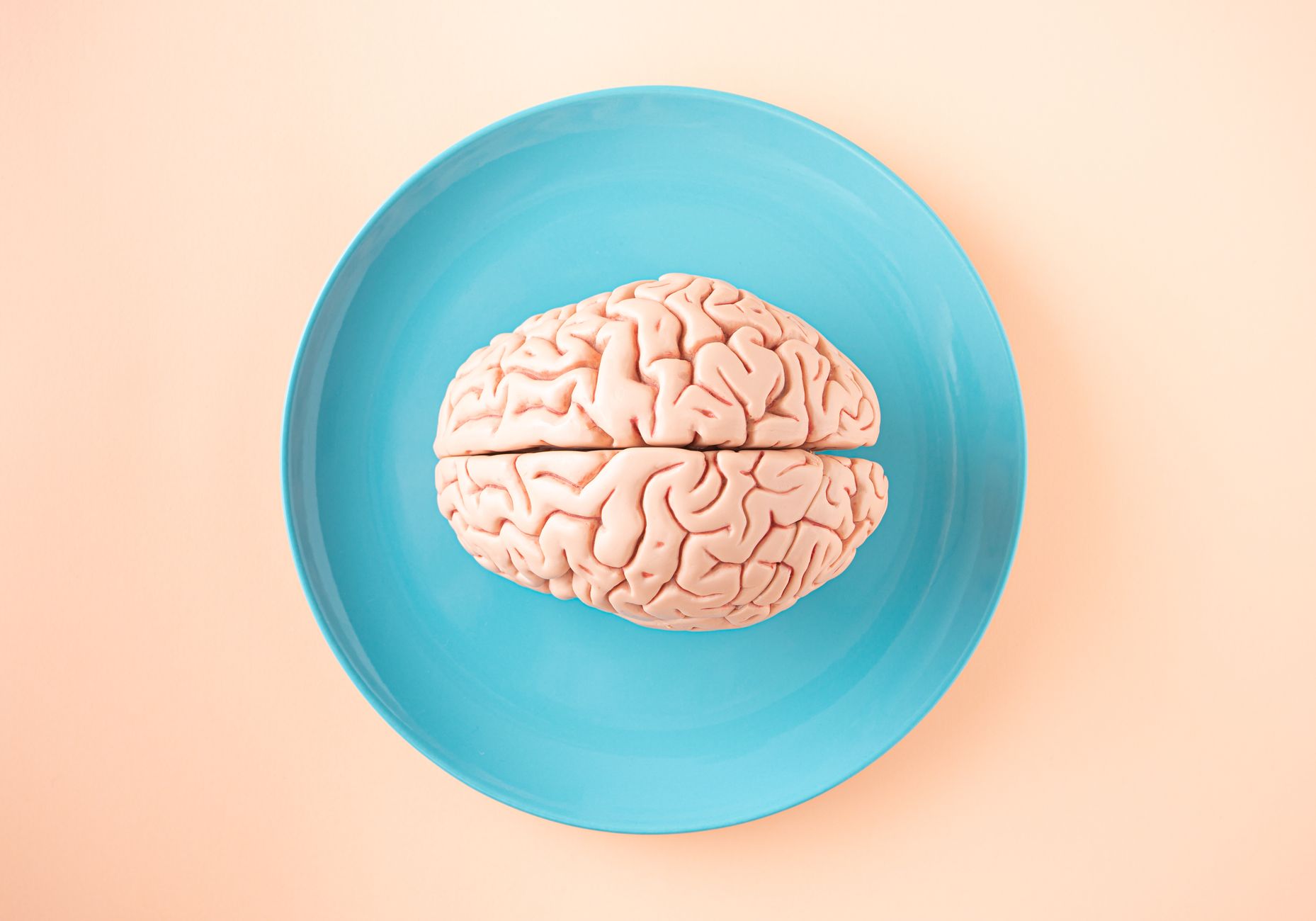
Movement doesn’t just build muscle; it shapes the architecture of your brain. During movement, your body produces BDNF (brain-derived neurotrophic factor), a protein that supports the growth of new neurons and strengthens connections between brain cells. This is why runners often report that their best ideas come during a run—movement is literally fueling cognitive function. Your ancestors solved problems while walking. They navigated complex terrain, which required spatial reasoning. They hunted in groups, which required social coordination.
They moved through multiple environments, which required attention and decision-making. All of this created neural pathways that are still present in your brain today. When modern humans sit still for 8 hours, we’re asking our brains to do something they’re fundamentally not equipped for. The result is increased anxiety, depression, and cognitive decline—all well-documented side effects of sedentary lifestyles. A specific example: during a typical work day, sitting at a desk for 4 hours straight without movement can reduce blood flow to your prefrontal cortex by 10-15%, which is the region responsible for focus and executive function. This is why your concentration collapses by mid-afternoon. You’re not lazy; you’re hypoxic.
The Practical Challenge of a Movement-Friendly Life
Understanding that you need movement and actually achieving it in a modern environment are two different things. Your job, your commute, your home setup—all are designed around sitting. Even people committed to running often make the mistake of thinking that one running session per day is sufficient, when the real issue is that they need movement distributed throughout their waking hours. The practical solution involves multiple strategies: a standing desk or standing breaks, walking meetings, taking stairs instead of elevators, parking farther away from your destination. Compared to dedicated exercise time, these “incidental” movements are easier to maintain long-term because they don’t require motivation or gym memberships.
The tradeoff is that they require intentional environmental design. You can’t just add movement; you often need to restructure your day to allow it. For runners specifically, there’s a temptation to load all your movement into running sessions and treat the rest of the day as recovery. But non-running movement—walking, cycling, swimming—actually helps your running performance and recovery without the impact stress. Many runners hit performance plateaus not because they’re not running enough, but because their total daily movement isn’t sufficient to trigger the systemic adaptations needed for improvement.
Overuse Injuries and the Movement Paradox
One of the most frustrating discoveries about human movement design is that more isn’t always better. Our bodies evolved for varied movement patterns, not repetitive stress. A runner who runs 6 days a week in the same pattern on the same surfaces is actually fighting against their design, not aligned with it. Your ancestors moved in different ways: walking, climbing, jumping, sprinting, carrying loads. They rarely repeated the exact same motion hundreds of times daily.
This is why cross-training is so important, and why runners who add strength work, varied terrain, and different movement types have fewer injuries. A warning here: the sedentary lifestyle has made many people vulnerable to injury precisely because their bodies have lost the resilience that comes from varied movement. If you’ve been sitting most of your life and suddenly start running, you’re asking tissues that have been dormant to perform at capacity. This is how injuries happen. The limitation of human movement design in a modern context is that we need to be smarter about how we apply the stimulus. Just because humans were designed for movement doesn’t mean you can jump into high-mileage running without preparation.

The Mental Health Connection
Movement regulates your nervous system in ways that sitting cannot. When you move, especially at moderate intensities, your parasympathetic nervous system activates—the system responsible for calm and recovery. Over weeks and months of regular movement, your baseline stress levels drop, your sleep improves, and your ability to handle daily stressors increases.
This isn’t a side effect of running; it’s the primary benefit for many people. An example: studies on people with anxiety disorders show that three 30-minute walking sessions per week can be as effective as medication for many patients. The cost is zero, the side effects are positive (improved fitness), and the benefits accumulate over time. This is what your brain expects—regular movement that allows it to process stress and regulate mood.
What Modern Science Reveals About Our Future
As our understanding of movement physiology has improved, we’ve discovered that the human body is far more adaptable and responsive to movement than previously thought. The myth that everything is determined by genetics or that you can’t make changes in midlife is being systematically disproven. Cardiovascular fitness, muscle mass, metabolic health—all can be dramatically improved at any age through consistent movement.
The future of human health may depend less on medical interventions and more on reconstructing our environments to make movement the default rather than the exception. Some of the healthiest populations in the world—like parts of Japan and Mediterranean regions—don’t exercise intensely; they simply build constant, moderate movement into their daily routines. That’s the real lesson from human design: we need motion as a lifestyle, not as a special event.
Conclusion
Your body is not broken or outdated because you feel better when you move—it’s working exactly as designed. The disconnect most people feel between their sedentary lifestyles and their physical health isn’t a personal failing; it’s a fundamental mismatch between our modern environment and the biology we inherited. Movement isn’t optional; it’s infrastructure. The practical next step isn’t to sign up for a marathon or commit to hours at the gym.
It’s to audit your day and find ways to move more consistently: walk during phone calls, take the stairs, park farther away, use a standing desk, take different routes when running. Small changes accumulated over weeks and months produce the biological adaptations your body is waiting for. You’re designed to move. It’s time to design your life around it.
Frequently Asked Questions
If I exercise regularly, do I still need to avoid sitting all day?
Yes. Exercise is important, but it doesn’t fully compensate for sitting the rest of the day. You need movement distributed throughout your waking hours. A person who runs for an hour and then sits for 8 hours is still metabolically very different from someone who moves consistently all day.
How much movement do I actually need?
Research suggests that 150 minutes of moderate-intensity activity per week is the baseline recommendation. However, that’s a minimum, not a maximum. Adding regular incidental movement throughout your day—walking, standing, light activity—provides additional benefits that structured exercise alone doesn’t deliver.
Can I be fit if I’m not a runner?
Absolutely. Your body responds to any consistent movement: walking, swimming, cycling, or other activities. The key is consistency and variety. Runners often do best when they incorporate other movement patterns, not just running.
Is it ever too late to build a more active lifestyle?
No. Studies on people in their 60s, 70s, and even 80s show dramatic improvements in fitness, muscle mass, and metabolic health with consistent movement. Your body can adapt at any age.
Why do I feel more tired when I’m sedentary?
Mitochondria in your muscles decrease in efficiency and number when you’re sedentary, reducing your energy production capacity. Paradoxically, being inactive actually makes you more fatigued because your cells struggle to produce energy. Movement improves this.
How can I incorporate more movement if I have a desk job?
Stand or walk during calls, use a standing desk for part of the day, take brief walking breaks every hour, park farther away, take stairs, or stretch regularly. These small changes add up significantly over time and don’t require leaving your workplace.