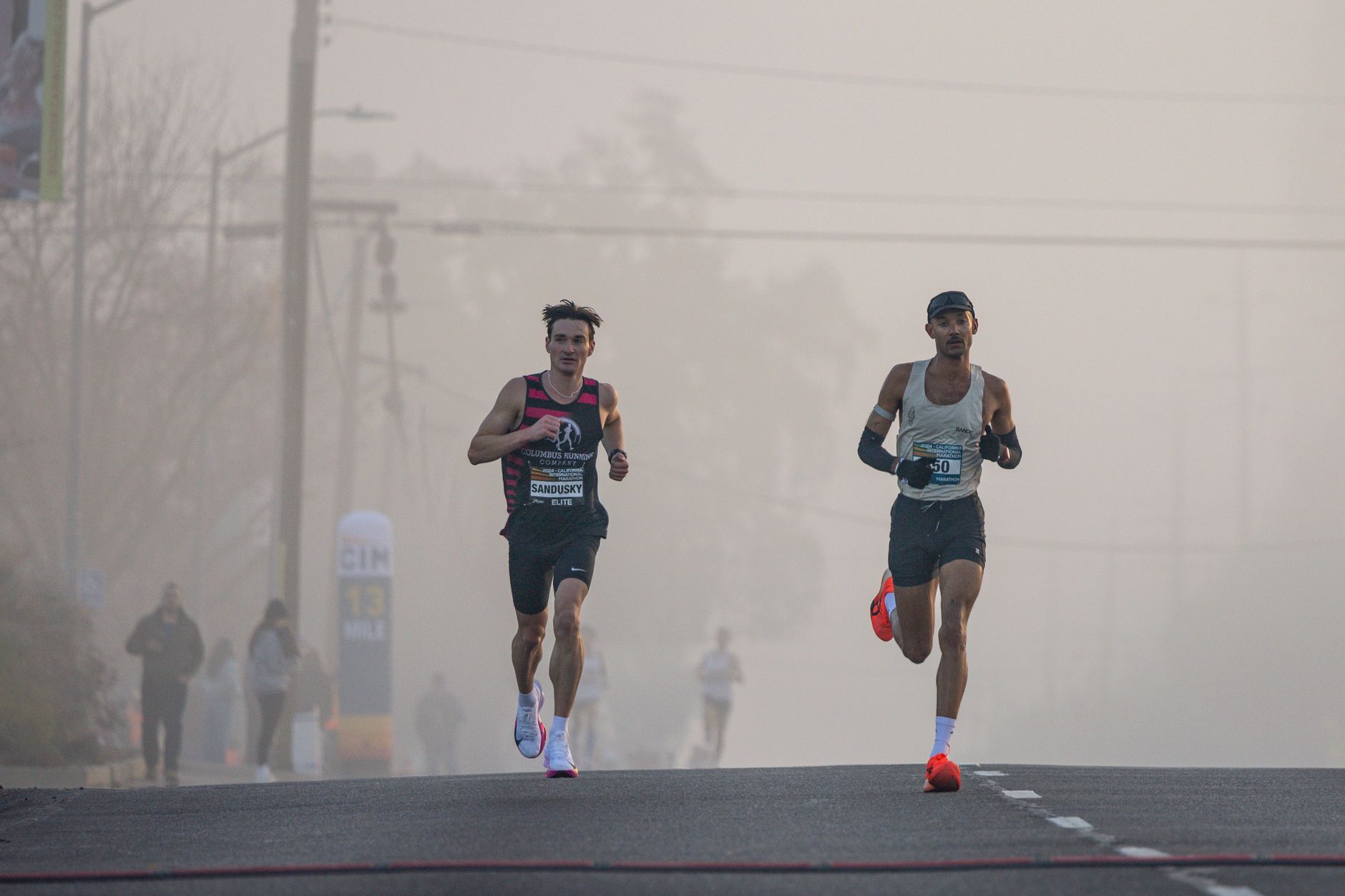
Half marathon runners struggle to sleep in taper week because lighter training leaves less physical tiredness while race nerves climb. Less sleep pressure plus more mental arousal delays sleep onset and fragments the night. Taper means the final two weeks before a half marathon. Runners cut normal volume roughly 20-30% while keeping running days and shorter sessions to shed fatigue without losing sharpness, according to the Edinburgh Marathon Festival in its Edinburgh half-marathon taper guide.
Medical information disclaimer: This article is for general educational purposes only and does not provide medical advice, diagnosis, or treatment. Always consult a physician or other qualified health professional about symptoms, medications, tests, or treatment decisions.
Table of Contents
- Why does running less make sleep lighter?
- Why does the mind race when the legs rest?
- What do broken taper nights look like?
- How can you bank sleep before race day?
Why does running less make sleep lighter?
Regular daytime exercise helps adults fall asleep faster, spend less time awake at night, and improve sleep quality. The Sleep Foundation explains this link in its Sleep Foundation guide to exercise and sleep.
During taper, that daily sleep pressure drops. A runner used to evening tiredness after a long run may feel alert at bedtime after a short easy run. The body is recovering, but it is not spent.
Why does the mind race when the legs rest?
Extra time and higher stakes invite rehearsal. In a 2015 survey of 283 elite Australian athletes, 64% reported worse sleep before an important competition, mainly from trouble falling asleep because of thoughts about the event, as reported by TriForward in its TriForward summary of pre-race sleep research.
Coaches call the wider pattern taper madness. The Orka Run coaching team describes restlessness, irritability, phantom aches, and bad sleep in the final 2-3 weeks, with rising anxiety and mood disturbance. Endurance Therapeutics adds that lower endorphin and serotonin exposure after heavy training can worsen mood, sleep quality, and anxiety.
What do broken taper nights look like?
Less tiredness plus rising nerves creates a familiar mix. Endurance Therapeutics describes harder sleep onset, lighter sleep, vivid dreams, and broken nights.
A runner may toss for an hour, wake at 3 a.m., dream about missing the start, then wake early. That pattern feels alarming so close to race day. It is common, and one short night modestly raises perceived effort but usually does not decide endurance performance.
How can you bank sleep before race day?
Treat the whole fortnight as the sleep target, not one perfect final night. Race nerves and early alarms often disturb the last night without undermining fitness. Sovune makes the same point in its Sovune guide to race-morning sleep.
- Keep a steady bedtime and wake time across both taper weeks.
- Protect sleep in the middle of the fortnight when nights are calmer.
- Keep the pre-race evening routine simple, familiar, and screen-light.
- Get up at the planned race-day time for a trial run before the event.