Yes, you can absolutely find quality watches under $200 that will serve you reliably for years. The sweet spot price range of under $200 has become increasingly competitive in recent years, offering everything from mechanical watches with automatic movements to advanced smartwatches with GPS and heart rate monitoring.
Whether you’re looking for a traditional timepiece to wear to work or a fitness-focused smartwatch for tracking your runs, this budget accommodates legitimate brands with proven track records rather than throwaway fashion watches. For a running-focused perspective, a $99 Amazfit Active 2 with 10-day battery life and GPS tracking offers superior value to many $400 smartwatches, while a $150 Casio Duro delivers the durability and water resistance you’d want for any sport without unnecessary features. The key is understanding what category actually meets your needs, because the best value watch under $200 looks very different depending on whether you want a mechanical dress watch, a dive watch, or a health tracker.
Table of Contents
- What Makes a Watch Worth Buying Under $200?
- Mechanical Watches Under $200 for Watch Enthusiasts
- Quartz Dive Watches and Sports Watches
- Smartwatches Under $200 for Runners and Health Tracking
- Durability and Long-Term Reliability Concerns
- Finding the Right Watch Category for Your Lifestyle
- The Future of Affordable Watches and Your Purchase Decision
- Conclusion
What Makes a Watch Worth Buying Under $200?
Value in the watch world doesn’t mean cheap—it means quality per dollar spent. At the under-$200 price point, you’re paying enough to get genuine Swiss or Japanese movements, legitimate water resistance ratings, and materials that won’t degrade in six months. You’re also avoiding the steep markup that comes with luxury brand names.
A $150 Seiko 5 Sports with an automatic movement represents the same engineering quality as watches costing three times as much; the difference is primarily the brand prestige you’re not paying for. The watches that represent true value share certain characteristics: they use established movements from recognized manufacturers like Seiko, Orient, or Casio; they have clear, honest marketing about their features rather than exaggerated claims; and they’ve been in production long enough to have proven reliability data. A Timex Marlin under $200 has been a bestseller for over a decade not because of marketing but because people who buy them keep buying them again. Compare this to a watch with an unknown movement priced at $80—the cheaper option might fail within a year, making the $200 watch the actual value play.
Mechanical Watches Under $200 for Watch Enthusiasts
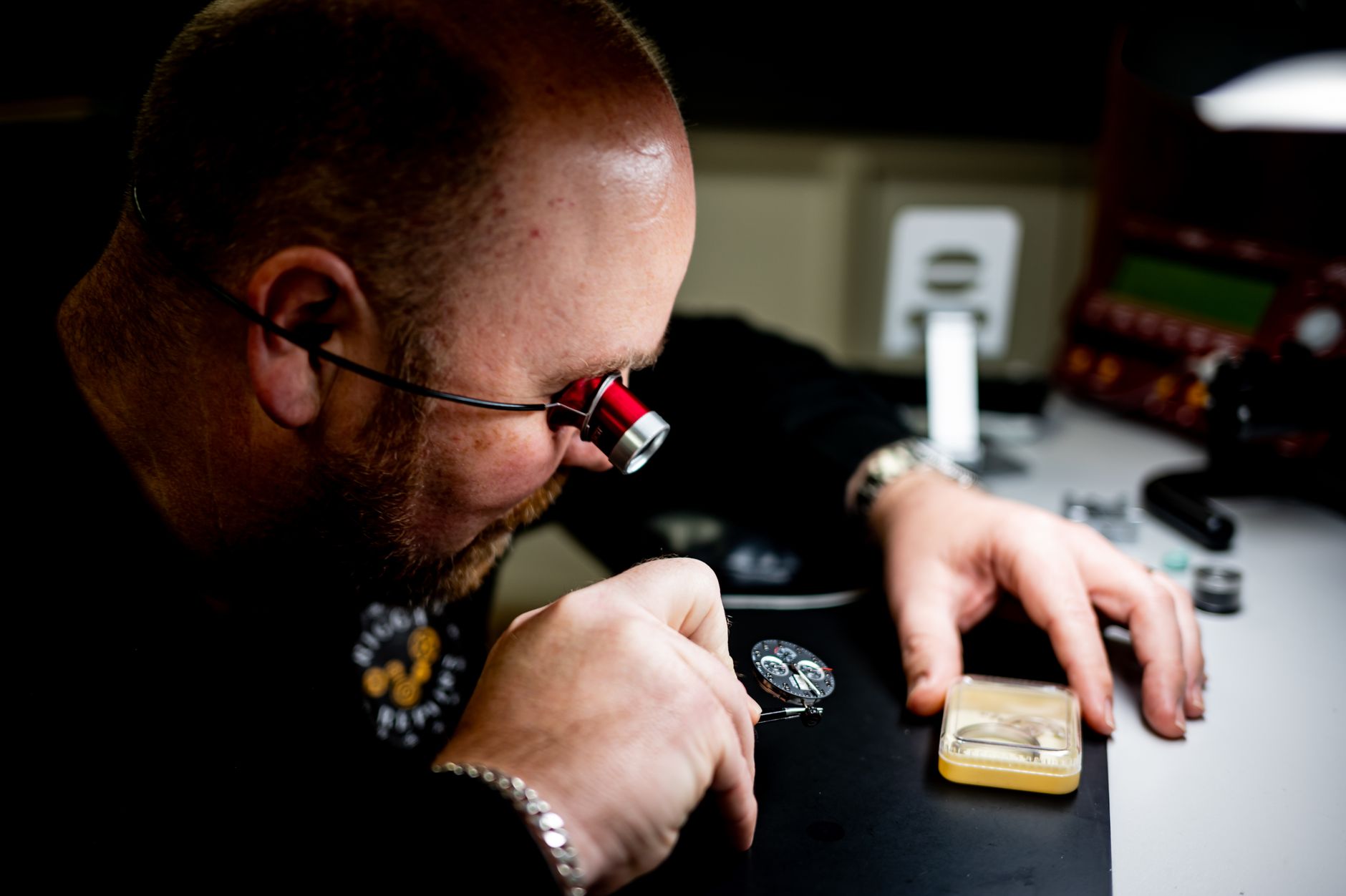
If you want to own an actual mechanical watch rather than a quartz timekeeper, your best options are the Seiko 5 series and Orient models. The Seiko 5 Sports and Seiko 5KX both feature automatic movements with hand-winding and hacking capabilities—practical features that let you set the exact time rather than having it run continuously. These watches will keep reasonable time (within 10-20 seconds per day) and can run for 40+ hours on a full wind. The Orient Bambino offers a more elegant dress-watch aesthetic with a domed mineral crystal, while the Orient Ray II is built for water sports at 200 meters depth with the F6922 caliber movement.
The limitation with mechanical watches is that they require maintenance. Unlike a quartz watch that’ll run accurately for a decade without service, an automatic watch benefits from occasional cleaning and lubrication—typically every 4-7 years if worn regularly. You also need to accept that they’ll lose or gain a few seconds daily, which is normal for this price range. If you travel constantly across time zones, a hand-winding movement helps avoid that awkward situation where an automatic watch stops during a flight. Most people buying mechanical watches under $200 are doing so because they enjoy the mechanical aspect itself, not because they need a watch that keeps perfect time—a quartz watch will always beat it on accuracy.
Quartz Dive Watches and Sports Watches
The Casio Duro represents perhaps the best pure value in watches under $200. At under $100, it offers 200-meter water resistance, a unidirectional dive bezel, and a screw-down crown—features you’d expect on watches costing five times as much. It’s a legitimate dive watch, not a fashion piece with a diving aesthetic. The Casio G-Shock GA-2100 provides a different approach: the octagonal bezel design with digital and analog displays, shock resistance, and under $200 pricing makes it suited for active people who need durability over style. The Timex Marlin brings vintage-inspired design with modern quartz accuracy and costs well under $200.
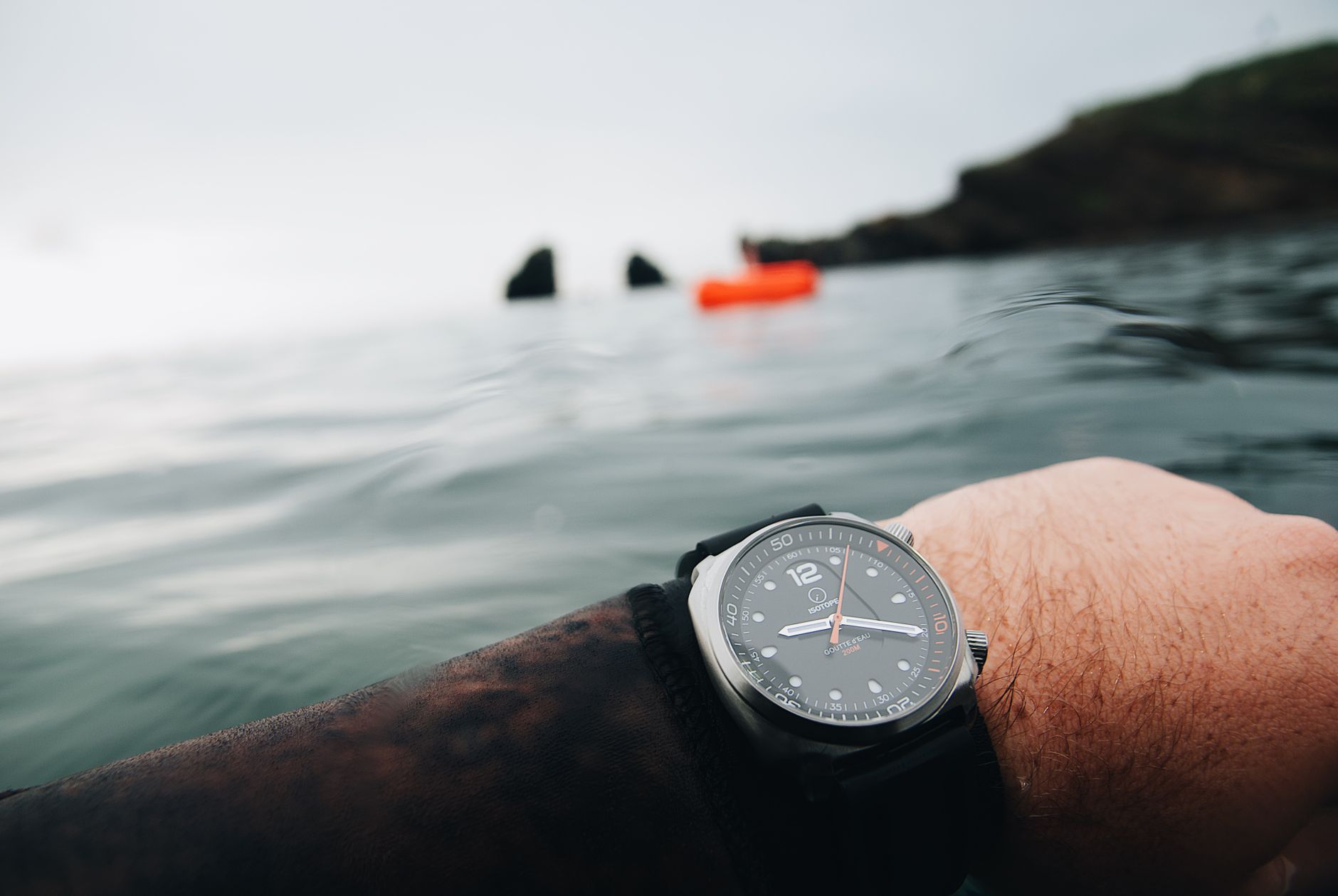
Where these quartz watches have an advantage over mechanical options is reliability and accuracy. The Casio Duro will gain or lose maybe 5 seconds per month, compared to 60+ seconds per month on a mechanical watch. If you’re actually diving or swimming regularly, the tested water resistance of a purpose-built dive watch like the Duro or Ray II matters—casual splash resistance and tested 200-meter ratings aren’t equivalent. The trade-off is that quartz watches feel less interesting to some people; they’re purely functional rather than mechanical. But for a runner who just needs a reliable time-keeping device that won’t fail during a race or training session, quartz is the smarter choice.
Smartwatches Under $200 for Runners and Health Tracking
If your primary interest in a watch relates to running and health metrics, the Amazfit Active 2 at $99 and Garmin Venu Sq 2 at $200 offer capabilities that traditional watches simply can’t match. The Amazfit tracks your heart rate continuously, includes GPS for precise route mapping, and runs for 10 days on a single charge—compared to a smartwatch that requires daily charging, that’s a massive practical difference. The Garmin Venu Sq 2 steps up with what Garmin is known for: an even more accurate heart rate sensor and 11-day battery life, plus deeper integration with running metrics like VO2 max estimation and training load tracking. The comparison here is direct: a traditional watch under $200 tells you the time accurately or looks nice on your wrist. A smartwatch under $200 tells you your heart rate, maps your runs, logs your training volume, and helps you avoid overtraining.
For someone serious about running, a $99-$200 smartwatch will influence your training decisions in ways that a $200 mechanical watch simply won’t. The trade-off is that smartwatches require charging every 7-11 days, versus never charging a traditional watch. They also tend to feel more utilitarian than decorative. If you want something you’ll wear to business meetings and formal events, a watch with a traditional design works better. If your primary use case is health and fitness, the smartwatch category is where actual value lives.
Durability and Long-Term Reliability Concerns
One limitation of watches under $200 is that cheaper materials are sometimes used in less visible places. Crystal scratches on some budget watches are harder to avoid than on luxury watches with expensive sapphire crystals; Seiko and Orient use mineral crystal that scratches more easily than sapphire but is also more affordable to replace. Water resistance ratings must be respected—the rated depth assumes you’re not actively using the watch underwater with aggressive wrist movements. A 30-meter rating is splash-resistant only; 100 meters is suitable for swimming. Dive watches with 200+ meters are where you can actually submerge the watch repeatedly.
Check user reviews for specific models, particularly around common failure points. Some budget quartz watches have poor lume (the glowing dial paint) that fades within months. Some have second-hand alignment issues that develop after a year or two. This is where the Seiko, Orient, Casio, and Timex recommendations hold up—they have enough production volume and reputation that quality control issues get reported widely and addressed by the manufacturer. A random brand watch might be cheaper, but if it fails in six months and the warranty doesn’t apply, you’ve wasted money. The slightly higher cost of established brands under $200 is insurance against that outcome.

Finding the Right Watch Category for Your Lifestyle
The biggest decision is choosing between three categories: mechanical/traditional watches (if you enjoy the watch as a mechanical object), quartz sports watches (if you want reliability and durability), or smartwatches (if you want health metrics and training data). For someone who runs regularly, starts by asking whether you currently use a fitness watch at all. If you do and you love the data, a smartwatch under $200 is the obvious choice. If you never look at that data, a traditional watch will be more satisfying because you’ll actually enjoy wearing it.
A practical approach: buy a Casio Duro or Amazfit Active 2 as your functional watch for around $100 or less, then add a mechanical watch like the Seiko 5 Sports or Orient Bambino for the remaining budget. Many people treat this as a non-negotiable two-watch setup: a reliable tool watch for daily activity and a nicer watch for appearances. You get the best of both worlds without exceeding a $200-$300 total investment. The worst outcome is overpaying for a single watch that tries to do everything and excels at nothing.
The Future of Affordable Watches and Your Purchase Decision
The watch market under $200 has improved dramatically in the last five years. Brands that once competed on price alone now compete on quality because their manufacturing processes have become more efficient. A Seiko 5 from 2023 is notably more refined than one from 2010, at the same price point. Smartwatch battery life keeps improving—the 10-11 day ratings now common were unheard of three years ago.
Chinese brands like Amazfit are increasingly competitive in the smartwatch space, forcing established brands to offer better value. This trend means the $200 watches available to you right now are genuinely good, not just “acceptable for the price.” The Casio Duro, which would have been an unremarkable watch a decade ago, is now recognized as an actual gem because the watch world has elevated its standards. This is good news for buyers: you don’t need to save for a $500 watch to get something genuinely worthwhile. The watches listed in this article will work reliably for 5-10 years if maintained reasonably, which is better than many far more expensive watches that go out of style before they fail.
Conclusion
Finding a quality watch under $200 is entirely realistic, but it requires understanding what you actually want from a watch. If you need a reliable time-keeping device with durability, multiple options exist at that price point from established manufacturers. If you’re interested in the mechanical engineering side of watches, the Seiko 5 series and Orient options deliver that experience without requiring luxury brand pricing.
If you’re a runner or fitness-focused person, the smartwatch options at $99-$200 offer health tracking capabilities that traditional watches simply cannot match. Start by identifying which category matches your actual lifestyle and daily habits. Then invest in a recognized brand with proven reliability rather than trying to save an extra $20 on an unknown brand. The difference between a $100 watch you’ll wear happily for a decade and a $80 watch that fails in two years is significant, and that’s where the real value under $200 lives.